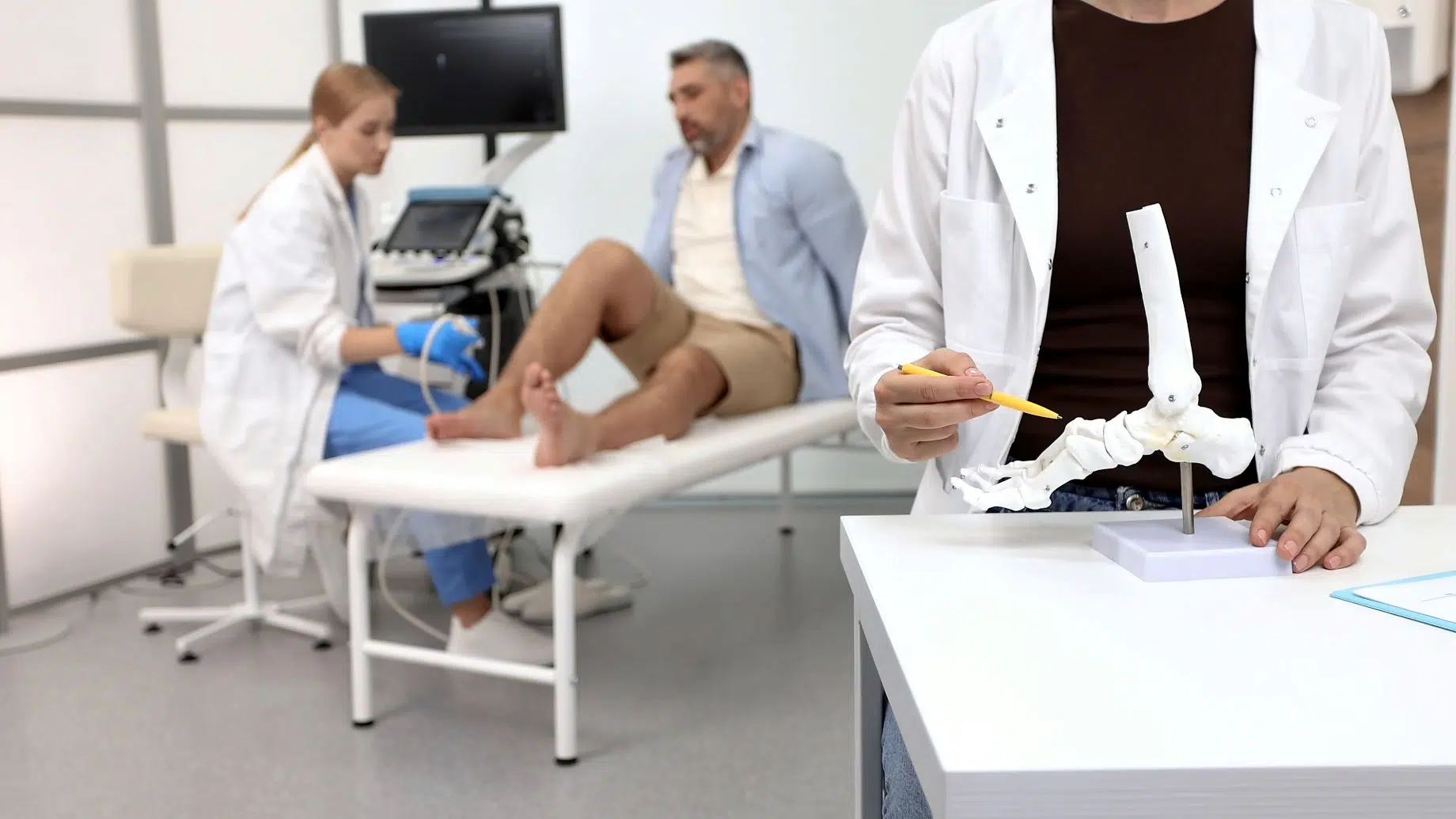
Knee and foot pain are common musculoskeletal concerns that may affect people of different age groups in Singapore. These issues can develop gradually over time or occur after physical activity, sports injuries, repetitive strain, or daily wear and tear. Persistent discomfort in the knees or feet may interfere with walking, exercise, work responsibilities, and routine activities.
An orthopaedic assessment is typically performed to evaluate the possible causes of pain, identify movement limitations, and determine suitable management options based on an individual’s condition and lifestyle needs. Seeking assessment for persistent symptoms may help patients better understand their condition and available treatment approaches.
Individuals experiencing ongoing discomfort may consider consulting an orthopaedic clinic in Singapore for further evaluation and personalised care recommendations.
Common Reasons People Seek Orthopaedic Assessment
Knee and foot symptoms can vary from mild discomfort to pain that affects mobility and physical activity. Many individuals seek orthopaedic assessment when symptoms persist despite rest or self-care measures.
Persistent Knee Pain
Knee pain may occur due to sports injuries, overuse, age-related joint changes, or underlying musculoskeletal conditions. Some individuals experience discomfort when climbing stairs, walking long distances, kneeling, or participating in exercise.
Other symptoms may include:
- Swelling around the knee joint
- Joint stiffness after resting
- Clicking or locking sensations
- Difficulty bearing weight
- Reduced range of motion
In some situations, pain may develop gradually over several months, while acute injuries can cause sudden discomfort and swelling after physical activity or trauma.
Foot and Ankle Discomfort
Foot and ankle pain may affect mobility and daily movement. People who stand for prolonged periods at work or engage in frequent walking and exercise may experience increased strain on the feet and ankles.
Common concerns include:
- Heel pain during walking
- Pain in the arch of the foot
- Ankle instability
- Swelling after activity
- Discomfort when wearing footwear
Certain conditions, such as plantar fasciitis or ankle sprains, may contribute to persistent pain if not properly assessed and managed.
Mobility and Activity Concerns
Some individuals seek orthopaedic assessment because pain affects their ability to perform normal activities. Reduced mobility can interfere with recreational exercise, occupational tasks, or simple daily movements.
Symptoms that commonly prompt medical evaluation include:
- Difficulty walking comfortably
- Reduced balance or stability
- Pain during exercise
- Joint weakness
- Discomfort affecting sleep or prolonged standing
Initial Medical Discussion During the Consultation
An orthopaedic assessment usually begins with a detailed discussion regarding symptoms, medical history, and activity patterns. This information helps provide context about the possible causes of pain and movement limitations.
Reviewing Symptoms
Patients are commonly asked about:
- The location of pain
- When symptoms started
- Whether pain is constant or intermittent
- Activities that worsen symptoms
- Previous treatments attempted
Describing symptoms accurately may help identify whether pain is related to joint structures, muscles, tendons, ligaments, or surrounding tissues.
For example, knee pain during twisting movements may indicate a different issue compared to pain caused by prolonged walking or standing.
Medical and Activity History
A review of medical history is also an important part of assessment. Previous injuries, surgeries, exercise routines, and occupational activities may influence joint health and recovery.
Patients may be asked about:
- Prior sports injuries
- Existing arthritis or joint conditions
- Participation in high-impact activities
- Exercise frequency
- Footwear habits
- Previous physiotherapy or medication use
Lifestyle factors can provide useful information when evaluating repetitive strain or overuse-related conditions.
Lifestyle Considerations
Daily activities and movement patterns may contribute to musculoskeletal stress over time. Certain occupations that involve prolonged standing, heavy lifting, or repetitive movement may increase strain on the knees and feet.
Activity levels, exercise habits, and body mechanics may also influence symptoms and recovery plans.
Physical Examination Process
After reviewing symptoms and medical history, a physical examination is usually performed to assess joint function, movement, and stability.
Assessing Movement and Stability
Movement assessments help evaluate how the knee, foot, or ankle functions during activity. Patients may be asked to walk, bend the knee, stand on one leg, or perform simple movements.
The examination may assess:
- Joint flexibility
- Walking pattern
- Weight-bearing ability
- Joint alignment
- Stability during movement
Observing movement patterns can help identify areas of weakness, imbalance, or restricted motion.
Identifying Areas of Tenderness
During examination, pressure may be applied to different areas to identify swelling, tenderness, or inflammation.
The assessment may involve checking for:
- Pain around ligaments or tendons
- Joint swelling
- Muscle tightness
- Warmth around the joint
- Areas sensitive to touch
This process may help narrow down possible causes of discomfort.
Functional Assessment
Functional testing evaluates how symptoms affect mobility and physical performance. Depending on the condition, strength and balance testing may also be performed.
Examples include:
- Squatting movements
- Standing balance tests
- Flexibility checks
- Strength assessment of surrounding muscles
Functional assessments provide additional information about how pain impacts daily movement and activity levels.
Imaging and Diagnostic Tests That May Be Recommended
Imaging tests are sometimes recommended when further evaluation is needed to better understand the underlying condition.
X-rays
X-rays are commonly used to assess bone structure and joint alignment. They may help identify:
- Fractures
- Joint space narrowing
- Bone spurs
- Signs of osteoarthritis
X-rays are typically useful for evaluating bone-related conditions but may not fully assess soft tissue injuries.
MRI Scans
Magnetic Resonance Imaging (MRI) may be recommended when soft tissue injuries are suspected.
MRI scans can help evaluate:
- Ligaments
- Meniscus injuries
- Tendons
- Cartilage structures
- Muscle injuries
These scans may be considered when symptoms persist despite conservative treatment or when instability is present.
Ultrasound or Other Imaging
In certain situations, ultrasound imaging or additional tests may be used to assess inflammation, tendon-related conditions, or fluid accumulation around joints.
Not every patient requires imaging investigations. Recommendations are usually based on symptoms, examination findings, and medical history.
Possible Orthopaedic Conditions Identified During Assessment
Orthopaedic assessments may identify a range of musculoskeletal conditions affecting the knees, feet, or ankles.
Knee-Related Conditions
Several knee conditions may contribute to pain and reduced mobility, including:
- Osteoarthritis
- Meniscus injuries
- Ligament injuries
- Patellar tendon conditions
- Cartilage-related problems
Symptoms may vary depending on the severity and type of condition present.
Foot and Ankle Conditions
Foot and ankle discomfort may be associated with:
- Plantar fasciitis
- Achilles tendon conditions
- Ankle sprains
- Flat feet
- Stress-related injuries
Pain may worsen with prolonged standing, exercise, or walking on hard surfaces.
Discussing Treatment and Management Options
Treatment recommendations are generally based on the patient’s diagnosis, symptom severity, activity level, and functional goals.
Non-Surgical Approaches
Many orthopaedic conditions may initially be managed using conservative treatment methods.
These may include:
- Physiotherapy
- Activity modification
- Strengthening exercises
- Supportive footwear
- Medication where appropriate
- Ice application and rest strategies
Rehabilitation programmes are often tailored according to individual movement needs and recovery progress.
Surgical Considerations
Surgery may be discussed in situations where symptoms persist despite conservative treatment or when structural injuries significantly affect function and mobility.
Examples may include:
- Severe ligament injuries
- Certain meniscus tears
- Advanced joint degeneration
- Fractures requiring stabilisation
The suitability of surgery depends on individual assessment findings and clinical recommendations.
Recovery and Follow-Up
Recovery duration varies depending on the condition and treatment approach. Follow-up appointments may be arranged to monitor symptoms, movement improvement, and rehabilitation progress.
Patients are often advised on:
- Gradual return to activities
- Exercise progression
- Movement modifications
- Ongoing rehabilitation strategies
When Should Someone Seek Medical Attention?
Medical assessment may be considered when knee or foot pain persists or begins affecting daily activities and mobility.
Symptoms that may warrant evaluation include:
- Persistent swelling
- Difficulty walking
- Joint instability
- Pain lasting several weeks
- Reduced movement
- Pain after injury
- Symptoms interfering with work or exercise
Early assessment may help identify contributing factors and guide appropriate management options before symptoms worsen.
Individuals seeking more information about orthopaedic care services in Singapore may explore available consultation and treatment options for knee, foot, and musculoskeletal conditions.