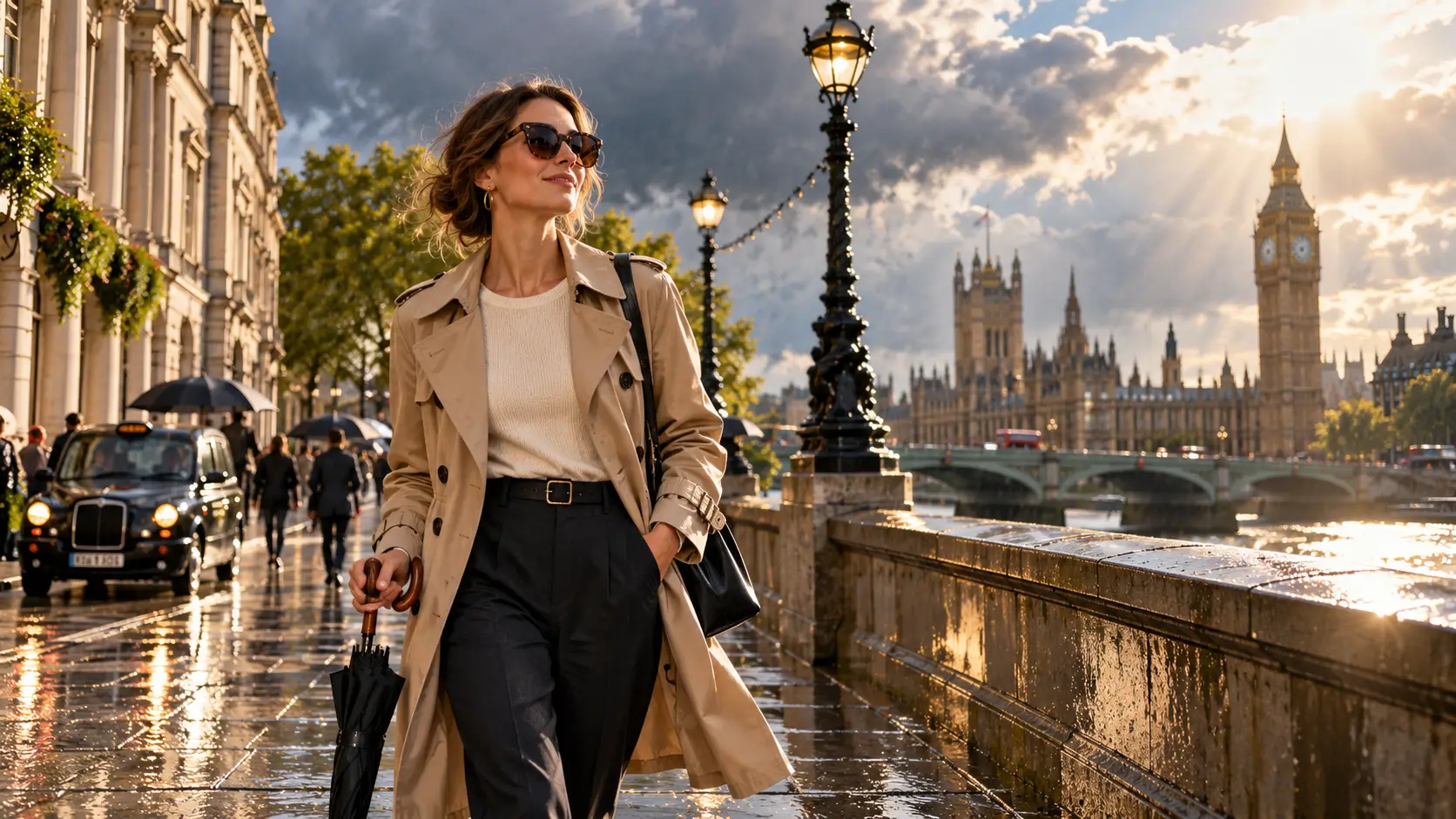
Your family day out is planned, the favourite snacks are packed, and the kids have been reminded to bring an extra jacket. You’ve checked the forecast, but with cloudy skies and a chance of sunshine, there’s still one question: should you pack sunglasses?
British weather rarely sticks to the plan. A grey morning can turn into a bright afternoon just as you reach the coast or set off on a countryside walk. And the tricky part? A lack of sunshine doesn’t always mean a lack of UV exposure.
So, before leaving the sunglasses at home, here’s what to consider when planning a day out for the whole family.
When Is UV Exposure Highest in the UK?
In the UK, UV levels are generally highest from late spring through summer. This usually happens around midday. If you are out for a countryside walk or running an errand in the afternoon, it can still bring meaningful UV exposure. The tricky part is it can be there even when the air feels cool.
That is why checking the UV index before stepping outside, especially for a trip, can save you. The NHS recommends taking extra care when the UV index reaches 3 or above. With this parameter, you can get a clear picture of the UV risk along with the sunshine forecast.
Do You Need Sunglasses When It’s Cloudy?
Everyone knows how the weather loves to be unpredictable. The mornings can start with a grey sky and can offer bright sunshine by noon. This can be a concerning part in halfway through your family walk. The constant squinting of eyes and lack of clarity in the scenic beauty can affect enjoyment.
Grey lenses work well in bright conditions while keeping colours looking natural, whereas brown and amber tints can enhance contrast in variable light. Green lenses offer a balance between colour accuracy and contrast.
However, yellow lenses aren’t a good choice for bright sunshine. If your day takes you from an exposed coastal path into shaded woodland, the best tint may depend on how much light you’re dealing with and how it changes along the way.
Does Your Day Out Change the Sunglasses You Need?
A coastal walk, a woodland trail and a day exploring a historic town can call for different eyewear choices. By the seaside, polarised sunglasses can help reduce glare reflecting off water, making them useful when the light gets uncomfortable. Lens colour matters, too.
Sightseeing brings another consideration. If you’re moving between bright streets and indoor attractions, photochromic lenses, such as Transitions®, can help. Specscart offers Transitions® XTRActive options for people who want eyewear that adapts to changing light. Just remember that standard photochromic lenses may not darken much behind a car windscreen, so upgrading to Transitions® XTRActive will be a good idea.
Which Sunglasses Suit Your Next Adventure?
The right sunglasses should suit more than your outfit. Think about the activities you’ve planned, how long you’ll be wearing them, and what feels comfortable for you. Here are a few styles and materials worth considering for your next day out.
Active adventures: Wraparound frames can offer extra side coverage for cycling, hiking and countryside trails. Look for a secure fit that stays comfortable as you move.
Relaxed sightseeing: Oversized, classic or cat-eye frames can complement visits to historic towns, gardens and outdoor cafés. Choose a shape that suits your personal style without feeling heavy during a long day out.
Choosing the right material: Lightweight, flexible TR90 frames are worth considering for active outings, while acetate frames offer a wide range of colours and patterns for everyday wear. Prioritise a comfortable fit and sturdy construction, whichever material you choose.
Avoid Eye Discomfort on Family Days Out
A full day outdoors can be harder on your eyes than you expect. Bright sunlight, windy roads, dust particles, and different lighting conditions can irritate your eyes. This also depends on the place you are planning to go. Near the coast, reflected light from water or sand can make you uncomfortable, and if you are going for cycling the dust and debris can be an obstacle to clearer vision.
Comfort is only part of the picture. Over time, UV exposure is linked to a few eye conditions, though most are uncommon and easy to avoid with sensible habits.
Photokeratitis: Sometimes called “eye sunburn”, this happens when the surface of the eye absorbs a lot of UV in a short time, for example on a bright day at the beach or on snow. It can cause redness, watering and light sensitivity, and usually settles within a day or two.
Cataracts: UV exposure over many years is recognised as one of several risk factors for cataracts, which cloud the eye’s natural lens. Age is the biggest factor, but protecting your eyes from UV is a simple way to look after them long term.
Age-Related Macular Degeneration (AMD): Researchers have looked at whether UV plays a role in age-related macular degeneration (AMD), but the evidence is mixed, and no firm link has been established. However, it’s better to keep your eyes protected from UV rays for better eye health.
Let the Weather Surprise You, Not Your Preparation
The weather might be unpredictable, but taking precautions is completely a choice. While preparing for your next family day out, packing the right pair of sunglasses is like a little care that goes a long way.
To make sure sunglasses are scratch-free and smudge-free, store them in a protective case when not in use. Moreover, using a mild cleaning solution and a microfibre cloth can clean the dirt and oil from the lenses without damaging the protective coatings. Brands like Specscart include these premium accessories with their sunglasses for free. This makes travelling easier and helps you enjoy the adventure.