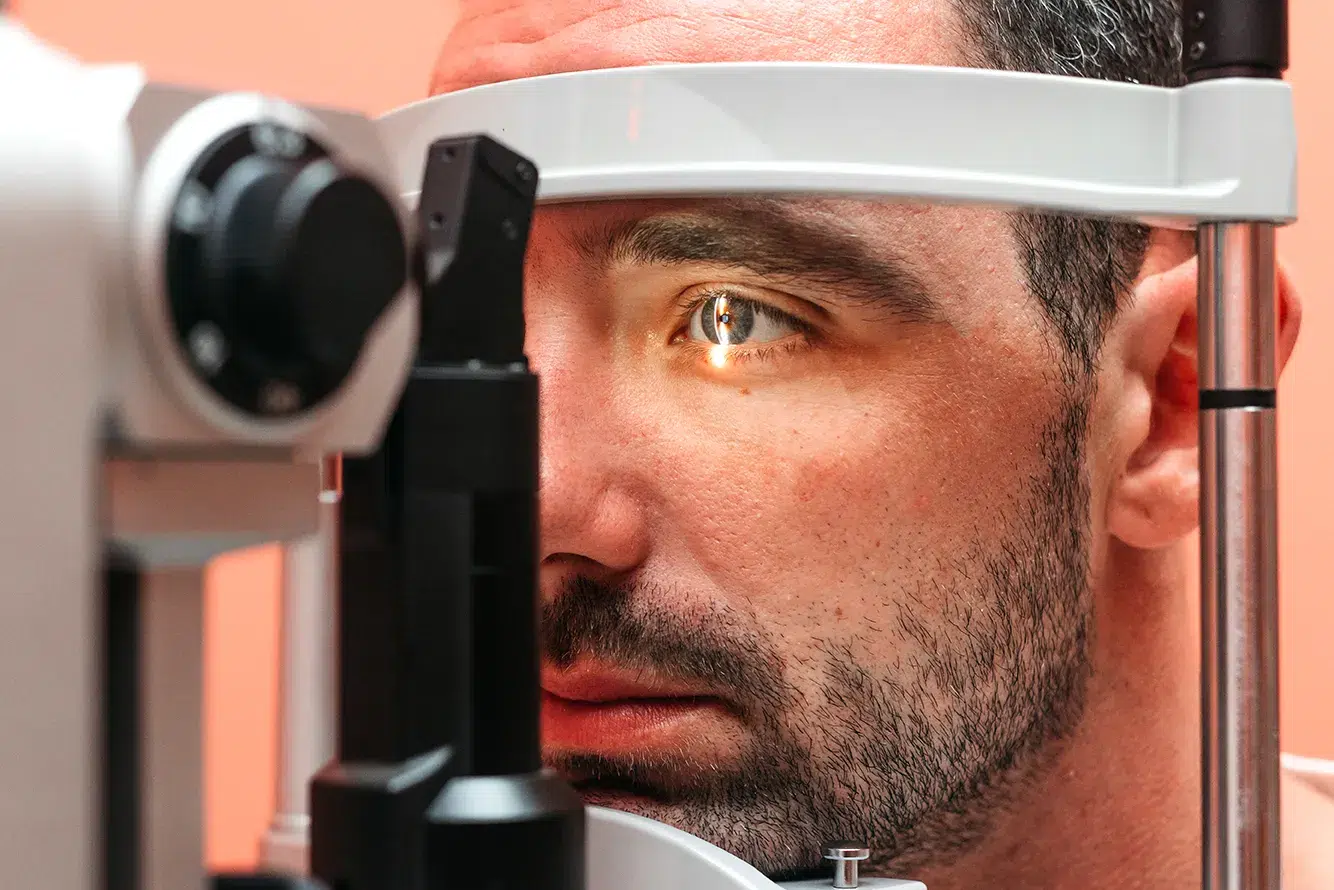
Vision is one of the most relied-upon senses, yet it is often taken for granted until changes begin to interfere with daily life. Blurred sight, difficulty reading, increased glare, or trouble seeing at night can quietly develop over time, signalling underlying eye conditions that require professional evaluation. Early intervention is critical, as many eye diseases progress gradually and may cause permanent damage if left untreated.
Consulting an experienced eye specialist in Calgary provides access to advanced diagnostic tools and medical expertise needed to identify eye conditions early and manage them effectively. In cases where vision loss is linked to lens clouding, procedures such as cataract surgery offer proven, long-term solutions that restore clarity and independence. Understanding when to seek specialized care empowers individuals to protect their eyesight and maintain a high quality of life.
This article explores the role of eye specialists, common conditions requiring expert attention, warning signs that should not be ignored, and how modern treatment options support long-term vision health.
What Does an Eye Specialist Do?
An eye specialist is a medical professional trained to diagnose, manage, and treat complex eye conditions. While routine vision checks may address basic refractive issues, specialists focus on medical and surgical eye care.
Scope of Specialized Eye Care
Eye specialists commonly manage:
- Cataracts
• Glaucoma
• Macular degeneration
• Diabetic eye disease
• Retinal disorders
• Corneal conditions
• Eye injuries and infections
Their training allows them to detect subtle changes in eye structures that may not be apparent during basic vision screenings.
Why Early Eye Care Is So Important
Many eye conditions are progressive, meaning they worsen over time without obvious symptoms in the early stages.
Conditions That Often Develop Silently
- Glaucoma may progress without pain or vision loss until advanced stages
• Diabetic retinopathy can damage blood vessels before symptoms appear
• Cataracts may slowly reduce clarity, allowing gradual adaptation
Regular evaluations by an eye specialist help identify these issues before irreversible damage occurs.
Common Warning Signs That Require Specialist Attention
Some symptoms should prompt immediate evaluation.
Vision Changes to Watch For
- Sudden or gradual blurring
• Double vision
• Increased glare from lights
• Difficulty seeing at night
• Changes in colour perception
• Frequent prescription changes
Physical Symptoms
- Eye pain or pressure
• Redness or swelling
• Light sensitivity
• Persistent dryness or irritation
• Flashes of light or floaters
Ignoring these signs may lead to delayed diagnosis and more complex treatment.
Cataracts: One of the Most Common Vision Conditions
Cataracts are among the most frequently diagnosed eye conditions, particularly in adults over the age of 60. They occur when the natural lens becomes cloudy, preventing light from reaching the retina clearly.
How Cataracts Affect Daily Life
As cataracts progress, individuals may experience:
- Hazy or foggy vision
• Difficulty driving, especially at night
• Washed-out colours
• Trouble reading or using digital devices
• Increased sensitivity to bright light
Because the changes are gradual, many people delay seeking treatment until vision loss becomes significant.
Diagnosis and Monitoring by an Eye Specialist
An eye specialist uses comprehensive testing to assess the presence and severity of cataracts and other eye conditions.
Diagnostic Tools Used
- Slit-lamp examination
• Visual acuity testing
• Retinal evaluation
• Glare sensitivity testing
• Advanced imaging
These assessments allow for accurate diagnosis and treatment planning tailored to individual needs.
When Cataract Surgery Becomes Necessary
Cataracts do not always require immediate intervention. Treatment decisions are based on how much the condition interferes with daily activities.
Indicators That Surgery May Be Recommended
- Difficulty driving safely
• Inability to read comfortably
• Reduced independence
• Interference with work or hobbies
• Increased fall risk
When cataracts significantly affect quality of life, cataract surgery becomes the most effective treatment option.
Understanding Cataract Surgery
Cataract surgery is a highly successful procedure designed to restore clear vision by replacing the clouded natural lens with an artificial one.
How the Procedure Works
- The cloudy lens is gently broken down
• Lens fragments are removed through a small incision
• A clear artificial lens is implanted
The procedure is typically completed in less than 30 minutes and does not require an overnight hospital stay.
Types of Intraocular Lenses (IOLs)
Several lens options are available, and an eye specialist helps determine the most suitable choice.
Common IOL Options
- Monofocal lenses – Clear vision at one distance
• Multifocal lenses – Vision correction at multiple distances
• Toric lenses – Correction for astigmatism
The choice depends on lifestyle, visual goals, and eye health.
Recovery After Cataract Surgery
Recovery is generally quick, with most patients noticing improved vision within days.
Post-Operative Care Includes
- Using prescribed eye drops
• Avoiding heavy lifting for a short period
• Wearing protective eyewear
• Attending follow-up appointments
Following post-operative instructions ensures optimal healing and visual outcomes.
Beyond Cataracts: Other Conditions Managed by Eye Specialists
Eye specialists manage a wide range of eye diseases beyond cataracts.
Glaucoma
- Characterized by increased eye pressure
• Can damage the optic nerve
• Requires ongoing monitoring
Macular Degeneration
- Affects central vision
• Common in older adults
• Early detection improves management
Diabetic Eye Disease
- Caused by damage to retinal blood vessels
• Often asymptomatic in early stages
• Requires regular screening
Dry Eye Disease
- Increasingly common with screen use
• Can significantly impact comfort and vision
• Often requires targeted treatment
The Role of Technology in Modern Eye Care
Advancements in technology have improved diagnosis and treatment accuracy.
Examples of Modern Tools
- Optical coherence tomography (OCT)
• Digital retinal imaging
• Visual field testing
• Laser-assisted treatments
These tools allow eye specialists to detect microscopic changes and intervene early.
Lifestyle Factors That Affect Eye Health
Daily habits influence long-term vision outcomes.
Key Factors to Consider
- Screen time management
• UV protection with sunglasses
• Balanced nutrition
• Blood sugar control
• Smoking cessation
Eye specialists often provide guidance on lifestyle adjustments to support eye health.
How Often Should You See an Eye Specialist?
General recommendations vary by age and risk factors.
Suggested Visit Frequency
- Adults under 40: every 2–3 years
• Adults 40–60: every 1–2 years
• Adults over 60: annually
• Individuals with chronic conditions: as recommended
Regular visits support early detection and timely treatment.
Why Specialized Eye Care Matters
While routine eye exams are valuable, specialized care is essential for managing complex or progressive conditions. Consulting an eye specialist in Calgary ensures access to advanced expertise, surgical options, and long-term vision management.
For conditions such as cataracts, timely evaluation and cataract surgery can dramatically improve visual clarity, independence, and overall quality of life.
Long-Term Benefits of Proactive Eye Care
Consistent eye care offers lasting advantages:
- Preserved vision
• Reduced risk of severe vision loss
• Enhanced daily functioning
• Improved safety and independence
• Greater peace of mind
Proactive care allows individuals to maintain control over their eye health.
Conclusion
Vision changes should never be ignored. Whether experiencing subtle blurring or significant vision loss, early evaluation by an experienced eye specialist in Calgary plays a crucial role in protecting eyesight. For those affected by lens clouding, modern cataract surgery offers a safe, effective solution that restores clarity and improves quality of life.
By recognizing warning signs, seeking expert care, and embracing advances in treatment, individuals can safeguard their vision and continue enjoying daily activities with confidence and independence.