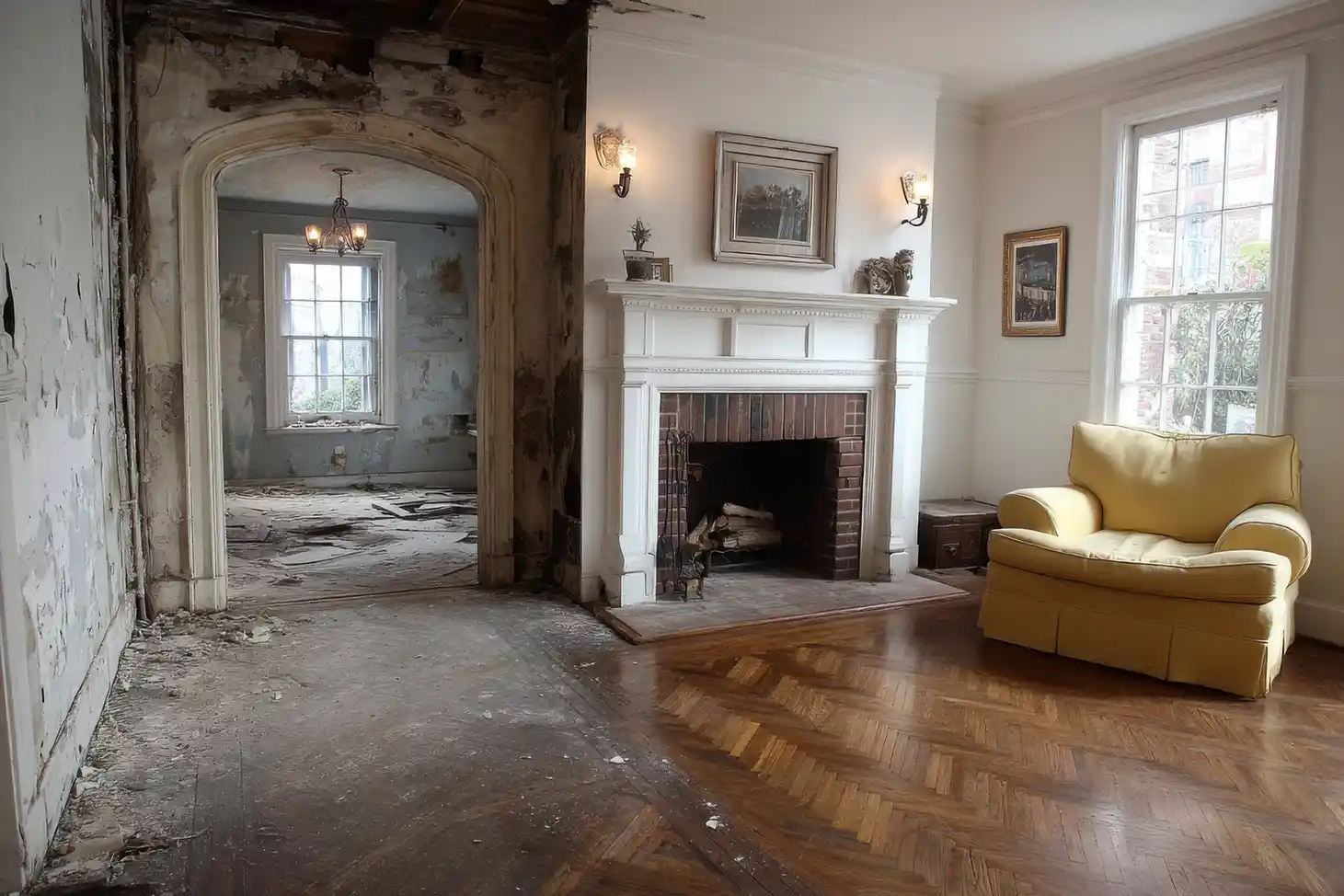
Interior demolition is often misunderstood as a simple teardown of walls, fixtures, or finishes. In reality, it is a highly controlled process that requires careful planning, technical knowledge, and attention to detail. Unlike exterior demolition, interior work must protect surrounding structures, utilities, and occupied areas while creating a clean foundation for what comes next.
Mistakes made during interior removal can lead to structural damage, safety hazards, and costly delays. Cutting too aggressively or overlooking hidden systems creates problems that ripple through the rest of a project. This is why precision and preparation are essential, especially when projects rely on Light Demolition rather than full structural removal.
Property owners who work with Dump Brothers Demolition often learn that interior demolition succeeds when it is approached with strategy instead of speed. Understanding why careful preparation matters helps ensure renovation and remodeling projects stay efficient, safe, and predictable.
Understanding the complexity of interior spaces
Interior spaces contain far more than visible walls and finishes. Electrical wiring, plumbing lines, ventilation paths, and structural supports are often concealed behind surfaces.
Precision begins with understanding what lies beneath. Preparation allows demolition teams to identify these elements before work starts, reducing the risk of accidental damage.
Hidden systems require careful handling.
Why interior demolition differs from exterior work
Exterior demolition focuses on removing entire structures, often in open environments. Interior demolition, by contrast, takes place within confined spaces where other parts of the building must remain intact.
Light Demolition techniques are designed for these conditions. They emphasize controlled removal rather than force, allowing work to proceed without compromising the rest of the structure.
Control is critical indoors.
Protecting load-bearing elements
Interior walls are not always non-structural. Some support floors, ceilings, or adjacent rooms.
Proper preparation identifies which elements are load-bearing and which can be safely removed. Precision ensures that structural stability is maintained throughout the process.
Stability protects the entire building.
Managing utilities safely and efficiently
Electrical, plumbing, and HVAC systems often run through interior walls and ceilings. Cutting into these systems without preparation can cause injuries and project shutdowns.
Interior demolition planning includes mapping utility locations and confirming shutoffs. This preparation allows safe removal without disrupting essential services unnecessarily.
Utility awareness prevents hazards.
Reducing damage to surrounding finishes
Many projects require preserving floors, ceilings, or adjacent rooms. Aggressive demolition techniques can easily damage these areas.
Precision removal limits vibration, debris spread, and impact. Light Demolition methods help protect finishes that are meant to remain.
Preservation saves time and cost.
Supporting clean transitions to renovation
Interior demolition sets the stage for renovation work. Poor preparation leaves uneven surfaces and unexpected obstacles.
Careful planning ensures that surfaces are left clean and ready for construction. This preparation supports faster and higher-quality renovation outcomes.
Preparation supports momentum.
Minimizing dust and debris spread
Dust control is a major concern during interior work, especially in occupied buildings. Without preparation, dust spreads through ventilation systems and open spaces.
Precision demolition uses containment strategies and controlled removal to limit airborne debris. Cleaner sites are safer and easier to manage.
Dust control protects occupants.
Improving safety in confined environments
Interior demolition often occurs in tight spaces with limited visibility and access. These conditions increase safety risks if work is rushed.
Preparation includes planning access routes, debris removal paths, and safety zones. Precision reduces unexpected movement and falling hazards.
Safety depends on planning.
Supporting phased interior projects
Many interior renovations are completed in phases to keep parts of a building operational. Over-demolition disrupts this approach.
Light Demolition allows work to be isolated to specific zones. This precision supports phased scheduling and minimizes disruption to other areas.
Phasing improves flexibility.
Preventing unnecessary material waste
Removing more than necessary creates waste that must be managed and disposed of. This adds cost and environmental impact.
Precision demolition limits removal to designated areas. Reduced waste simplifies cleanup and aligns with sustainable building practices.
Efficiency reduces waste.
Enhancing coordination with other trades
Interior projects involve electricians, plumbers, carpenters, and designers. Poorly executed demolition interferes with their work.
Preparation ensures demolition aligns with trade requirements. Clear boundaries and clean surfaces support smoother coordination.
Coordination prevents rework.
Reducing unexpected repair costs
Accidental damage to wiring, pipes, or framing leads to unplanned repairs. These issues often arise from inadequate preparation.
Precision demolition identifies risks before removal begins. Avoiding damage protects budgets and timelines.
Prevention avoids delays.
Preserving architectural details when needed
Some interiors include features that must remain intact, such as trim, columns, or decorative elements.
Careful preparation identifies what should be preserved. Light Demolition techniques allow selective removal without harming valued details.
Selective care adds value.
Improving accuracy for new installations
New walls, fixtures, and systems rely on accurate dimensions. Over-demolition removes reference points that installers depend on.
Precision interior removal preserves alignment markers and existing geometry. This accuracy supports better installation results.
Accuracy improves quality.
Supporting renovations in occupied buildings
Interior demolition often occurs while buildings remain partially occupied. Noise, vibration, and debris must be carefully managed.
Preparation and controlled methods reduce disruption. This makes Light Demolition suitable for offices, retail spaces, and residential buildings.
Occupied spaces require restraint.
The importance of professional assessment
Interior demolition decisions should never be based on assumptions. Each space has unique challenges.
Midway through project planning, Dump Brothers Demolition applies professional assessment to ensure Light Demolition is executed with precision and preparation. Experience ensures that risks are identified before work begins.
Expertise replaces guesswork.
Managing timelines with realistic expectations
Interior demolition often appears quick, leading to unrealistic schedules. Rushed work increases mistakes.
Preparation allows timelines to be built around actual conditions. Precision supports steady progress instead of rushed corrections.
Realism improves outcomes.
Reducing long-term liability risks
Improper interior demolition can create hidden issues that surface later, such as weakened supports or damaged systems.
Careful preparation minimizes these risks by ensuring work is done the first time. This protects owners from future liability.
Correct execution prevents future problems.
Supporting consistent inspection outcomes
Inspectors review interior demolition closely, especially when structural or utility systems are involved.
Prepared projects anticipate inspection requirements. Precision work passes reviews more smoothly and avoids repeat visits.
Preparedness speeds approvals.
Enhancing owner confidence throughout the project
Interior demolition can be stressful for property owners. Uncertainty increases anxiety and hesitation.
Clear planning and precise execution build confidence. Owners understand what is happening and why each step is necessary.
Confidence supports collaboration.
Long-term value of precision interior demolition
The benefits of careful interior removal extend beyond demolition itself. Protected structures, clean transitions, and reduced waste all support better renovation results.
Property owners who partner with Dump Brothers Demolition often find that Light Demolition succeeds when guided by precision and preparation. By approaching interior demolition with care and expertise, projects move forward safely, efficiently, and with a strong foundation for everything that follows.