The outside of a refrigerator may sparkle, the microwave door may be fingerprint-free, and the stovetop might receive a quick wipe after dinner. Even with these visible surfaces looking tidy, the interiors of kitchen appliances often tell a completely different story. Hidden crumbs, grease, spills, and moisture quietly accumulate in places that many homeowners rarely inspect.
Unlike countertops or sinks, appliance interiors are easy to forget because they stay closed for much of the day. People tend to clean only what they immediately see, allowing food residue to remain inside drawers, shelves, filters, and compartments for weeks or even months. That gradual buildup affects both cleanliness and the way appliances perform over time.
Regular attention to these overlooked spaces does more than improve appearance. It helps reduce unpleasant odors, limits bacterial growth, and keeps expensive kitchen equipment operating in better condition for years.
Refrigerators Hide More Than Expired Food
Most refrigerator cleanouts happen only when something spills or groceries need reorganizing. In between those occasions, tiny drips from bottles, vegetable fragments, and moisture from fresh produce slowly collect beneath drawers and along shelf edges. These areas are rarely visible unless every removable component is taken out.
Condensation also contributes to the problem. Small amounts of moisture combine with food particles to create sticky residue that becomes increasingly difficult to remove the longer it remains in place.
Cleaning the interior on a routine schedule helps prevent odors from developing while reducing the chance of stains becoming permanent on plastic shelves and storage bins.
Microwaves Collect Layers With Every Meal
A microwave can look clean from the outside while the interior ceiling and walls steadily collect splattered food. Even when meals are covered, steam carries tiny droplets that eventually dry into stubborn residue.
As these layers build, they harden from repeated heating cycles. Fresh spills become more likely to stick to existing residue, making each future cleaning session more demanding than the last.
Taking a few minutes to wipe the interior before residue hardens is considerably easier than removing months of baked-on food later.
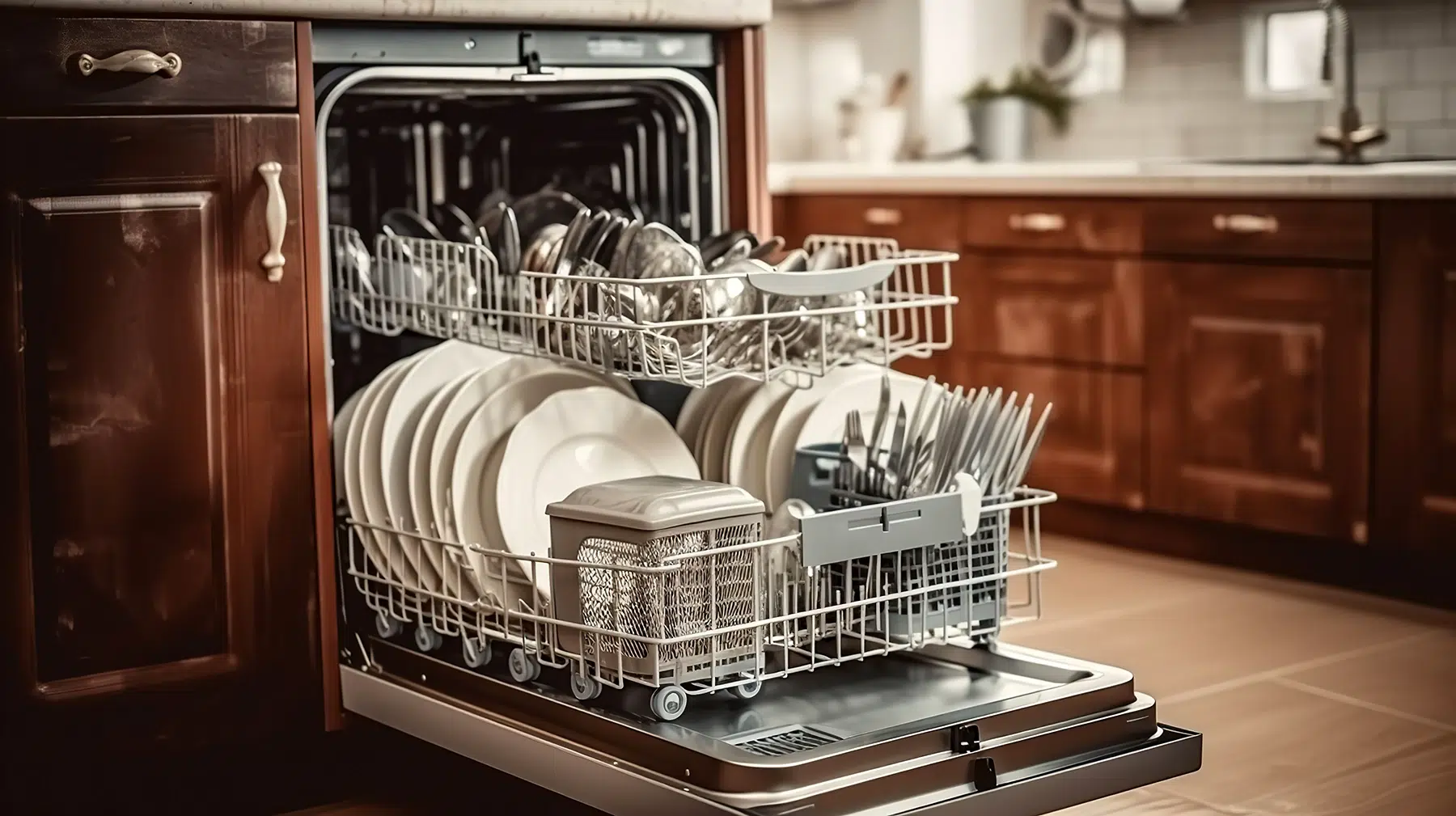
Dishwashers Need Cleaning Too
Many people assume a dishwasher stays clean because it washes dishes every day. In reality, food particles, grease, detergent residue, and mineral deposits gradually settle inside filters, spray arms, seals, and drain areas.
These hidden accumulations may reduce cleaning performance without immediately attracting attention. Dishes begin coming out less spotless, unpleasant smells develop, or water no longer drains as efficiently.
Inspecting and cleaning internal components periodically allows the appliance to perform as intended while preventing unnecessary strain on moving parts.
Ovens Store More Residue Than Expected
Every roasting pan, casserole dish, or bubbling pie has the potential to leave behind tiny amounts of grease and food. Some spills are obvious, while others drip beneath heating elements or collect in corners where they continue baking during every use.
Over time, repeated heating transforms these residues into hardened carbon deposits. Besides producing smoke and lingering cooking odors, excessive buildup may affect heat distribution inside the oven.
Keeping the interior reasonably clean supports more consistent cooking while reducing the amount of smoke released during high-temperature baking.
Small Appliances Deserve Attention
Coffee makers, air fryers, toaster ovens, and blenders often become part of daily routines. Because they are used so frequently, residue develops surprisingly quickly inside areas that are not immediately visible.
Water reservoirs collect mineral deposits, crumb trays fill gradually, and removable components retain oils from repeated use. These issues usually develop so slowly that they go unnoticed until performance begins to decline.
Households that include appliance maintenance as part of their regular routine often avoid many of the problems associated with long-term residue buildup. In situations where overall kitchen maintenance has fallen behind, some families schedule cleaning services NJ to help restore overlooked areas before returning to a consistent cleaning schedule.
Hidden Residue Can Affect Indoor Freshness
Kitchen odors do not always come from garbage bins or yesterday’s dinner. Appliance interiors can quietly contribute to stale smells when trapped food particles remain inside warm or enclosed spaces.
A refrigerator drawer containing forgotten produce, grease inside a microwave, or residue beneath an oven door gasket may release odors gradually without being immediately identifiable. Air fresheners temporarily disguise the problem, but they do not eliminate the source.
Removing the residue itself is the most reliable way to maintain a kitchen that feels genuinely fresh rather than simply scented.
Building Better Appliance Cleaning Habits
Appliance interiors rarely require hours of work. Most remain manageable when cleaned before spills harden or residue accumulates through repeated use. Setting aside time once each month for a more detailed inspection often prevents the need for intensive restoration later.
Instead of waiting until odors appear or performance declines, homeowners benefit from treating appliance interiors as part of routine kitchen maintenance. Small, consistent efforts preserve both cleanliness and the lifespan of the equipment.
CJM Cleaning encourages homeowners to think beyond visible countertops and polished cabinet doors. Paying attention to the spaces hidden behind appliance doors often makes the biggest difference in maintaining a cleaner, healthier kitchen.
Conclusion
Kitchen appliance interiors are among the easiest places to overlook because they stay out of sight during everyday routines. Unfortunately, food residue, grease, moisture, and mineral deposits continue accumulating even when the rest of the kitchen appears spotless. Ignoring these hidden spaces eventually affects cleanliness, odors, and appliance performance.
Making appliance interiors part of a regular cleaning schedule keeps buildup under control before it becomes difficult to remove. A little preventive maintenance goes a long way toward creating a kitchen that is cleaner, fresher, and better prepared for everyday use.