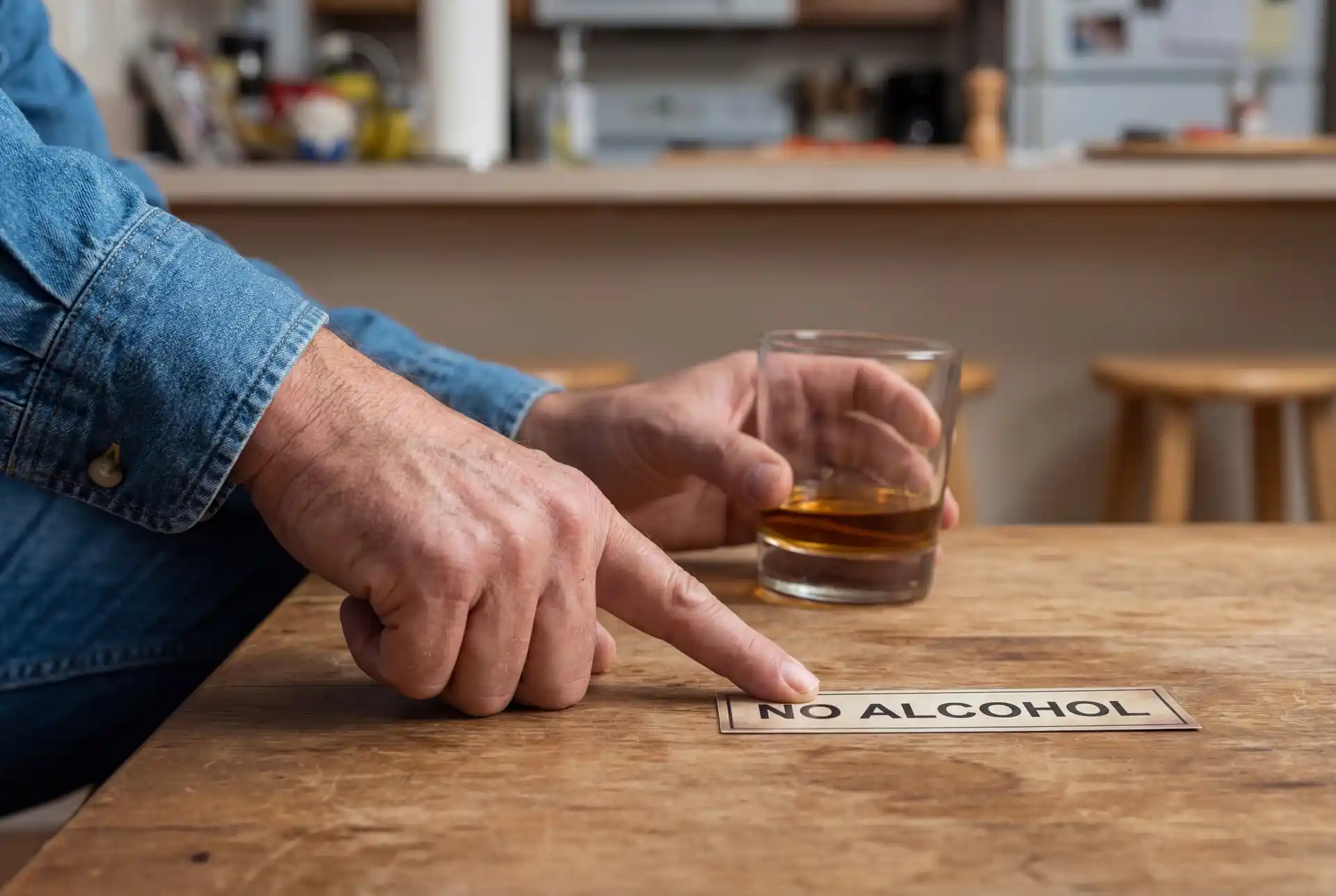
Deciding to stop drinking takes real courage. But courage alone won’t get you through it. Alcohol dependence is a medical condition, and like most medical conditions, it responds to proper care, not willpower contests.
Trying to quit on your own isn’t just difficult. In many cases, it’s genuinely dangerous.
What Happens When You Stop Drinking Alone
Alcohol reshapes the central nervous system over time. The brain, constantly flooded with alcohol, compensates by recalibrating its chemistry. When alcohol disappears suddenly, that recalibration goes haywire.
Withdrawal follows. For some people, it’s manageable. For others, it turns serious fast. According to the National Institute on Alcohol Abuse and Alcoholism, severe alcohol withdrawal can trigger seizures, hallucinations, and a condition called delirium tremens, which can be fatal without medical intervention. That’s not a worst-case scenario buried in fine print. It’s a well-documented medical reality. Choosing Florida alcohol treatment ensures tailored recovery plans that balance accountability, therapy, and long‑term wellness.
Home detox can’t account for any of that. A supervised program monitors vitals, manages symptoms as they escalate, and steps in before complications become crises.
The Role of Medical Detox
Medical detox is almost always the starting point in professional alcohol treatment. Around-the-clock monitoring. There are medications that are designed to lessen the severity of withdrawal symptoms and lower the risk of seizures, such as benzodiazepines and anticonvulsants, which are commonly used during medical detox to ensure patient safety and comfort. The clinical team is well-versed in identifying potential risks, including those associated with withdrawal symptoms and the management of seizure risk during early recovery.
It’s not comfortable. There is nothing about early recovery. But it’s far safer than trying to white-knuckle through withdrawal in a spare bedroom with no backup.
There’s a practical benefit beyond safety, too. People who complete a supervised detox arrive at the next phase of treatment physically stable. They are not exhausted from battling withdrawal alone.
Therapy Gets to the Root Cause
Clearing alcohol from the body is one thing. Understanding why alcohol became a problem is an entirely different challenge.
Most people with alcohol dependence aren’t struggling because they lack discipline. Studies consistently associate addiction with trauma, chronic stress, untreated mental health disorders, and environmental factors. The Substance Abuse and Mental Health Services Administration reports that roughly half of people with substance use disorders also live with a co-occurring condition like depression or anxiety. Treating the drinking problem solely, without addressing its underlying causes, significantly increases the risk of relapse.
Evidence-based approaches like cognitive behavioral therapy help people identify their specific triggers, interrupt automatic thought patterns, and build coping strategies that actually hold up under pressure. That kind of work takes time and a trained guide. It doesn’t happen through sheer resolve.
Accountability and Structure Matter
Here’s something that doesn’t get enough attention: structure itself is part of the treatment.
Addiction doesn’t thrive in busy, organized environments. It thrives in the gaps, the unscheduled hours, and the familiar settings that carry old associations, such as the empty afternoons or unstructured weekends that can lead to cravings and relapse. When someone tries to recover at home, those gaps are everywhere, making it difficult to avoid triggers and old habits that can lead to relapse. The corner store. A stressful Tuesday afternoon. The group chat feels all too familiar.
Residential and intensive outpatient programs remove a lot of that exposure while the brain is still recalibrating, allowing individuals to focus on their recovery without the distractions of everyday life. Structured schedules, regular therapy sessions, group meetings, and shared routines aren’t just time-fillers. They retrain the rhythm of daily life.
The peer component matters, too. Being around others who are navigating the same thing reduces the isolation that often feeds addiction, which can lead to a stronger support network and increased chances of recovery. Many people describe the relationships formed in treatment as unexpectedly lasting, often providing ongoing emotional support and accountability that can be crucial for maintaining sobriety after treatment ends.
The Importance of Aftercare Planning
Treatment ending doesn’t mean recovery ends. The transition back to normal life is one of the highest-risk stretches in the entire process, and walking back into it without a plan is asking for trouble.
Good programs build the aftercare plan before discharge. That might mean referrals to outpatient counseling, connections to local support groups, sober living arrangements, or scheduled check-ins. In the southeastern United States, programs that offer comprehensive Florida alcohol treatment often include structured aftercare as part of the clinical model. Such an arrangement means that there is a clear path forward, not just a handshake at the door.
The research backs these claims up. A study published in the Journal of Substance Abuse Treatment found that patients who stayed connected to continuing care after residential treatment showed substantially better sobriety rates at both one and two years post-discharge.
Why Going It Alone Rarely Works
Pride keeps many people from asking for help. So does fear of what others will think. Both are understandable. Neither one is a good enough reason to skip care.
The reality is, no one expects a person to manage a serious cardiac condition or a mental health crisis through sheer determination. Alcohol dependence deserves the same logic. Seeking professional support isn’t an admission of failure. It’s just the most practical option available.
Moving Forward
Recovery from alcohol dependence is possible. People achieve it every day, in real, sustained ways. But the path is meaningfully shorter and safer with qualified support alongside it.
Connecting with professionals changes what’s possible, whether someone is still thinking about the decision or is ready to act. The right structure, clinical care, and community support don’t guarantee an effortless road, but they can significantly enhance resilience and provide essential resources to navigate challenges along the way. They do make the destination a lot more reachable by providing guidance, support, and resources that help individuals overcome obstacles and achieve their goals.