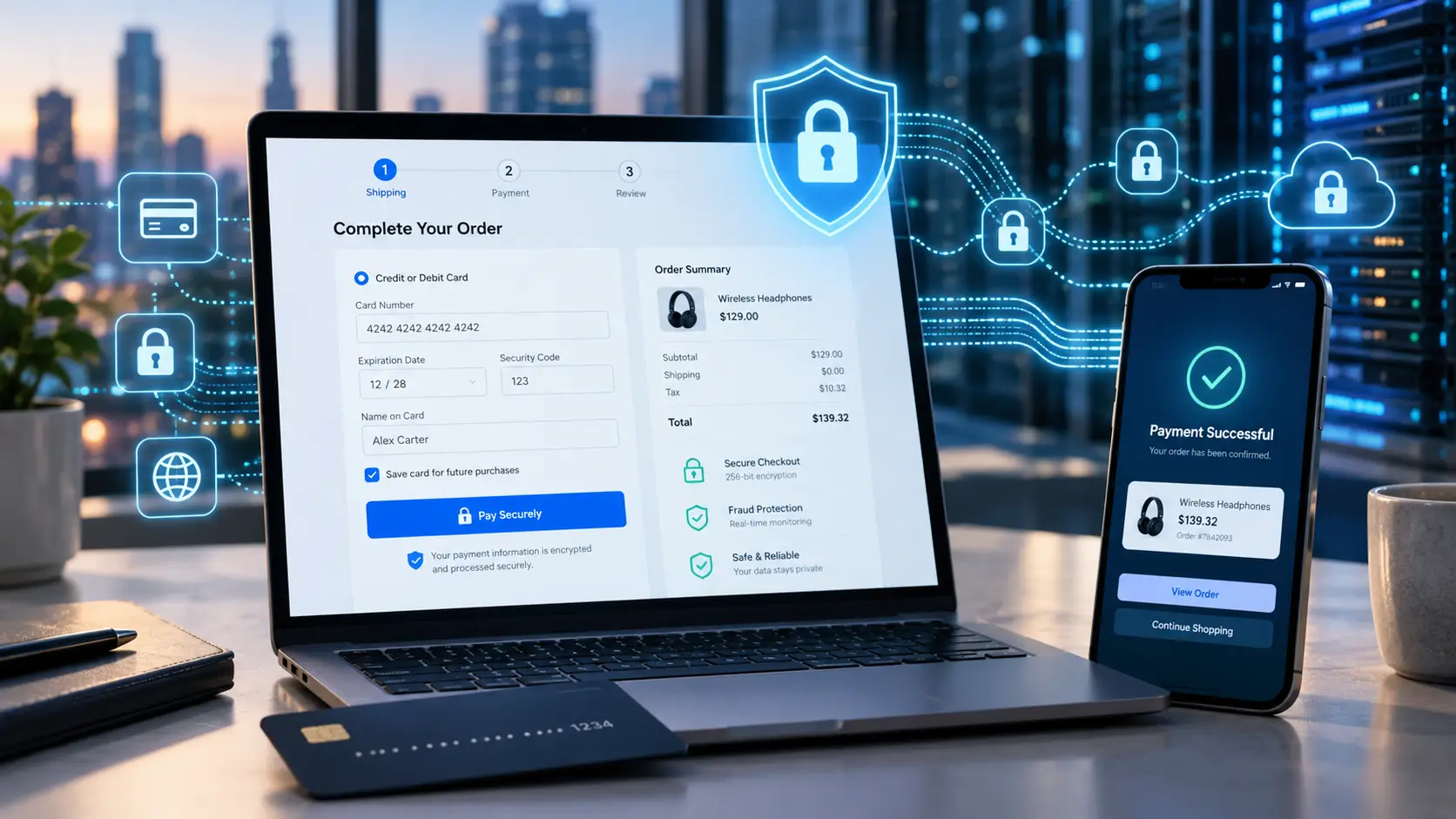
Online platforms have transformed the way people shop, subscribe to services, book appointments, transfer money, and access digital products. With millions of transactions taking place every day, payment processing has become one of the most important components of a successful digital business. However, convenience must be balanced with security. A secure payment infrastructure protects sensitive financial information, reduces fraud, and helps online platforms maintain the trust of their customers.
For platforms ranging from e-commerce marketplaces to digital entertainment services such as XGSLOT88, creating a secure payment environment is essential for maintaining customer confidence. Users expect transactions to be processed quickly while their personal and financial information remains protected. Even a single security incident can damage a platform’s reputation and cause customers to reconsider whether they should continue using the service.
Protecting Sensitive Customer Information
Every online transaction can involve highly sensitive information, including payment card details, account credentials, billing information, and personal data. If this information is poorly protected, cybercriminals may attempt to intercept or steal it.
Secure payment infrastructure uses technologies such as encryption and tokenization to reduce the exposure of sensitive information. Instead of storing raw payment details wherever possible, tokenization can replace them with unique digital tokens that are less useful to attackers if compromised. Encryption also helps ensure that information remains protected while it is being transmitted between customers, payment providers, and platforms.
For online businesses, these security measures are not simply technical upgrades. They are essential safeguards for protecting customers and reducing the potential impact of data breaches.
Reducing Payment Fraud
Payment fraud is a major concern for online platforms. Fraudsters may use stolen cards, compromised accounts, automated attacks, or other techniques to make unauthorized purchases. A platform that fails to detect suspicious transactions can face financial losses, chargebacks, and reputational damage.
Modern payment infrastructure can incorporate fraud detection and risk management tools that analyse transactions for unusual behaviour. Factors such as transaction value, location, purchasing patterns, device information, and transaction frequency can help identify potentially fraudulent activity.
Advanced systems can also use machine learning and behavioural analysis to identify patterns that traditional rule-based systems may miss. The goal is to stop suspicious transactions without unnecessarily blocking legitimate customers.
Building Customer Trust
Customers are more likely to complete transactions when they believe their payment information is secure. A platform may offer an excellent product or service, but concerns about payment security can cause customers to abandon their purchase.
Visible security measures, trusted payment methods, secure checkout processes, and reliable authentication can create confidence. A smooth and secure payment experience also contributes to a platform’s overall reputation.
Trust is particularly important for newer online businesses. Establishing strong payment security from the beginning can help demonstrate that customer protection is a priority rather than an afterthought.
Supporting Regulatory and Industry Requirements
Online platforms operating in different markets may need to comply with various financial, privacy, and payment security requirements. Depending on the business model and location, these may include requirements related to payment card security, customer authentication, data protection, and transaction monitoring.
A properly designed payment infrastructure helps businesses incorporate these requirements into their operational processes. Compliance should not be viewed merely as a legal obligation. Strong security practices can reduce vulnerabilities and establish more consistent procedures for handling financial information.
Businesses should work with qualified payment providers and security professionals to understand which requirements apply to their specific operations.
Improving Reliability and Business Continuity
Security is only one part of a strong payment infrastructure. Reliability is equally important. If customers cannot complete transactions because a payment system is unavailable, an online platform can lose revenue and potentially lose customers.
Modern payment architectures can provide redundancy, monitoring, automated alerts, and multiple processing options. These capabilities can help businesses identify outages quickly and maintain payment availability when individual components experience problems.
Reliable infrastructure is especially important for platforms handling high transaction volumes, where even a short interruption can affect a large number of customers.
Preparing for Future Digital Threats
Cybersecurity threats continue to evolve. Attackers constantly develop new methods for exploiting vulnerabilities, while online platforms introduce new payment methods, applications, and integrations.
For this reason, payment security should be treated as an ongoing process rather than a one-time implementation. Regular security assessments, software updates, access controls, vulnerability testing, and employee awareness can help businesses adapt to emerging threats.
Platforms should also carefully evaluate third-party services. Payment gateways, plugins, APIs, analytics tools, and other integrations can introduce additional security considerations. Limiting unnecessary access and monitoring connected services can reduce potential attack surfaces.
Secure payment infrastructure is fundamental to the success of modern online platforms. It protects sensitive customer information, reduces fraud, supports regulatory requirements, improves payment reliability, and strengthens consumer trust.
As digital commerce continues to expand, businesses cannot afford to treat payment security as an optional feature. A well-designed payment environment combines encryption, authentication, fraud prevention, monitoring, reliable processing, and responsible data management. By investing in security from the beginning and continuously improving their systems, online platforms can create safer experiences for customers while protecting their own financial and operational interests.