Luxury watchmaking has entered a more discerning era—one defined less by mechanical bravado and more by cultural authority, design permanence, and the evolving buying power of women collectors. In 2026, the most influential watch houses are those that understand restraint as well as relevance, where heritage is preserved but never allowed to calcify.
What emerges is not a disruption of traditional horology, but a quiet recalibration—one in which long-established maisons now share space with style-driven houses that have earned genuine watchmaking legitimacy.
Cartier
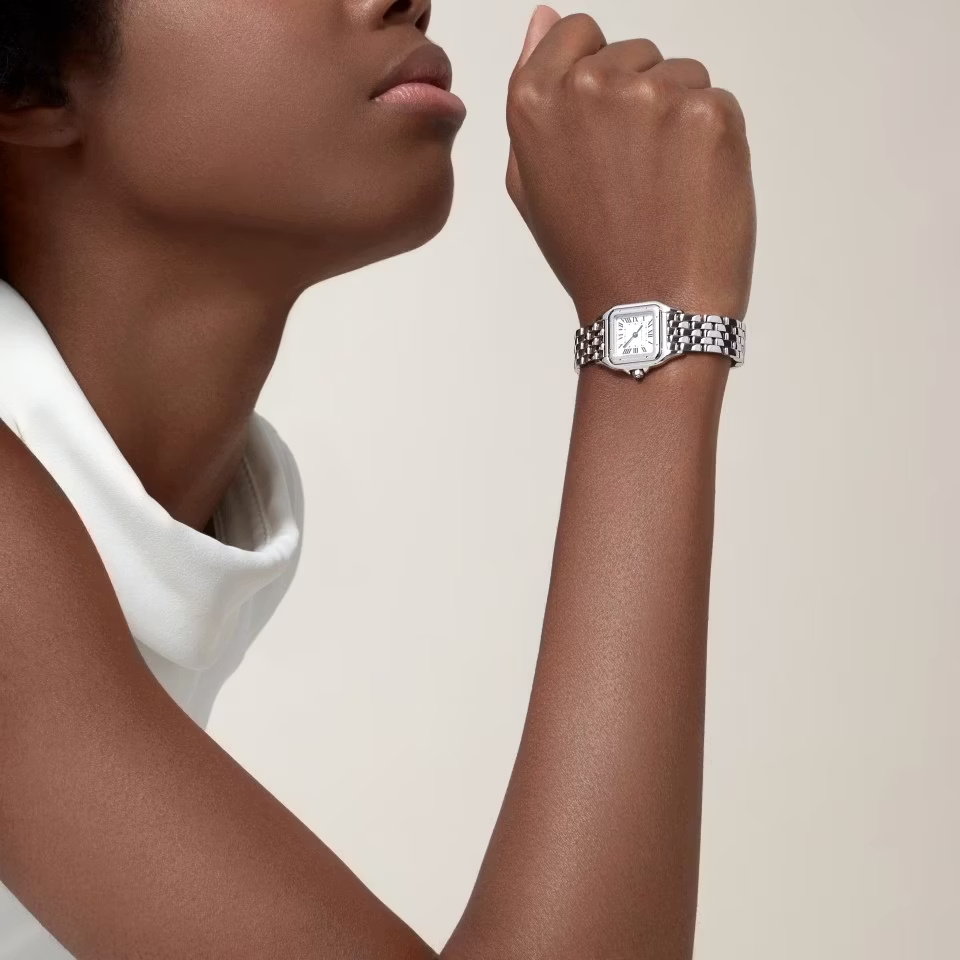
Few watch houses occupy the cultural position Cartier holds today. Its designs feel immune to era or trend, moving effortlessly between jewelry and horology without compromising either. The Tank, Panthère, and Ballon Bleu are not merely successful models; they are visual shorthand for taste itself. In an industry increasingly shaped by women collectors, Cartier’s authority feels inevitable rather than engineered.
Rolex
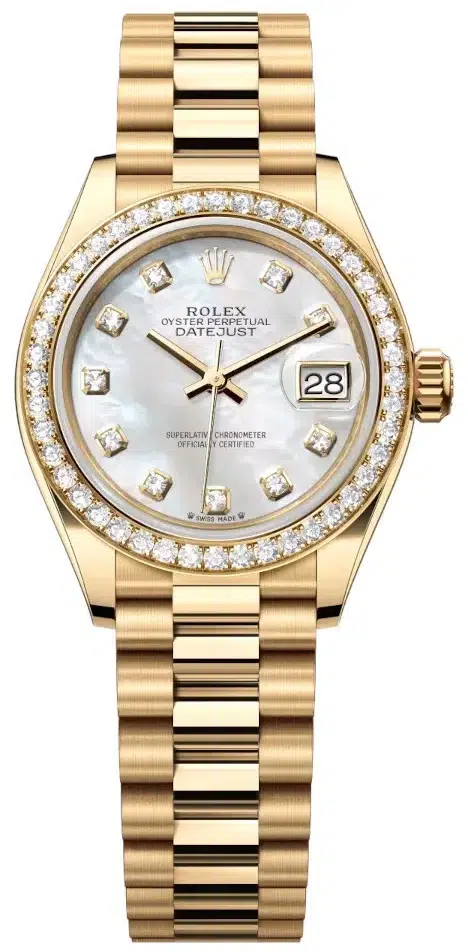
Rolex continues to define permanence in watchmaking. While its reputation has long been anchored in sport and precision, its women’s collections—particularly the Lady-Datejust—remain among the most consistently traded and collected watches globally. The brand’s power lies in its refusal to chase cultural shifts; instead, the market bends quietly in its direction.
Chanel
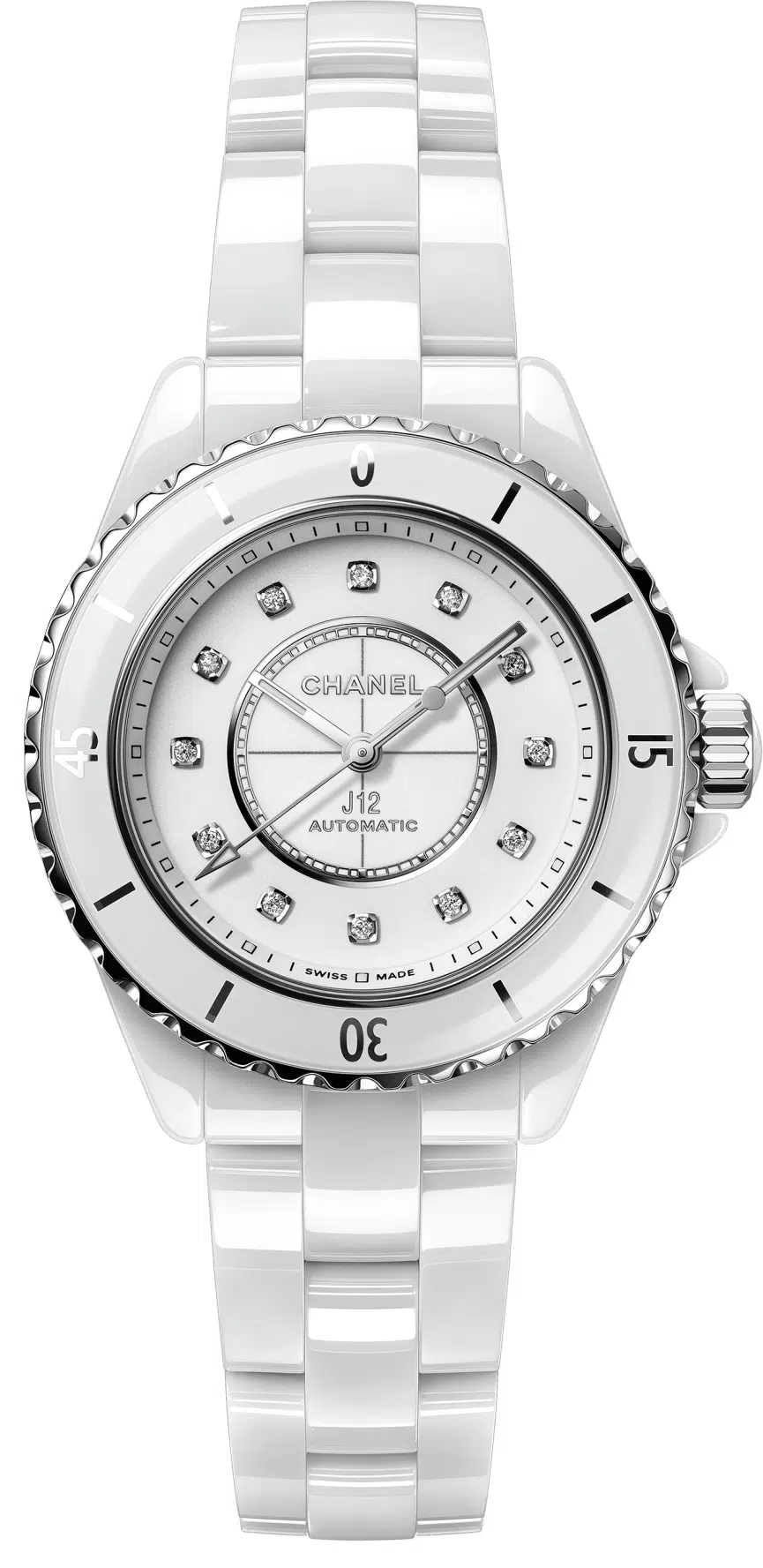
Chanel’s position in watchmaking is no longer a question of legitimacy but of influence. The J12 changed the visual language of modern watches, introducing ceramic as both a technical material and an aesthetic signature. The Première, by contrast, remains resolutely Parisian—minimal, symbolic, and unapologetically elegant. In 2026, Chanel stands as a rare example of a fashion house that has not only entered horology but reshaped it.
Patek Philippe
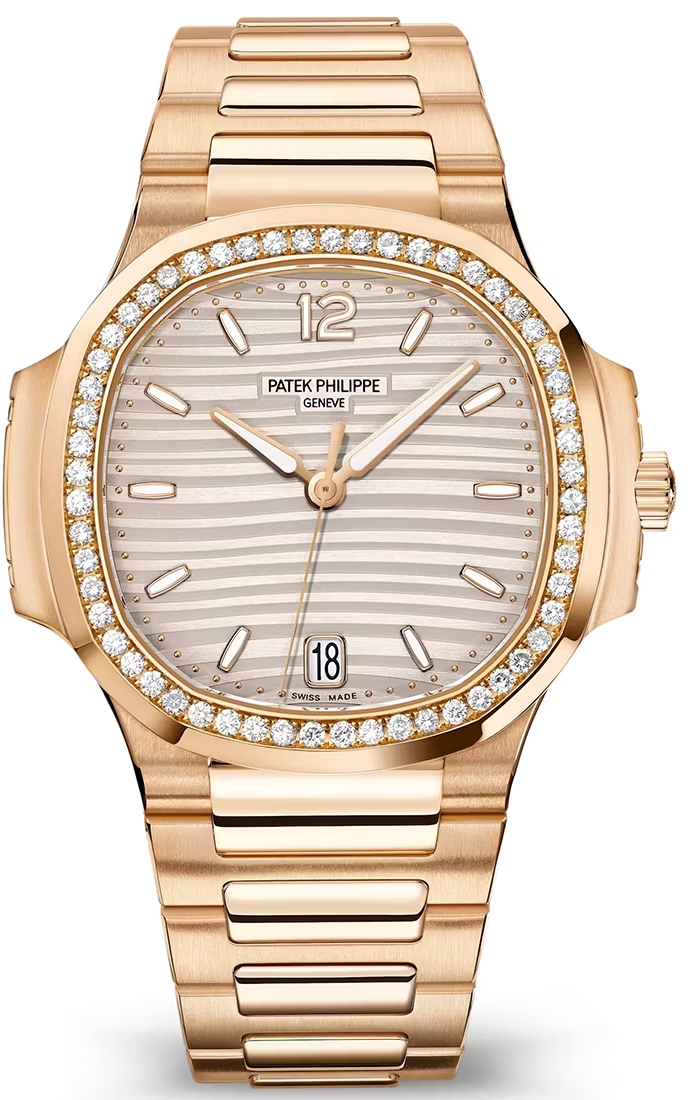
Patek Philippe exists beyond fashion cycles or market noise. Its appeal rests in longevity—watches conceived as heirlooms rather than statements. For collectors, ownership is less about display and more about stewardship. Its women’s pieces reflect the same philosophy: discreet, technically assured, and immune to trend.

Audemars Piguet
Audemars Piguet remains one of the few houses to successfully merge bold design with horological credibility. The Royal Oak, now firmly embraced by women collectors, feels architectural rather than ornamental—an object of design as much as timekeeping. The brand’s strength lies in consistency, not expansion.
Omega
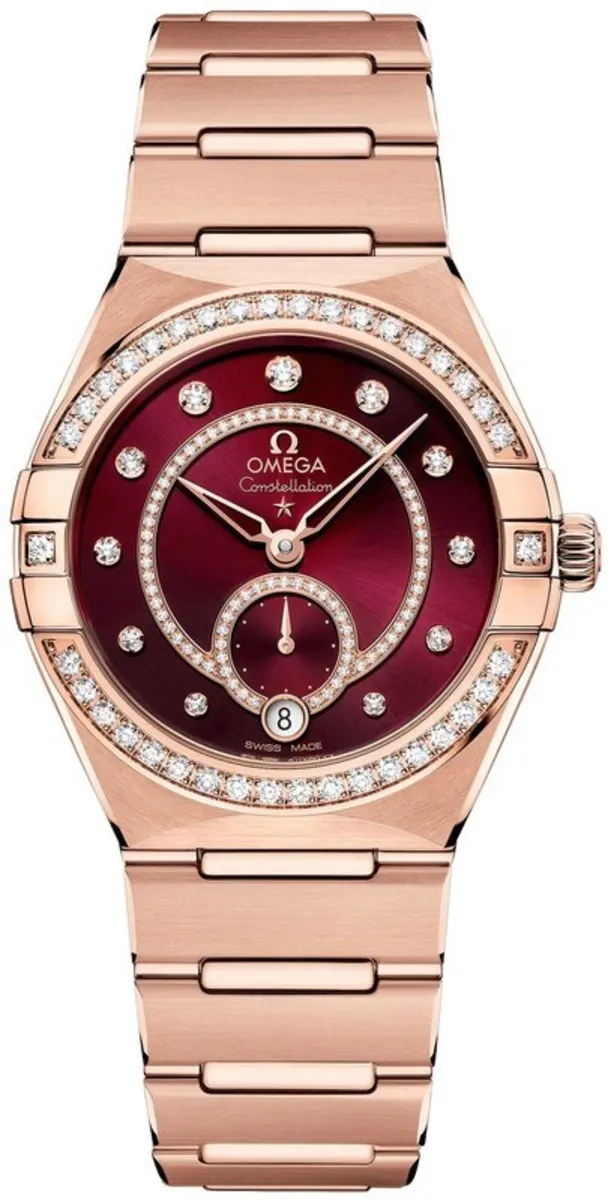
Omega’s relevance comes from balance. Its women’s collections manage to feel technically sound without sacrificing approachability. The Constellation and Seamaster lines continue to appeal to collectors seeking heritage with contemporary wearability. Few brands navigate scale and sophistication as fluidly.
Vacheron Constantin
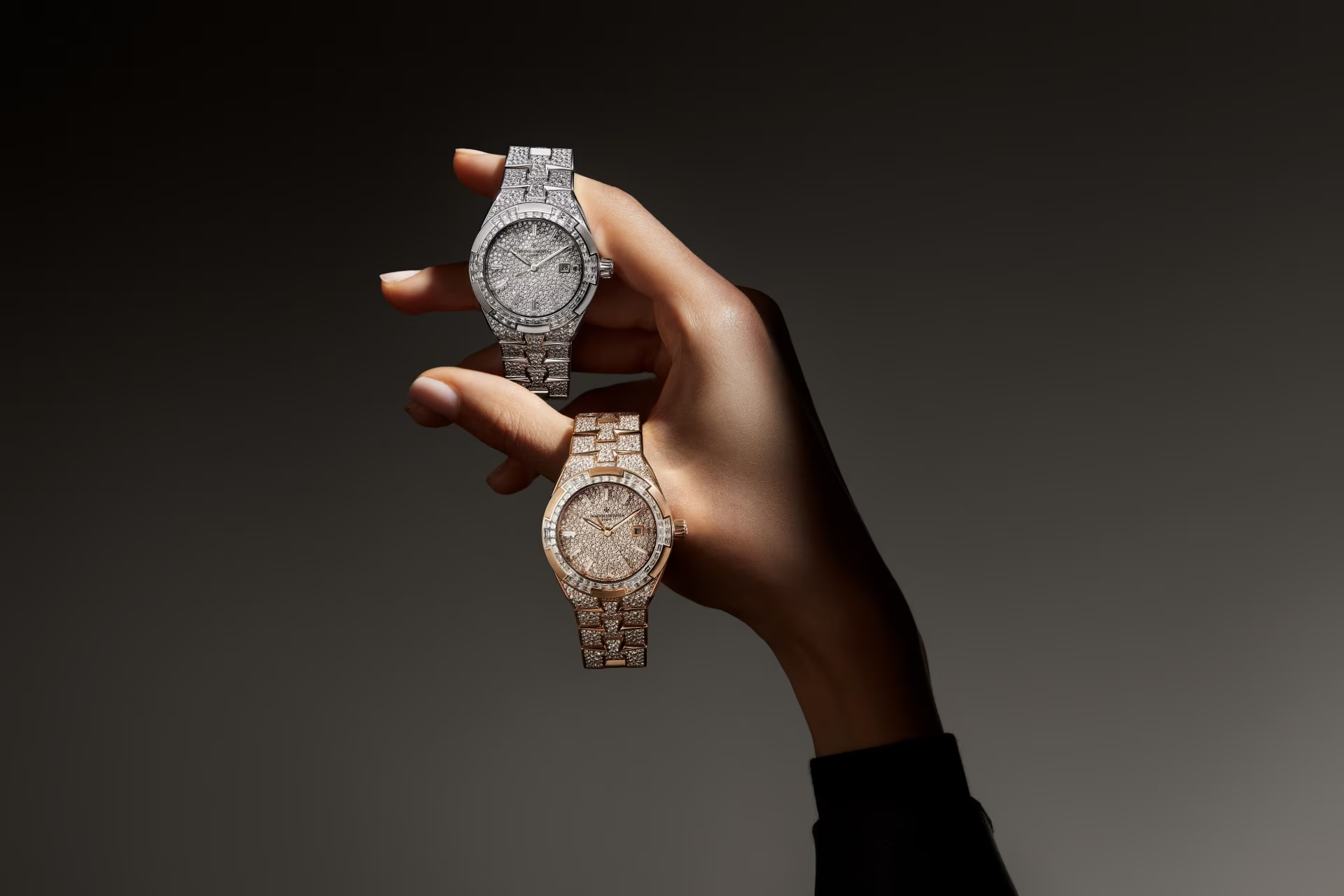
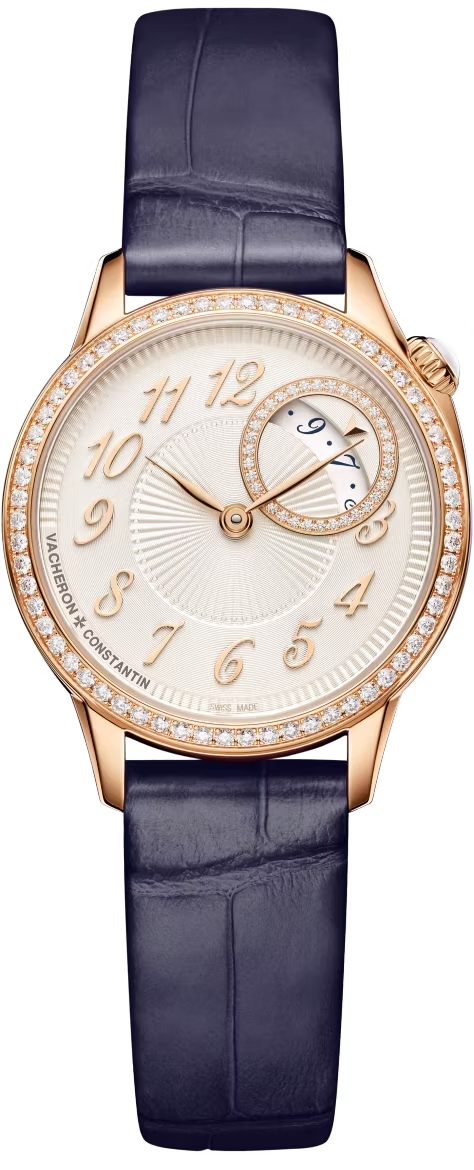
Vacheron Constantin speaks most clearly to those who listen closely. Its watches favor proportion, finishing, and classical codes over immediate recognition. For women collectors drawn to understatement, the appeal is deeply personal. This is watchmaking for those uninterested in spectacle.
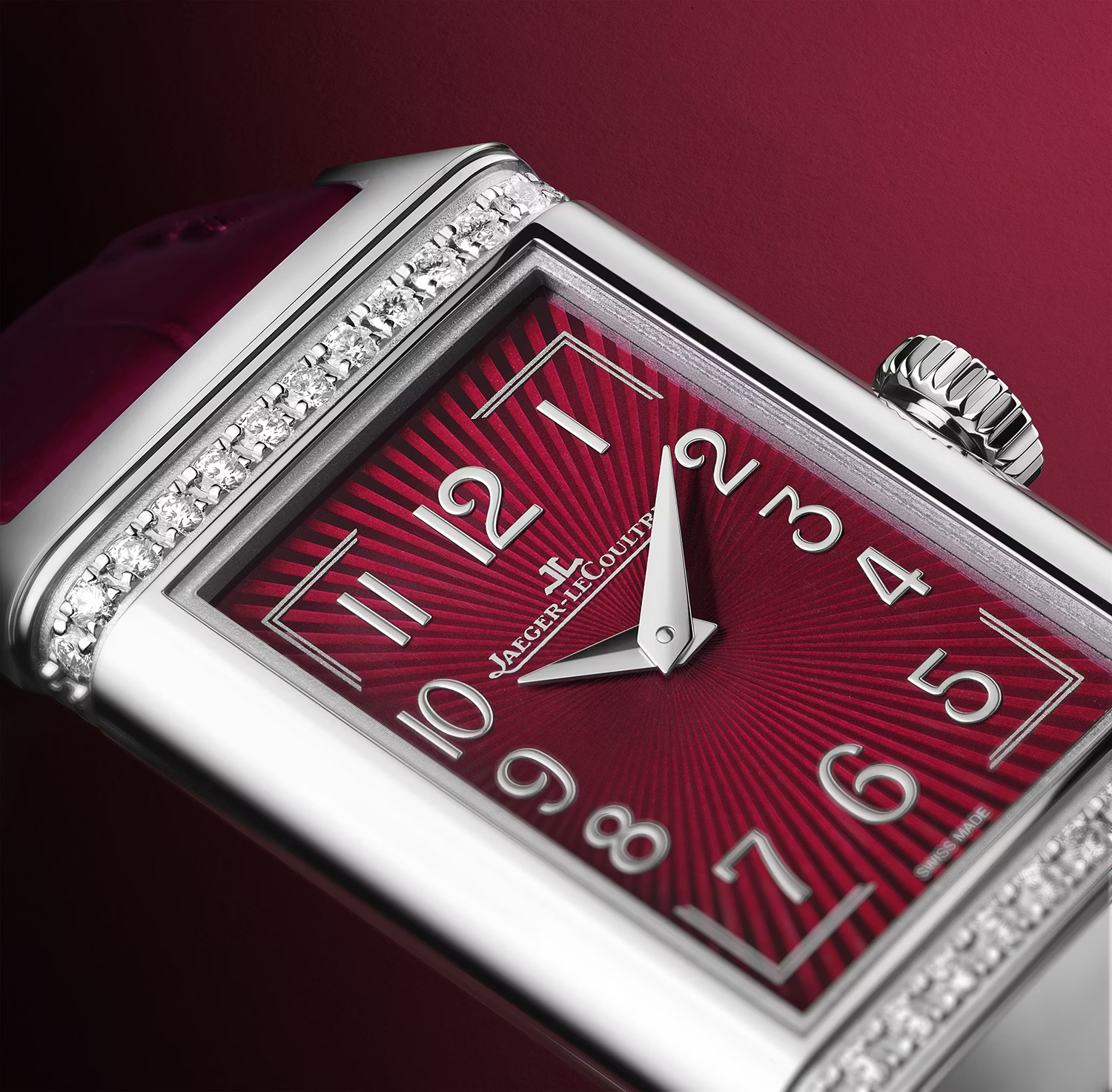
Jaeger-LeCoultre
The Reverso remains one of the most intellectually satisfying designs in watch history. Jaeger-LeCoultre’s mastery lies in its ability to balance engineering with elegance, producing watches that reward familiarity rather than attention. It is a brand best appreciated over time.
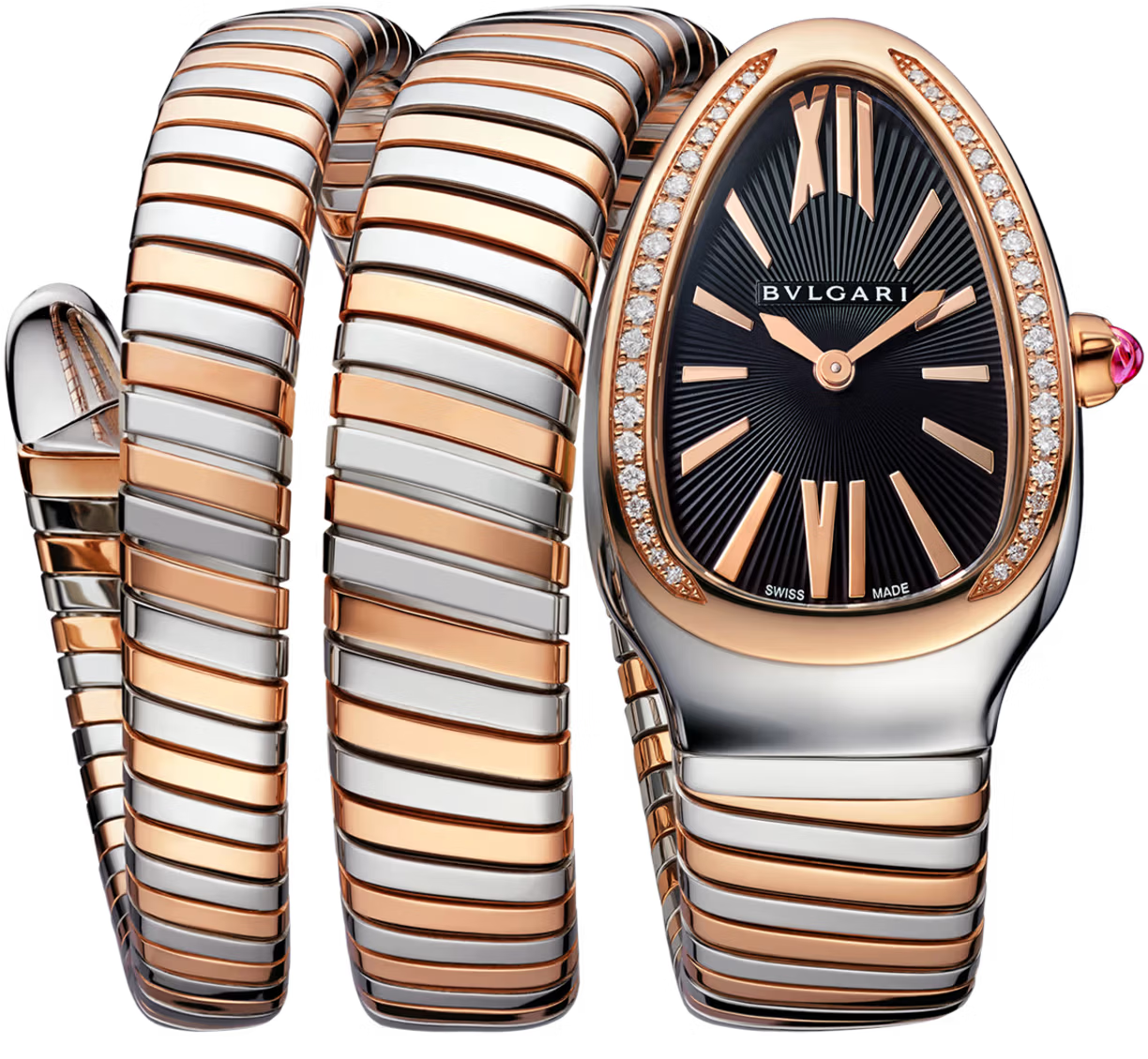
Bulgari
Bulgari continues to refine its dual identity as jeweler and watchmaker. The Serpenti has become one of the most recognizable women’s watches in the world, while the Octo has earned genuine technical respect. Italian glamour, when paired with Swiss precision, proves enduring.
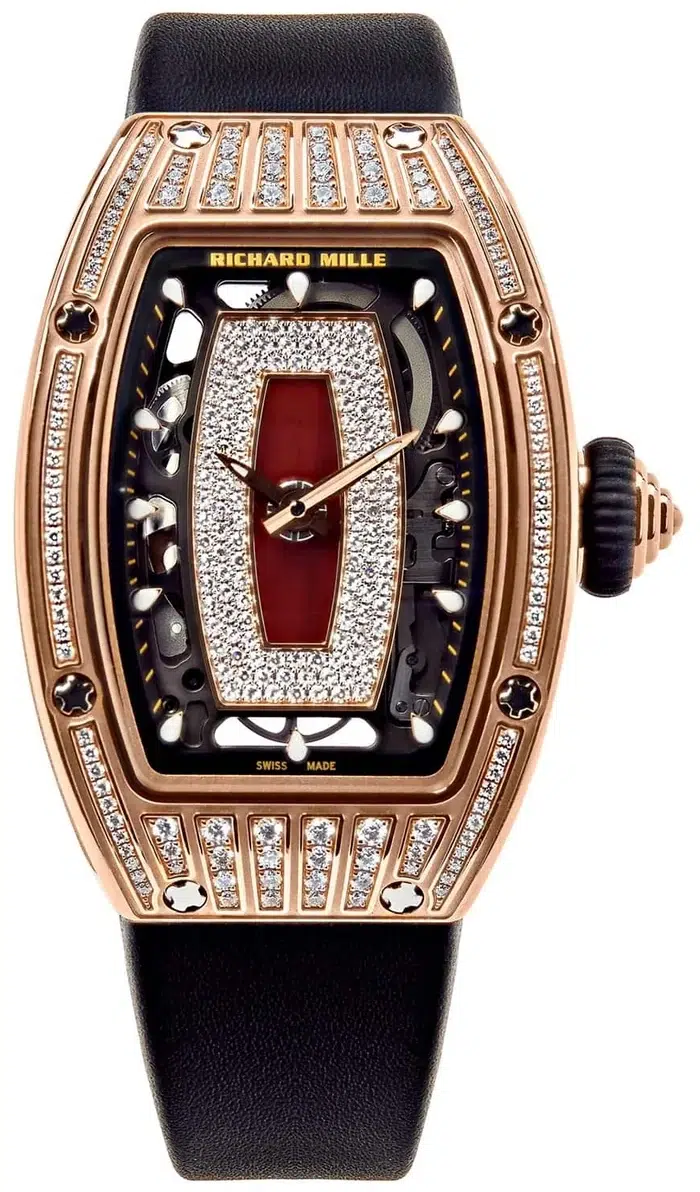
Richard Mille
Richard Mille occupies a rarefied space—where watches are conceived as kinetic sculpture. Its appeal lies not in subtlety but in engineering theatre, materials innovation, and radical visibility. For a certain collector, there is nothing else quite like it.
Looking Ahead
The most compelling luxury watches of 2026 share a common trait: confidence without excess. Whether grounded in centuries-old craft or shaped by modern design language, these houses understand that relevance today is earned not through volume, but through restraint, clarity, and cultural fluency.
In this landscape, women are no longer entering the conversation—they are directing it.