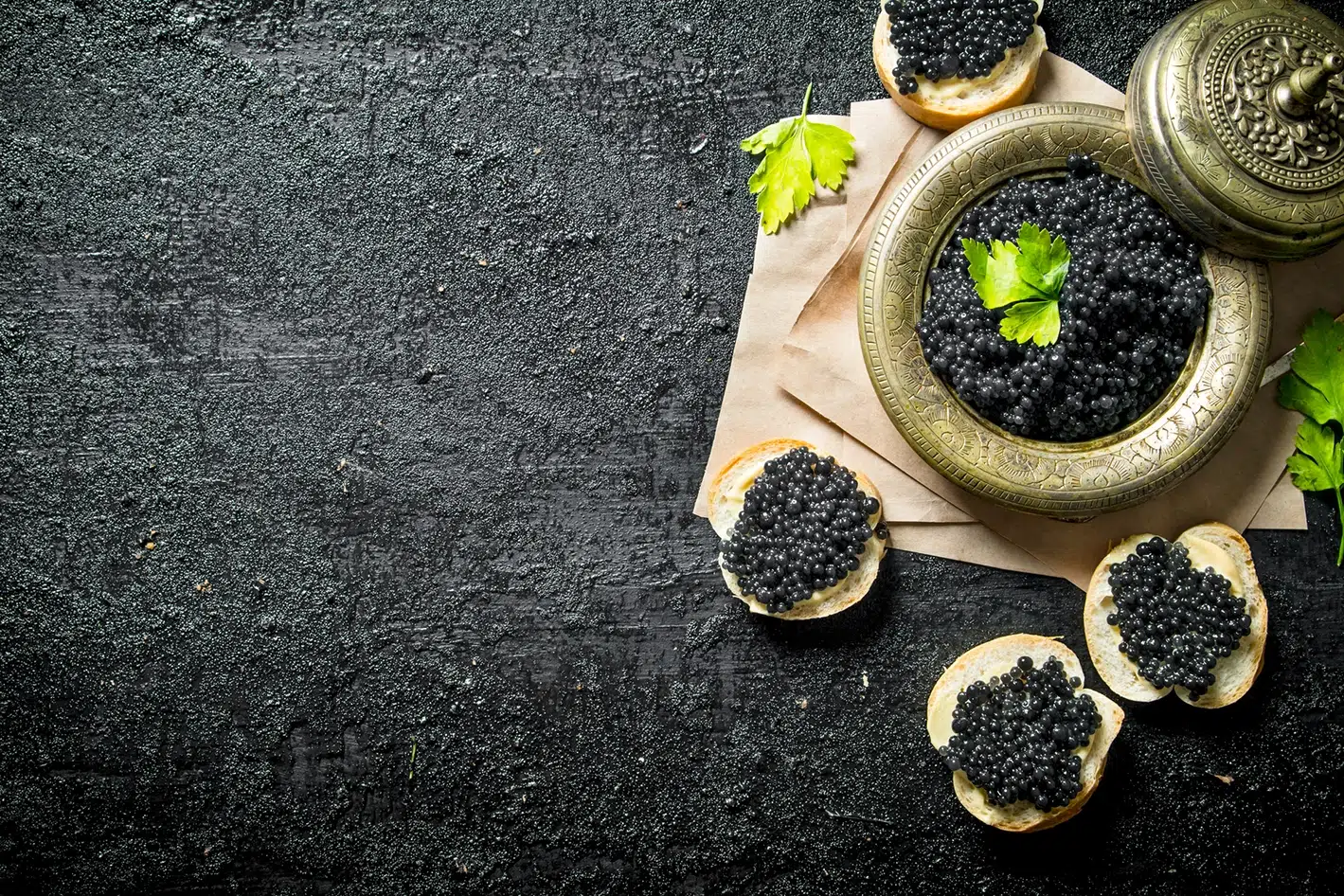
For centuries, caviar’s mythology belonged to the Caspian and Black Seas—a world of tsars, aristocrats, and icy waters. Yet today, some of the most exquisite Osetra on the market don’t come from Russia or Iran. It comes from Italy, a country whose quiet devotion to craftsmanship has reshaped the global caviar map with extraordinary finesse.
Here, among alpine rivers, Venetian waterways, and Pre-Alpine springs, the prehistoric Acipenser family has found a sanctuary. Italy’s rise is no accident; it is the result of heritage, science, terroir, and a national instinct for transforming raw ingredients into art.
A Legacy Written in Water
Italy has been connected to sturgeon far longer than modern aquaculture.
Roman texts describe early sturgeon fishing—ladano—along the Po River. During the Renaissance, river sturgeon, known as attilo, was considered a delicacy. Even Casanova credited caviar for his legendary energy, praising it as a vital source of zinc and vigor.
By the mid-1500s, Ferrara’s esteemed chef Cristofaro di Messisbugo published one of the earliest recorded recipes for fresh caviar. A century later, Venetian and Papal authorities went to diplomatic war over sturgeon rights on the Po. And in 1475, the famed text De Honesta Voluptate et Valetudine captured Italy’s growing fascination with this rare delicacy.
Caviar, in other words, is not new to Italy. What’s new is the remarkable precision of how it’s produced today.
Where the World’s Best Osetra Now Lives
The modern Italian caviar movement began in earnest in the 1980s, when white sturgeon were imported from California’s UC Davis research program. What followed was the birth of one of the world’s most sophisticated aquaculture industries.
Caviar Giaveri (Treviso)
A family of former cheese-makers, the Giaveri clan transformed a humble eel farm into a refined sturgeon sanctuary. Today, they cultivate an extraordinary range of species—Russian Sturgeon, Siberian, Starry, White, Persian, Sterlet, Adriatic, and Siberian Beluga.
Twenty-four ponds feed their river-based system on the Meolo, under the guidance of master caviar artisan Franco Fontebasso, trained by both Russian and Iranian experts. It is a place where discipline meets devotion.
Agroittica Lombarda (Calvisano, Brescia)
The world’s largest caviar farm—and a global benchmark. Producing up to 25 tons annually, Agroittica is the force behind Calvisius and Ars Italica, two of the most respected names in fine caviar. The water here originates from the Italian Pre-Alps, filtered and recycled in meticulously controlled systems that mirror natural conditions.
Their Beluga requires twenty years to mature—a reminder that luxury, sometimes, is simply patience turned into perfection.
The result: Osetra pearls with remarkable clarity, nuanced salinity, and that signature creamy, nutty depth that defines true excellence.
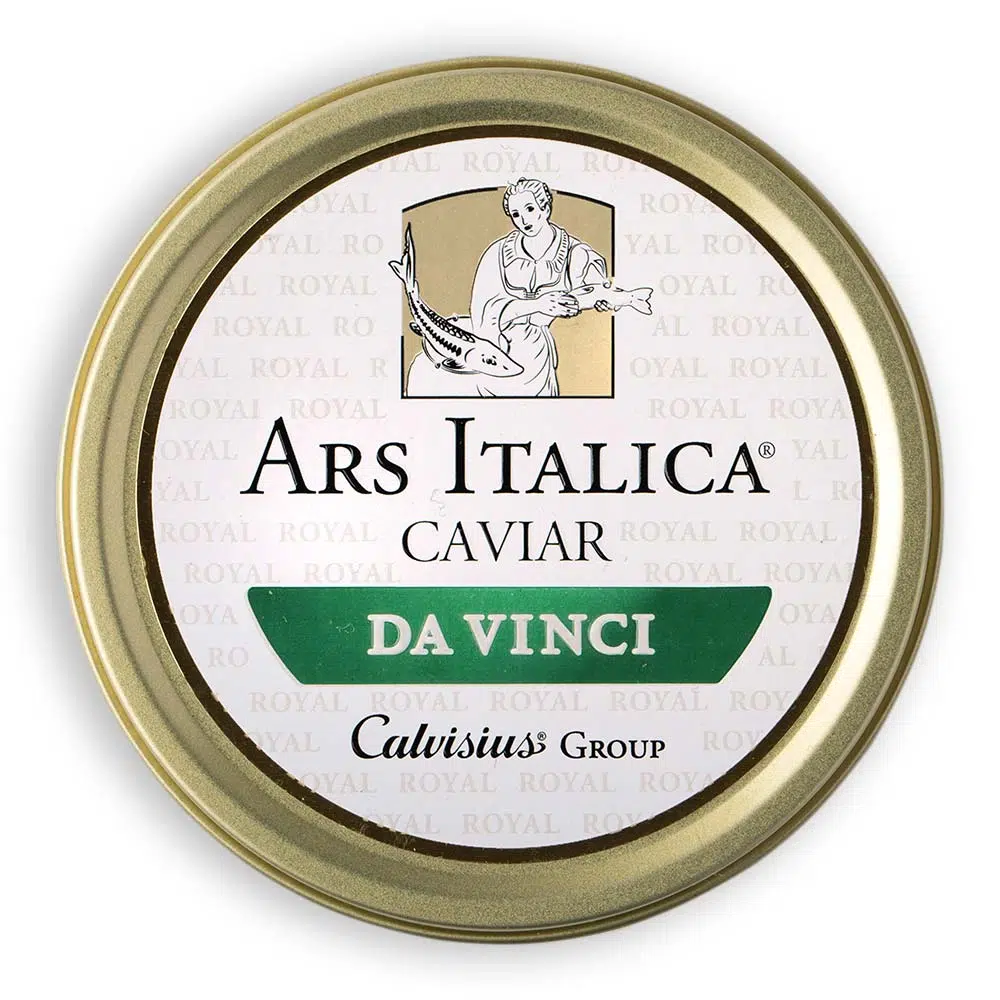
Ars Italica’s Pre-Alpine Haven
Home to more than 300,000 sturgeon, Ars Italica uses indoor incubators for the early years before moving fish to outdoor basins fed by fresh mountain water.
Carlo Dalla Rosa and his wife, Nancy D’Aiuto, oversee the entire process “egg to egg,” shaping the subtle sensory profile of caviar that reflects pure Alpine terroir. Their Oscietra Classic—firm, golden-brown, and seductively rich—is a modern Italian treasure.
A Global Market, Quietly Outshined
Yes, caviar is now produced across the world: Kaluga Queen in China, Northern Divine in Canada, Exmoor and KC Caviar in the UK, Karat Caviar in Israel, plus farms in Madagascar, Malaysia, Poland, Germany, Spain, and Saudi Arabia.
But Italy, with its generations of culinary discipline, natural spring-fed waters, and scientific rigor, has emerged as the most consistent source of refined Osetra—an achievement few predicted decades ago.
A Taste Rooted in Heritage
Italy’s gastronomy has always embraced caviar with imagination. In Renaissance kitchens, it was preserved, salted, and served alongside noble feasts. Today, chefs fold Italian-born caviar into risotto, cascade it over spaghetti, or pair it with the clean flavors of the northern lakes.
This marriage of past and present—ancient sturgeon, modern aquaculture, culinary artistry—creates a uniquely Italian expression of luxury.

The Quiet Brilliance of Italian Osetra
Italy didn’t set out to claim the caviar crown. It earned it slowly, meticulously, with a reverence for nature and an obsession for quality that feels unmistakably Italian.
The result is Osetra elevated—pearls that glisten with precision, heritage, and the unmistakable touch of artisans who understand that true luxury whispers.
And so Italy, once merely a chapter in caviar’s long story, has quietly become its most compelling author.