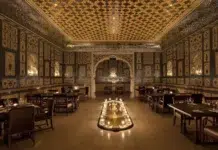
In a city where culinary tradition often leans toward reverence and precision, Bruno Verjus has quietly introduced something altogether different: improvisation. At Table, his Paris restaurant, cuisine unfolds not as a rehearsed performance but as an act of jazz, fluid, instinctive, and deeply personal.
The analogy is intentional. Verjus frequently invokes Miles Davis when describing his approach. Like the legendary musician, he believes structure exists only to be transcended. The essential goal, he says, is not to play every note, but to play the right ones.
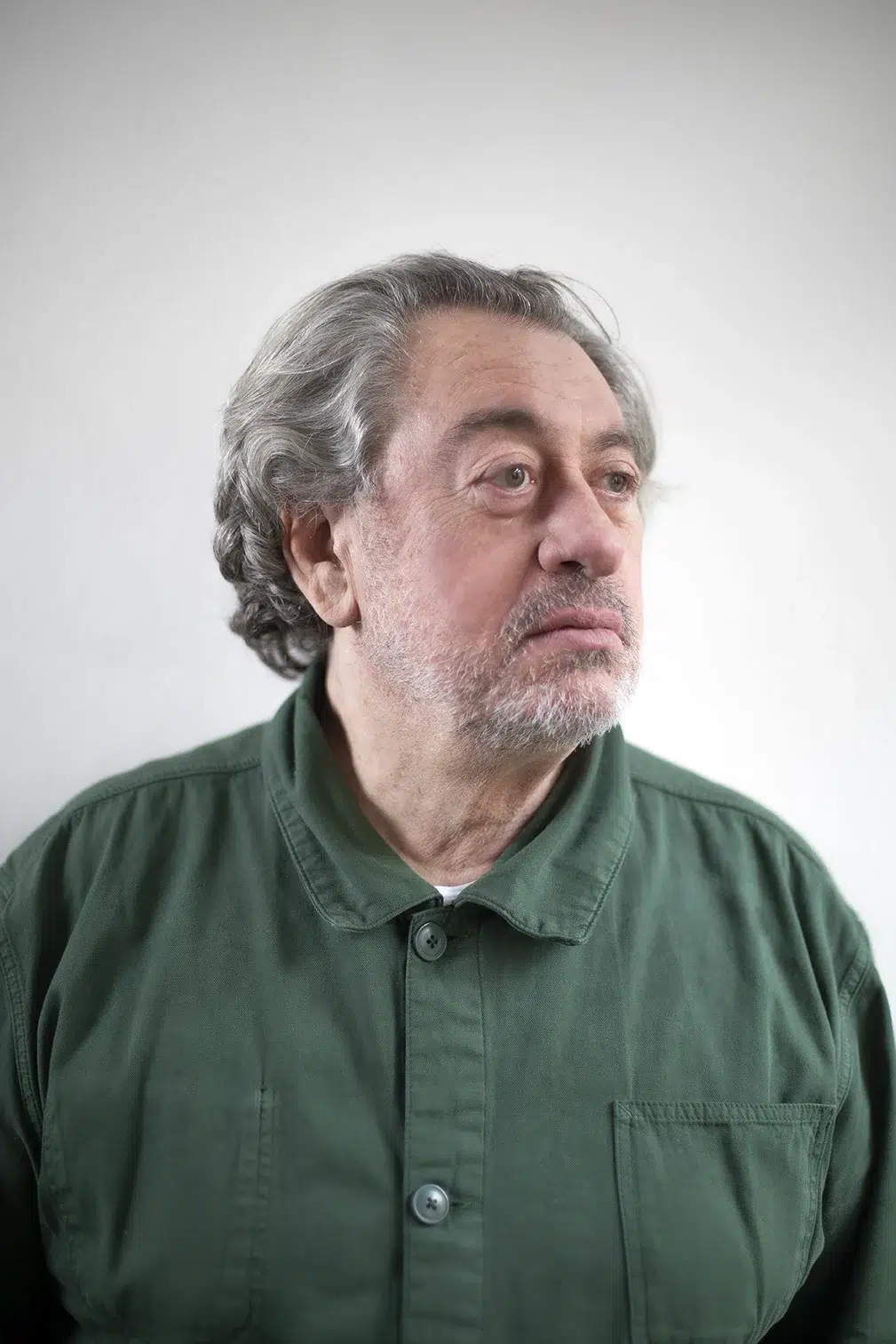
At 64, the two-Michelin-starred chef is not only one of Paris’s most compelling culinary voices but also one of its most unconventional. Table recently rose to 10th place on the World’s 50 Best Restaurants list, an achievement all the more remarkable given that Verjus opened the restaurant just a decade ago, with no formal culinary career behind him.
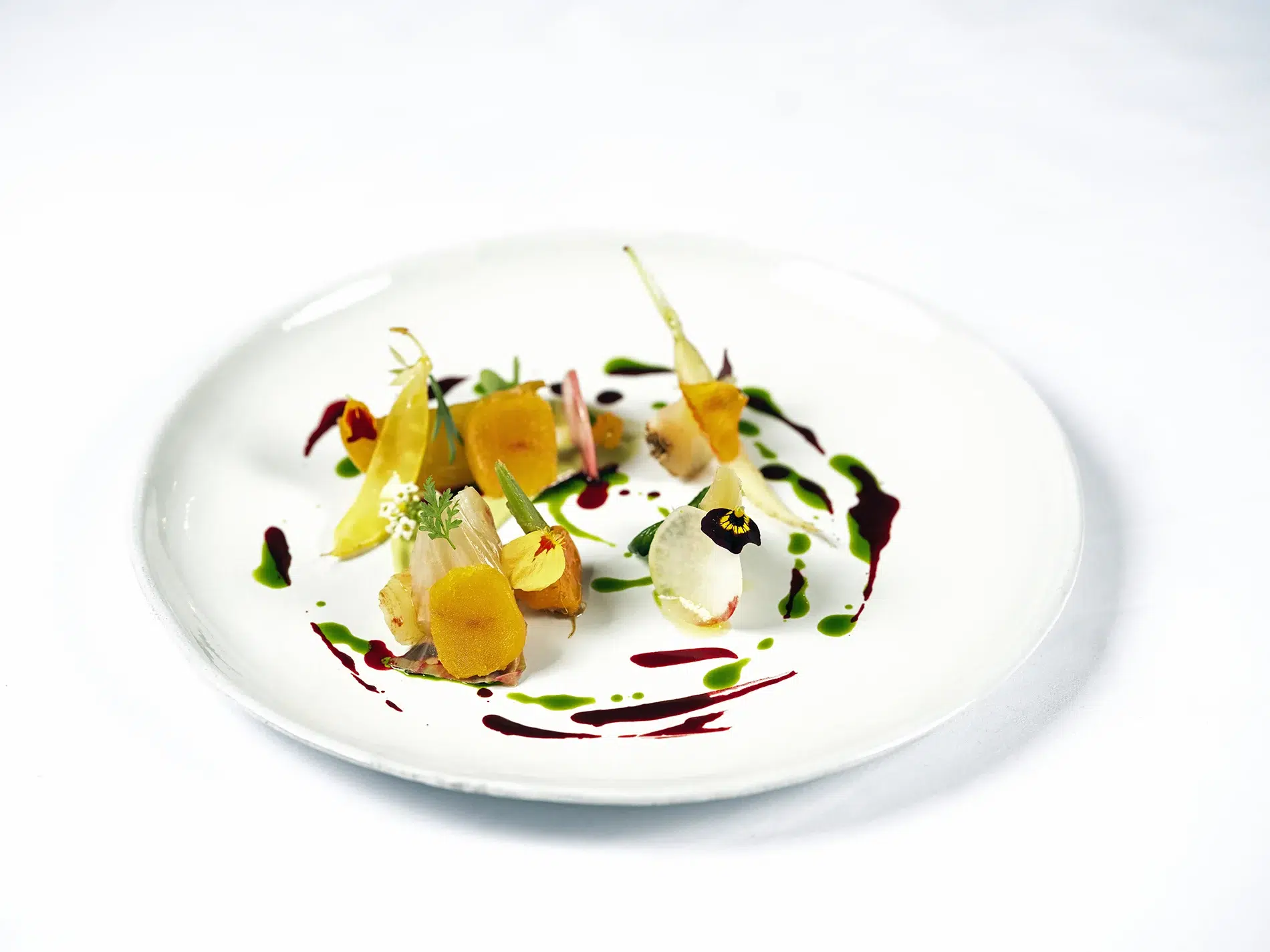
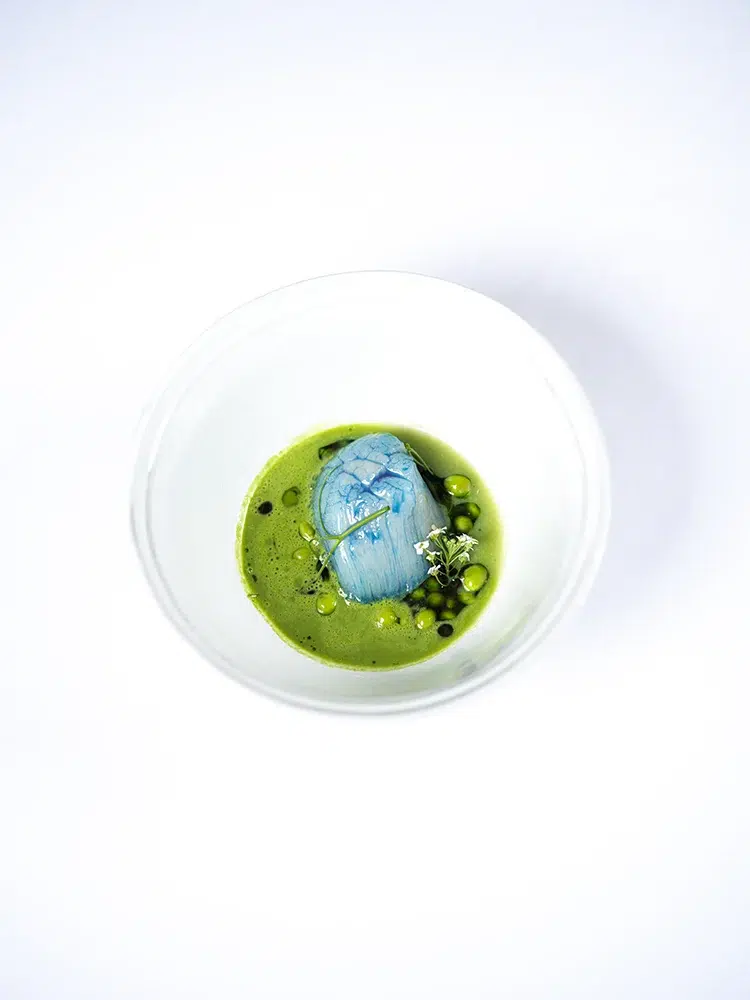
Each morning begins with anticipation. Boxes arrive from producers, and their contents dictate the day’s direction. There is no fixed menu at Table, nor could there be. The cuisine is born from what appears, not from what has been planned. For Verjus, this approach is less about spontaneity and more about trust, trust in time, in nature, and in those who cultivate the ingredients. Rather than sending suppliers a list, he allows them to select what is exceptional. The result is a tasting menu that evolves daily, shaped by season, terroir, and intuition.
 |
 |
In an era when many fine-dining experiences are meticulously controlled, Verjus consciously relinquishes that control, offering a striking contrast to some of the world’s most exceptional fine dining experiences today. Cooking, in his view, is not about domination but about welcoming. It is an act of humility, one that places the product and the guest at the center of every decision.
His path to gastronomy is anything but conventional. Verjus initially studied medicine in Lyon before traveling extensively and spending nearly two decades living in China. There, he built a successful medical-device and packaging company, which he sold in 2005. Only at the age of 50 did he turn fully toward food, first as a writer and radio host. When he eventually opened Table, he did so without the typical culinary pedigree or network.
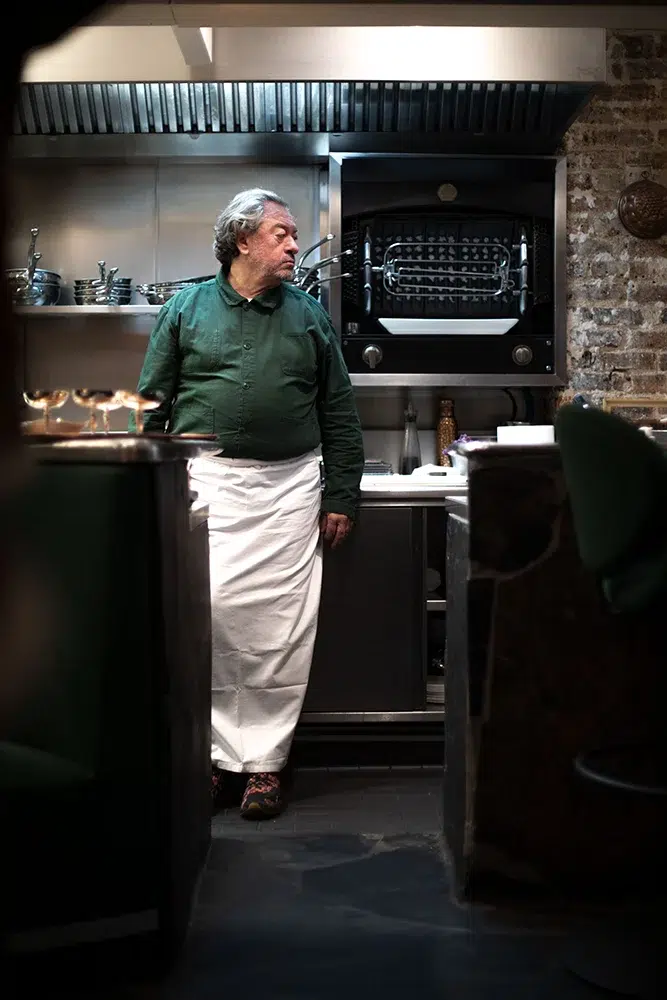
His vision was disarmingly simple: to create the kind of restaurant he himself would want to visit, one where hospitality felt genuine and the food deeply satisfying. Critics soon described his work as revolutionary, though Verjus prefers to see it as a return to fundamentals.
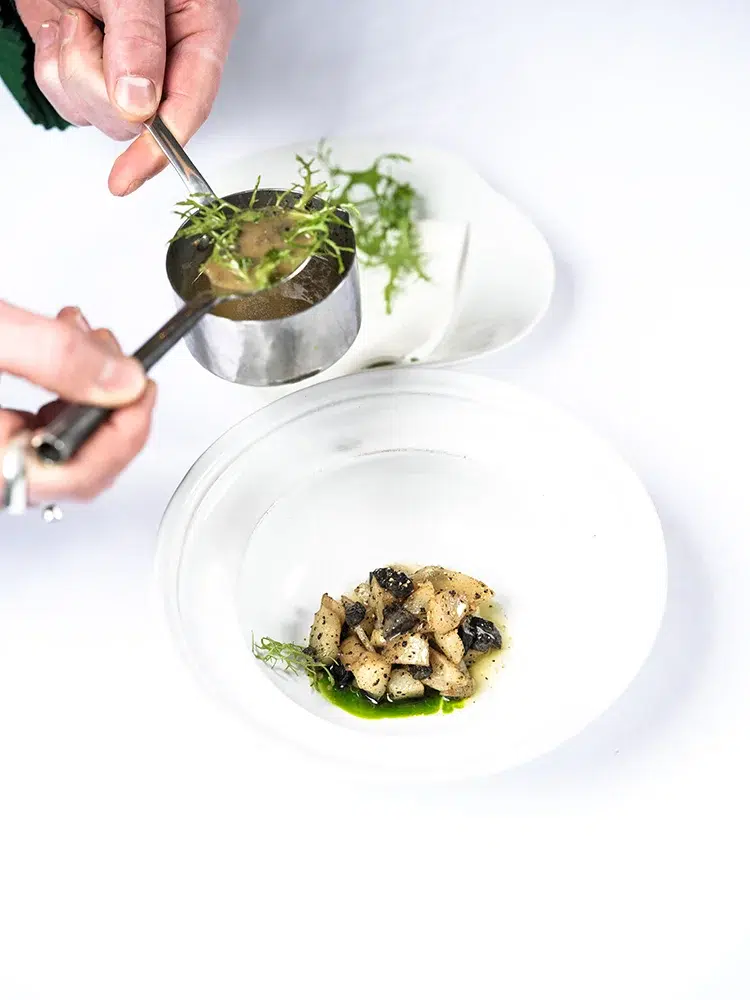
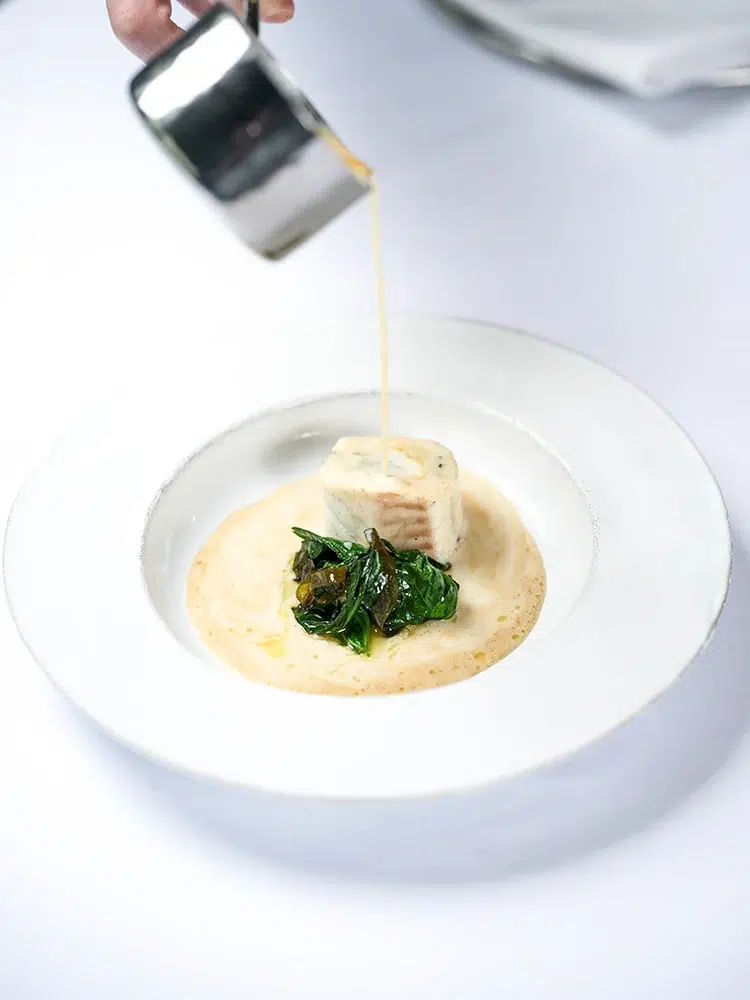
Table was conceived as a bridge between the classic Parisian bistro and the formality of haute cuisine. The ambition was to combine excellence with ease, a restaurant refined enough to impress, yet relaxed enough to return to every day. The open kitchen embodies this philosophy. Almost everything is cooked à la minute, directly in front of guests. Preparation is minimal. Sauces and certain meats may require time, but the emphasis remains on immediacy and freshness.
In Paris, where haute cuisine has long been defined by storied institutions and grand hotel dining rooms, Paris’s gastronomic destinations continue to set the standard for precision, legacy, and ritual. Yet within this rarefied landscape, a quieter shift is underway, one that favors instinct over orchestration, and presence over perfection.
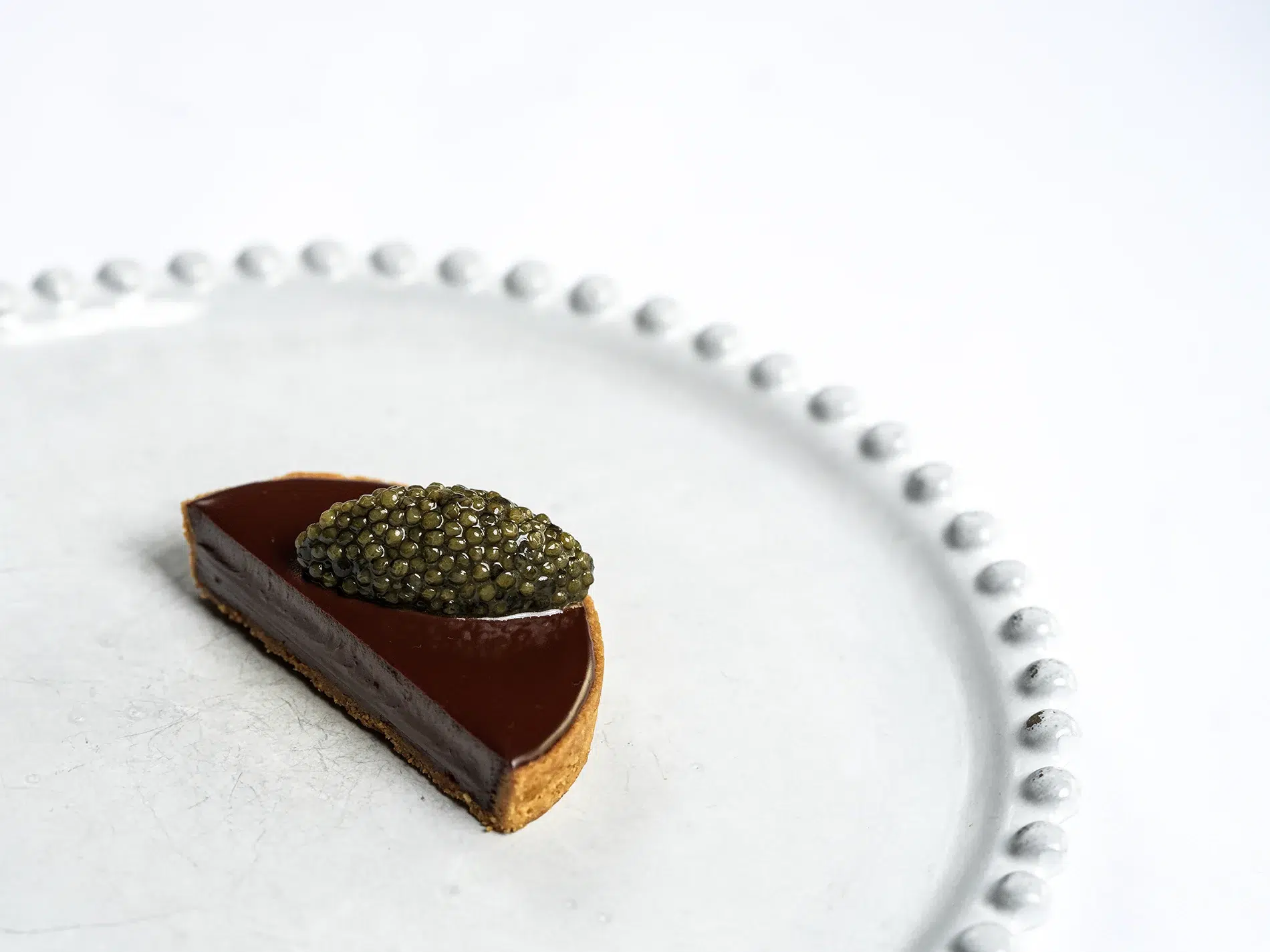
This approach reshapes not only the dining room but also the rhythm of the kitchen. Chefs are not expected to begin work at dawn. Instead, they arrive ready to cook, fully present in the moment. For diners, the experience feels both intimate and alive. There is no theatrical explanation of how to eat a dish. The food speaks for itself.
For Verjus, the greatest chefs of the past shared one defining quality: they were present. They greeted guests, cared for them, and understood that dining is, above all, a human exchange. He worries that modern gastronomy sometimes confuses spectacle with substance. At Table, attention returns to warmth, generosity, and joy.
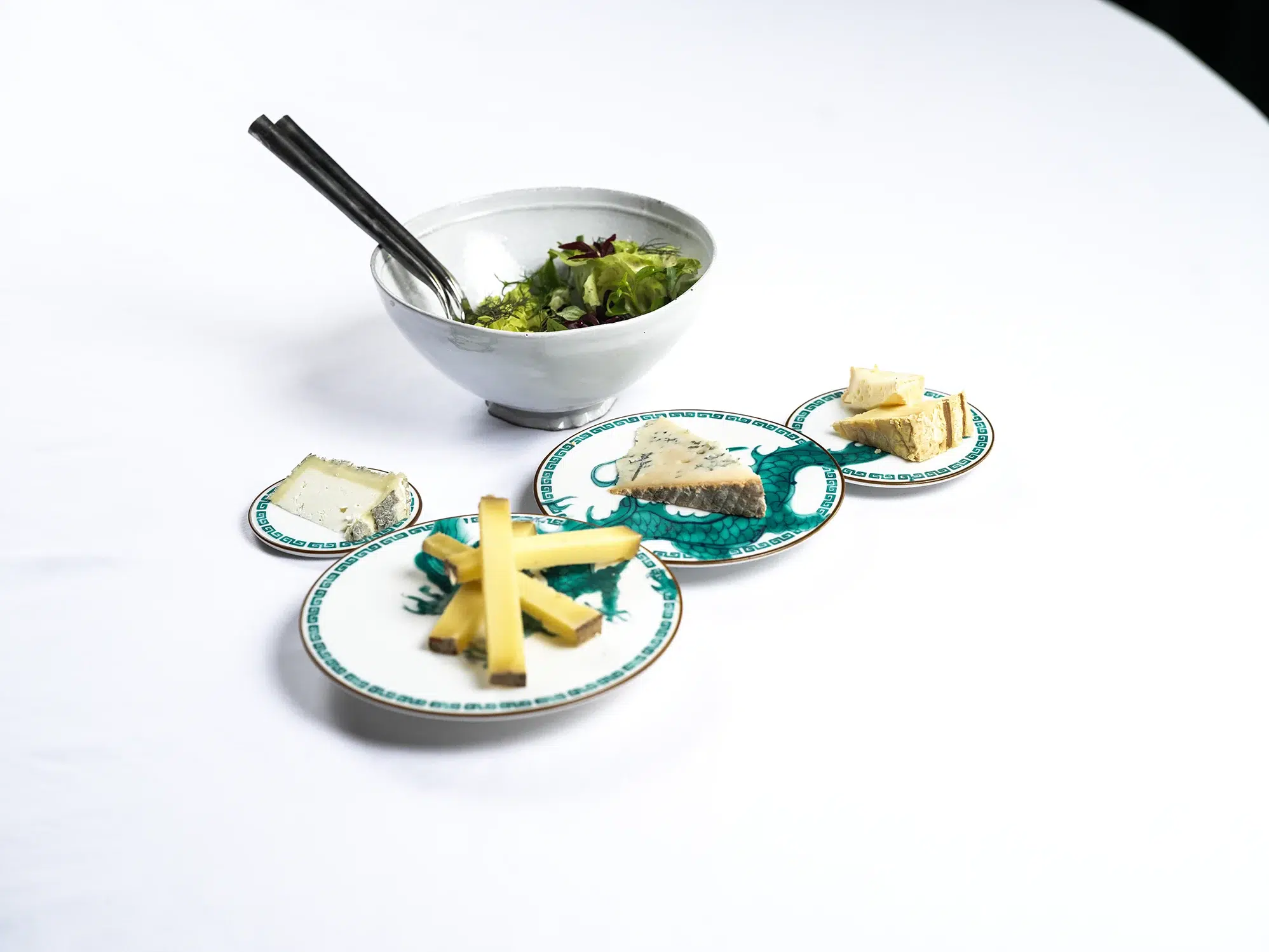
Guests are not kept waiting for the first course. Bread does not precede the meal. Instead, dishes arrive swiftly, often several at once, satisfying hunger and curiosity alike. The result is a dining room that feels unexpectedly liberated. Even seasoned travelers and gastronomes, Verjus notes, begin to relax. They laugh more. They forget their inhibitions. Occasionally, they even forget their coats.
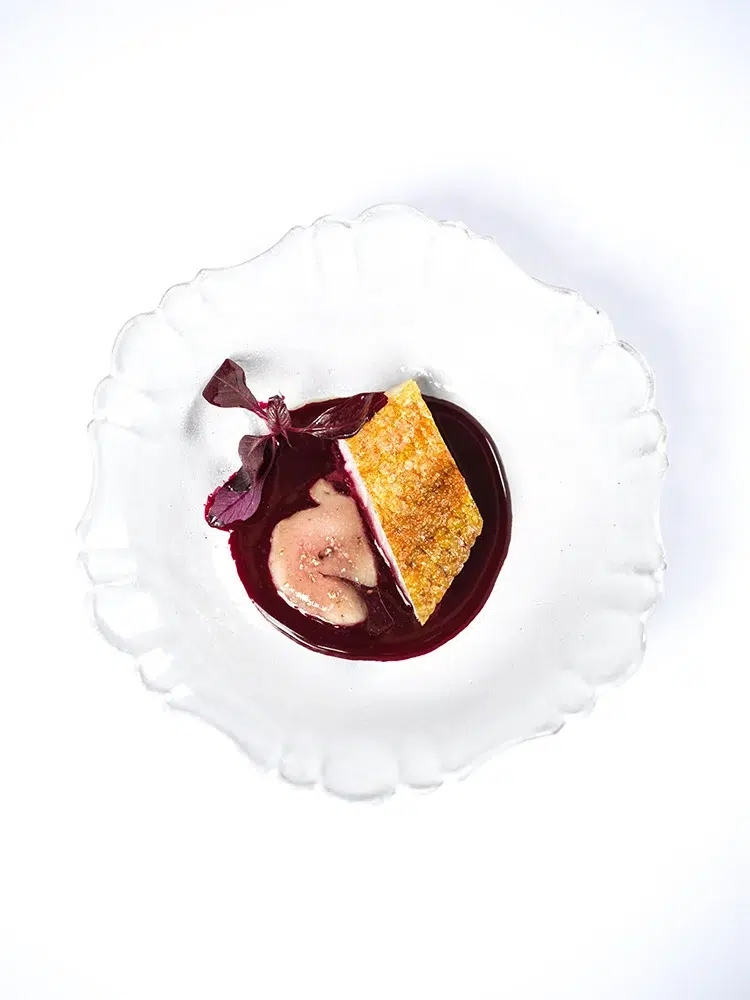
Beyond flavor, Verjus is fascinated by the emotional power of taste. He believes every great dish operates on three levels: surprise, understanding, and emotion. The final stage imprints itself in memory. Years later, a single bite can return a diner to a particular season, place, or person. This belief guides every plate at Table. The goal is not only to nourish but to create experiences that endure.
 |
 |
Despite accolades, Verjus remains reflective about his journey. Sitting in his dining room, he sometimes pauses in quiet disbelief at what has been built: a team, a family, a shared pursuit of happiness through food. If there is a revolution in his work, he believes it belongs to the next generation. His young chefs will carry forward the philosophy of freedom, intuition, and respect for the living world.
For now, he continues to improvise, guided by instinct and curiosity, playing only the essential notes. In a culinary landscape often defined by precision and control, Bruno Verjus offers something rarer: a reminder that true luxury lies in authenticity, presence, and the courage to let the moment unfold.