There was a time when the future of automotive design was revealed in controlled stages: sketch, concept, prototype, production. Today, that sequence has quietly fractured. Increasingly, some of the most compelling visions of what a luxury automobile could become are not emerging from within studios, but from individuals working beyond them. Among this new generation, Gabriel Naretto occupies a distinct position.
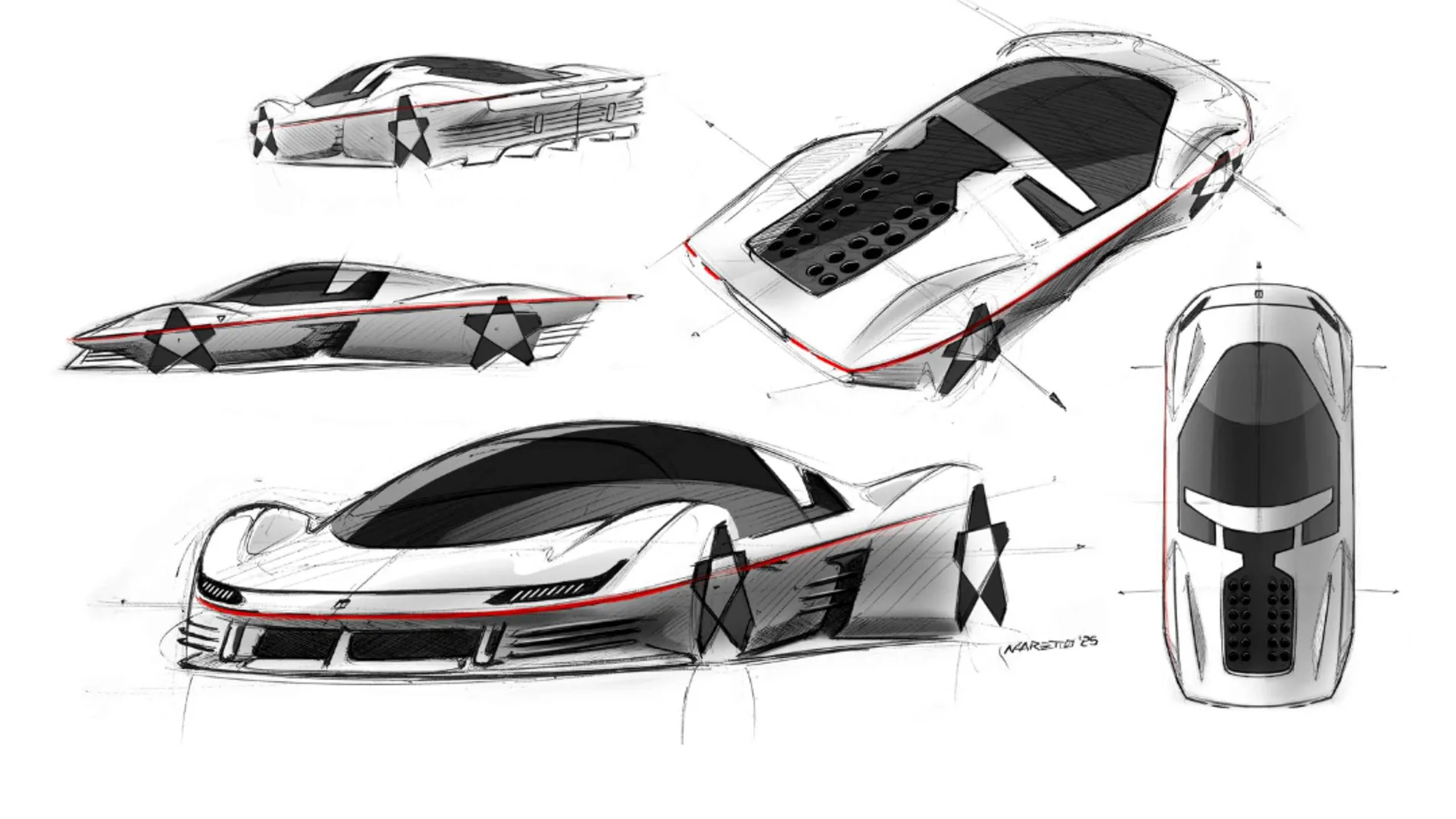
His work does not exist in metal, nor is it bound by the constraints that typically define production. Instead, it operates in a space that is at once more speculative and, paradoxically, more precise. Freed from engineering limitations, Naretto’s designs explore proportion, surface, and presence with a clarity that often feels closer to architecture than to traditional automotive styling.
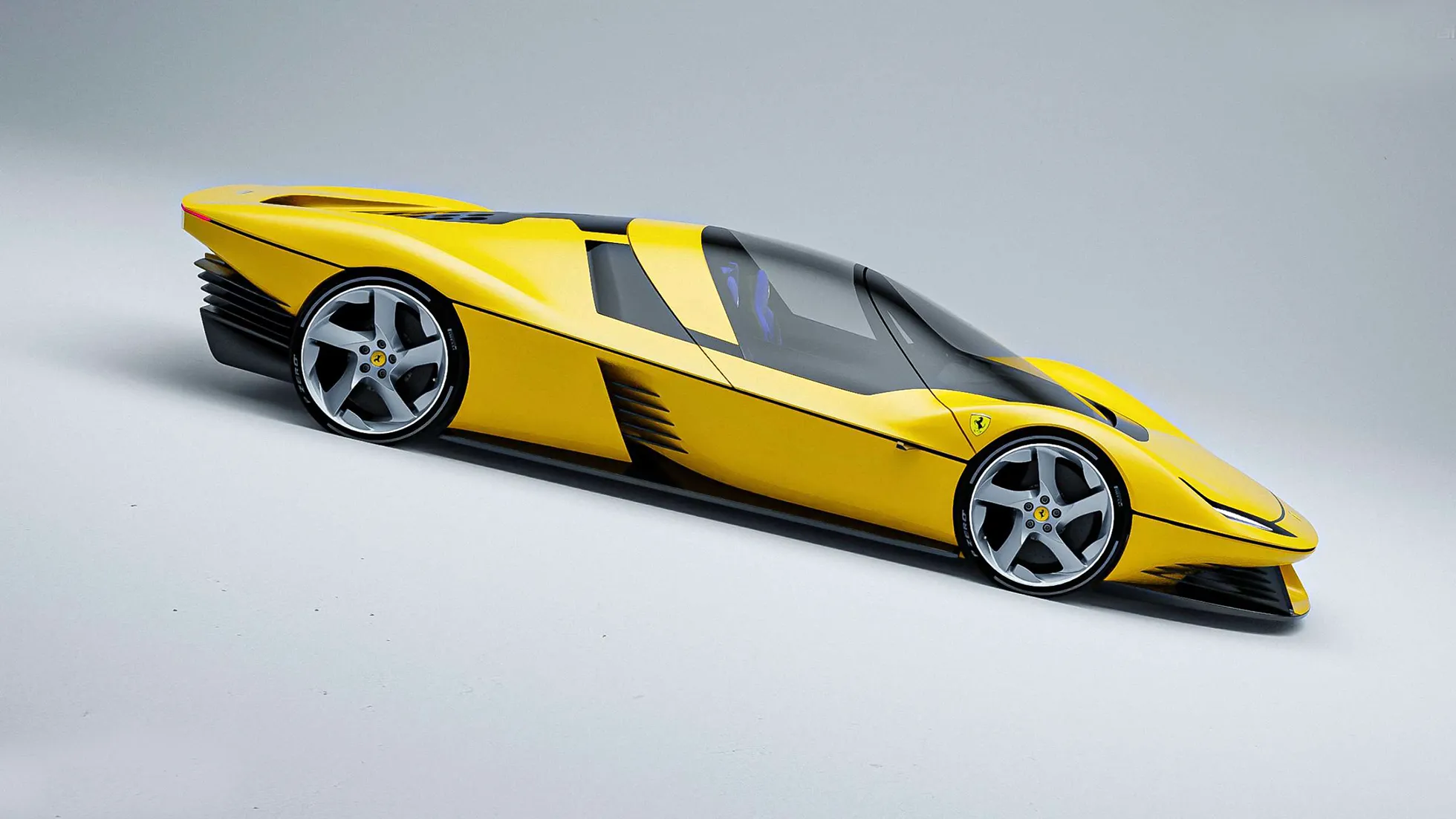
At first glance, his reinterpretations of historic forms, most notably the reimagining of the Uhlenhaut lineage, appear as extensions of an existing narrative. Look more closely, and they reveal something else entirely. They are not proposals for what should be built, but examinations of what could be resolved differently. Volume is redistributed, lines are disciplined, and the familiar is rendered with a restraint that feels intentional rather than nostalgic.
This distinction is essential. Naretto’s work does not attempt to compete with manufacturers; it operates parallel to them. Where brands must reconcile design with regulation, cost, and scalability, independent designers are able to isolate the idea itself. What remains is not a product, but a point of view.
That point of view reflects a broader shift within luxury. Increasingly, value is being placed not only on what exists, but on what is imagined with coherence and intent. The most compelling objects, whether in architecture, fashion, or automotive design, are those that feel resolved before they are realized. In this context, digital renderings are no longer preliminary exercises. They are complete expressions in their own right.
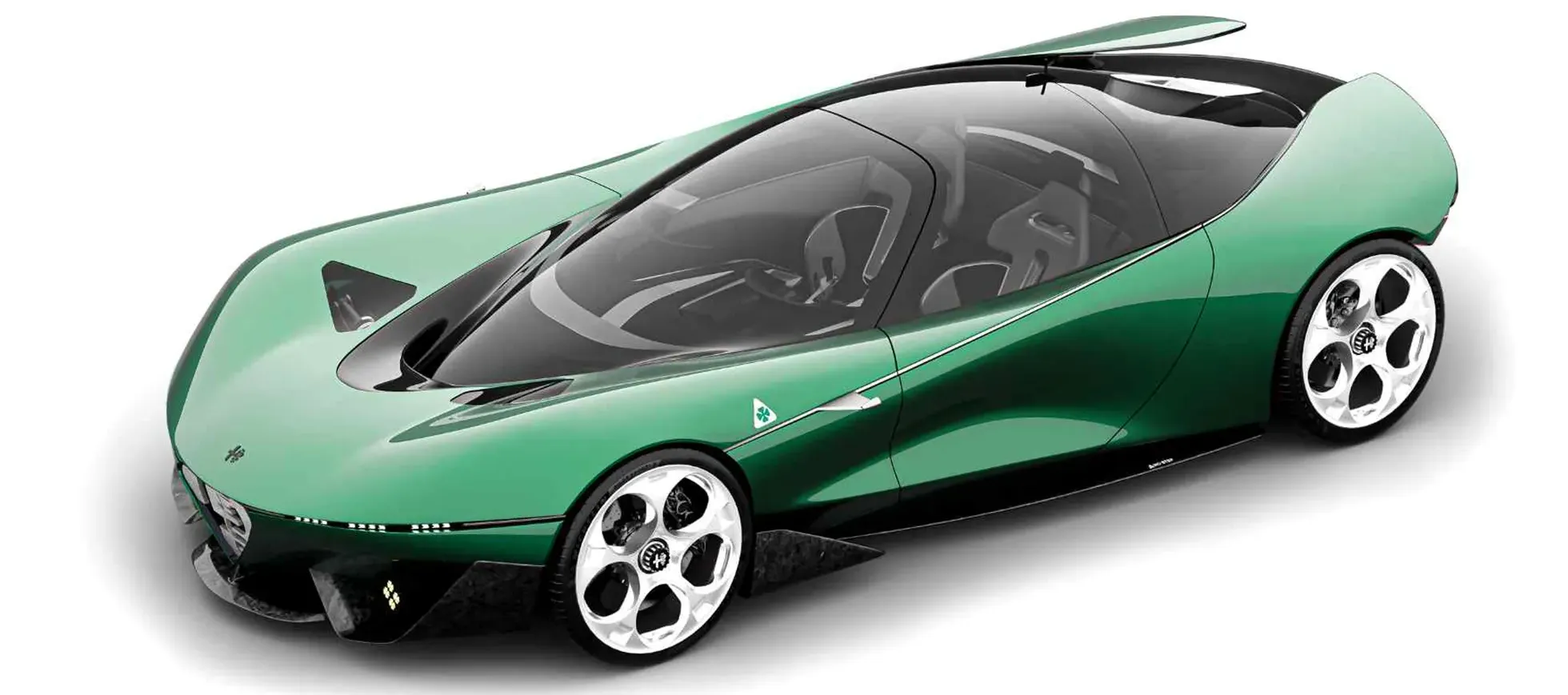
There is also a subtle recalibration of authorship taking place. For decades, the identity of a luxury automobile has been inseparable from the marque that produced it. Today, designers working independently are beginning to assert a different kind of authorship, one that is not tied to a single brand, but to a consistent design language. Naretto’s work is immediately recognizable not because of a logo, but because of its discipline. Surfaces are controlled, proportions balanced, and every gesture appears considered rather than imposed.
The medium itself plays a role in this evolution. Digital tools allow for a level of refinement that was once reserved for late-stage development, compressing what would have been months of iteration into a single, resolved image. Yet the most compelling work resists the temptation toward excess. In Naretto’s case, restraint becomes the defining characteristic. Light is used sparingly, reflections are controlled, and the object is allowed to exist without distraction. The result is an image that feels less like a rendering and more like a study in form.
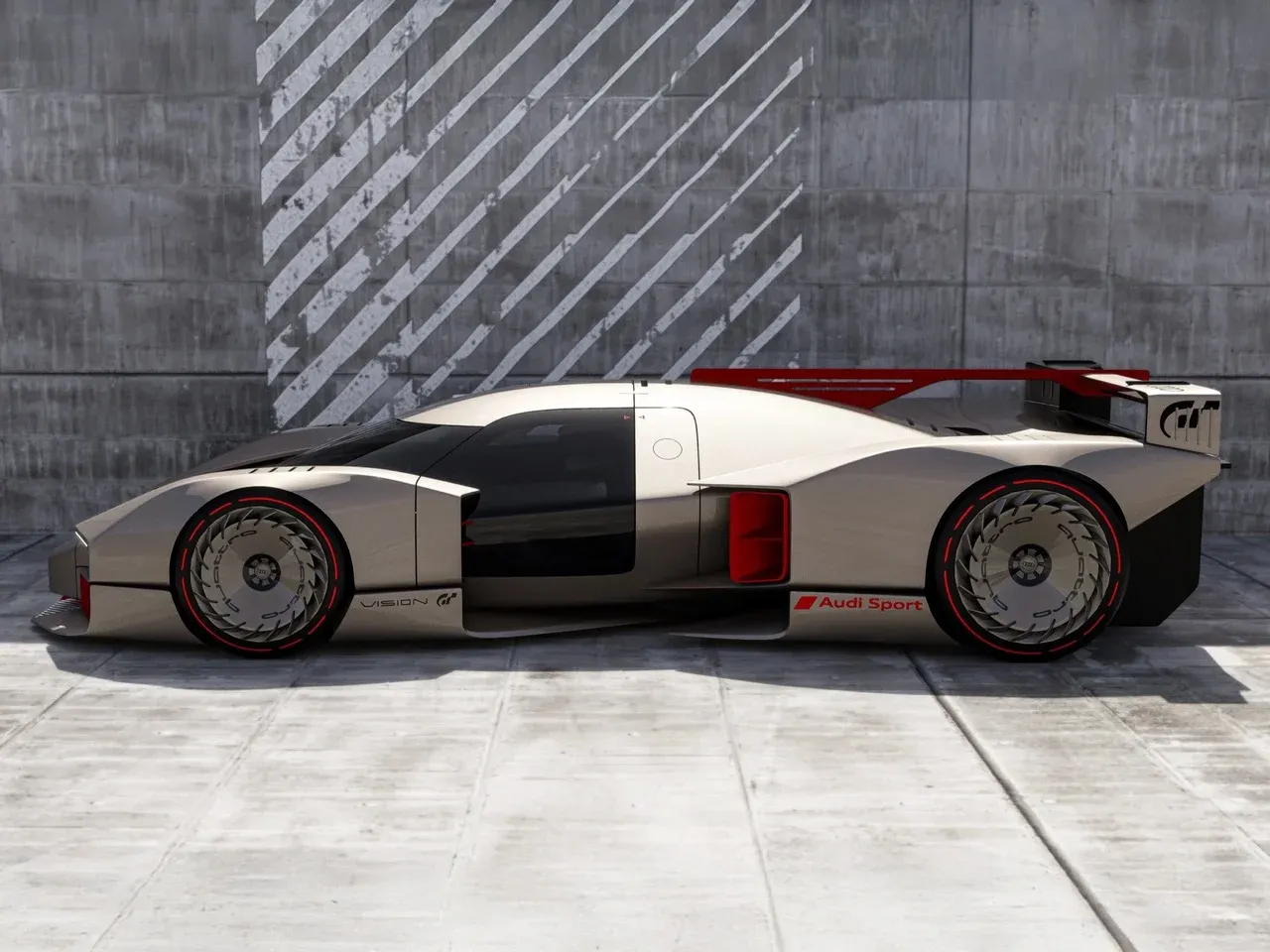
What emerges is a new category of luxury artifact, one that exists without physical presence, yet carries many of the same qualities traditionally associated with it. Scarcity, authorship, and intention remain intact, even as the object itself is never produced. Ownership, in this sense, becomes conceptual rather than material.
This does not diminish the role of the manufacturer. If anything, it sharpens it. By existing outside the constraints of production, independent designers are able to explore ideas that may eventually influence the direction of the industry, even if indirectly. The relationship is not oppositional, but complementary; one imagines freely, the other realizes selectively.
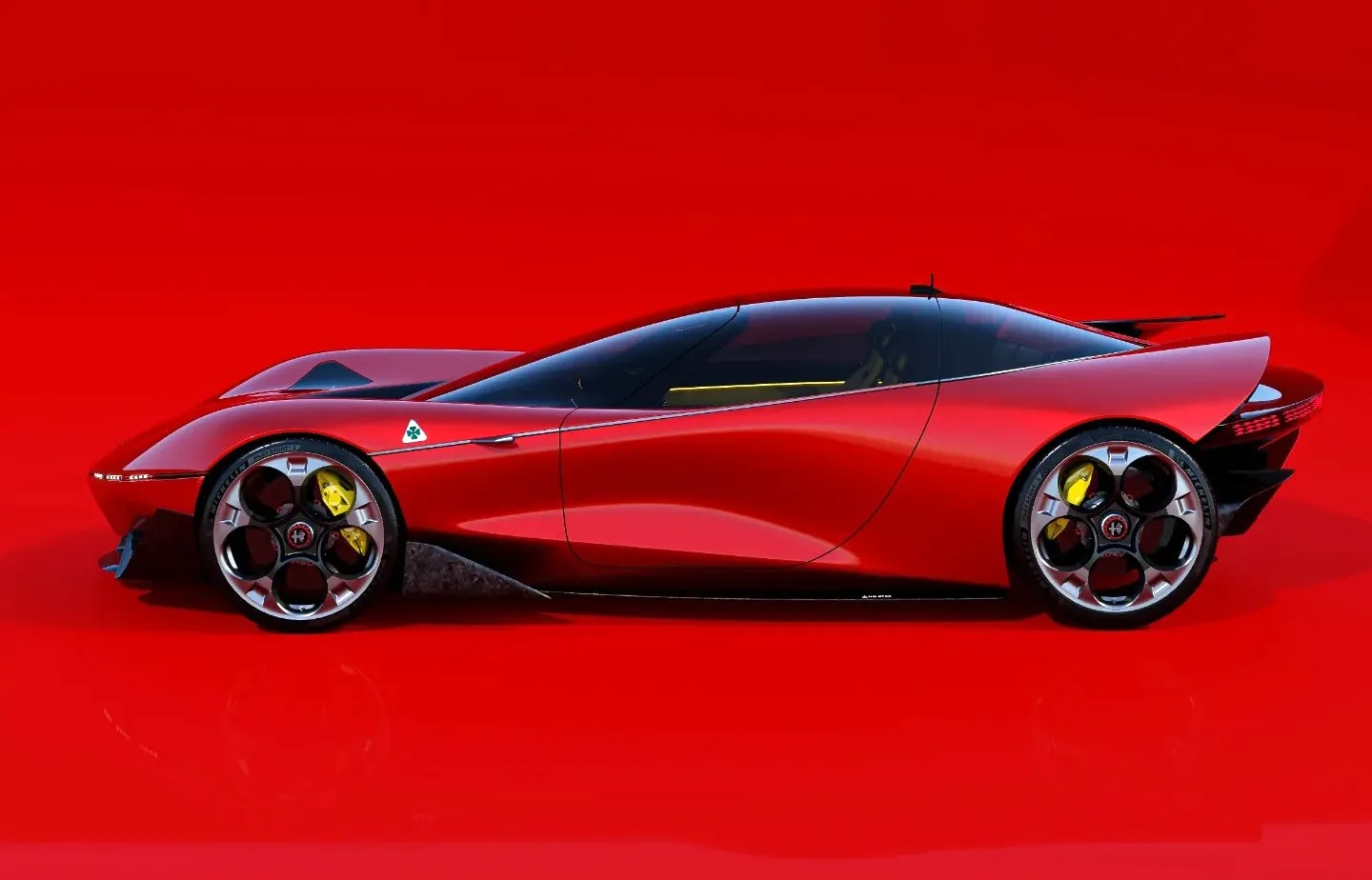
In that exchange, the boundaries between concept and creation begin to blur. The question is no longer whether a design will be built, but whether it needs to be. Some ideas achieve completeness at the moment they are fully resolved, independent of material form.
Naretto’s work suggests that the future of luxury design may not be defined solely by what is produced, but by what is conceived with clarity and conviction. In a world increasingly driven by immediacy, there is something enduring about that approach, an understanding that value can exist even in the absence of objecthood.
These are not cars in the conventional sense. They are studies in what the idea of a car can become when freed from the necessity of becoming one.