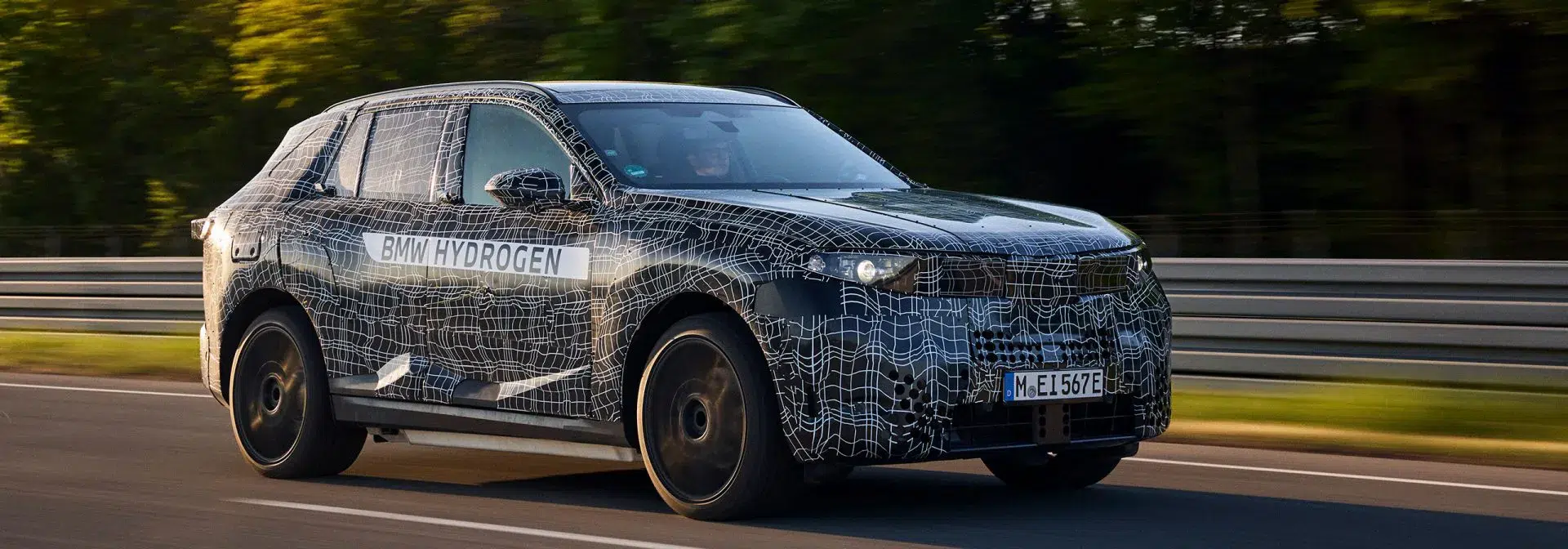
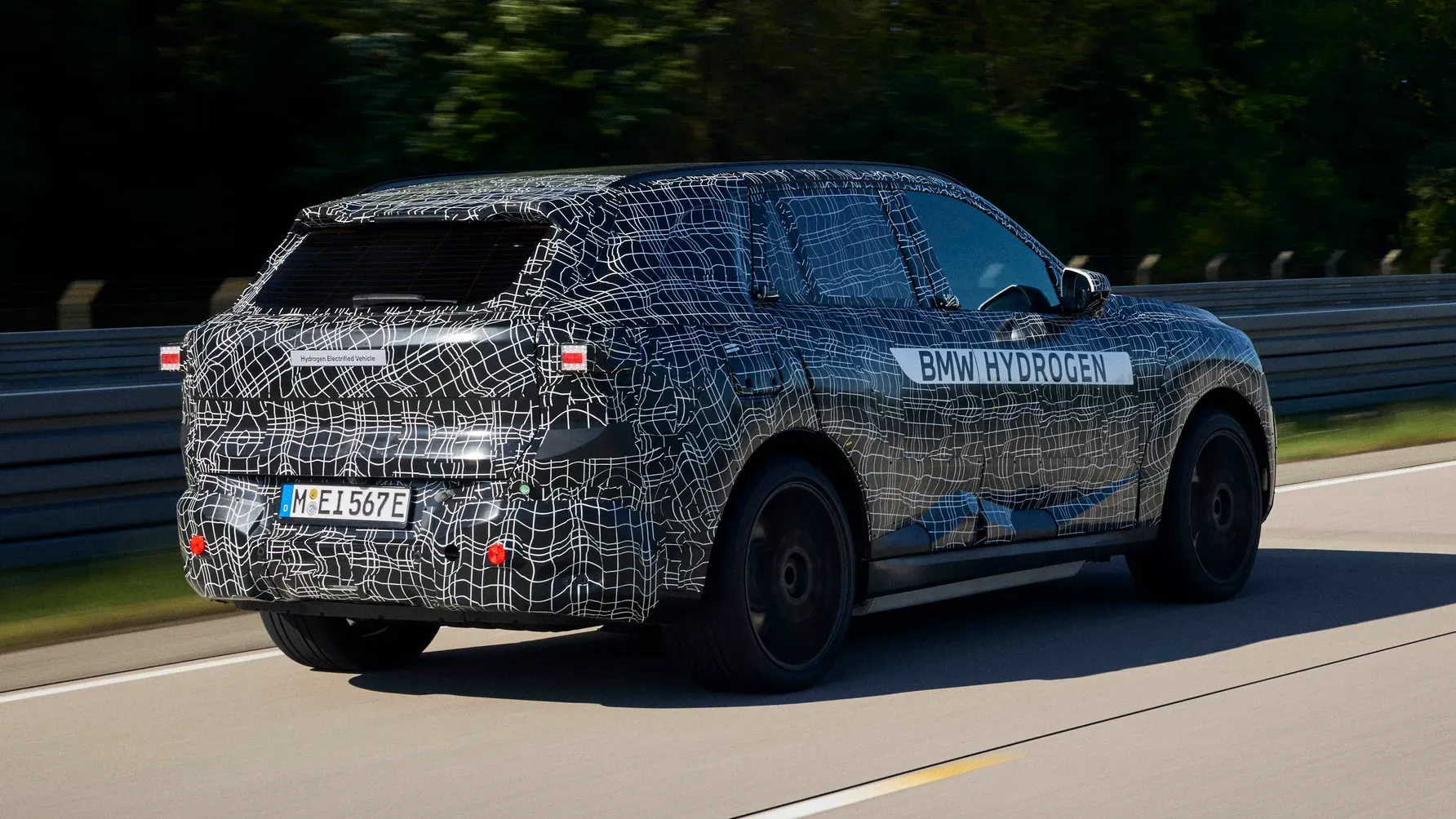
BMW has long maintained that the future of mobility will not be defined by a single solution. With the latest iteration of its iX5 Hydrogen prototype, that position begins to take on a more tangible form. The fuel-cell SUV is now projected to deliver up to 385 miles of range, refuel in a matter of minutes, and, perhaps most critically, do so without compromising the space, usability, or refinement expected of a modern luxury vehicle.
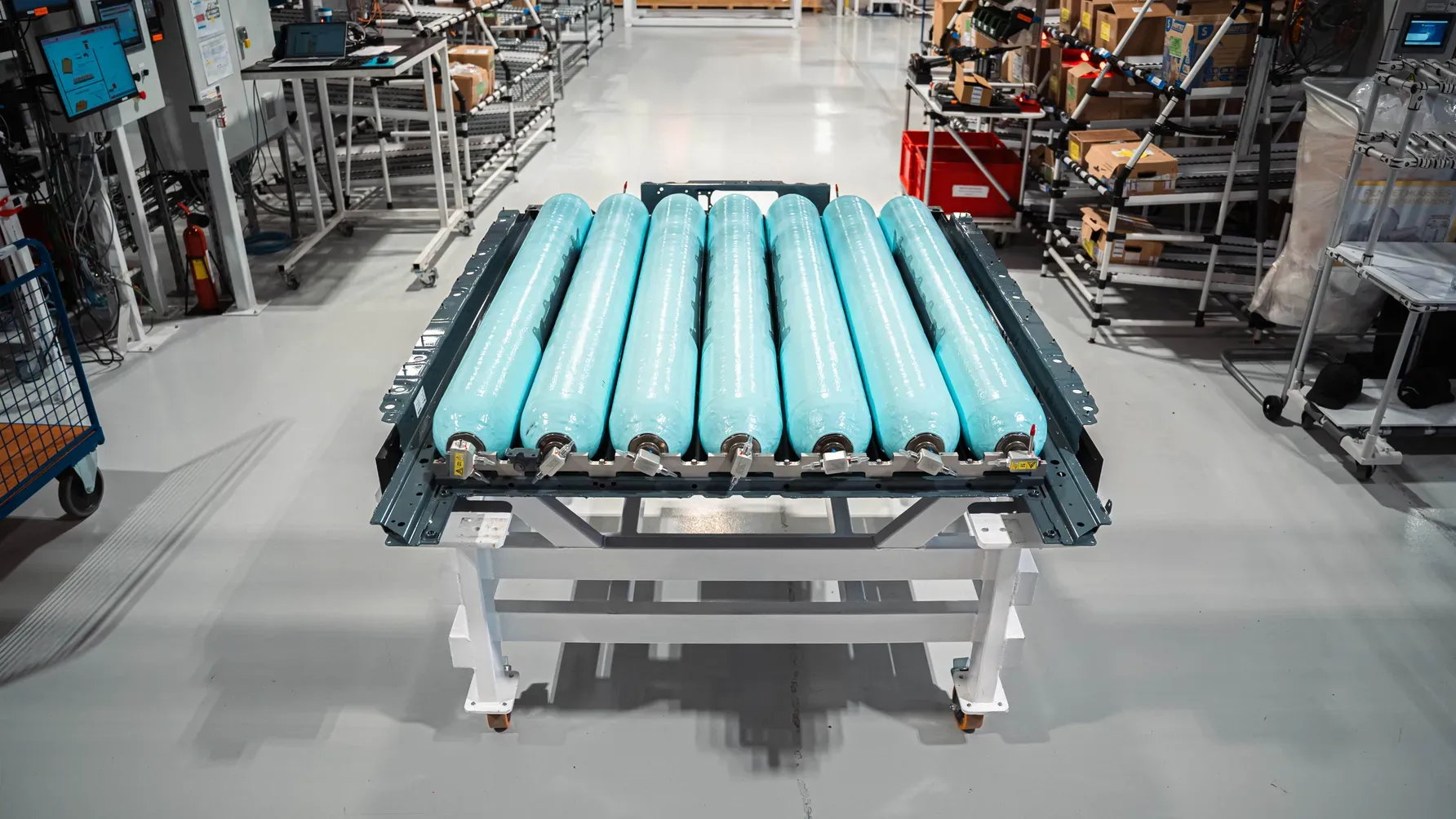
The range figure, while significant, is not the defining achievement. What sets this latest development apart is the way BMW has reengineered how hydrogen is stored within the vehicle itself. A newly developed flat tank system integrates multiple carbon-fiber-reinforced high-pressure tanks into the structure of the SUV, allowing for greater capacity without intruding on passenger or cargo space. It is a solution that addresses one of hydrogen’s most persistent limitations, not performance, but practicality.
That distinction matters. Hydrogen propulsion has long offered a compelling proposition on paper: electric driving characteristics, rapid refueling, and extended range without the extended charging times associated with battery-electric vehicles. In real terms, it suggests a driving experience closer to that of a conventional luxury SUV, one that can be refueled in under five minutes and continue for hundreds of miles without interruption. The challenge has never been the promise, but the execution.
BMW’s approach signals a shift toward resolution. By embedding the hydrogen storage system within the vehicle’s architecture rather than building around it, the iX5 begins to feel less like a technical demonstration and more like a fully considered product. The cabin remains uncompromised, the proportions intact, and the overall experience aligned with what buyers already expect from a vehicle in this segment.
The timing of this development is deliberate. BMW has confirmed that a production version of the hydrogen-powered X5 is targeted for 2028, positioning it as a parallel path alongside the company’s expanding portfolio of battery-electric vehicles. This is not a pivot away from electrification, but an expansion of it, an acknowledgment that different use cases may demand different solutions, particularly as expectations around convenience and long-distance usability continue to evolve.
Earlier pilot versions of the iX5 Hydrogen have already demonstrated the viability of the concept, offering around 300 miles of range and performance comparable to a conventional six-cylinder SUV. The latest advancements build on that foundation, extending range while refining integration. It is progress measured not only in numbers, but in coherence.
Of course, the broader challenges surrounding hydrogen remain. Infrastructure is limited, particularly outside select markets, and the availability of sustainably produced hydrogen continues to shape the conversation. These are not minor obstacles. Yet BMW’s position is clear: the long-term landscape of premium mobility may not be defined by a single dominant technology, but by a combination of solutions, each optimized for specific demands.
For the driver, the appeal is straightforward. A hydrogen-powered SUV offers the immediacy of electric propulsion, quiet, responsive, and smooth, paired with the convenience of rapid refueling. For those accustomed to long-distance travel or unwilling to adapt their routines around charging infrastructure, that distinction carries weight.
What the iX5 Hydrogen ultimately represents is not a breakthrough in isolation, but a recalibration of expectations. It suggests that zero-emissions driving need not come with compromise, that performance, range, and convenience can coexist within a single, cohesive platform.
BMW is not asking whether hydrogen can compete with battery-electric vehicles. It is asking a more relevant question: whether luxury mobility, at scale, can afford to rely on only one answer.
And with the iX5 Hydrogen, that answer is beginning to look less certain.