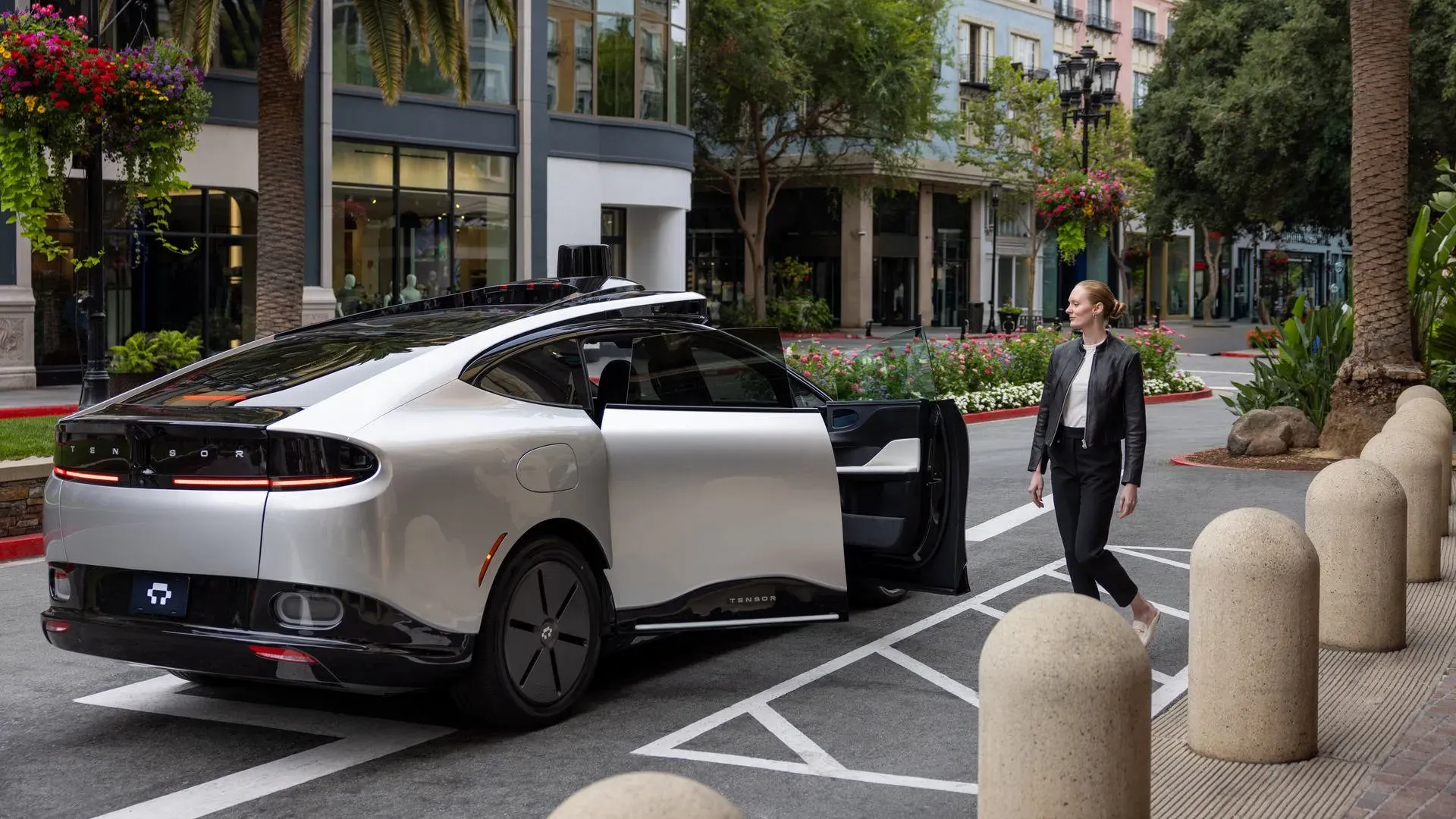
Autonomy has long been framed as inevitable. What has remained unresolved is ownership, who controls the experience once the machine takes over. With the debut of its Robocar, Tensor moves that question into sharper focus, presenting what it positions as the first production-ready Level 4 autonomous vehicle designed for private use.
Unveiled in London at the European AV Summit, the vehicle does not arrive as a concept or a distant projection. It arrives as a proposition: that autonomy, at its highest level, should remain personal.
Central to this approach is a dual-mode architecture that allows the driver to retain agency, shifting seamlessly between manual control and full autonomy. It is a restrained but meaningful recalibration. Rather than removing the act of driving, Tensor reframes it as optional.
The engineering reflects this philosophy. Built on a full-stack redundant system integrating advanced sensing, artificial intelligence, and adaptive safety architecture, the Robocar is designed not only for capability but for continuity, an essential distinction as autonomous systems move from controlled environments into everyday use.
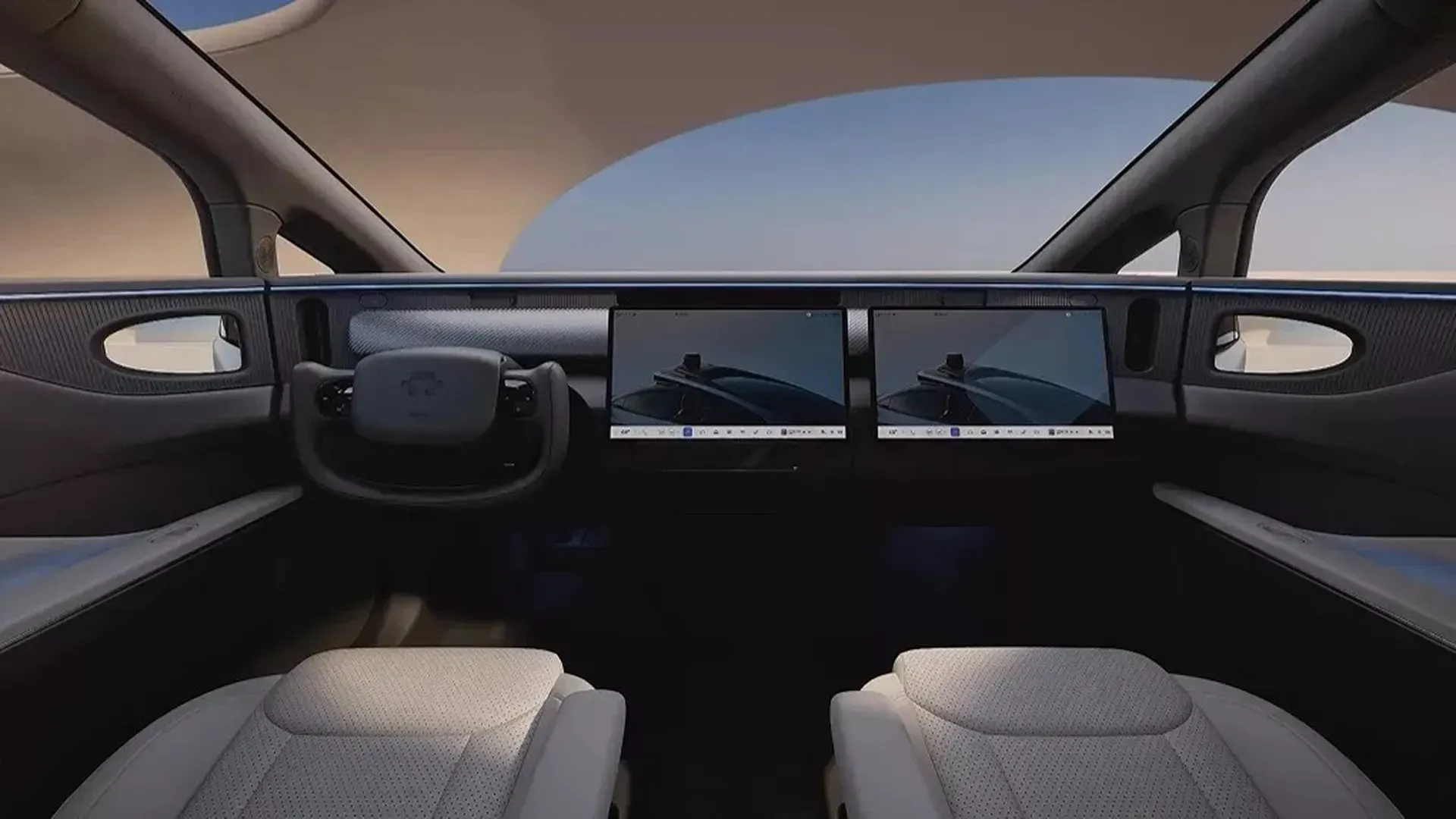
The interior signals a more immediate transformation. Developed in collaboration with Autoliv, the foldable steering wheel redefines spatial hierarchy within the cabin. When autonomy is engaged, the wheel retracts, shifting the environment from driver-centric to occupant-centric, a subtle but definitive change in how the vehicle is experienced.
Tensor’s broader ecosystem reinforces this shift. Partnerships with NVIDIA, Oracle, and Arm underpin the vehicle’s computational and infrastructural framework, positioning it less as a singular product and more as an integrated platform.
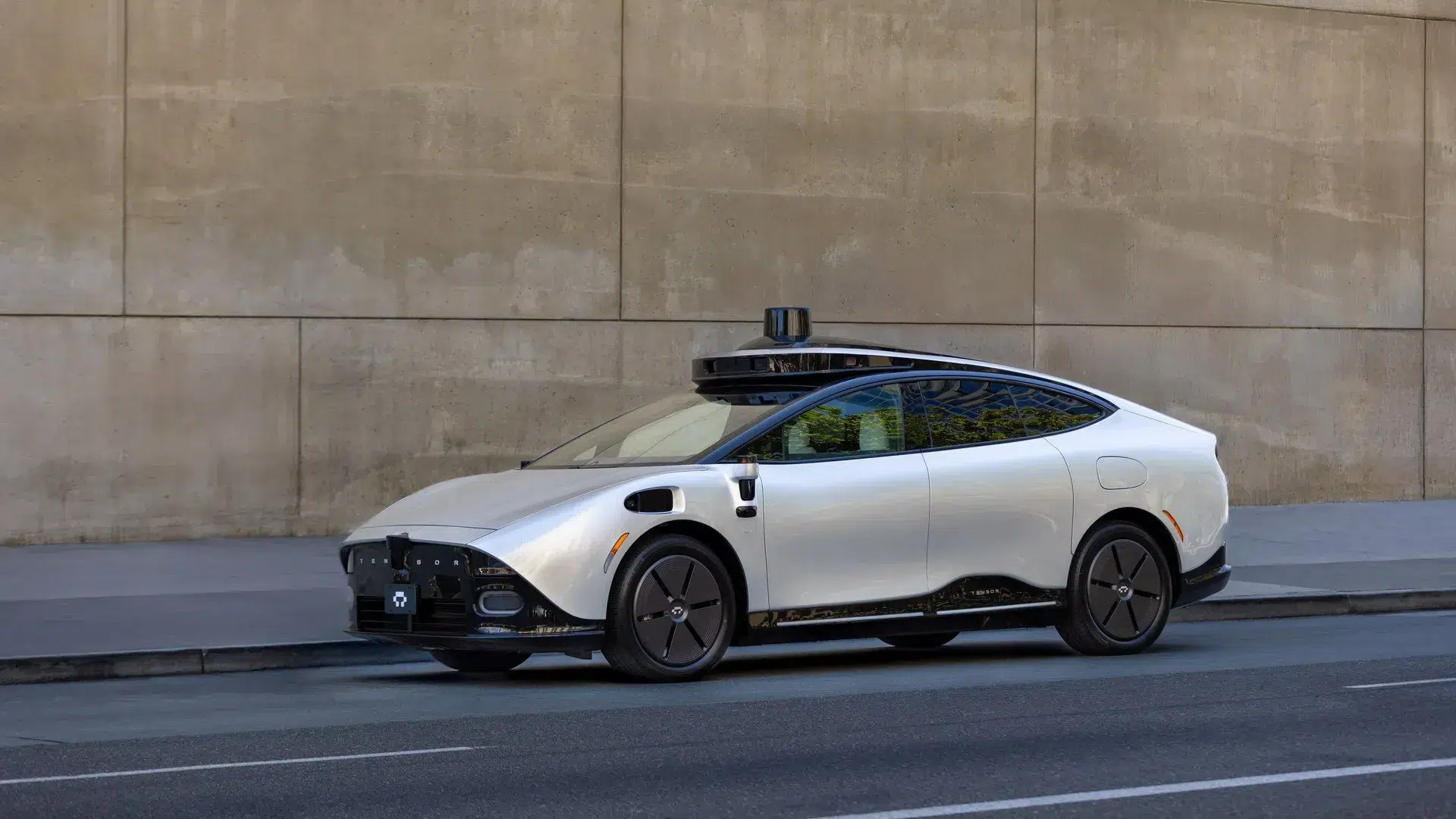
For Jay Xiao, the UK debut serves as both an introduction and an inflection point, engaging regulators and insurers in defining how personal autonomy can scale responsibly across global markets. Production is expected to begin this year, with rollout planned across the UAE, Europe, and the United States.
Yet the significance of the Robocar is not defined by geography or timeline. It lies in its premise.
Tensor does not present autonomy as replacement, but as refinement, where control is no longer required, but never entirely surrendered.
In that distinction, the future of driving becomes something else entirely.