For more than a century, the character of a Bentley has been inseparable from its engines. From the great racing machines of the marque’s formative years to the thunderous W12s and richly voiced V8s of the modern era, power in Crewe has traditionally arrived with a soundtrack. With the arrival of the all-new Torcal, Bentley is asking a more consequential question: can electricity deliver the same sense of occasion?
Judging by the ambition behind its first fully electric production model, Bentley has little interest in making the Torcal feel like an exercise in compromise.
Unveiled in London as the fourth model line in the Bentley portfolio, joining the Continental GT, Flying Spur and Bentayga, the Torcal represents the beginning of a markedly different chapter for the British marque. Designed, engineered and built in Crewe, the five-seat luxury SUV introduces not only battery-electric propulsion but a new design language, new materials and some of the most sophisticated chassis technology Bentley has placed in a production car.
There will be two interpretations from launch: the Torcal and the more performance-focused Torcal S. Even the standard model occupies territory once reserved for extraordinary supercars. Its twin electric motors produce 810 bhp, or 821 PS, together with immense torque, propelling the SUV from rest to 60 mph in 3.3 seconds. Top speed is 155 mph.
The Torcal S raises the stakes dramatically. With Launch Control activated, output climbs to 876 bhp—888 PS—and 1,350 Nm, or 996 lb-ft, making it the most powerful production Bentley yet. Sixty miles per hour arrives in just 2.8 seconds, while top speed increases to 162 mph. Those figures would be arresting in almost anything; in a Bentley SUV conceived around refinement, craftsmanship and long-distance comfort, they verge on the surreal.
Yet outright acceleration is only part of the Torcal story. Bentley has wisely resisted turning its first EV into a rolling collection of performance statistics. The objective remains the quality that has long defined the marque at its best: effortless speed.
A 113.2-kWh battery and high-voltage architecture give the Torcal a claimed range of up to 375 miles, or approximately 600 kilometers, on the WLTP cycle. At its maximum DC charging capability, Bentley says a 10-to-80-percent charge can take as little as 16 minutes, placing the Torcal among the more serious long-distance electric luxury cars entering the market.
The chassis receives equal attention. Bentley Active Ride employs individually controlled dampers and electronically managed hydraulics to continuously reconcile two qualities that rarely coexist easily in a vehicle of this size: isolation and control. All-wheel drive is joined by all-wheel steering, helping the Torcal feel more manageable in confined urban spaces while sharpening its responses at speed.
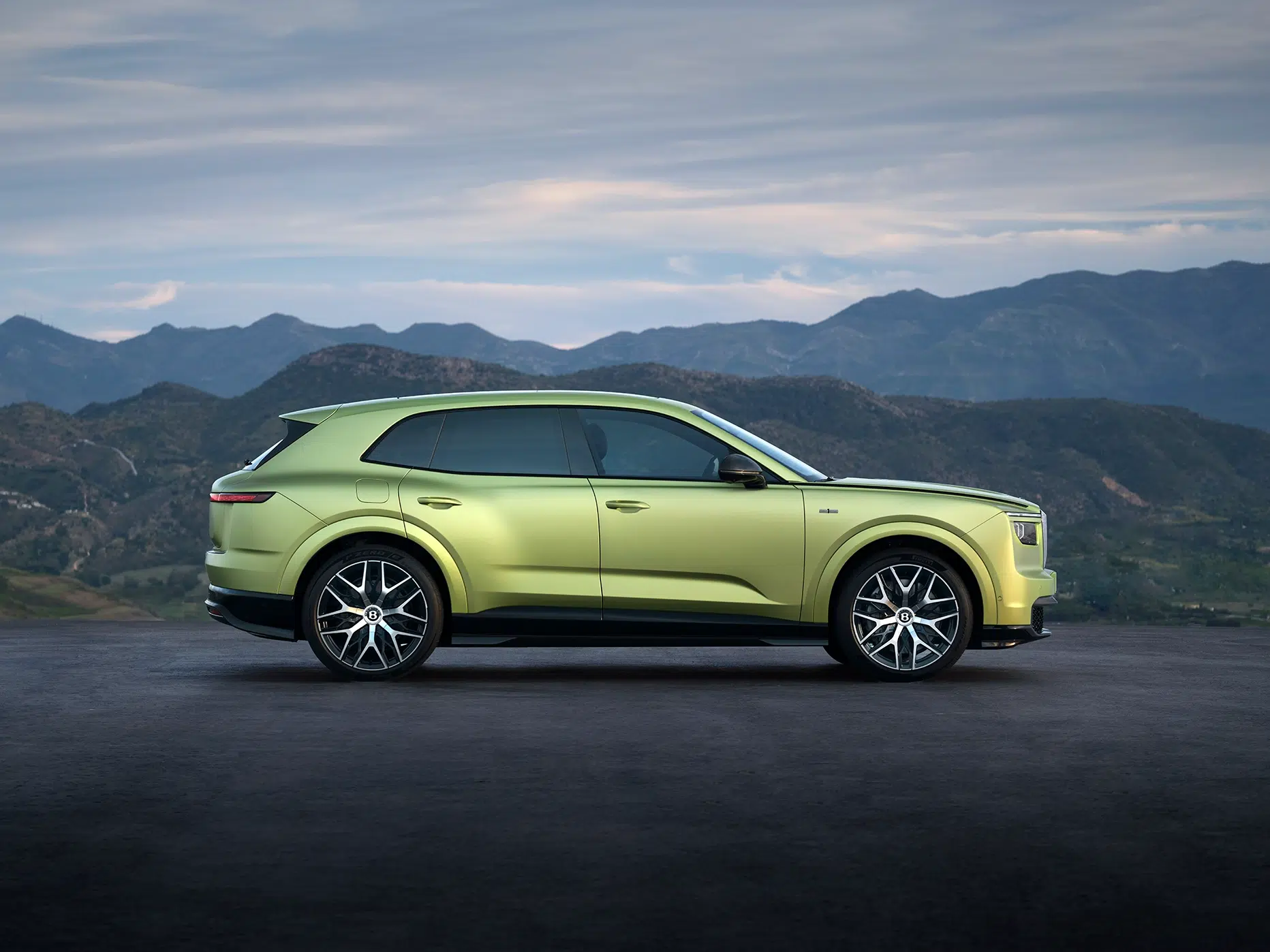
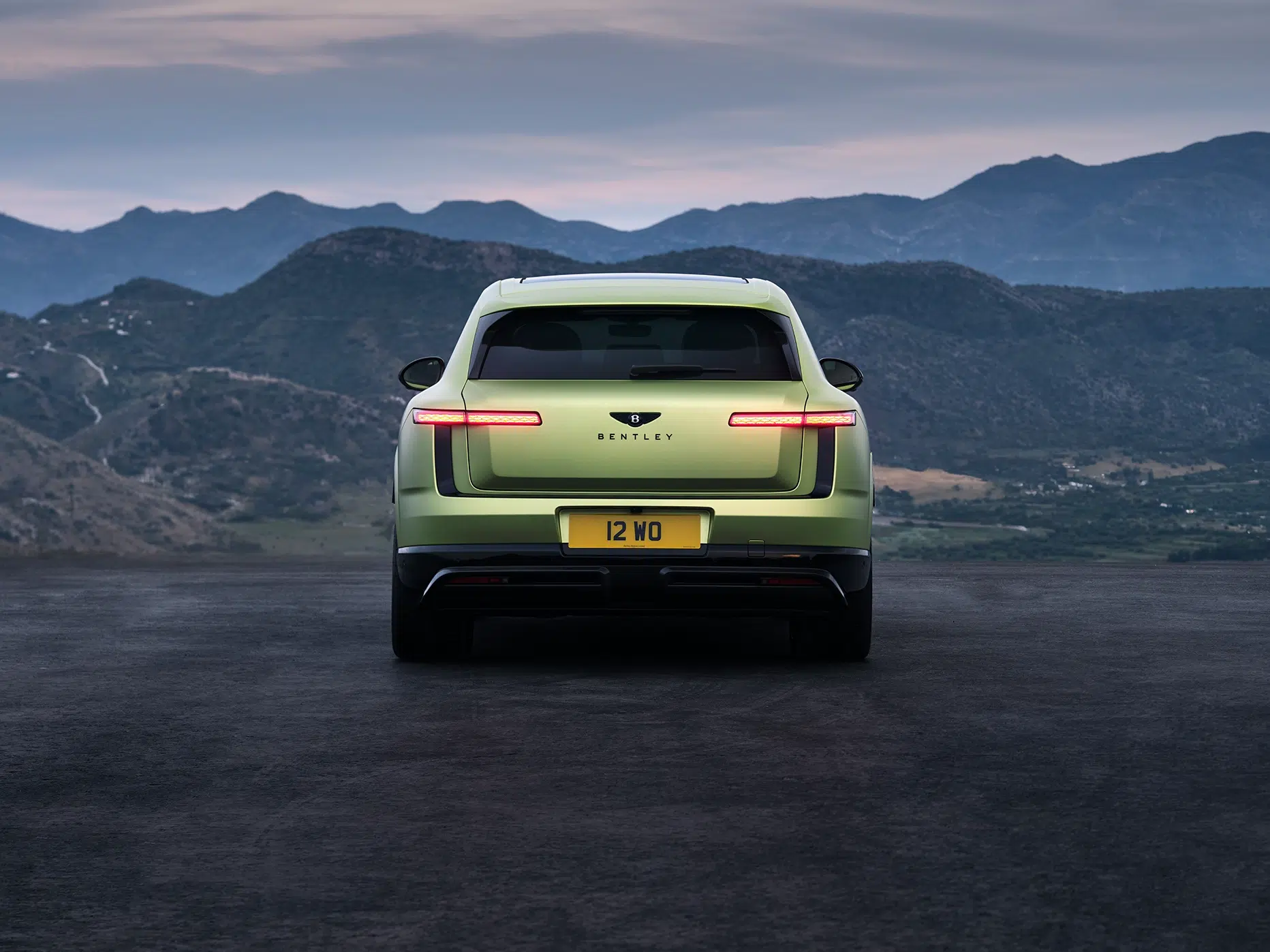
This matters because the Torcal is not intended to be an electric Bentayga. It establishes its own identity within the Bentley family, measuring just over five meters in length and adopting proportions that feel lower, cleaner and more architectural. There is still unmistakable visual weight over the rear haunches, but the detailing signals where Bentley design is heading next.
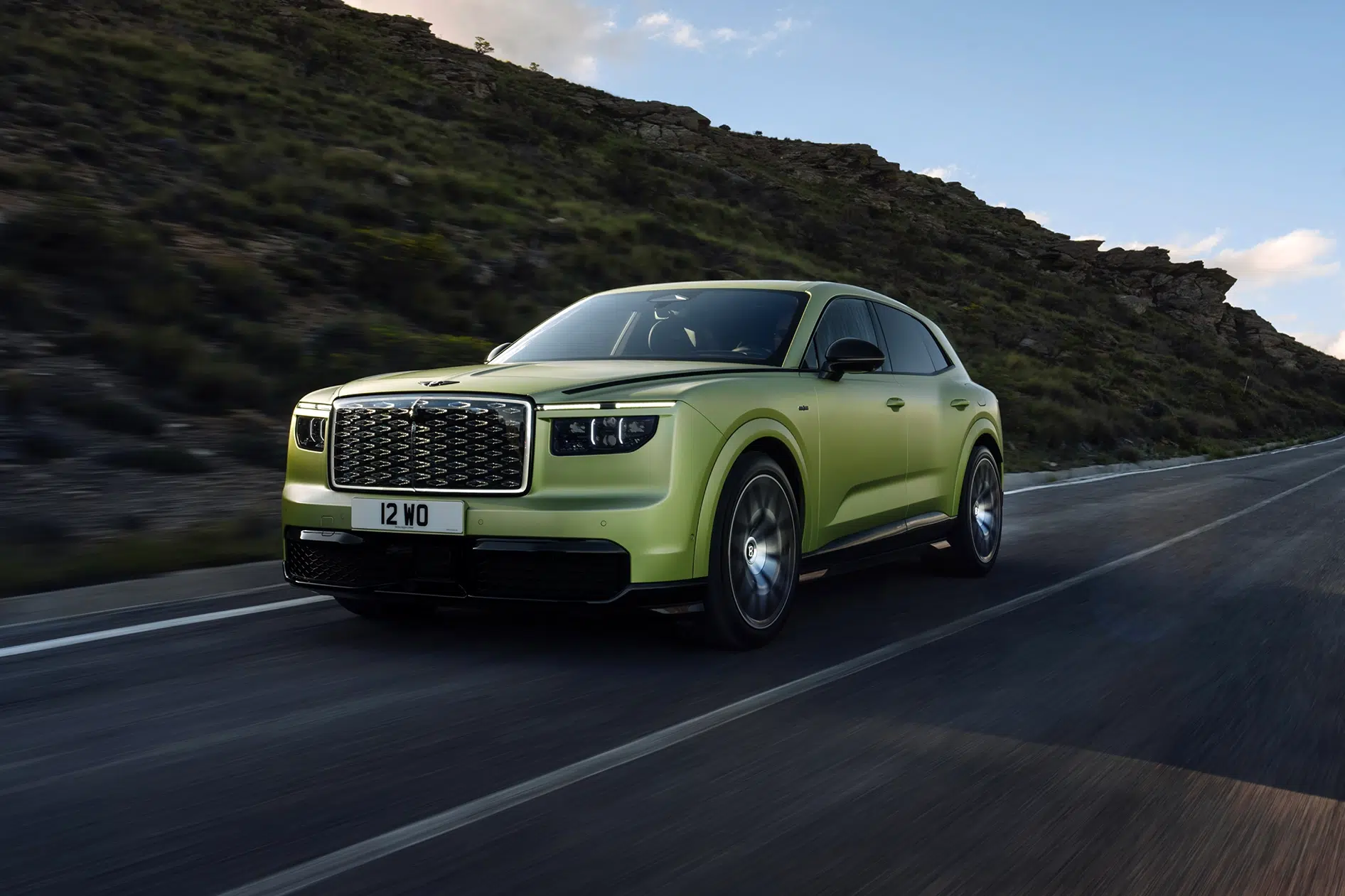
At the front, perhaps the most intriguing departure is the Floating Diamond Grille. Rather than pretending an electric vehicle requires the vast cooling aperture of a combustion-powered Bentley, the designers have transformed the familiar grille into a piece of illuminated jewelry. Seventy-six individually applied diamond elements emerge from darkness as the car is unlocked, forming part of a welcome sequence incorporating the exterior lighting.
It is theatrical, certainly, but luxury has always understood the value of ceremony.
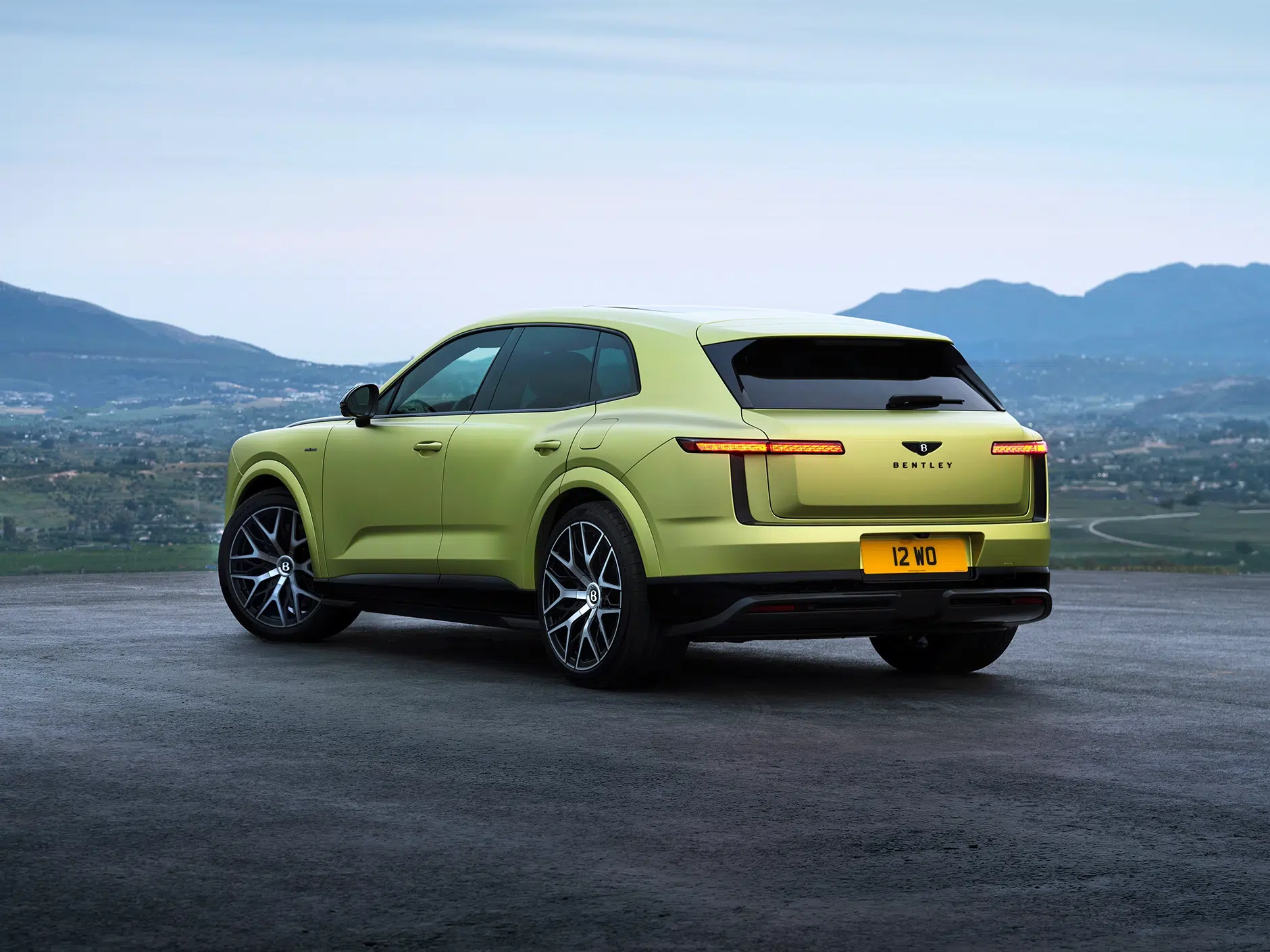
The rear offers a quieter historical reference. Its treatment draws inspiration from the luggage carrier of the celebrated Blue Train Bentley, while muscular shoulders and a broad lower graphic preserve the planted stance expected of a car wearing the Winged B. Satin-silver exterior detailing replaces some of the visual aggression common to performance SUVs with something subtler and more contemporary.
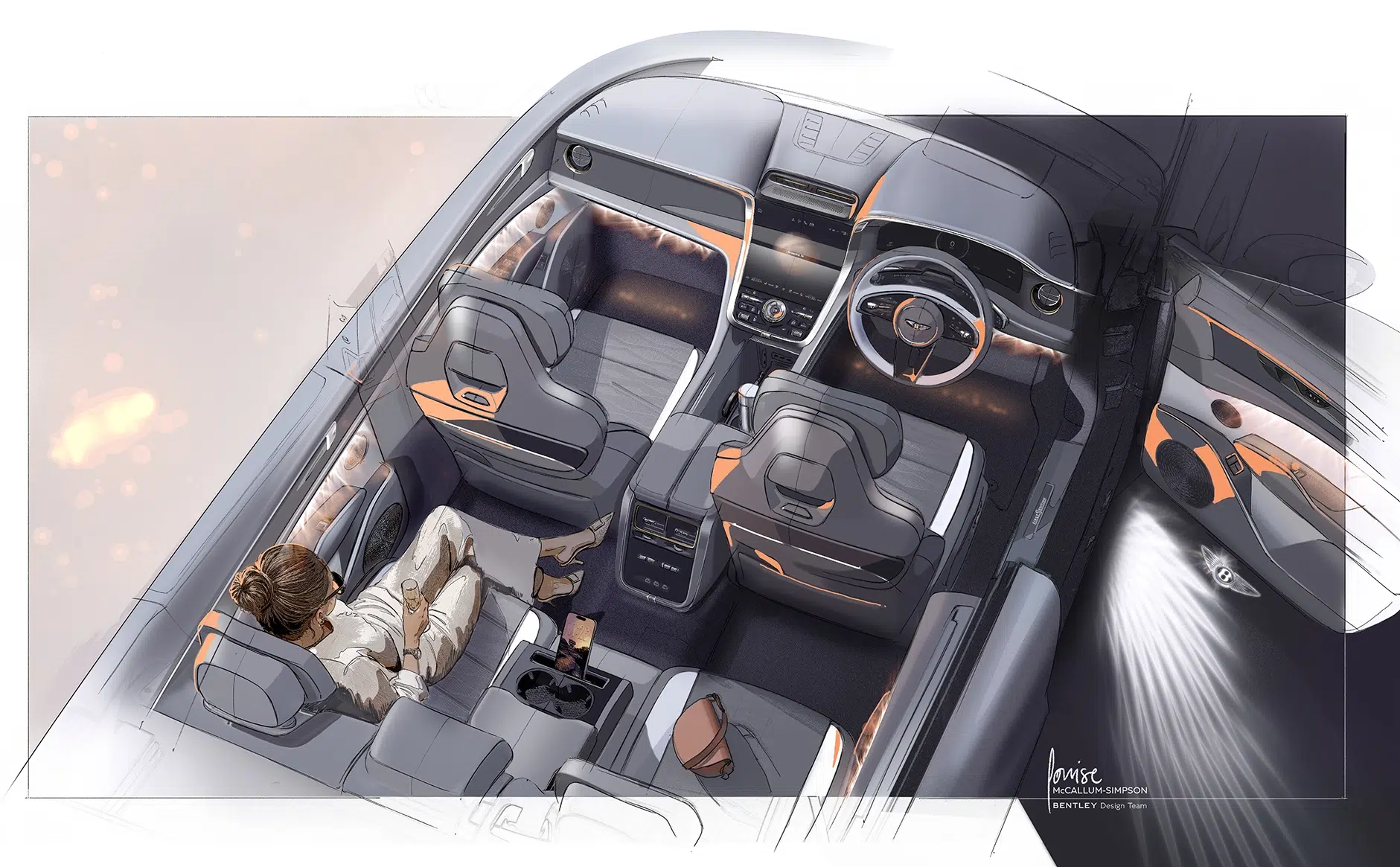
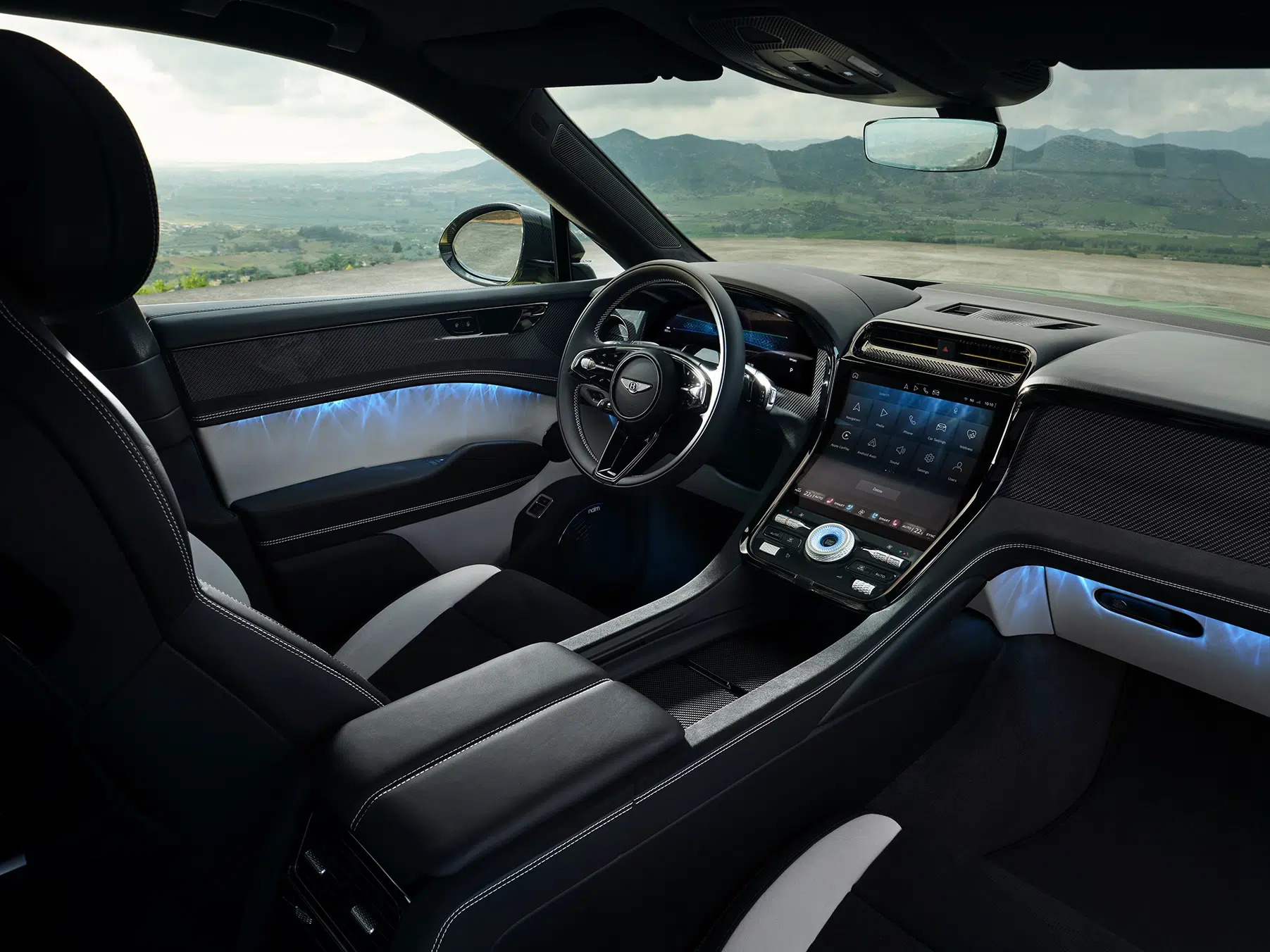
Inside, Bentley confronts one of the great challenges of the electric-luxury era: introducing increasingly sophisticated digital technology without allowing the cabin to resemble an oversized electronic device.
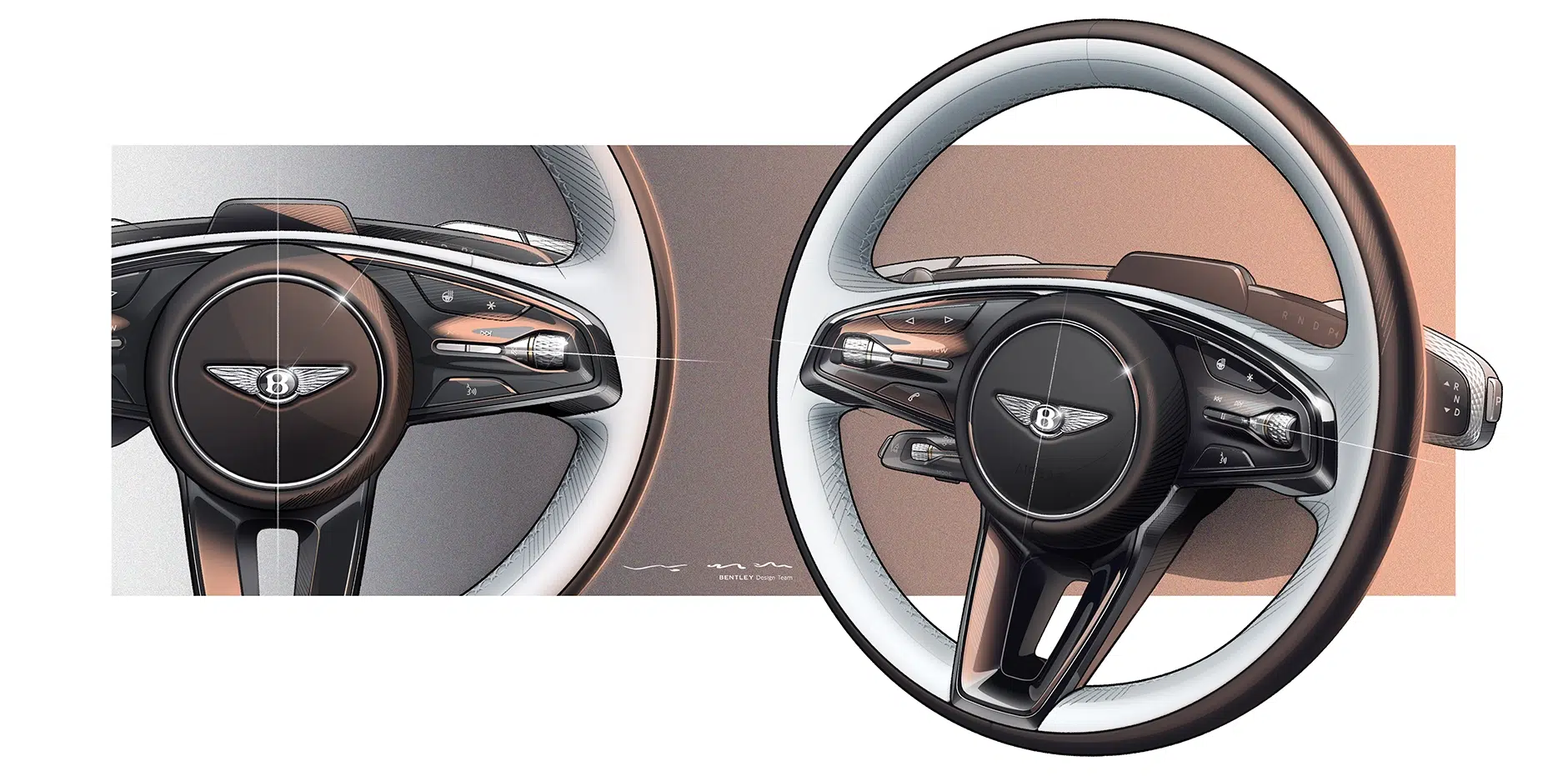
A vertically curved 12.25-inch HD OLED touchscreen takes center stage, its deep blacks and crisp graphics providing the expected digital sophistication. Yet it sits among tactile materials and carefully considered physical detailing rather than replacing them. Bentley’s familiar obsession with surface, texture and touch remains intact.
Mulliner‘s Ombré Walnut is particularly striking. Created using sustainably sourced walnut offcuts and recycled craft paper, the veneer takes Bentley’s traditional woodworking expertise into more experimental territory. The material palette extends further with leather, sustainable Dinamica and certified Merino wool, demonstrating that environmental consideration need not translate into aesthetic austerity.
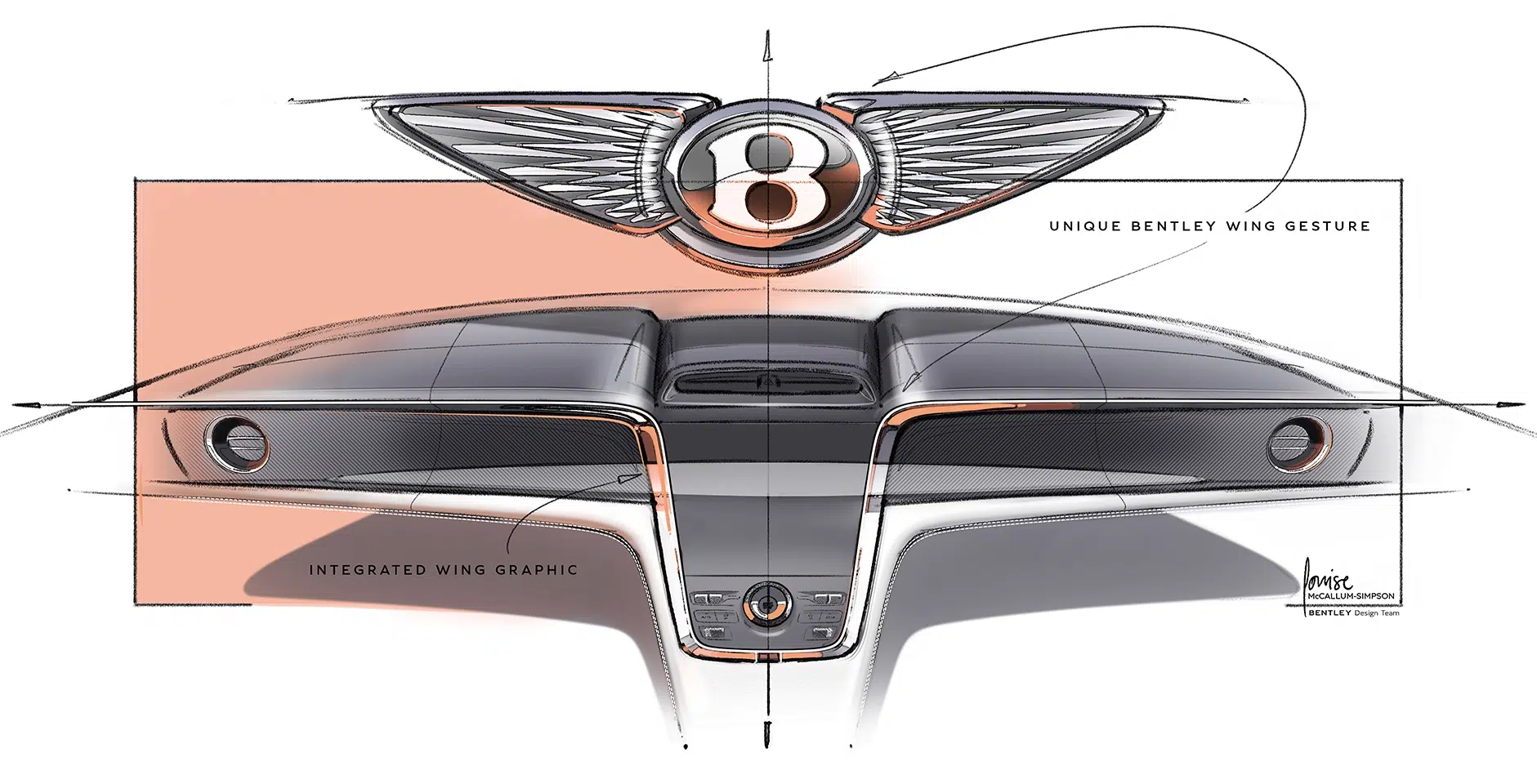
Even the air vents have been reconsidered. Bentley’s traditional Bullseye design evolves into the new Bullseye Vector Sphere, using converging streams of air to provide more precise direction while operating more quietly. An optional Frosted Diamond Switchable Sunroof can transition electronically from clear to opaque and can be controlled in sections, introducing another layer of theater to the cabin.
Perhaps nowhere, however, is Bentley’s anxiety about losing the emotional dimension of the internal-combustion automobile more apparent than in sound.
Rather than simply recreate a synthetic V8 exhaust note through speakers, Bentley worked with musicians and real instruments to produce what it calls the Bentley Dynamic Symphony. Inspired by the rhythm and character of the company’s celebrated 6¾-liter V8, the system incorporates recorded musical elements