There was a time when luxury in motion was defined by the act of driving. Power, precision, and the mechanical dialogue between car and road formed the foundation of prestige. That equation is now shifting. With the emergence of the Mercedes-Benz VLE, the emphasis moves decisively away from the driver’s seat and toward the space that surrounds it.
This is not an evolution. It is a redefinition.
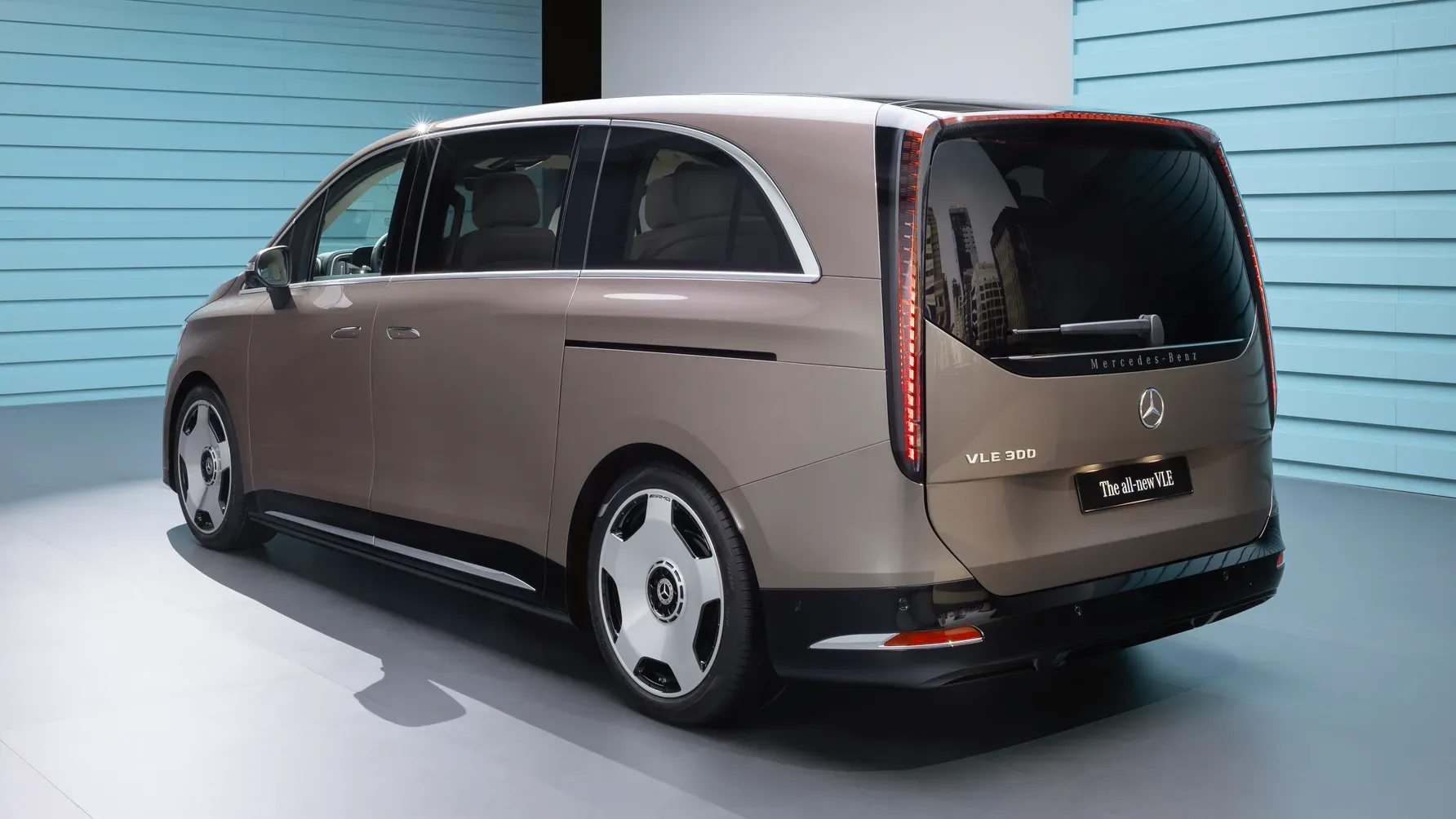
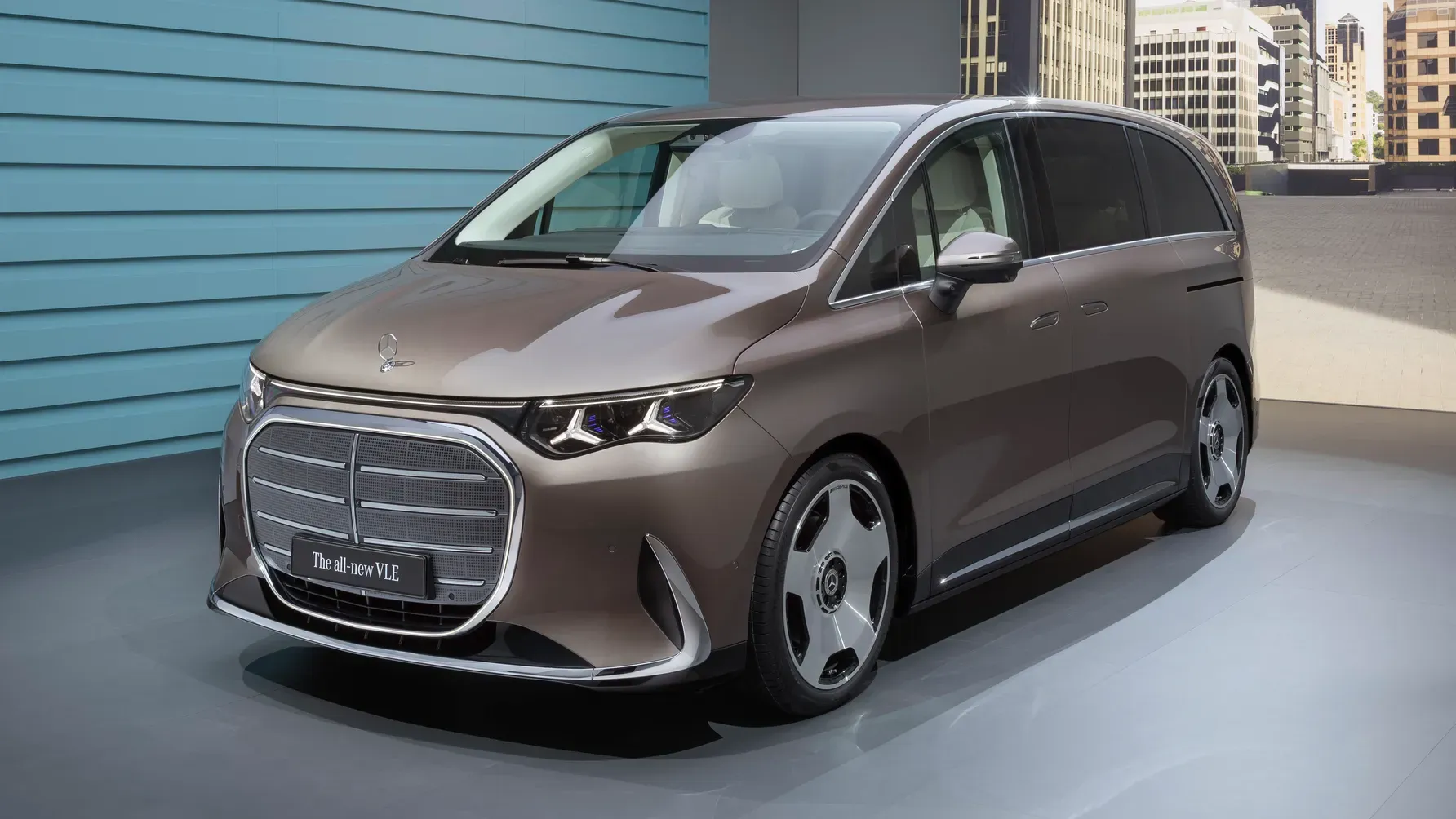
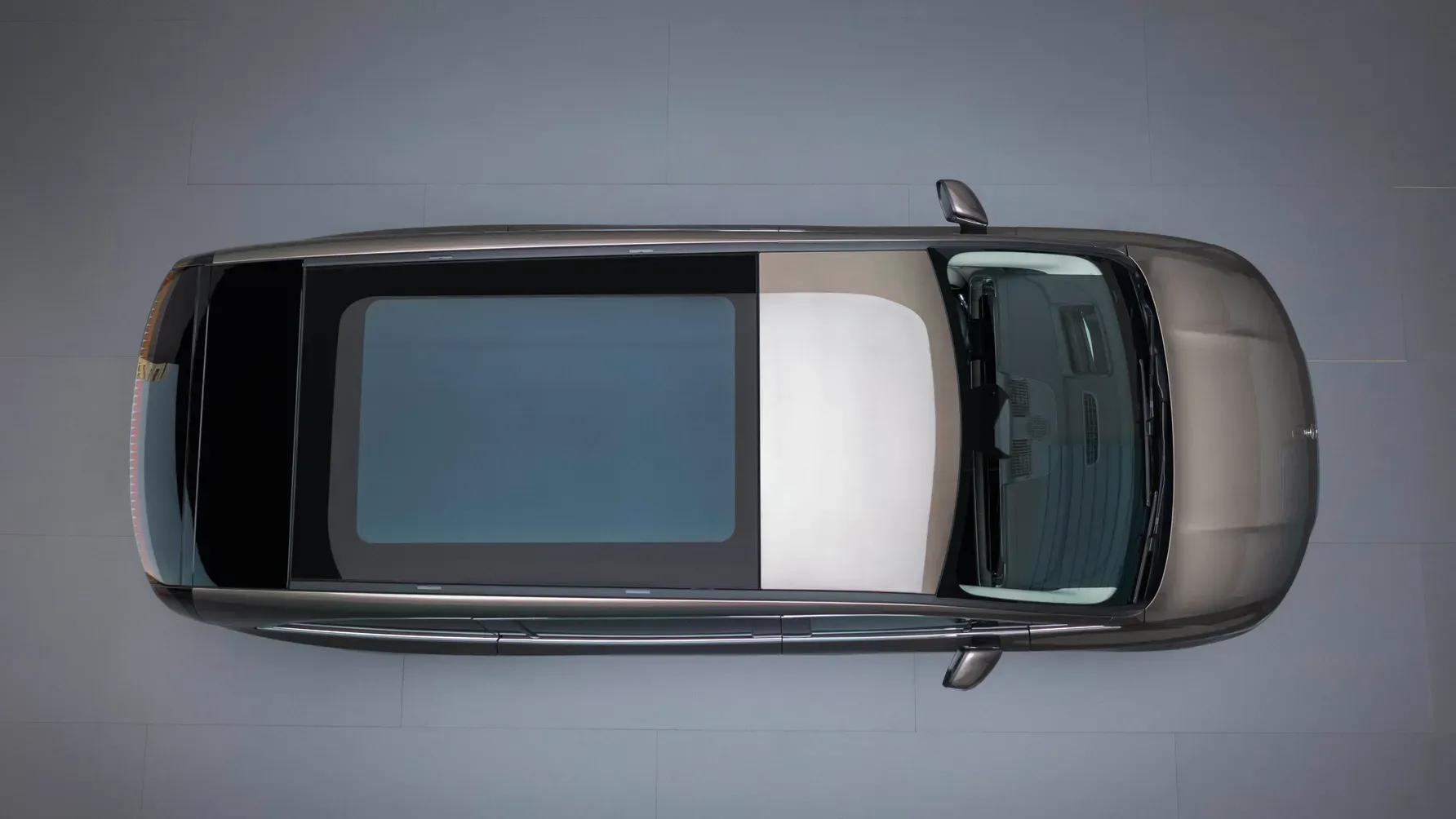
The VLE does not present itself as a vehicle in the conventional sense. It operates as an environment, one designed to be occupied, experienced, and, ultimately, inhabited. Its proportions, once associated with utility, are repurposed here with intent. Volume is no longer a compromise; it becomes the central asset. Where traditional luxury vehicles refine the experience of driving, the VLE reframes the experience of being transported.
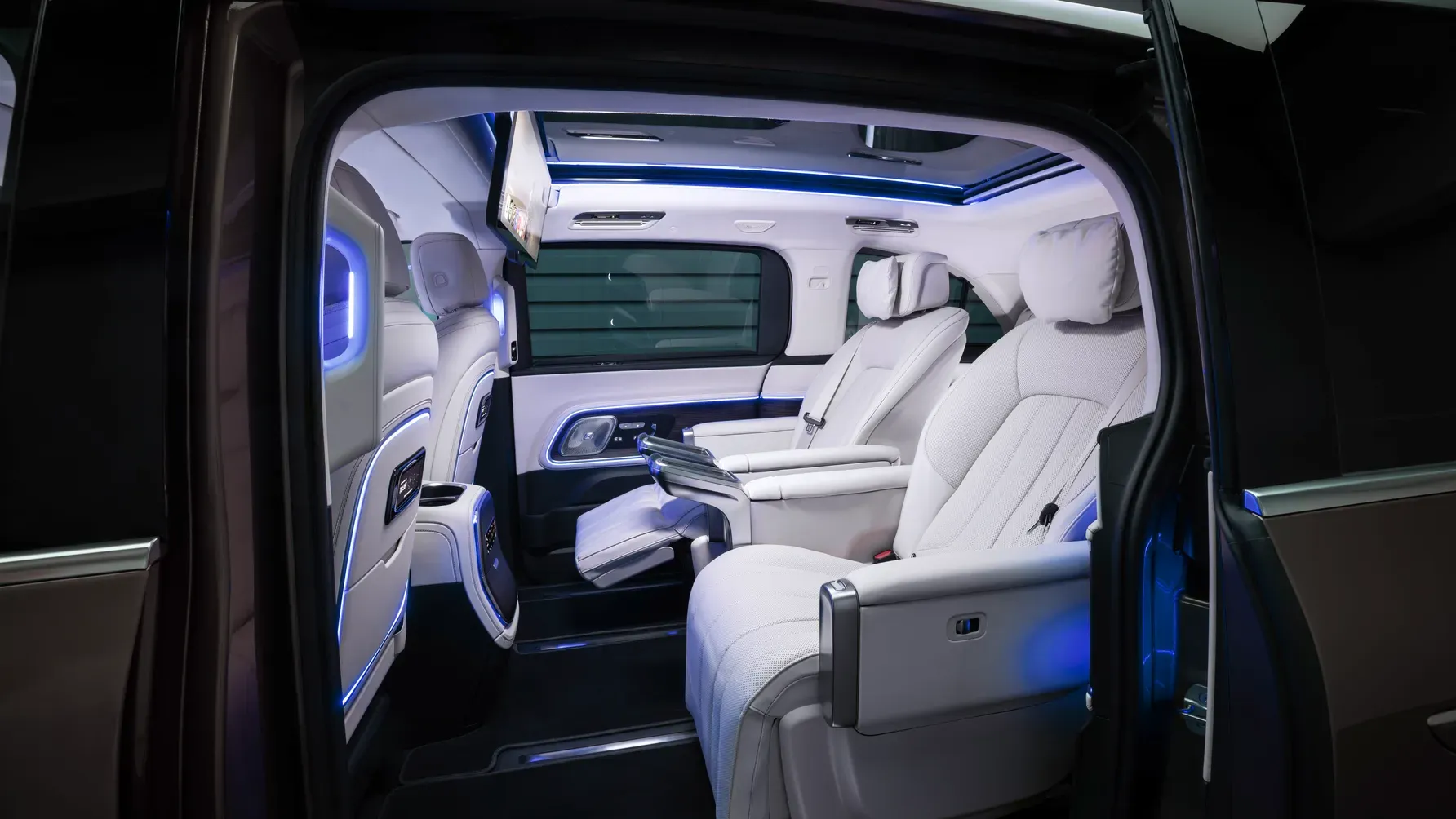
Step inside, and the distinction becomes immediate. Seating is arranged not in deference to the road ahead, but to the relationships within the cabin. The architecture favors openness, conversation, and flexibility. Ambient lighting softens the interior into a private, self-contained environment, while surfaces remain uninterrupted and controlled. A rear display, rendered in cinematic resolution, extends across the cabin with quiet authority, yet it is not the screen itself that defines the moment, but the way it integrates into a cohesive spatial experience.
Silence becomes a defining material. Electric propulsion removes the mechanical intrusion that once shaped long-distance travel, replacing it with a controlled stillness. Within that quiet, the cabin assumes a different character. It becomes less a mode of transport and more a room in motion, one where time is not simply spent, but redefined. For the passenger, it offers the rare ability to move through the day uninterrupted, where work, rest, and pause exist within the same continuous environment.
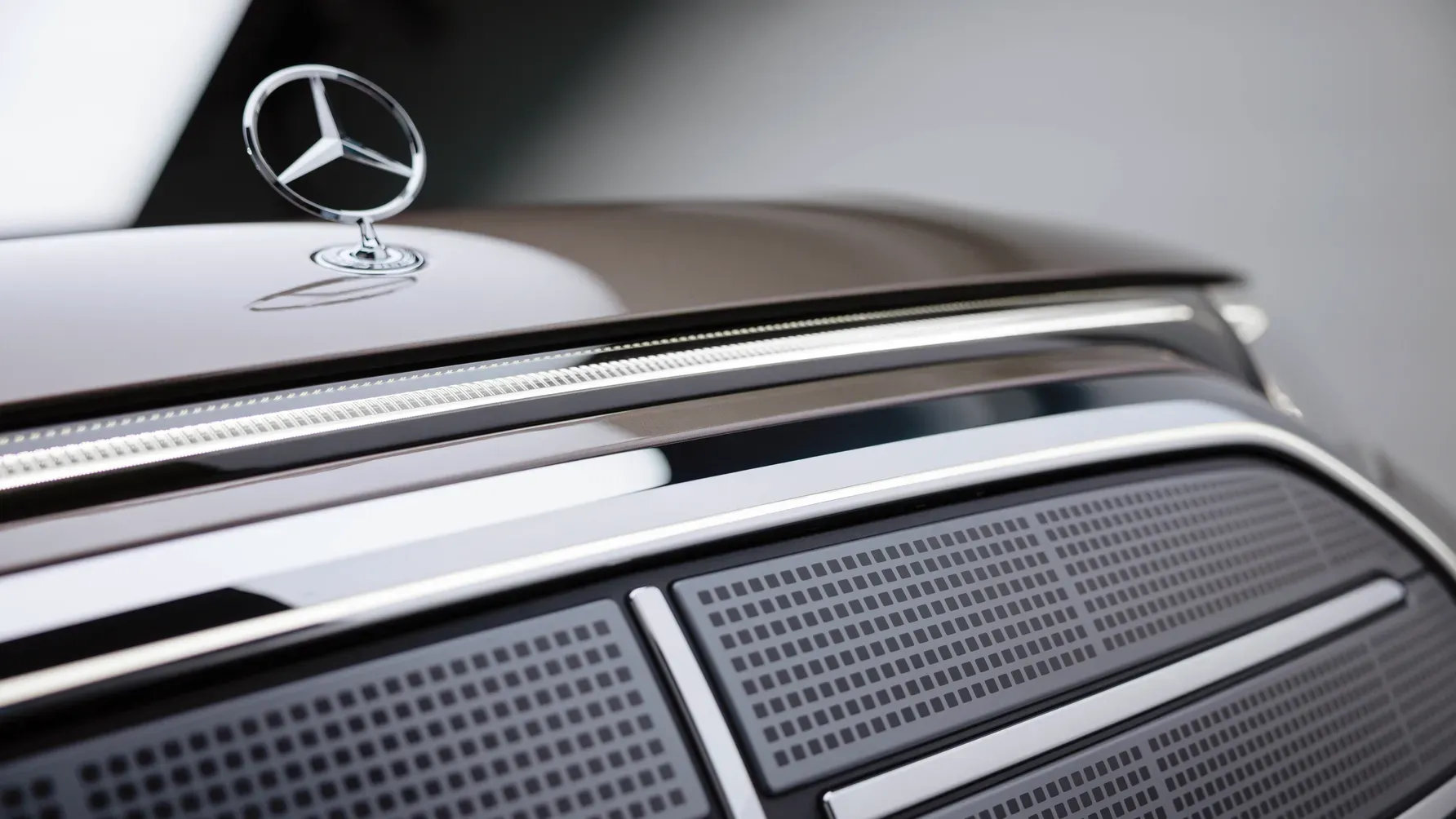
This shift reflects a broader transformation within luxury. Increasingly, value is measured not by what an object does, but by how it shapes experience. The most compelling designs are those that create space, physical, emotional, and temporal. In this context, the VLE is not an outlier. It is an early expression of a direction already underway.
What makes this approach particularly relevant is its alignment with how luxury is now used. Urban density, extended travel times, and the normalization of chauffeured movement have altered expectations. The journey is no longer incidental; it is part of the experience. Vehicles are expected to accommodate multiple states of being with equal fluency. The VLE responds with clarity, positioning itself not as a compromise between categories, but as a category of its own.
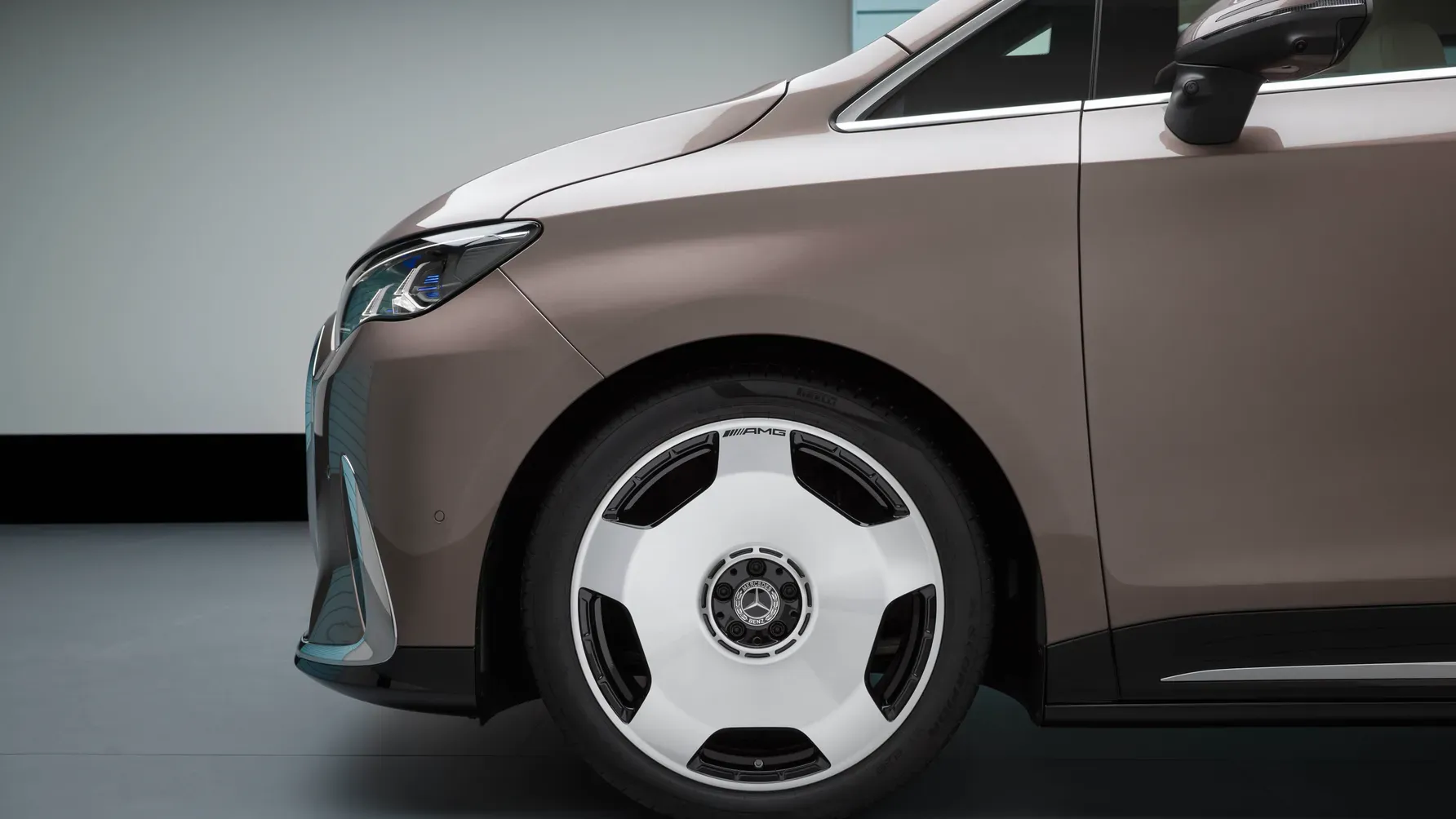
It is tempting to describe it as a van, but the term no longer applies. The VLE operates closer to a mobile suite, an enclosed environment where design, technology, and comfort converge with intent. The distinction is not semantic. It signals a departure from legacy classifications that no longer reflect how vehicles are actually lived with.
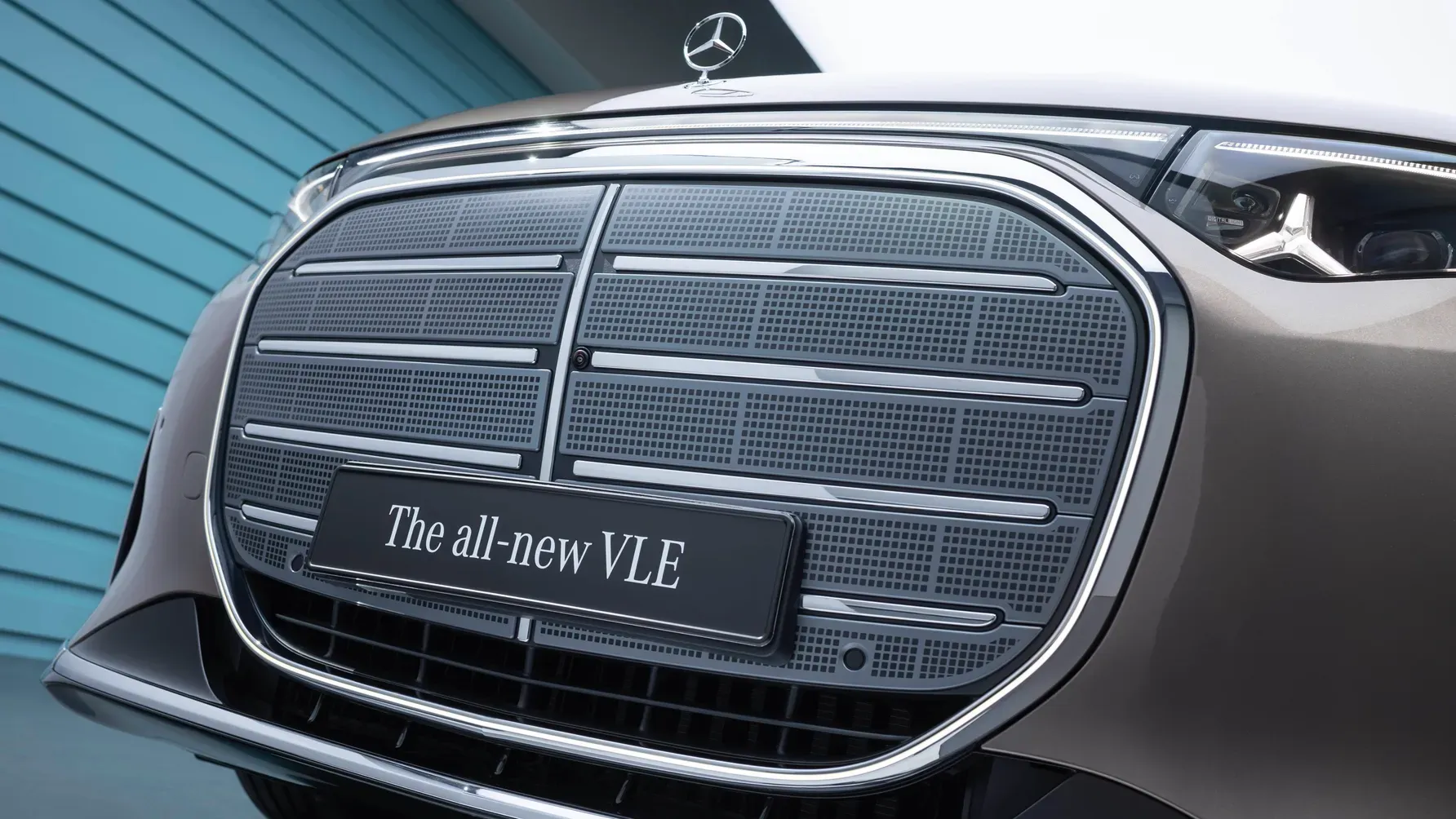
Importantly, this is not a speculative exercise. Mercedes-Benz has positioned the VLE within a broader production strategy, supported by a new electric architecture and a projected arrival later this decade. The intention is not to explore possibilities, but to establish direction.
That direction challenges long-held assumptions. For decades, luxury automotive design has been anchored in performance metrics and exterior form. The VLE suggests that the next phase will be defined by interior experience, by how effectively a vehicle can function as a space rather than a machine.
It does not compete with existing luxury vehicles.
It renders the comparison irrelevant.
Luxury is no longer defined by the act of driving.
The VLE, it is defined by the space in which the journey unfolds.