For centuries, the ocean has resisted permanence. Humans pass through it briefly—by ship, by submarine, by cable—but rarely remain. In 2024, DARPA quietly challenged that reality with the unveiling of Manta Ray, an autonomous underwater vehicle designed not to visit the deep, but to live there.
The announcement came and went with little fanfare outside engineering and defense circles. Yet the implications of the project extend far beyond military innovation. At its core, Manta Ray represents a philosophical shift in how we design machines for extreme environments—one that favors patience over speed, endurance over dominance, and intelligence over visibility.
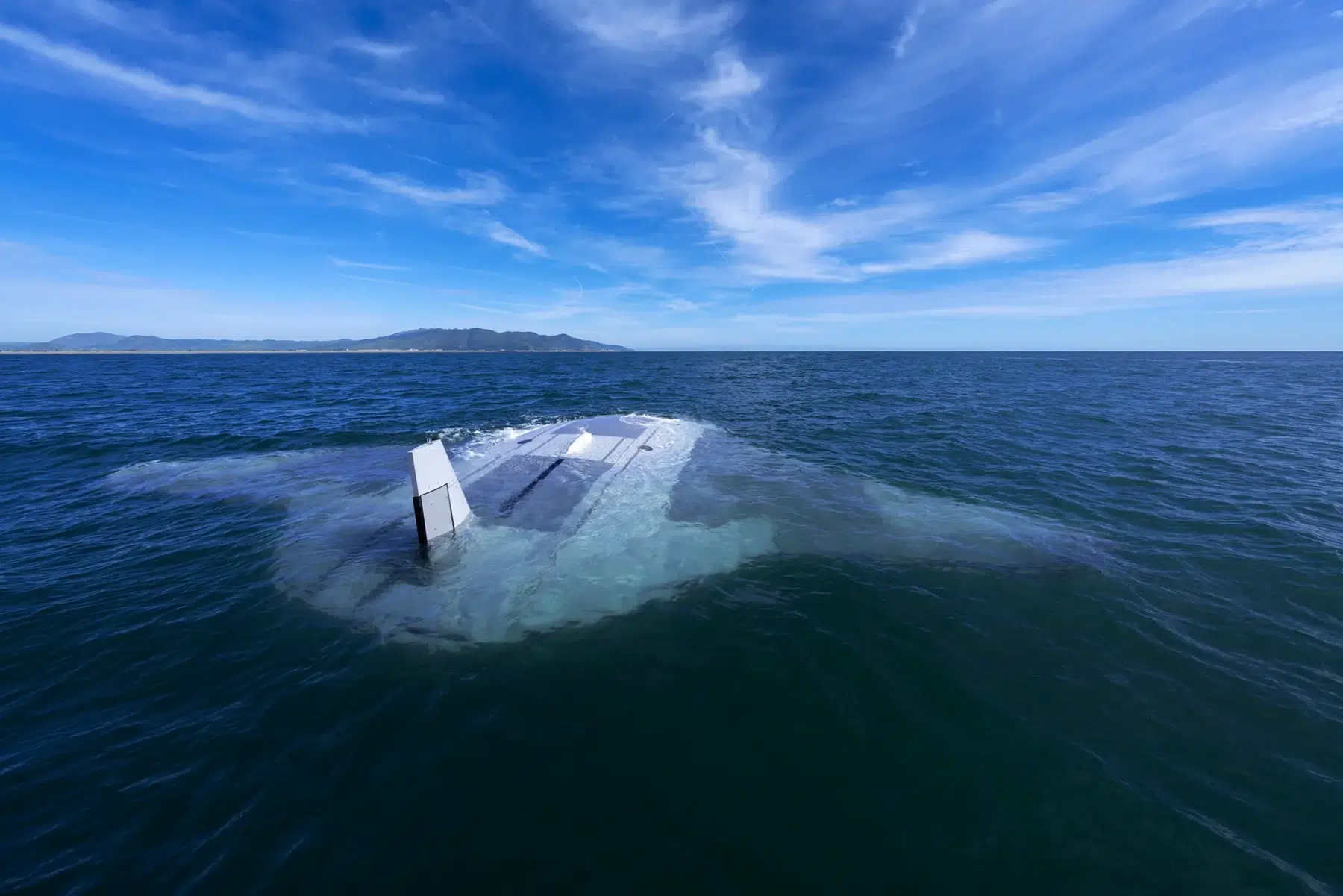
A Machine Inspired by Nature, Not Force
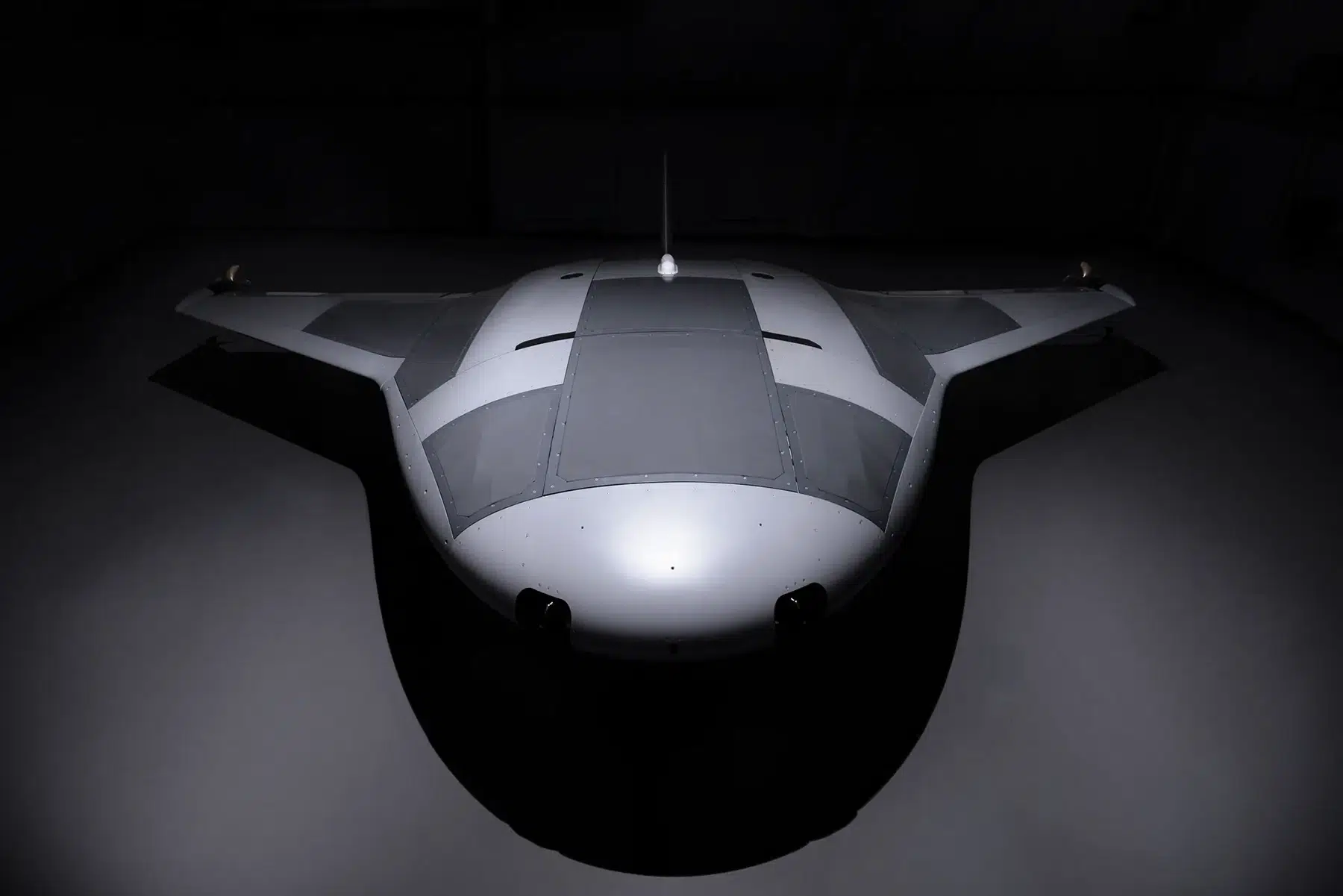
Shaped after its namesake, the manta ray, the vehicle’s form is neither aggressive nor overtly mechanical. Instead, it is fluid, organic, and purposefully restrained. This is not biomimicry for aesthetic appeal, but for survival. The manta ray’s silhouette is one of nature’s most efficient answers to long-distance movement through water—quiet, stable, and economical.
DARPA’s engineers leaned into this logic. Manta Ray is designed to operate for extended periods on the seafloor, conserving energy, minimizing motion, and avoiding the constant need for human intervention. It does not require a crew. It does not need to return frequently to port. In some configurations, it can even harvest energy from its surroundings.
Endurance as the New Benchmark
Traditionally, undersea vehicles have been judged by speed, depth rating, or payload. Manta Ray reframes the metric entirely. Its defining trait is persistence—the ability to remain submerged for months at a time, conducting missions autonomously in environments where communication is limited or nonexistent.
This long-duration capability is not just a technical achievement; it reflects a deeper understanding of the ocean itself. The deep sea is not a place of urgency. It is slow, vast, and indifferent. Machines designed to thrive there must adopt the same temperament.
Autonomy, Refined
What distinguishes Manta Ray from earlier unmanned underwater vehicles is not simply that it operates without a human onboard, but that it operates without constant instruction. Advanced onboard intelligence allows it to adapt to changing conditions, manage its own energy use, and carry out objectives with minimal external input.
In this sense, Manta Ray is less a remotely controlled tool and more a resident—an intelligent presence capable of decision-making beneath the surface.
Beyond Defense
While the project originates within a defense framework, its broader influence is difficult to ignore. Historically, many of today’s civilian technologies—GPS, satellite communication, advanced composites—began as military research before reshaping daily life.
The same trajectory is conceivable here. Long-duration autonomous undersea systems could one day transform oceanography, environmental monitoring, deep-sea infrastructure maintenance, and even subsea resource management. The idea of machines quietly inhabiting the depths, observing and maintaining rather than intruding, feels increasingly aligned with a more responsible approach to exploration.
A Quiet Redefinition of Progress
What makes the Manta Ray project so compelling is not what it does, but how it does it. There is no spectacle, no bravado. Its ambition lies in subtlety—in designing a machine that understands its environment well enough to disappear into it.
In an era defined by rapid innovation and constant visibility, Manta Ray offers a different vision of progress. One where the most advanced systems are not those that announce themselves loudly, but those that endure quietly, operating with elegance far from view.
The future of exploration, it suggests, may not belong to the fastest or the biggest—but to the most patient.