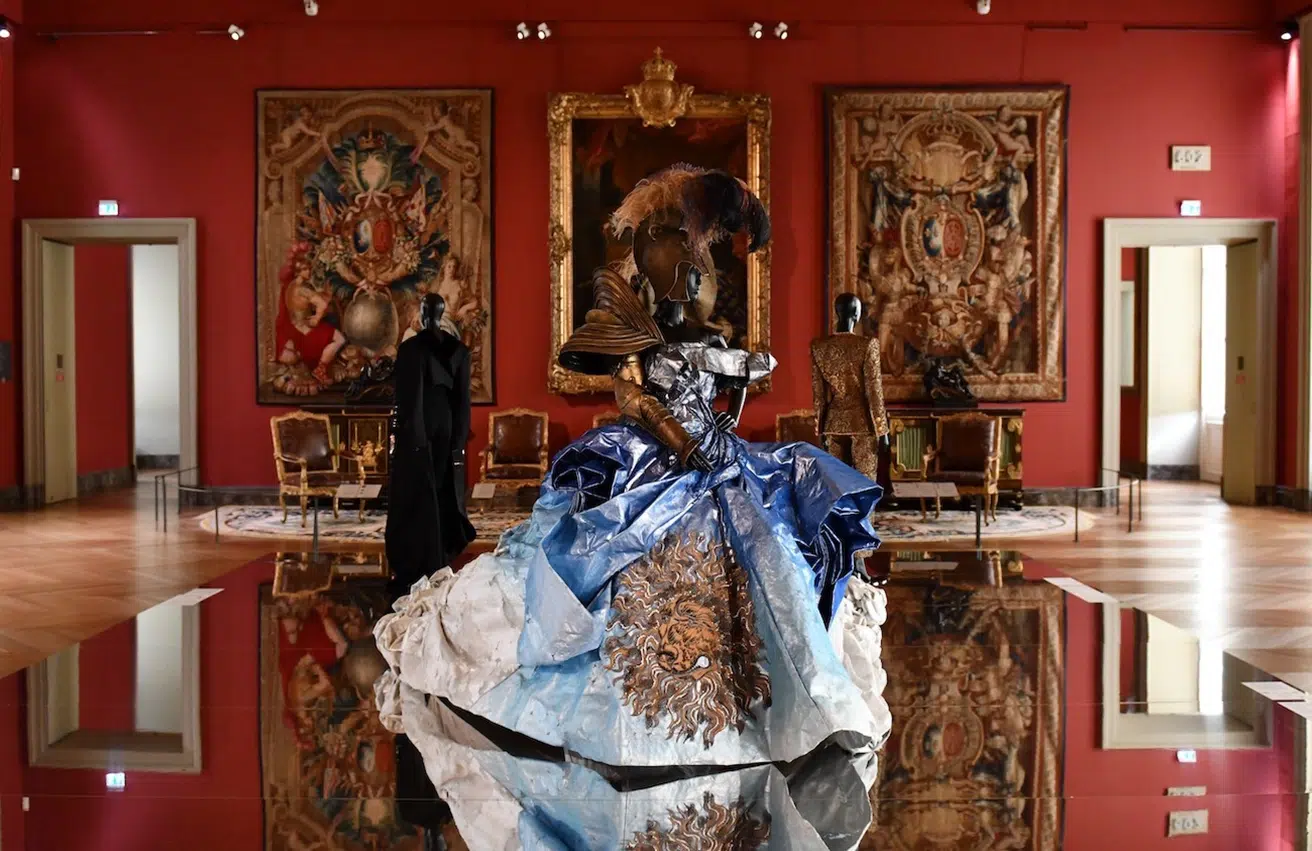
Fashion rarely asks for permission. At its best, it simply arrives—confident, composed, and ready to converse with history. That is precisely what unfolds at the Museum of Fine Arts, Houston, where Louvre Couture transforms the galleries into an elegant dialogue between haute couture and fine art.
Originally conceived at the Musée du Louvre—the institution’s first exhibition devoted entirely to fashion—the presentation marked a decisive shift in how couture is understood: not as adornment, but as a cultural artifact. Now, in Houston, that idea deepens. Removed from Parisian mythology and placed within MFAH’s encyclopedic collection, fashion stands on its own authority.
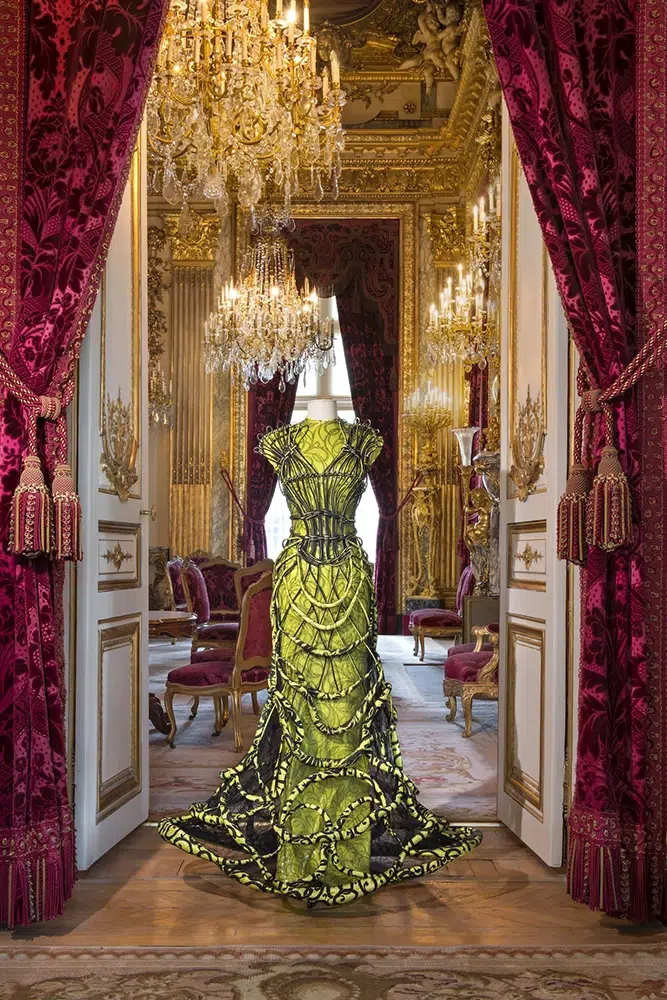 Louvre-Couture-Jean-Paul-Gaultier. Photo Nicolas Mathéus Louvre-Couture-Jean-Paul-Gaultier. Photo Nicolas Mathéus |
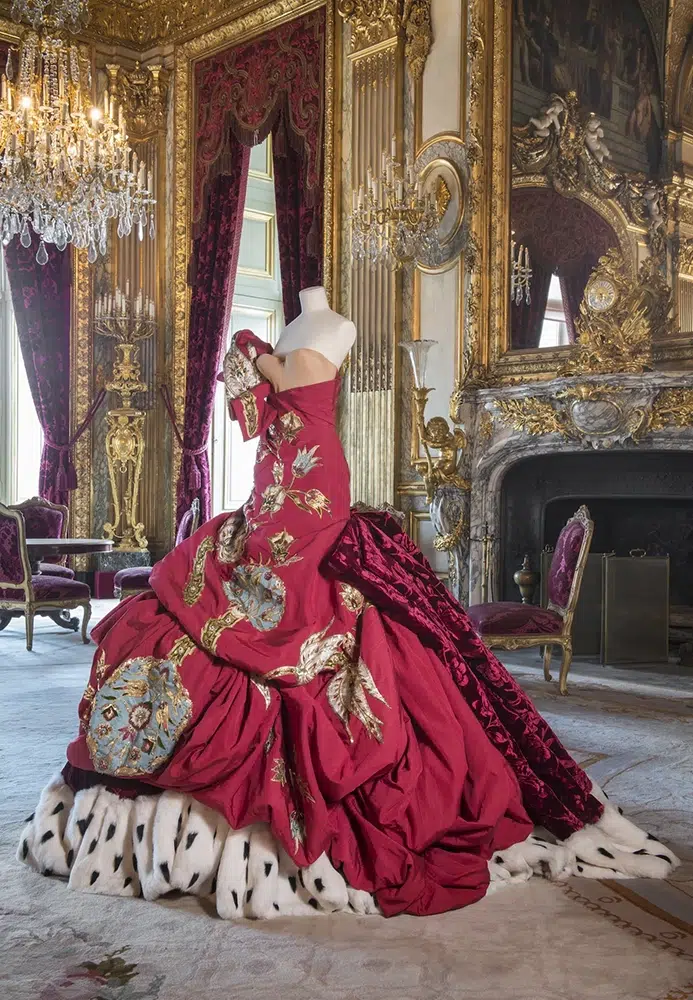 Dior Photo Nicolas Mathéus Dior Photo Nicolas Mathéus |
Couture in Conversation
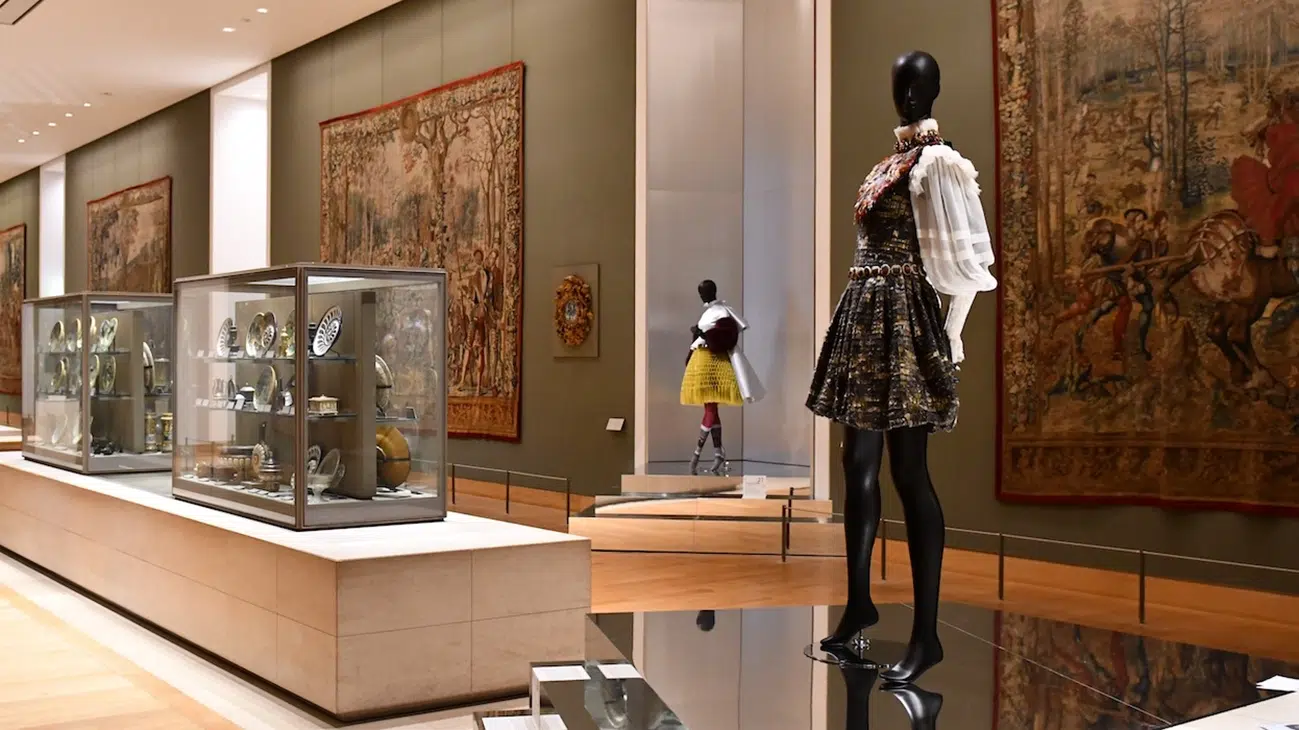
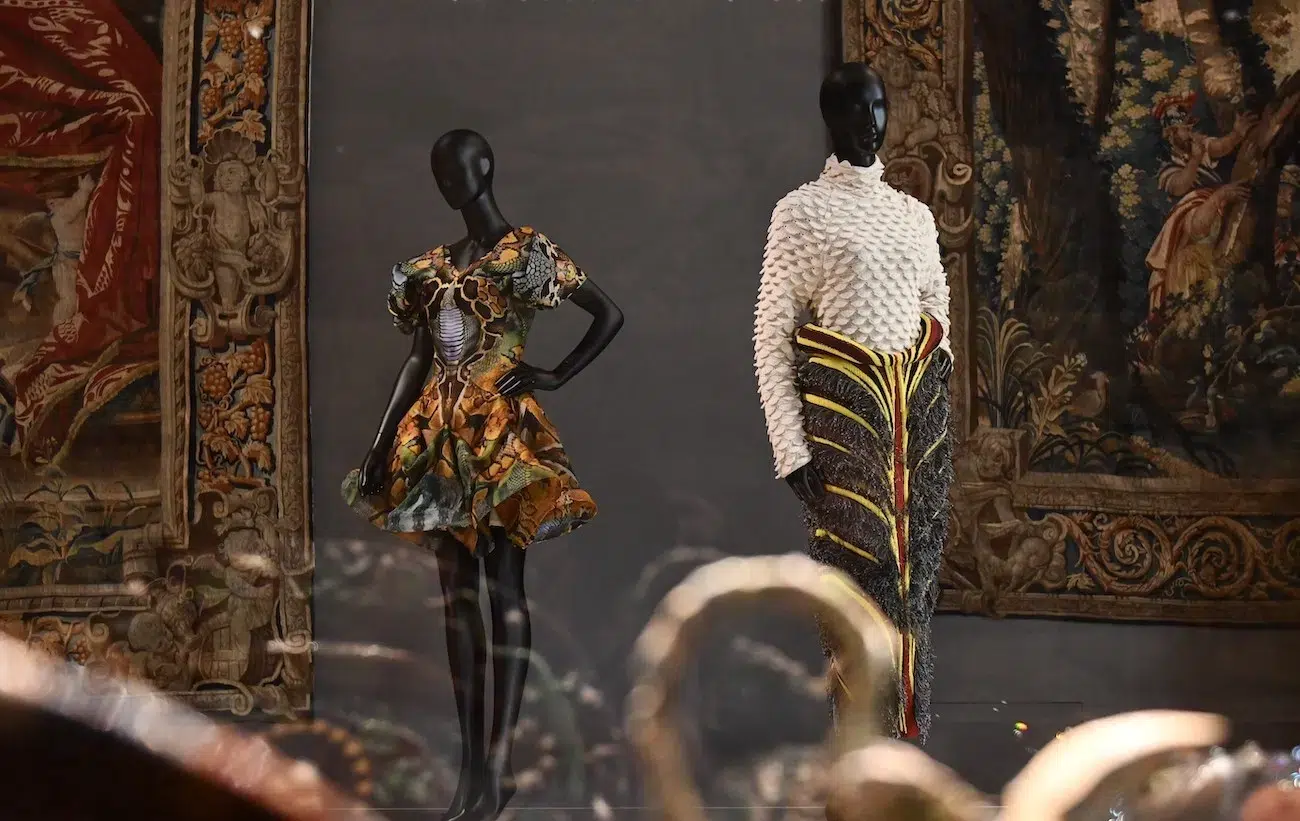
Rather than isolating garments in white-box reverence, Louvre Couture places them directly beside paintings, sculpture, furniture, and antiquities. The effect is subtle and striking. A silhouette echoes a column. A bodice mirrors a canvas. Color, structure, and gesture begin to rhyme across centuries.
A Yves Saint Laurent Mondrian dress converses effortlessly with modernist geometry. A sculptural creation by Iris van Herpen reflects the same tension and release found in contemporary abstraction. Elsewhere, tailoring by Cristóbal Balenciaga reveals a discipline as architectural as anything carved in marble.
From Atelier to Institution
What distinguishes this exhibition is not scale, but intention. Each ensemble has been selected for its conceptual weight—how it thinks, not merely how it looks. The result elevates couture beyond trend or season and situates it firmly within the continuum of artistic production.
Fashion houses including Christian Dior, Chanel, Givenchy, and Louis Vuitton appear not as brands, but as authors—each with a point of view shaped by history, craft, and cultural moment. Contemporary designers stand comfortably beside them, reinforcing the idea that innovation, like art, is cumulative.
Why It Matters Now
In an era when fashion is often consumed in seconds and discarded just as quickly, Louvre Couture slows the pace. It asks viewers to consider craftsmanship, intent, and legacy. It suggests that true luxury—whether stitched, painted, or carved—endures because it reflects its time while transcending it.
For Houston, the exhibition signals something larger. It places the city firmly on the global cultural map, hosting a show that bridges Parisian heritage with an American perspective. For visitors, it offers something rarer still: the chance to see fashion not as fantasy, but as history in the making.
Quietly, confidently, Louvre Couture reminds us that the most powerful statements in style are often the most measured.