Italy is no longer simply a benchmark in fine wine—it is the most dynamic force shaping it today. Across recent trade tastings, that shift has become unmistakable. While other regions compete for attention, Italy continues to expand its reach, offering a level of diversity and precision that remains largely unmatched.
With hundreds of native grape varieties and a landscape that moves from alpine foothills to sunlit lakes and coastal plains, Italy is less a single wine country than a collection of distinct identities. What emerges is not just variety, but momentum—an evolving narrative that rewards those willing to look beyond the familiar.
Alta Langa and the Quiet Rise of Italian Sparkling
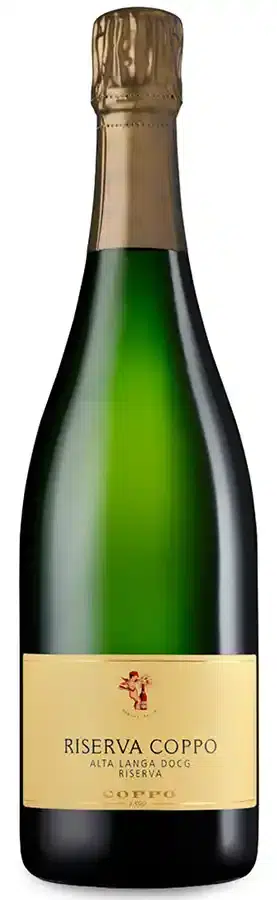
In Piedmont, long associated with Barolo and Barbaresco, another category is quietly asserting itself. The sparkling wines of Alta Langa DOCG, produced using the traditional method, offer a more restrained—and often more nuanced—expression of Italian effervescence.
Made primarily from Pinot Noir and Chardonnay, these wines undergo secondary fermentation in bottle, developing a fine, persistent mousse and layered aromatics. The result is not overt opulence, but precision: citrus, toasted almond, and fresh bread carried by a crisp, mineral backbone.
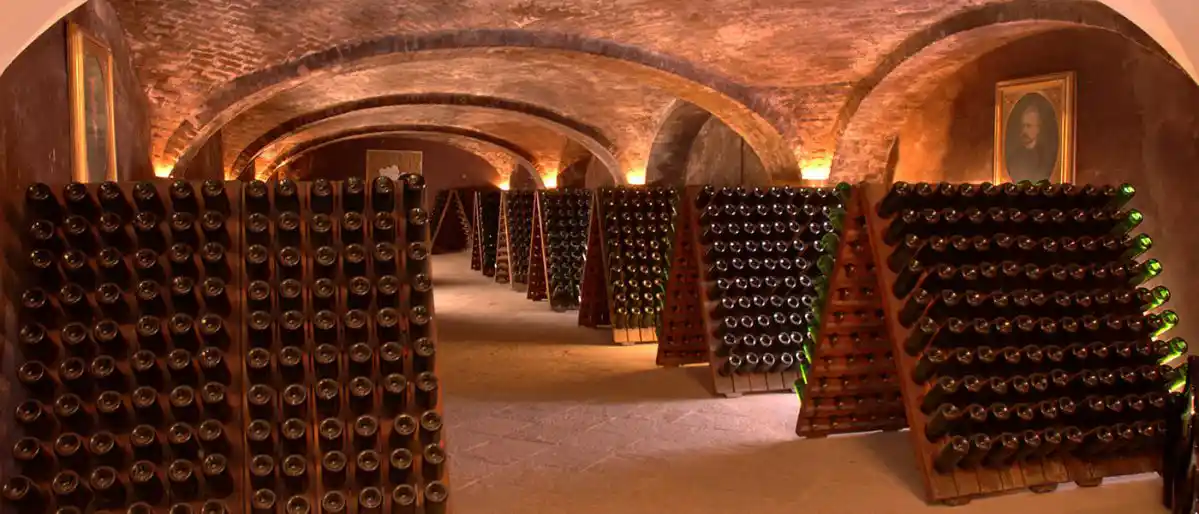
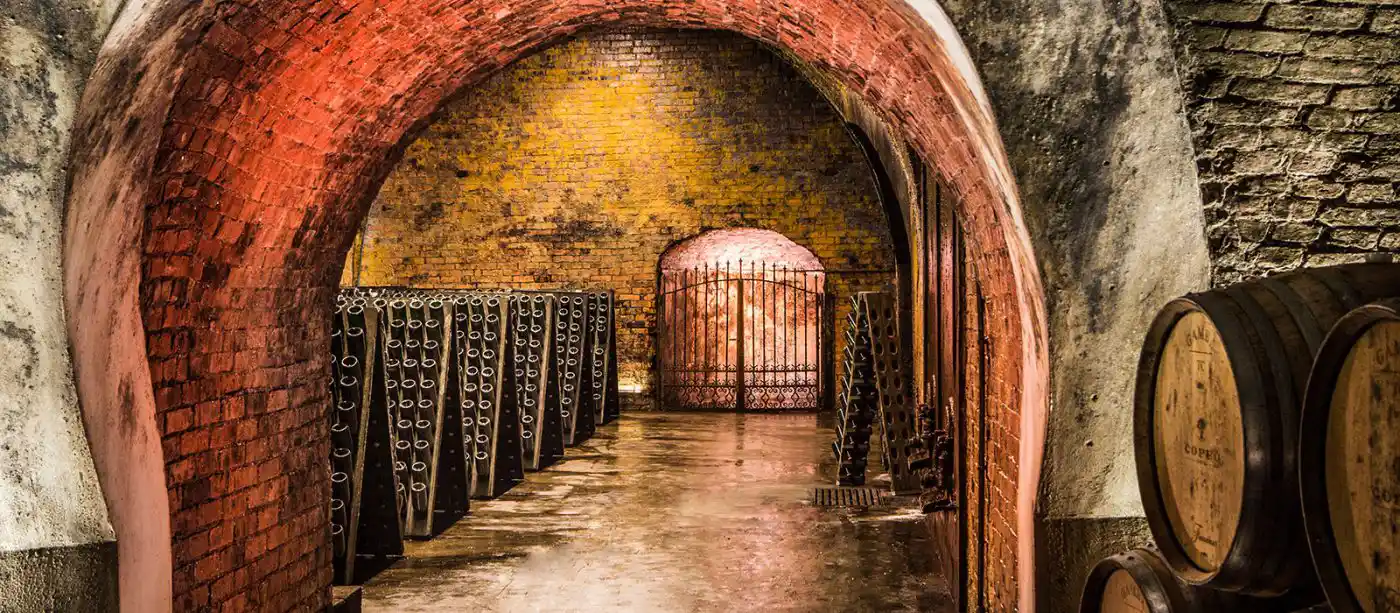
Producers such as La Fusina and Coppo exemplify this approach. Coppo, in particular, benefits from its historic underground cellars—part of a UNESCO-recognized network—where bottles age under ideal conditions, gaining depth without sacrificing clarity.
The Enduring Relevance of Slow Wine
If Alta Langa reflects technical discipline, the Slow Wine Coalition represents a philosophical counterpoint—one rooted in origin and restraint.
Founded in 2010, the initiative brings together growers, producers, and distributors around a shared principle: wine should reflect the land from which it comes. That commitment extends beyond rhetoric. Producers are required to cultivate the majority of their own grapes and avoid synthetic chemicals, reinforcing a direct relationship between vineyard and bottle.
At this year’s New York tasting, that ethos translated into wines of remarkable clarity—bottles that favored expression over intervention, and identity over uniformity.
Lake Garda and Italy’s Understated Excellence
Nowhere was that sense of place more evident than in the vineyards surrounding Lake Garda, a region often overshadowed by its more famous neighbors.
Here, indigenous varieties—Turbiana, Groppello, Corvinone, and Rondinella—form the foundation of wines that favor balance over power. Labels such as Lugana and Bardolino reveal a quieter, more nuanced side of Italian winemaking, defined by freshness, texture, and subtle mineral tension.
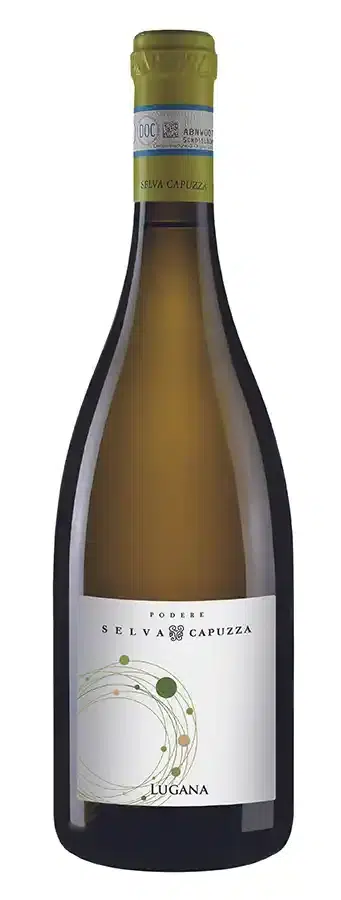
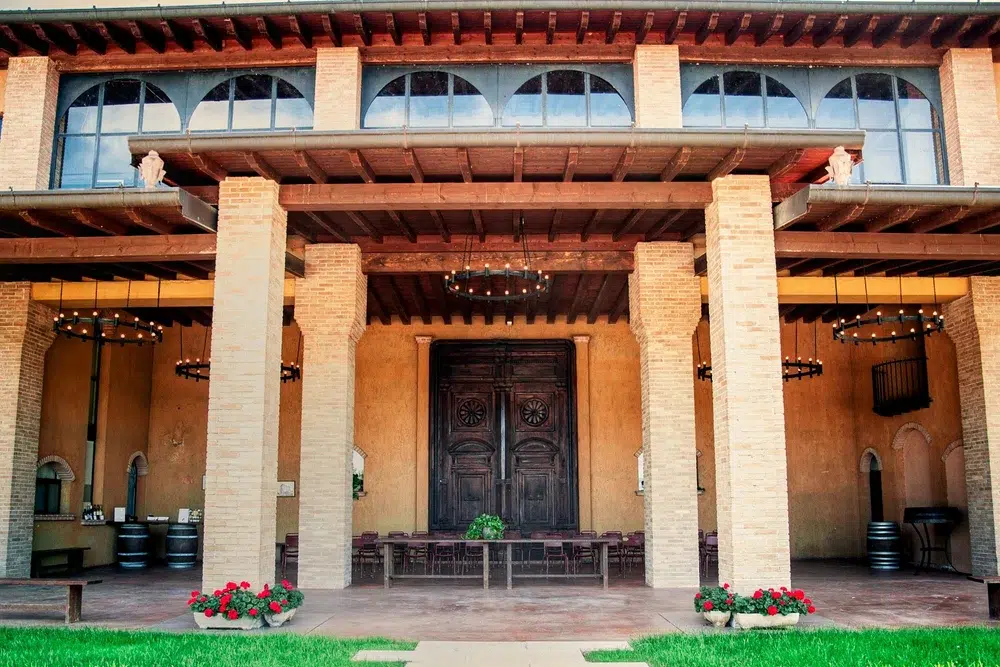
Among the standout producers is Podere Selva Capuzza, a family-run estate led by Luca Formentini. With a focus on historic grape varieties and sustainable farming, the winery exemplifies the region’s understated appeal. It’s Lugana, in particular, that offers a refined expression—herbal, citrus-driven, and marked by a saline finish that reflects the nearby lake.
Italy’s greatest strength is not its history—it is its refusal to be defined by it.
What becomes clear across these tastings is not simply the quality of Italian wine, but its range. From the precision of Alta Langa’s sparkling wines to the quiet integrity of Lake Garda’s whites, Italy continues to redefine what a modern wine country can be.
And for those willing to look beyond the expected, the rewards are not just considerable—they are definitive.