Long before limoncello became a staple of cocktail bars around the world, it was a simple expression of southern Italy’s generosity—shared after family meals, poured from frosted bottles, and crafted from lemons that have flourished along the Mediterranean for centuries.
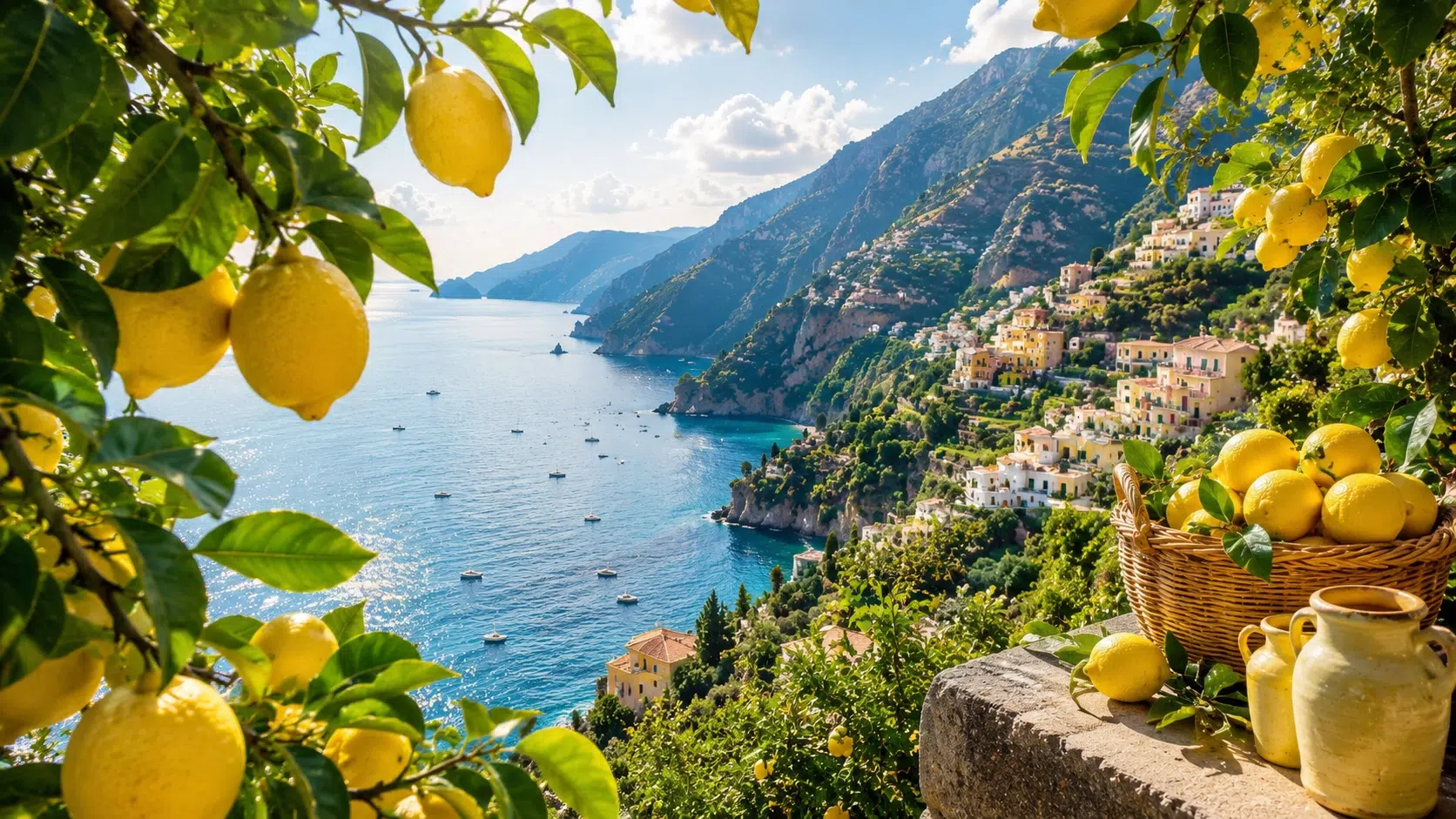
Morning arrives gently along the Amalfi Coast. Sunlight spills across dramatic cliffs, fishing boats drift quietly across impossibly blue water, and terraces carved into the mountainsides glow beneath rows of lemon trees heavy with fruit. Their fragrance lingers in the warm sea air long before the harvest begins, carrying with it a scent that has become inseparable from southern Italy itself.
It is here, among these sun-drenched groves overlooking the Mediterranean, that limoncello finds its soul.
To many visitors, the brilliant yellow liqueur is simply a refreshing digestif served after dinner. For Italians, however, it represents something far more enduring. It speaks of family recipes passed quietly from one generation to the next, afternoons spent harvesting fragrant citrus beneath hand-built pergolas, and the effortless hospitality that transforms every shared meal into an occasion worth remembering.
Few drinks capture the spirit of a place with such remarkable clarity.
Where Limoncello Begins
Although its exact origins remain lovingly debated between Sorrento, Amalfi, and Capri, limoncello belongs unmistakably to Italy’s southern coastline. Here, generations of growers have cultivated extraordinary lemons whose remarkable fragrance and thick aromatic peels have shaped both the landscape and the local culture.
Among the most prized are the celebrated Sfusato Amalfitano lemons of the Amalfi Coast and the Femminello Ovale di Sorrento, both renowned for their intensely perfumed oils and vibrant citrus character. Protected by centuries-old agricultural traditions, many of these lemons carry Protected Geographical Indication (PGI) status, recognizing not only their exceptional quality but also the unique environment in which they are grown.
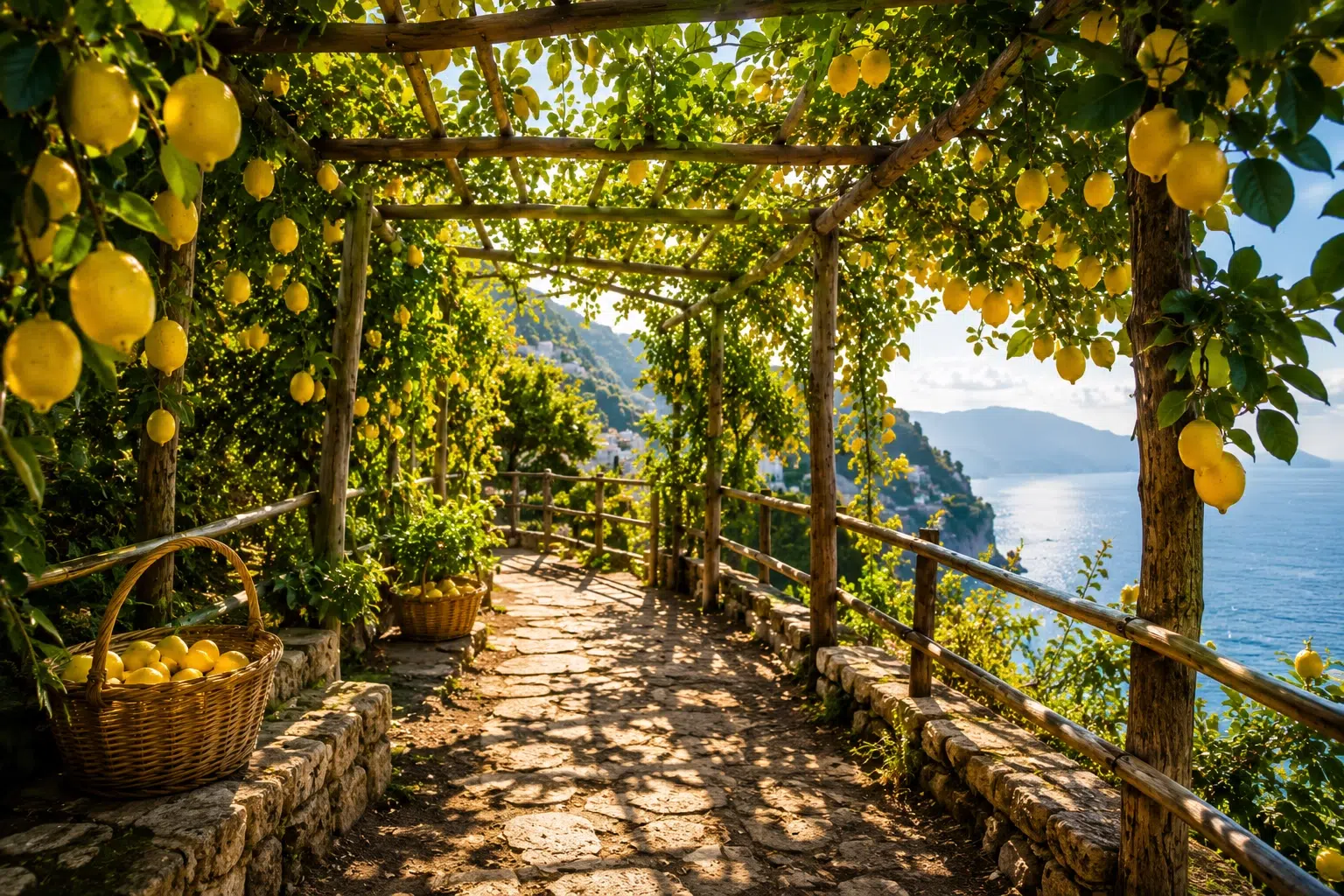
Walking through these orchards is unlike visiting a conventional vineyard or farm. Lemon trees stretch beneath traditional chestnut wood pergolas draped with woven pagliarelle, protective mats that shelter the fruit from harsh weather while allowing it to ripen slowly beneath the Mediterranean sun. The result is fruit of extraordinary aromatic intensity—fruit destined not only for kitchens but for one of Italy’s most beloved spirits.
For generations, these groves have defined the rhythm of daily life. Harvest seasons remain family affairs, knowledge is shared through experience rather than instruction, and recipes are preserved with quiet pride rather than written down. Every bottle of authentic limoncello begins long before the first peel is cut; it begins in the landscape itself.
The Craft Behind Every Bottle
Limoncello’s remarkable simplicity is perhaps its greatest luxury.
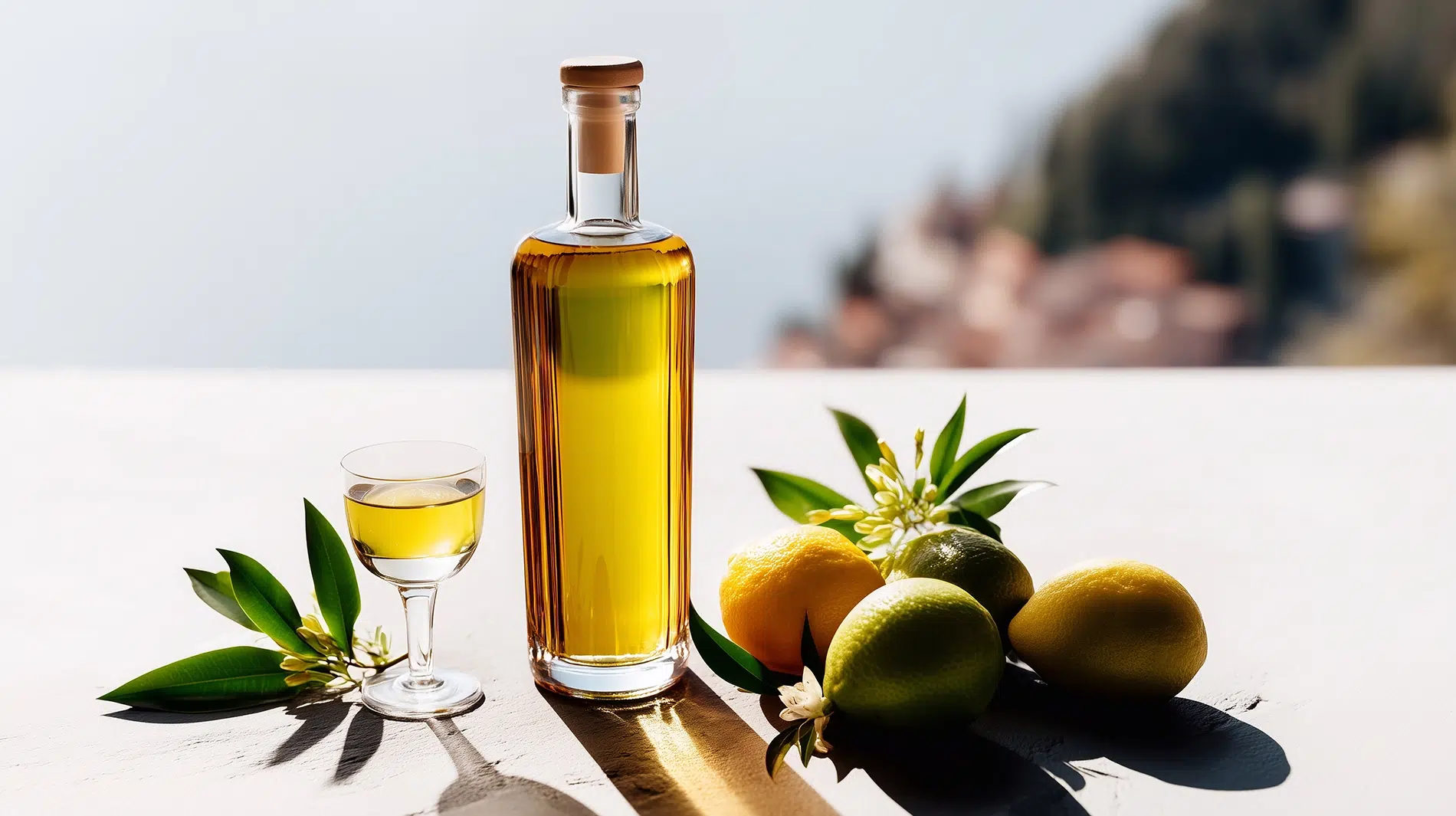
Unlike many spirits, its character depends not upon elaborate distillation but upon patience and exceptional ingredients. Fresh lemons are carefully peeled by hand, removing only the vibrant outer zest while avoiding the bitter white pith beneath. It is within this delicate layer that the fruit’s essential oils—and its unmistakable fragrance—reside.
Those peels are gently infused in neutral alcohol over time, allowing the citrus oils to develop naturally before being blended with water and sugar. There are no shortcuts to creating exceptional limoncello. The finest producers rely on restraint, balance, and the quality of the fruit itself rather than excessive sweetness or artificial flavouring.
Historic houses such as Villa Massa, Luxardo, and Limoncello di Capri continue to preserve techniques refined over generations, demonstrating that authenticity often lies in respecting tradition rather than reinventing it.
That philosophy has inspired artisans far beyond Italy’s shores. Around the world, small producers continue to honour classic Italian methods while adding their own regional identity. One such example is Lina’s Crema di Limoncello, crafted in Jupiter, Florida, from a treasured family recipe originating in Italy’s Abruzzo region. Richer and silkier than traditional limoncello, it reflects how cherished traditions can travel across continents while remaining deeply connected to their roots.
In every case, craftsmanship begins with respect, for the fruit, for time, and for the generations who perfected the process long before modern cocktail culture embraced it.
A Ritual of Italian Hospitality
If craftsmanship gives limoncello its character, hospitality gives it meaning.
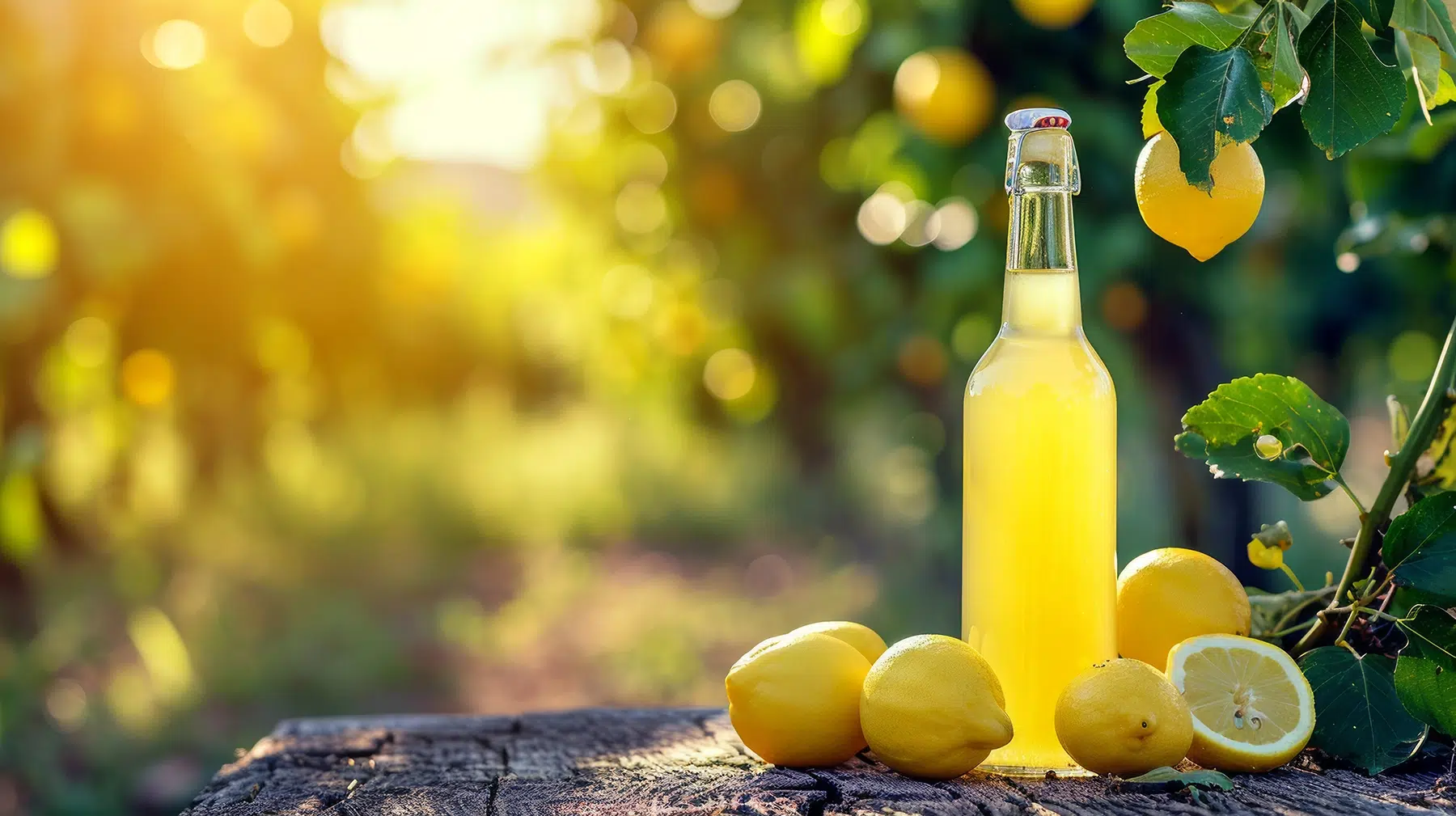
Throughout Italy, bottles are traditionally kept in the freezer until perfectly chilled, then poured into small frosted glasses as a meal draws to a close. There is little ceremony beyond that. Conversation slows naturally, desserts arrive at the table, and another glass becomes an invitation to linger just a little longer.
It is a ritual rooted not in luxury for its own sake, but in generosity.
Today, limoncello has found new life well beyond the Italian dinner table. Bartenders incorporate it into elegant Spritzes and sparkling cocktails, while pastry chefs fold its vibrant citrus notes into gelato, cakes, panna cotta, and delicate creams. Its remarkable versatility continues to inspire new interpretations without diminishing the traditions from which it emerged.
Yet perhaps its greatest appeal remains its simplest expression: a perfectly chilled glass enjoyed as the Mediterranean sun begins to set.
That single moment captures everything limoncello has represented for generations—beautiful ingredients, patient craftsmanship, effortless hospitality, and the understanding that life’s finest pleasures are rarely hurried.
In an age increasingly drawn to authenticity, limoncello continues to remind us that true luxury is often beautifully uncomplicated. It lives in the scent of freshly harvested lemons carried on a coastal breeze, in recipes preserved by families rather than factories, and in the quiet pleasure of raising a chilled glass among friends as another unforgettable Italian evening gently comes to an end.