On World Whisky Day, attention shifts not to quantity, but to distinction, those rare releases that define where the category stands today.
This year, that definition is increasingly shaped not by age alone, but by intent.
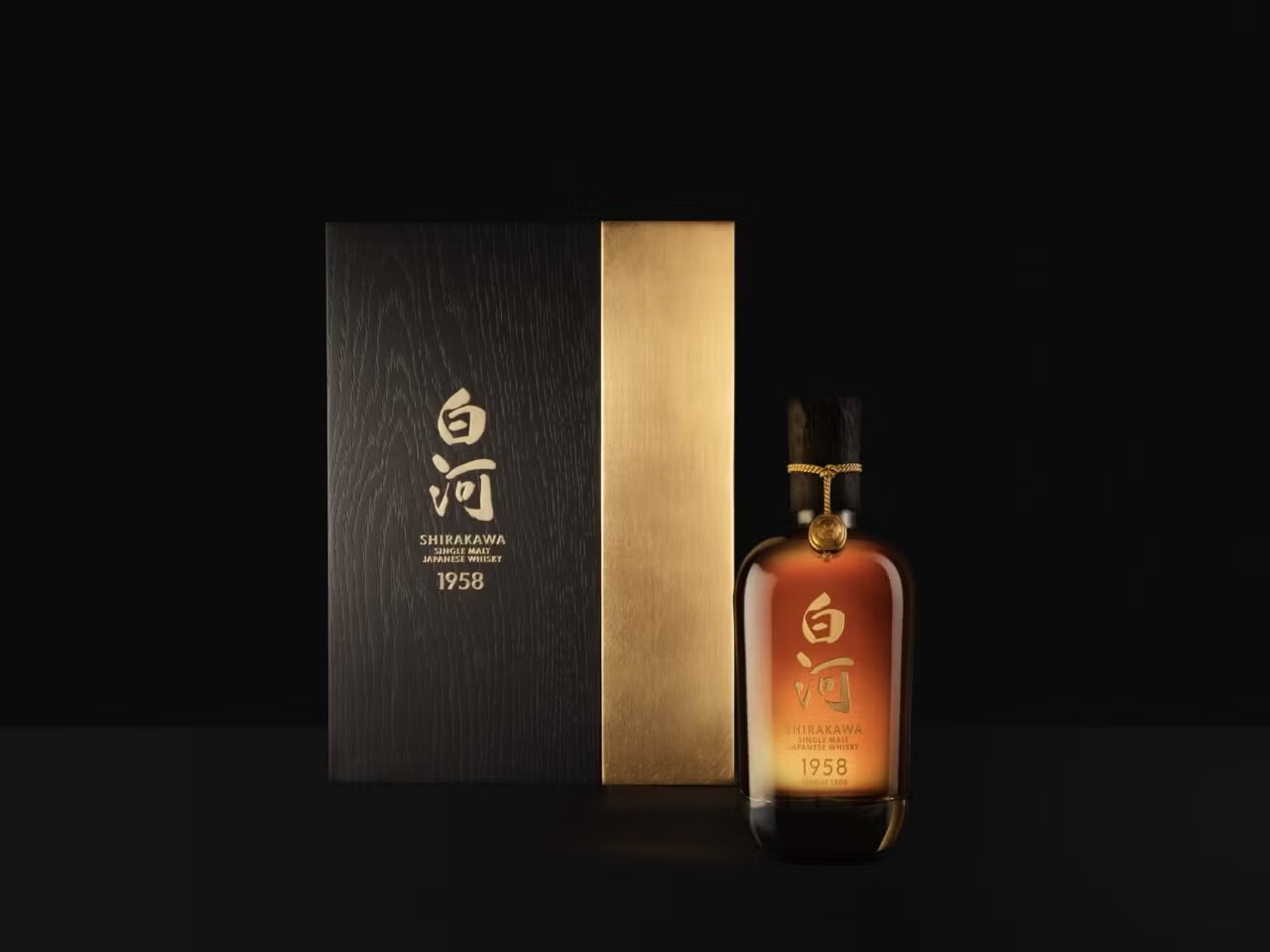
At the outer edge of rarity sits a rediscovered chapter of Japanese whisky. Served by the dram at Lucky Cat, the Shirakawa 1958 is drawn from a distillery long since dismantled, its remaining stock preserved, transferred, and ultimately forgotten before resurfacing decades later. The result is a whisky that carries both time and circumstance, its profile, incense, grass, fruit, and mint, unfolding with a quiet complexity that feels less constructed than inherited.
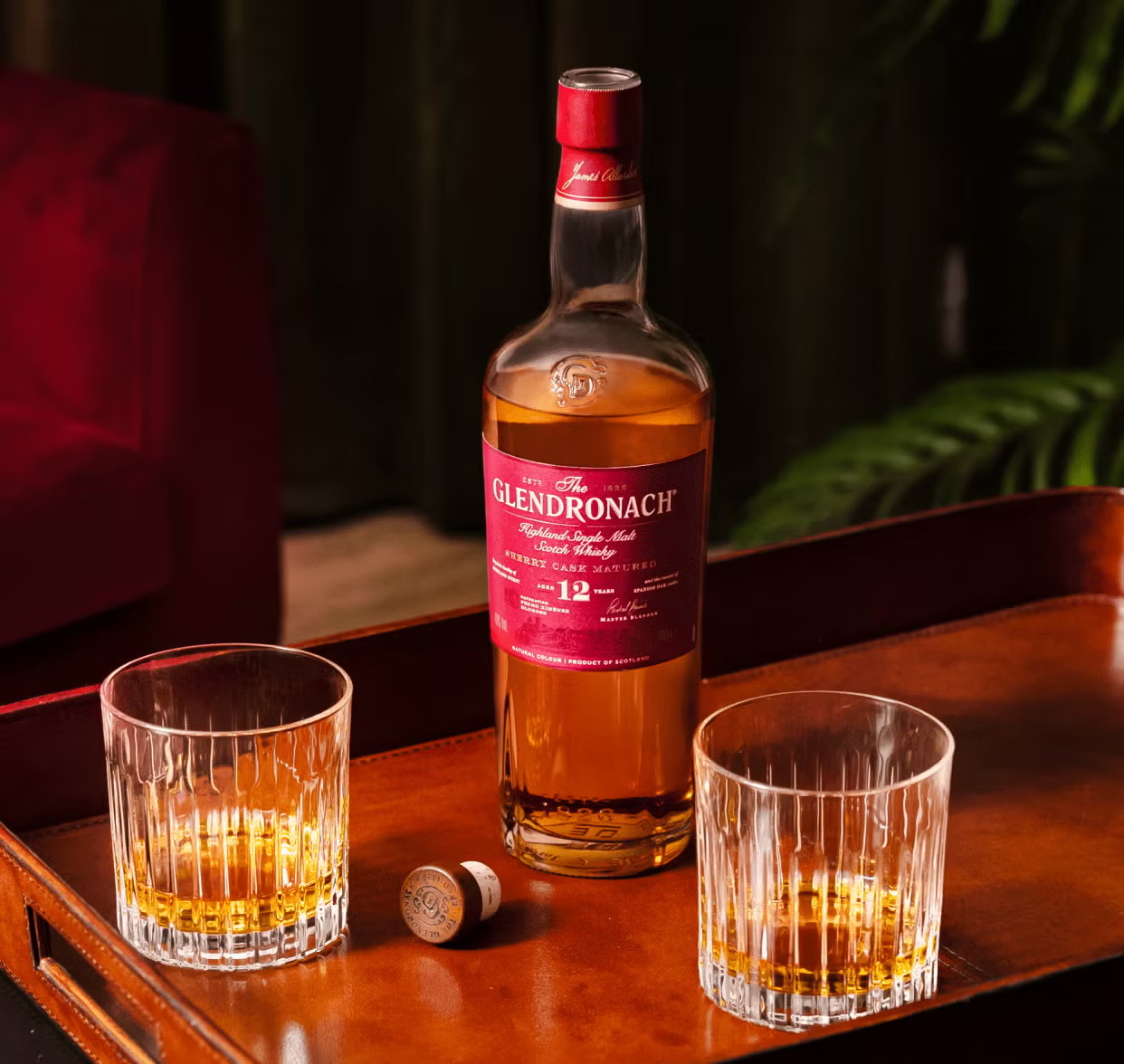
Scotland responds with a different kind of authority. The GlenDronach marks its bicentenary with a 56-year-old single malt, its oldest release to date, presented in hand-finished crystal and housed within American black walnut. Limited to 200 decanters, it reflects not just longevity, but the discipline required to sustain it.
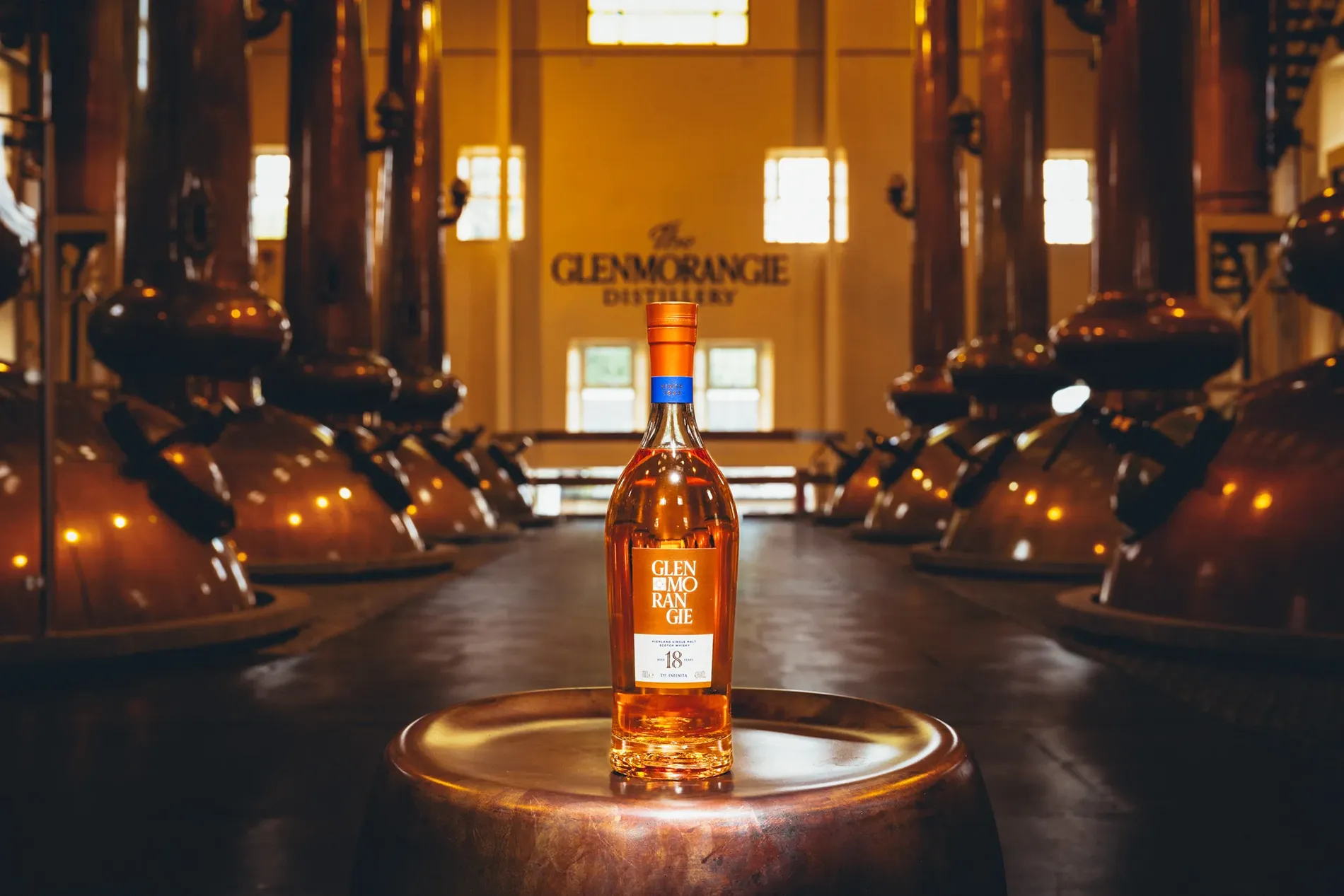
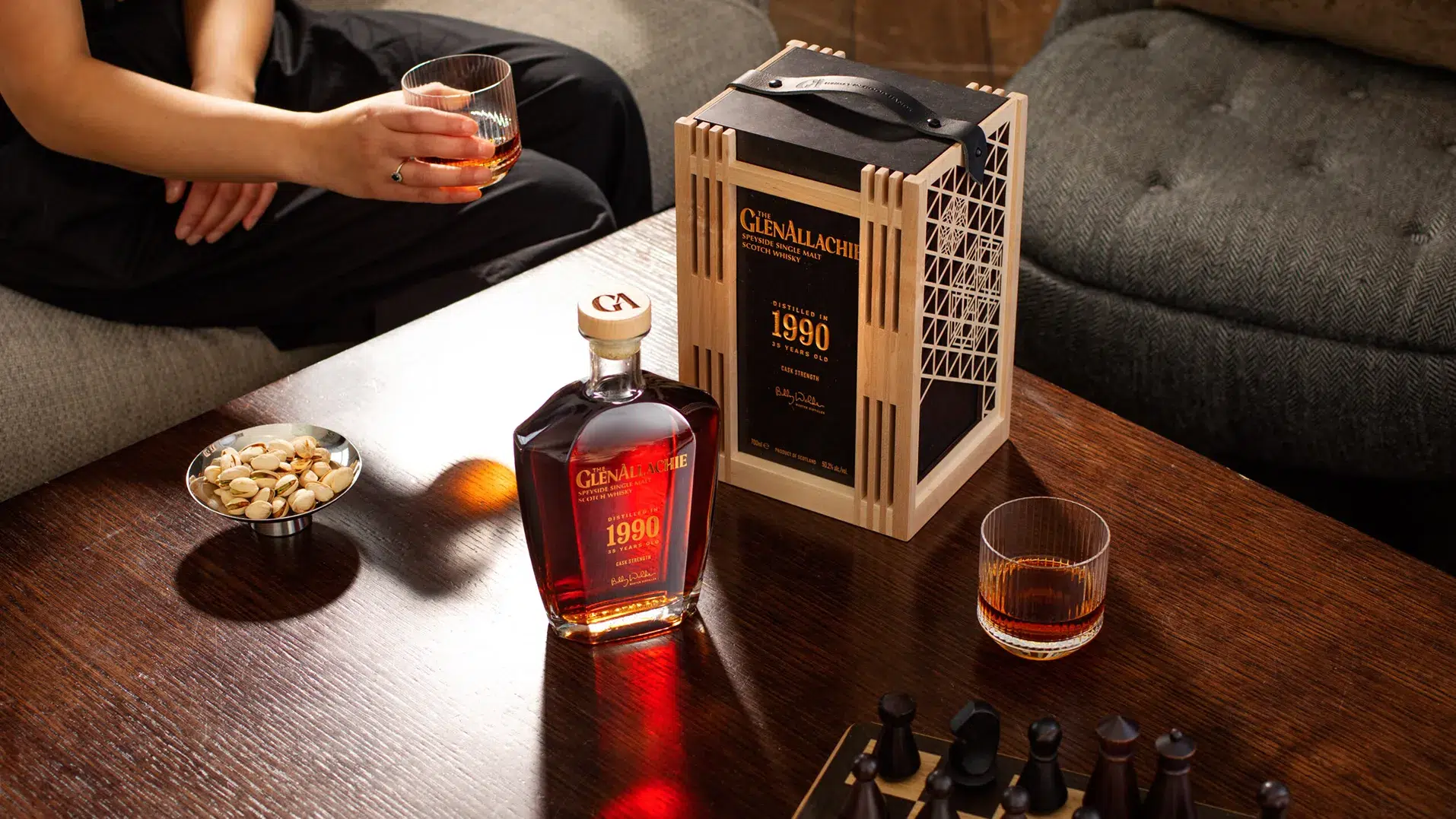
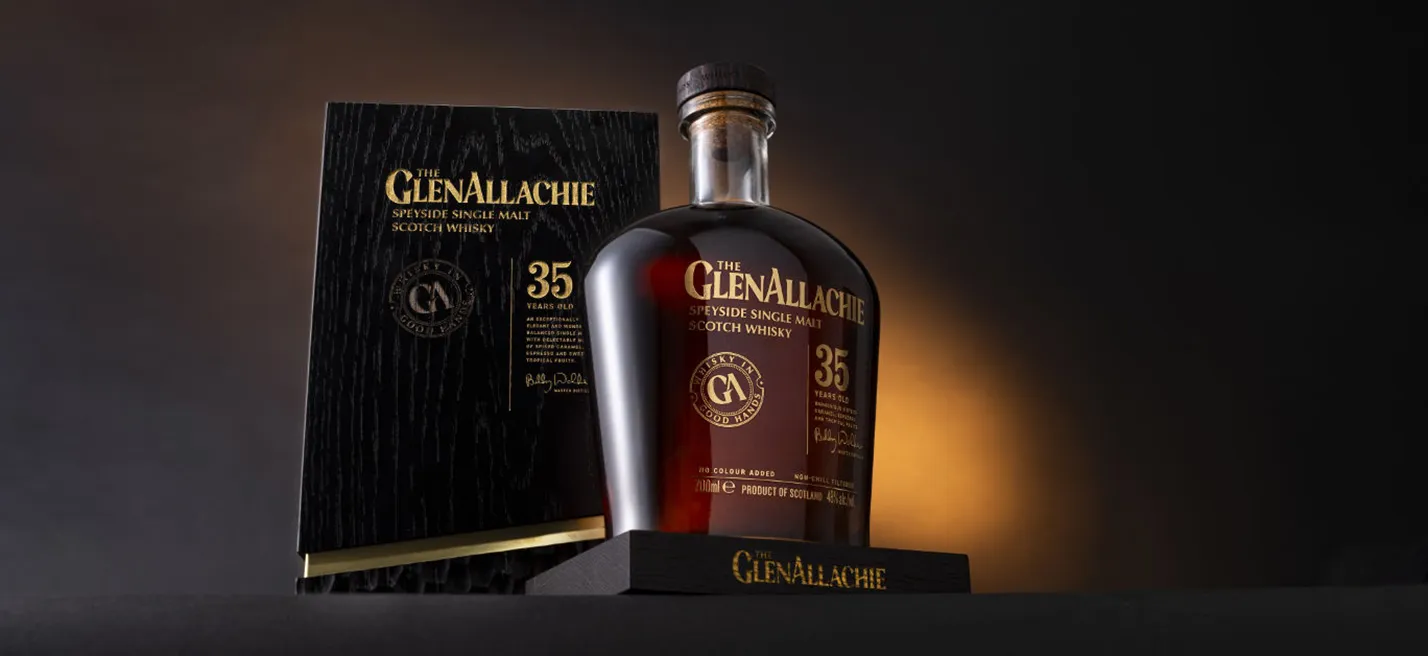
That same refinement defines The GlenAllachie’s 35-year-old cask-strength release, where mizunara oak, sherry casks, and American oak converge into a profile that is layered without excess, with cocoa, spice, tropical fruit, and sandalwood held in careful alignment.
Beyond these headline releases, the direction becomes clearer. Loch Lomond continues to explore cask variation with precision, while Kilchoman introduces Maury wine casks into its maturation, adding depth without disrupting its identity.
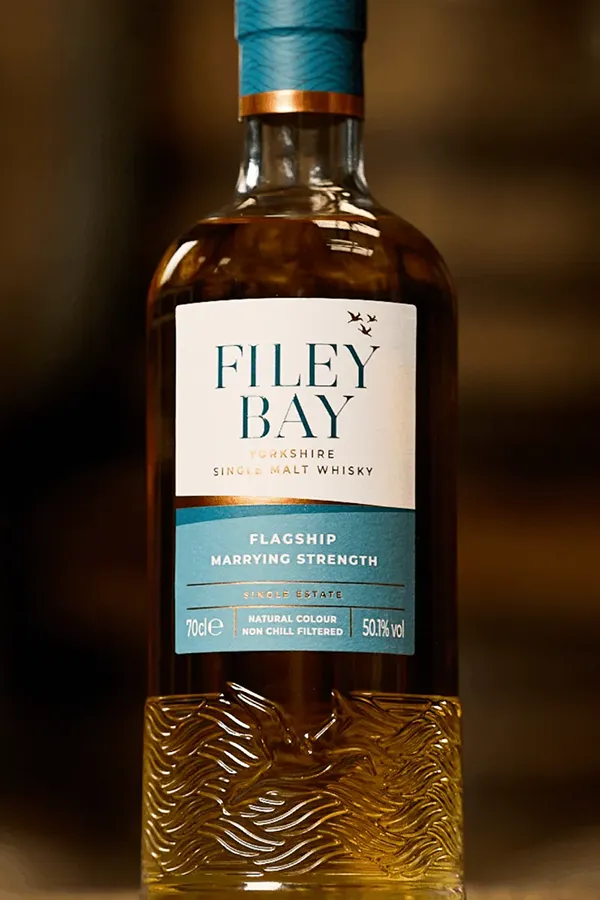
Even newer producers are contributing to this shift. At Filey Bay, the emphasis on “marrying strength”, a deliberate, gradual integration of spirit before bottling, underscores a growing focus on control rather than acceleration.
Taken together, these releases suggest a recalibration. Whisky is no longer defined solely by age, rarity, or origin, but by how deliberately it is shaped, from cask to glass.
On World Whisky Day, that distinction feels increasingly clear.
The most compelling bottles are not simply old.
They are exacting.