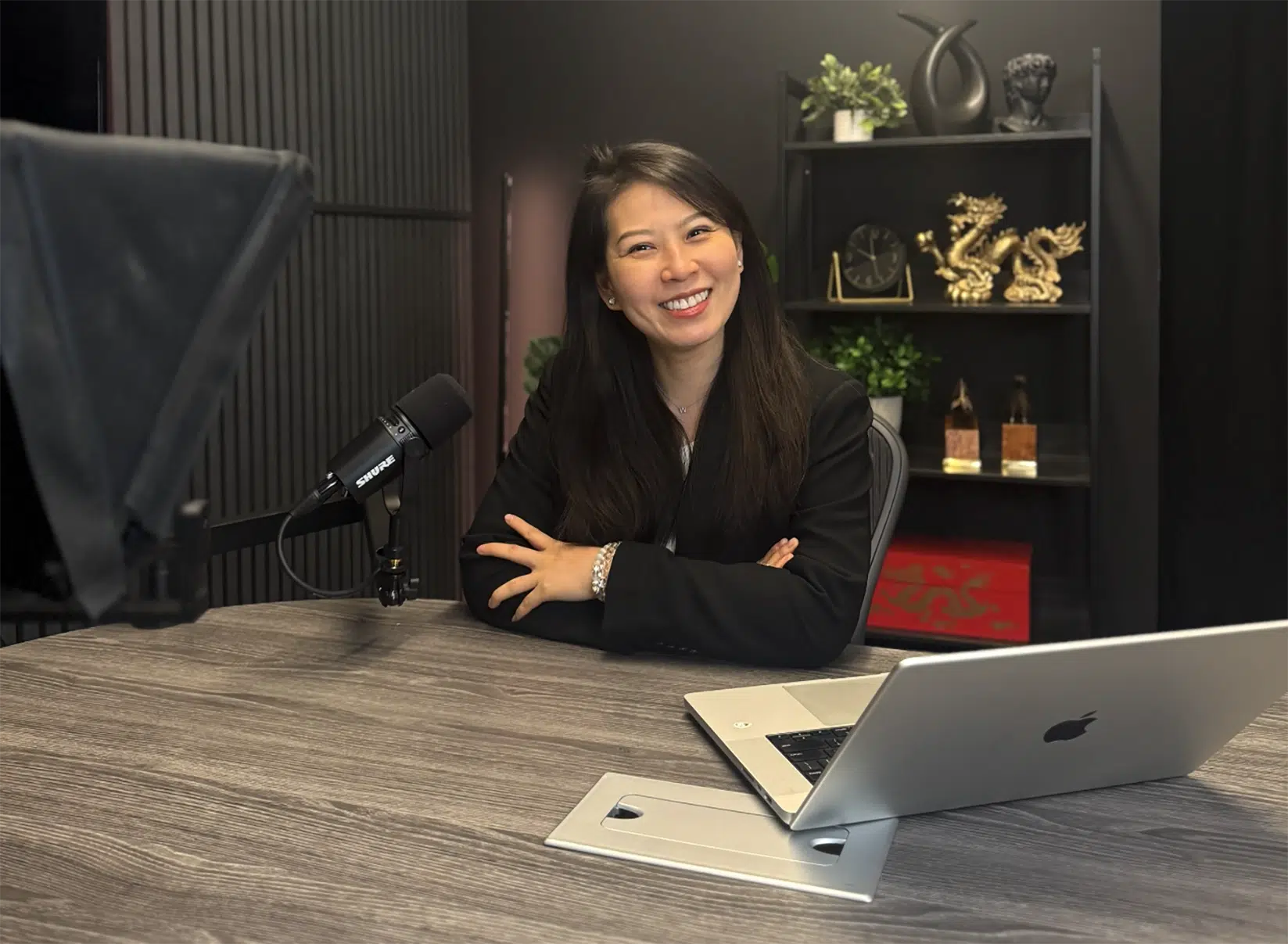
In Silicon Valley, people often speak about innovation as if it belongs exclusively to technology companies. Startups dominate conversations about scaling systems, market intelligence, operational efficiency, and investor growth. Yet, quietly and strategically, Allison Zhang has been building something that mirrors many of those same principles, not in software, but in luxury hospitality and experiential real estate.
As the founder of AlliStay, a growing Bay Area luxury hospitality portfolio, Allison Zhang represents a new generation of entrepreneurs who combine analytical thinking, design intelligence, and operational systems into scalable long-term businesses built around real-world assets.
What began with a single property evolved into a carefully curated collection of high-end accommodations across the Bay Area, including a stunning Spanish historical estate originally built in 1919. Today, AlliStay has become known not simply for offering accommodations but for creating elevated living experiences that combine luxury, emotional comfort, and sophisticated operational execution.
Unlike many entering the hospitality space through trends or speculation, Allison approached the industry differently from the beginning.
“I never looked at this business as simply renting homes,” Allison explains. “I approached it from the perspective of market behavior, consumer psychology, and long-term operational sustainability. Before making decisions, I spent significant time researching what people actually needed, what they emotionally responded to, and where the market gaps existed.”
That disciplined approach became one of the defining characteristics behind AlliStay’s growth.
Before expanding, Allison focused heavily on research and positioning. She studied traveler expectations, regional demand patterns, design preferences, pricing structures, and guest behavior. While many operators concentrated primarily on occupancy rates, Allison focused equally on emotional experience.
“The market is more sophisticated today,” she says. “People are not just looking for a place to sleep. They want an environment that feels elevated, personal, and emotionally comfortable. Design affects how people feel, how they rest, how they remember an experience.”
This philosophy became especially visible in one of AlliStay’s most remarkable properties, a luxury Spanish-style historical estate in the Bay Area originally constructed in 1919. Rather than simply modernizing the home, Allison carefully preserved the estate’s architectural soul while refining it into a contemporary luxury experience.
The result feels less like a traditional accommodation and more like a private cinematic retreat where timeless architecture meets modern comfort.
“All great spaces tell a story,” Allison says. “I think people can feel when a space was designed with intention versus when it was designed only for transactions.”
Friends and colleagues often describe Allison’s approach as unusually systematic for the hospitality industry. Her background in business development, project management, and investor relations allowed her to structure AlliStay more like a scalable operational platform than a traditional real estate venture.
As investor interest grew, Allison developed a model built around strategic collaboration. Investors approach her not simply for property management, but for a complete hospitality development strategy, from market analysis and positioning to design direction, operational systems, and guest experience optimization.
“Every property has its own identity, market behavior, and potential,” Allison explains. “You cannot approach all properties the same way. We study the surrounding environment, target demographics, design psychology, and long-term sustainability before making decisions.”
That combination of analytical discipline and creative execution has helped AlliStay grow steadily while maintaining a strong luxury positioning.
Unlike many modern startups built around speculative growth models, Allison’s business remains deeply connected to tangible assets and long-term fundamentals.
“There is stability in building around real estate and real human experiences,” she says. “Technology is incredibly important, but people will always value environments that make them feel safe, inspired, and comfortable.”
Her understanding of technology, however, remains a major advantage. Allison has integrated systems, automation, and operational infrastructure into AlliStay’s growth strategy, allowing the company to scale efficiently while maintaining a highly personalized experience.
“Technology should support hospitality, not replace it,” Allison says. “The goal is to create systems that improve consistency while still preserving warmth, quality, and attention to detail.”
That balance between systems and human experience has become increasingly important in luxury hospitality, particularly in the Bay Area, where travelers and professionals often expect both efficiency and elevated presentation.
In addition to her work with AlliStay, Allison Zhang has appeared at numerous high-profile business and entrepreneurial events throughout Silicon Valley and San Francisco, including Foundation Capital’s inaugural Fintech AI Build Demo Day, major hospitality gatherings, and multiple business leadership events. She has also appeared in interviews with California LIVE Podcast, Real Estate Today, and other media platforms discussing entrepreneurship, hospitality development, and modern business growth strategies.
Despite her growing visibility, Allison remains highly focused on long-term development rather than rapid expansion for its own sake.
“Growth only matters if the quality grows with it,” she says. “I would rather build something meaningful and sustainable than grow quickly without maintaining standards.”
That mindset may ultimately be one of the strongest reasons behind AlliStay’s continued momentum.
At a time when many industries chase short-term attention, Allison Zhang represents a quieter and more disciplined form of entrepreneurship, one rooted in research, systems, aesthetics, operational intelligence, and long-term thinking.
Her success also reflects a broader shift occurring inside luxury hospitality itself. Today’s high-end clients increasingly expect more than visual luxury alone. They seek emotional comfort, thoughtful design, seamless systems, and experiences that feel authentic rather than manufactured.
AlliStay appears to understand that evolution well.
Looking toward the future, Allison remains focused on continuing to refine the company’s hospitality ecosystem while exploring new opportunities for strategic expansion and investor collaboration.
“The vision has never been about simply adding more properties,” Allison says. “It is about creating experiences people genuinely remember and building systems that can sustain excellence long term.”
In many ways, that philosophy may define the future of modern luxury hospitality itself.