Modern healthcare needs are changing, and patients no longer find satisfaction in the conventional, universal medical model. Rather, there is a rising market for upscale, customized medical treatments fit for a sophisticated way of life.
Boutique medical practices look to accommodate this need, presenting a creative concept that’s changing the face of medicine. It provides a degree of treatment far above the usual healthcare experience.
Moreover, it emphasizes giving patients a customized approach to their health so that every element of their treatment is meant to satisfy their particular requirements. These techniques appeal not just to the medical treatments they give but also to the holistic experience they provide.
The Emergence of Boutique Medical Practices
Boutique doctors serve people looking for more than just a brief visit or a prescription refilled. These practices are meant to be convenient, comfortable, and with unmatched attention capacity.
With fewer patients per doctor, boutique clinics can afford to spend more time with every patient, therefore enabling in-depth consultations addressing not just symptoms but also general well-being.
One of the main things that distinguishes boutique medical offices is how well they combine comprehensive services, including seamless revenue cycle management software.
This program ensures that the patient’s experience remains unhindered by the administrative aspects of healthcare.
Simplifying billing and claims procedures helps practitioners concentrate on patient care, which should always be the most important aspect.
Effective revenue management also means that policies may preserve financial stability without reducing the quality of treatment, a vital element for drawing in and keeping an affluent customer base.
Personalized Care and Beyond
Personalized treatment is at the very heart of boutique medicine. Unlike conventional methods, whereby visits are sometimes hurried, boutique clinics give the doctor-patient connection first priority.
By considering their medical history, way of life, and personal preferences, this approach helps physicians better understand their patients. As a result, patients receive care that is not only reactive but also proactive, focusing on prevention and long-term health.
Many times, boutique offices provide a suite of services beyond what regular medical treatment calls for. These might comprise in-house experts, customized diets, and even health initiatives.
These approaches give a degree of convenience not often seen in conventional healthcare environments by presenting a complete spectrum of services under one roof.
Patients value the opportunity to handle several health issues in one visit instead of having several visits at several different sites. It saves time and money, certainly. But it also affords a peace of mind not typically found in conventional medicine.
Catering to an Affluent Clientele
Boutique medical practices are designed with the needs of an affluent clientele in mind. These patients desire an experience made for their way of life and not mere basic treatment.
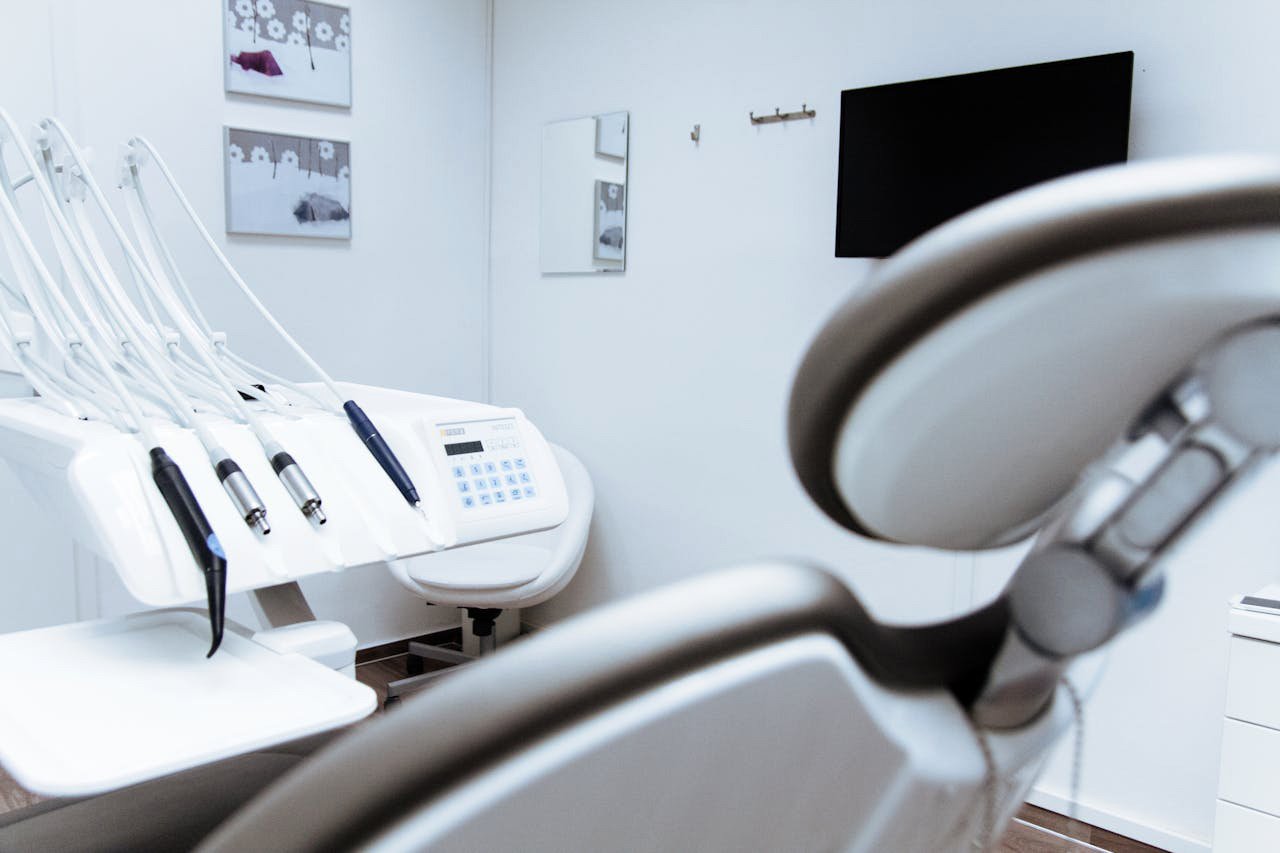
Every element of the practice, from the waiting room layout to the degree of staff care, is chosen to satisfy a discriminating customer. Unlike traditional practices, there’s a level of quality here that ensures a positive patient experience.
For many patients, the exclusivity that boutique medicine provides is highly appealing. Boutique medicine makes sure that every patient gets individualized attention and treatment – made possible due to a limited patient load in each office.
For those who respect privacy and customized service, this exclusivity coupled with high-end healthcare is a major draw and why high-net-worth people choose boutique operations.
Technology’s Place in Boutique Medicine
The success of boutique medical offices is heavily influenced by technology. Advanced techniques like telemedicine and electronic health records (EHR) let these clinics provide a more simplified and efficient experience.
Particularly, telemedicine has grown to be a pillar of boutique treatment, as it gives patients the freedom to see their physicians from the comfort of their homes or while traveling.
Also included in the integration of technology is the corporate aspect of healthcare. Using revenue cycle management tools, boutique businesses can effectively control their financial operations in order to see that patients get clear, hassle-free billing.
Along with improving the patient experience, this technology helps the practice run profitably and without problems. And that means it’s more likely that the boutique practice will succeed, thereby ensuring lasting patient care in its given location.
The Future of Boutique Medicine
Boutique medical practices are probably going to become even more common as healthcare changes. Personalized, high-end healthcare is not only a trend but also a reflection of a larger change in patient perspectives on their health and well-being.
Offering customized treatment, convenience, and a first-rate experience, boutique medicine is ready to define the benchmark for the direction of medicine going forward.
Ultimately, boutique medical practices reflect a mindset that stresses patient experience, individualized treatment, and technological integration rather than just a different method of delivery of healthcare.
Boutique medicine presents a compelling alternative to conventional healthcare models for people looking for a medical experience that fits their way of life.