Luxury real estate has spent years attaching famous names to extraordinary buildings. Now, some of South Florida’s most intriguing new residences are making a different proposition: architecture, privacy, provenance and scarcity may be prestige enough.
For much of the past decade, the formula for selling the world’s most expensive new residences has appeared remarkably straightforward: begin with an exceptional address, enlist a formidable architect, add the increasingly elaborate amenities expected at the top of the market and place a globally recognizable name above the door.
Hospitality houses led the way. Fashion labels followed. Then came automobile marques, jewelry houses and other luxury names whose identities could seemingly be translated from hotels, tailoring, automobiles or objets d’art into real estate. The result has been one of the most consequential shifts in contemporary residential development, particularly in places such as Miami, where the skyline has become a showcase for branded living.
The phenomenon is hardly receding. Knight Frank’s latest global survey counted 611 operating branded-residence schemes and projects the number will reach 1,019 by 2030, with more than 162,000 residences worldwide. Buyers continue to pay meaningful premiums for properties capable of combining service, privacy, amenities and the reassurance of a respected name.
Yet luxury has always been defined as much by rarity as recognition, and ubiquity inevitably alters the equation. When an increasingly broad range of buildings can promise a familiar logo, what begins to distinguish one extraordinary residence from another?
Across South Florida, an intriguing answer is emerging. A number of the region’s most ambitious new developments are arriving without hotel, fashion or automotive names attached to them. Instead, their identities are being constructed around architectural authorship, developer pedigree, waterfront land, sophisticated interiors and, perhaps most importantly, scarcity.
They are not anti-brand. Many involve architects and designers whose names carry enormous weight among informed buyers, and several incorporate partnerships with established luxury and wellness companies. What distinguishes them is that those relationships support the identity of the building rather than replace it. The residence itself remains the protagonist.
For buyers who no longer require a logo to telegraph what they can afford, that discretion may be precisely the point.
 |
|
 |
 |
LILLI
Of all the developments illustrating this changing definition of residential prestige, LILLI may be the most revealing.
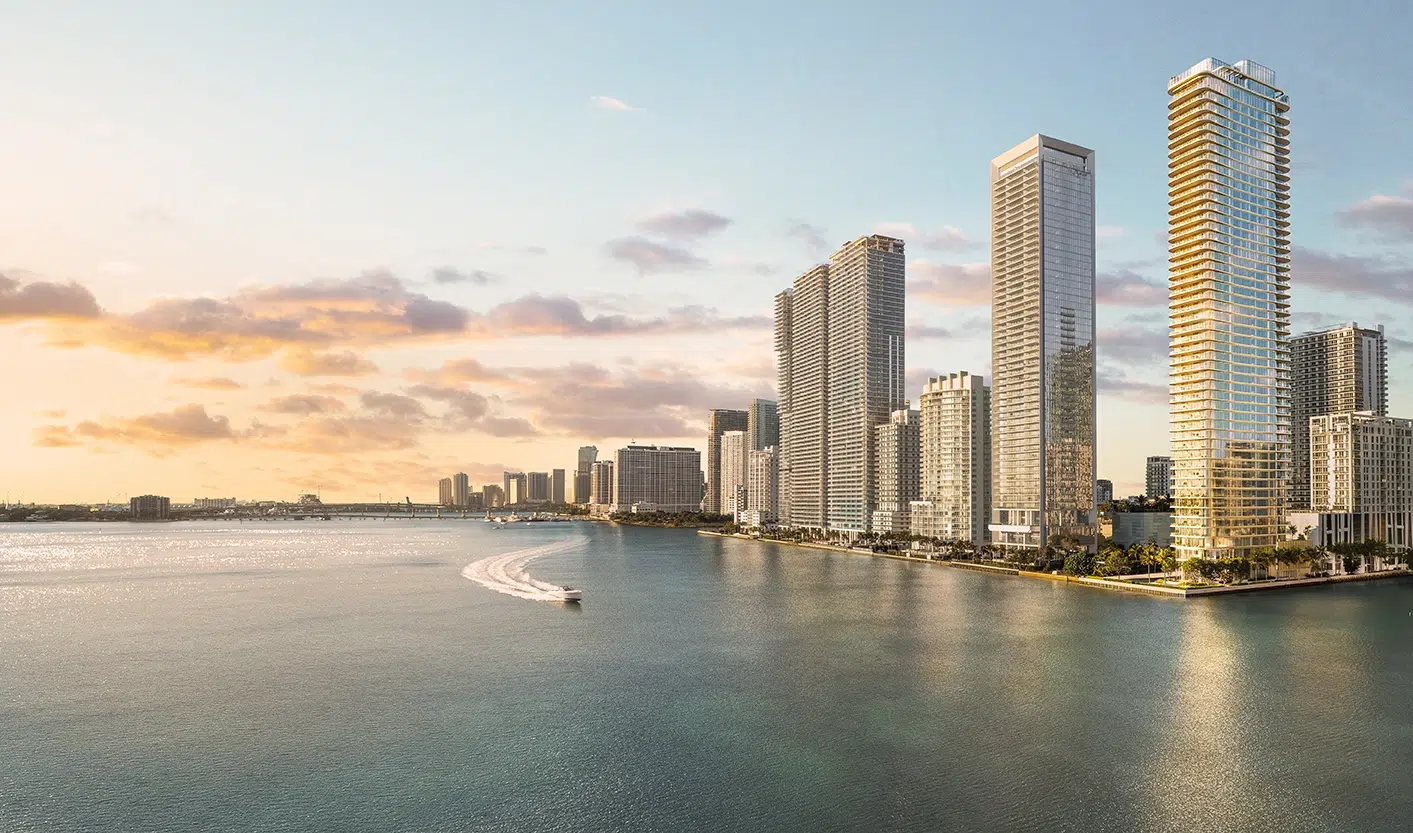
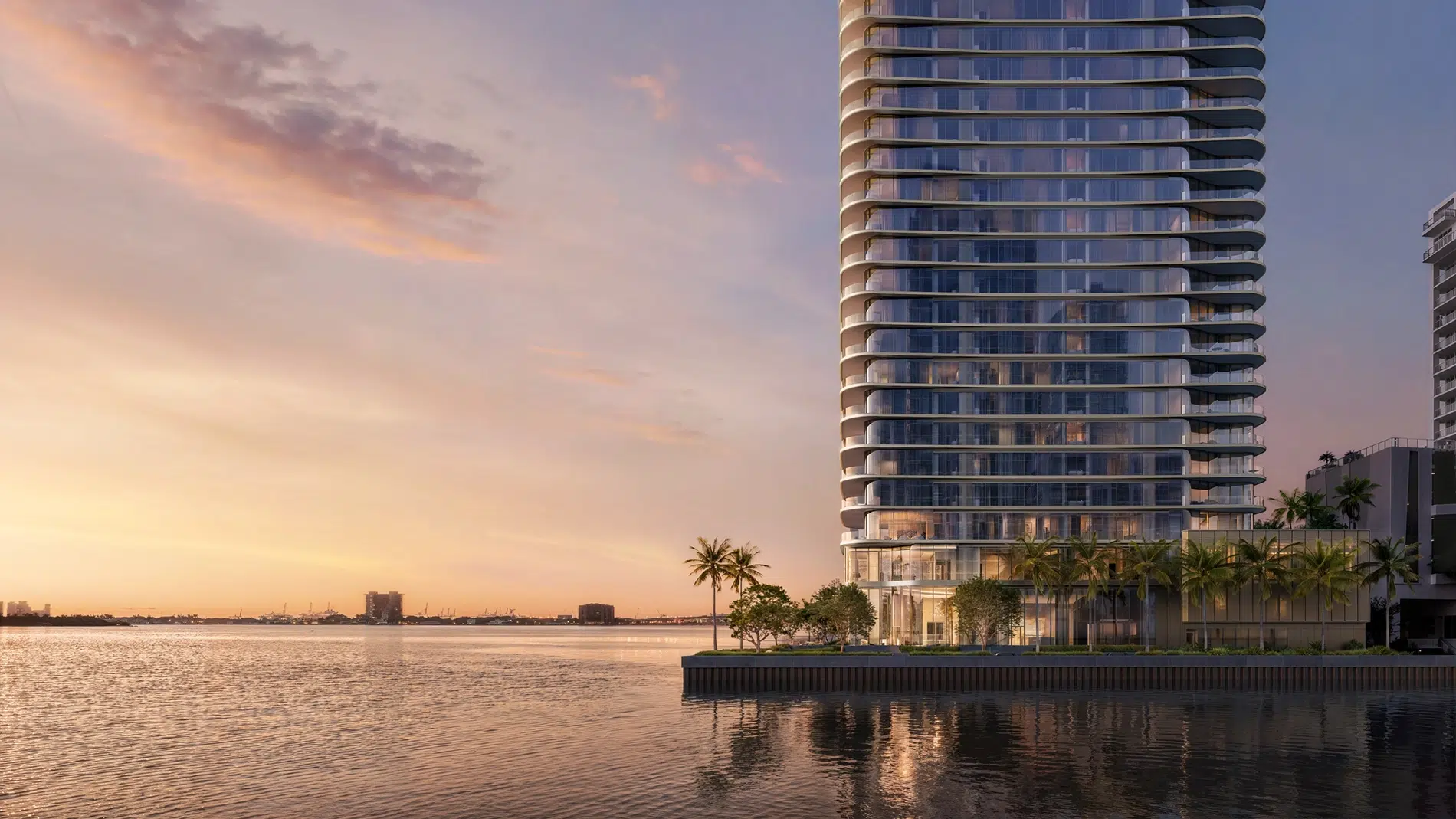
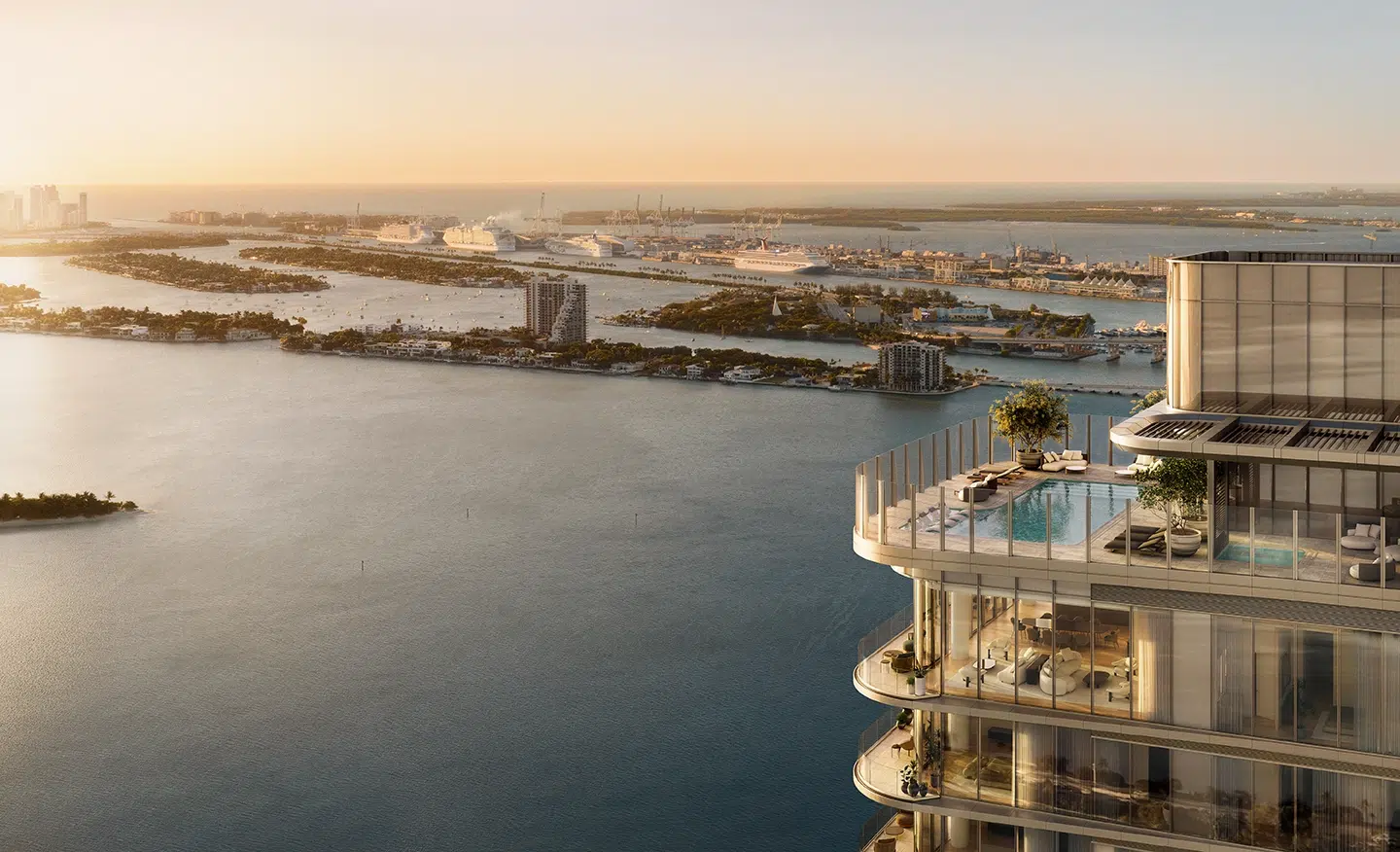
The 53-story tower will rise directly on Biscayne Bay in Edgewater, bringing 117 residences to a stretch of Miami waterfront that has become one of the city’s most active luxury-development corridors. The developer is OKO Group, the company founded by Vlad Doronin, whose résumé places him at the intersection of high-end development, architecture, and hospitality. Yet despite that pedigree, LILLI has not been conceived around the identity of an established hotel or lifestyle brand.
Instead, architecture supplies much of its authority.
Adrian Smith + Gordon Gill Architecture has given the tower a fluid, curvilinear silhouette, with rounded edges, articulated balconies, and extensive glazing intended to respond to the light and movement of Biscayne Bay. The firm’s portfolio includes some of the most technically ambitious skyscrapers of the modern era, giving LILLI the kind of architectural provenance that sophisticated collectors increasingly recognize as a luxury credential in itself.
Inside, residences extend toward large terraces and sweeping bay, ocean, and city views, while the relatively small number of homes creates an intimacy that is becoming increasingly valuable in Miami. Prices were introduced from $1.65 million, with residences ranging upward to expansive penthouses.
What makes LILLI particularly interesting, however, is not any individual specification. It is the confidence behind the proposition. This is a development associated with people who understand the immense commercial power of hospitality branding, yet the building has been allowed to establish an identity of its own.
Here, the pedigree is the developer. The signature is the architecture. And the brand, ultimately, is LILLI. | All Photos credit Darcstudio
 |
|
 |
 |
The Cove Residences
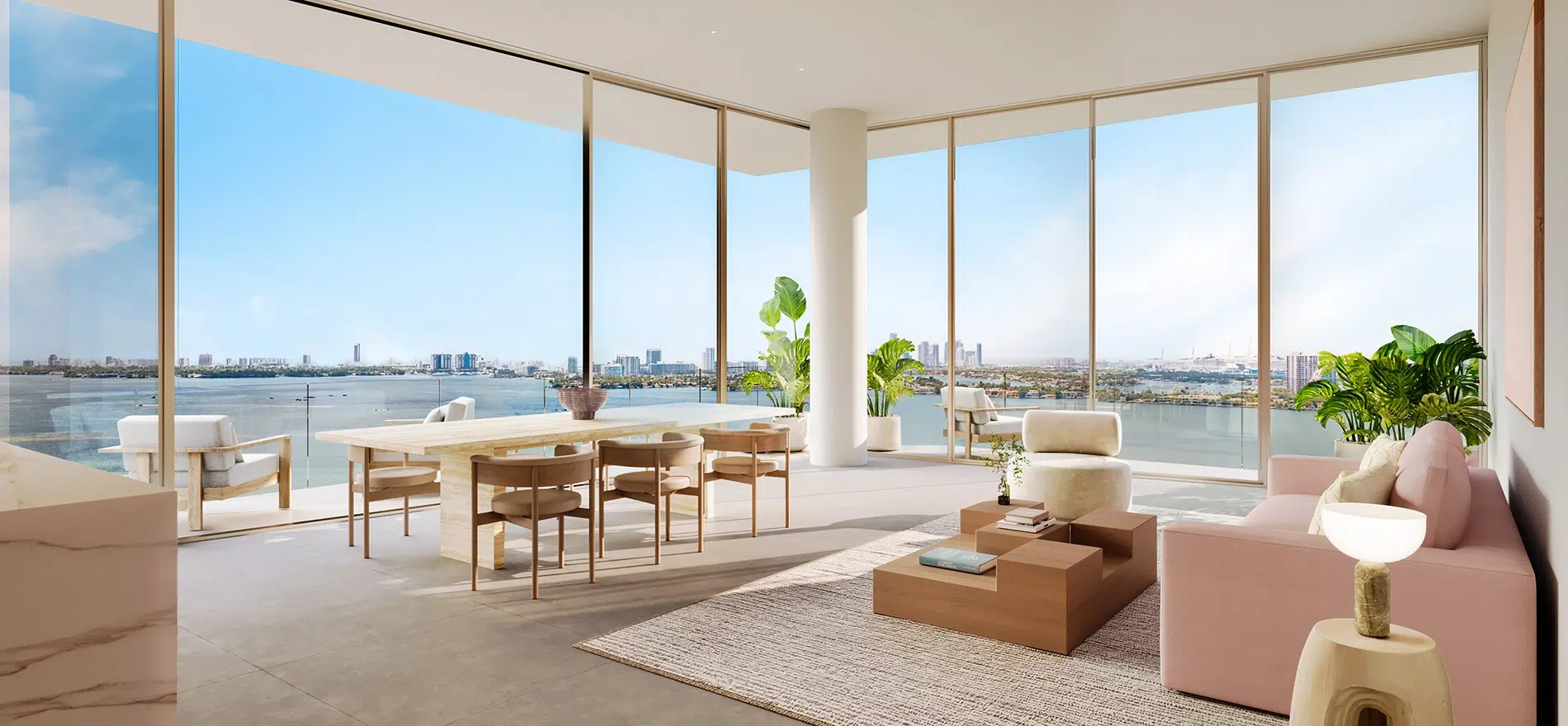
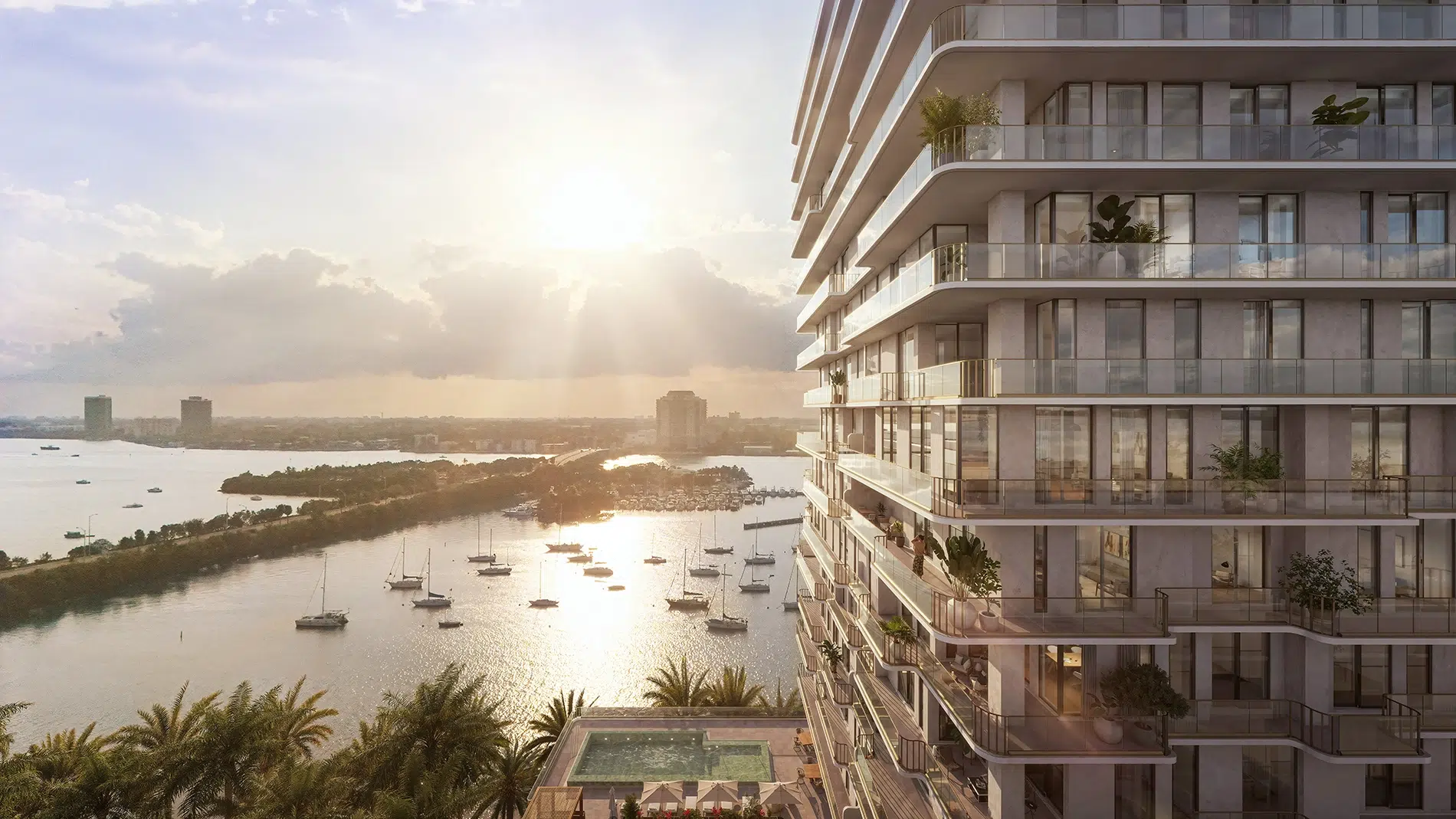
A short distance away in Edgewater, The Cove Residences offers a different interpretation of the same movement. If LILLI makes architecture its central statement, The Cove places the emphasis on the increasingly important intersection of privacy, waterfront living, and wellness.
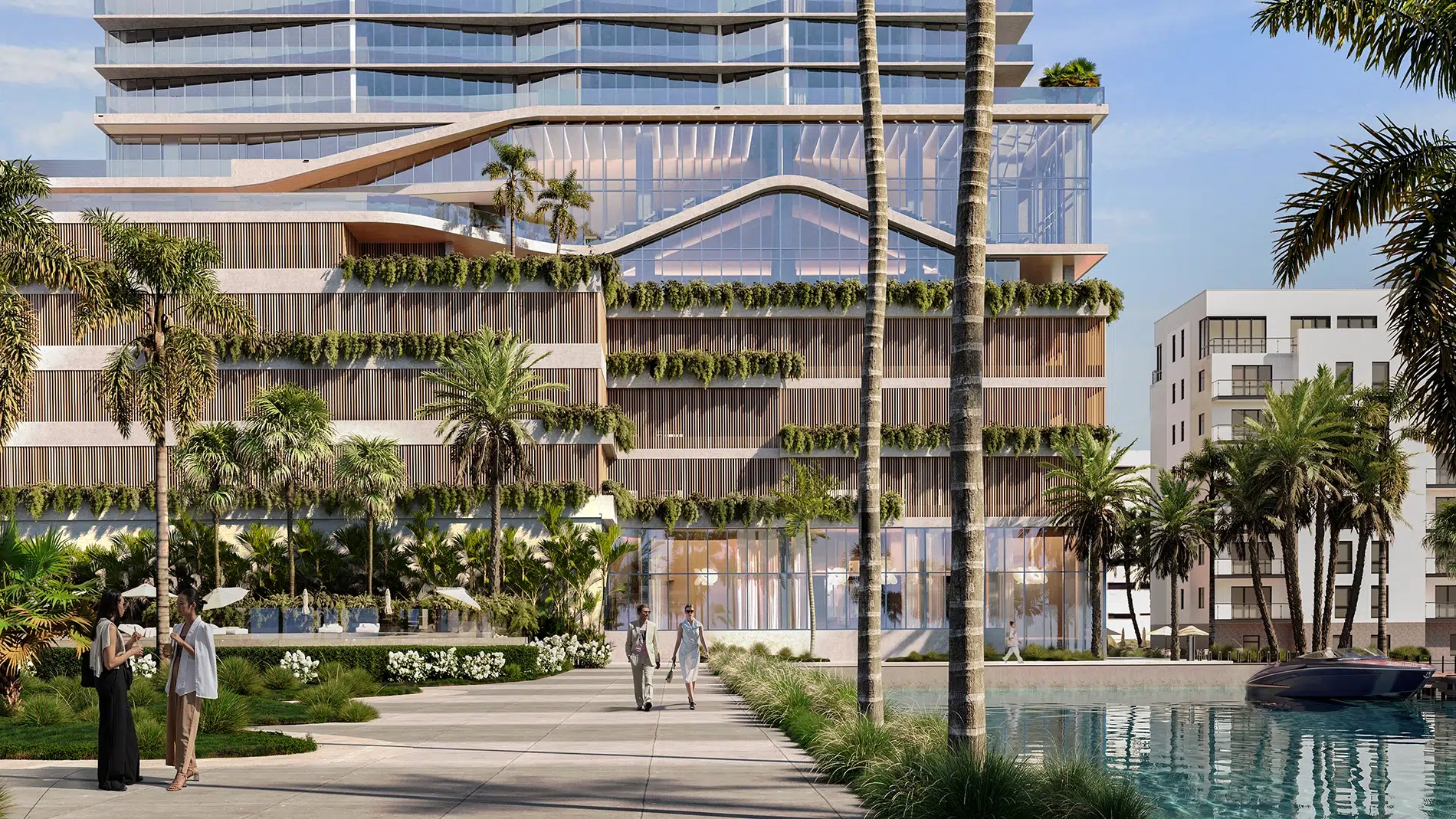
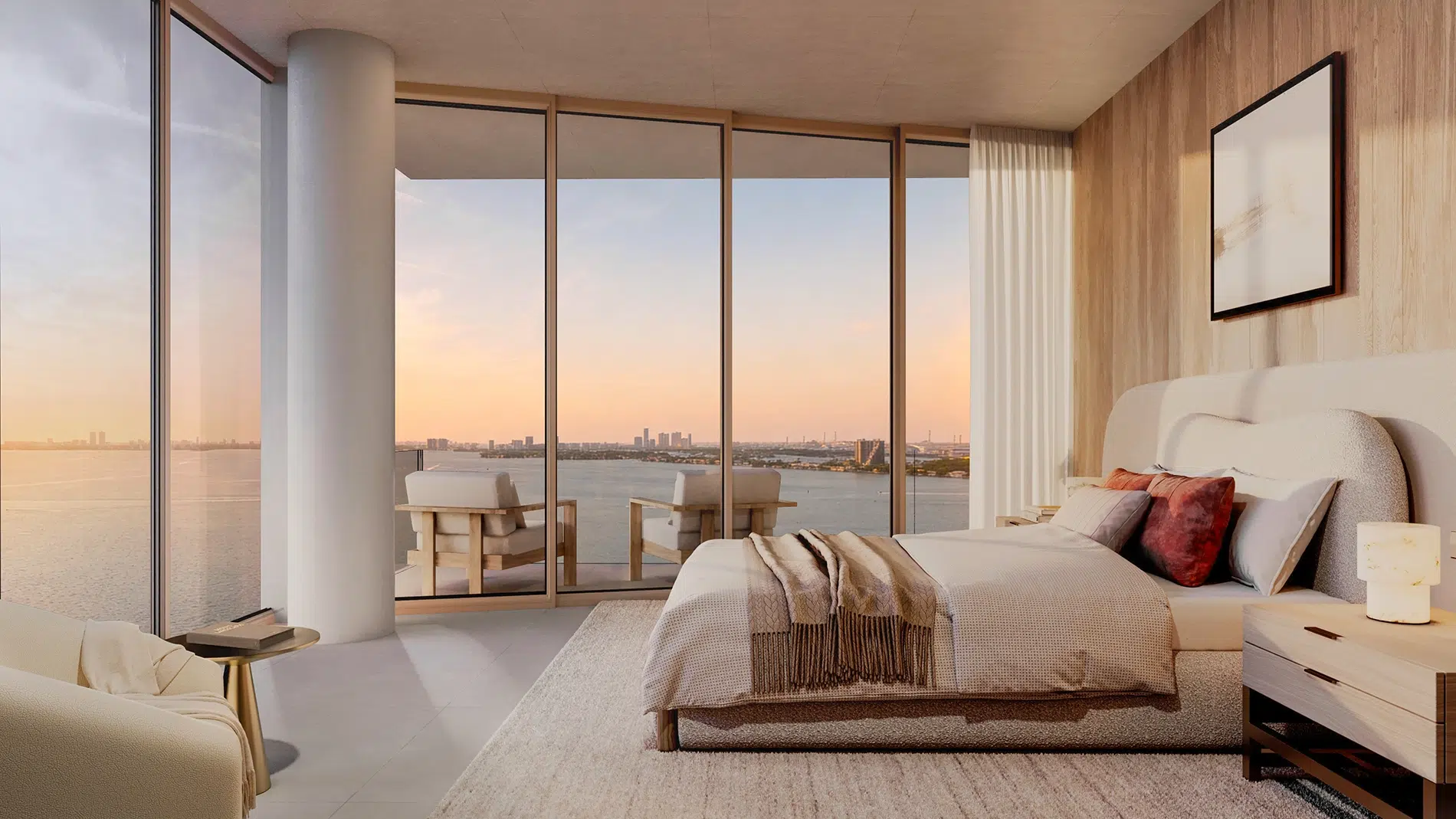
The tower will contain just 134 residences, with architecture by Kobi Karp and interiors by Dieguez Fridman. Expansive glazing and deep terraces connect the residences to Biscayne Bay, while the comparatively boutique scale is intended to preserve a sense of intimacy within one of Miami’s fastest-evolving neighborhoods.
Its amenity offering is considerable. Plans include a resort-style infinity pool and private cabanas, fitness and yoga spaces, spa facilities incorporating a cold plunge, hammam and sauna, along with areas for private dining, entertainment, work and socializing. Direct access to the Baywalk and a private dock further connect the development to the water, extending the experience beyond the confines of the tower.
Yet the significance of projects such as The Cove lies in how these amenities are being framed. The new generation of independent luxury residence is not attempting to offer less than its branded counterpart. In many cases, it is attempting to provide much the same seamless private-resort experience without asking residents to inhabit a pre-existing brand world.
That can create a very different relationship between buyer and property. Instead of purchasing a residence because it represents a familiar hotel experience transported into domestic life, the buyer is choosing the architecture, setting, and lifestyle of that particular building.
The distinction is subtle, but at the highest end of the market, subtlety increasingly carries its own value. | All Photos credit Metaform, a division of Conway
 |
|
 |
 |
Tula Residences
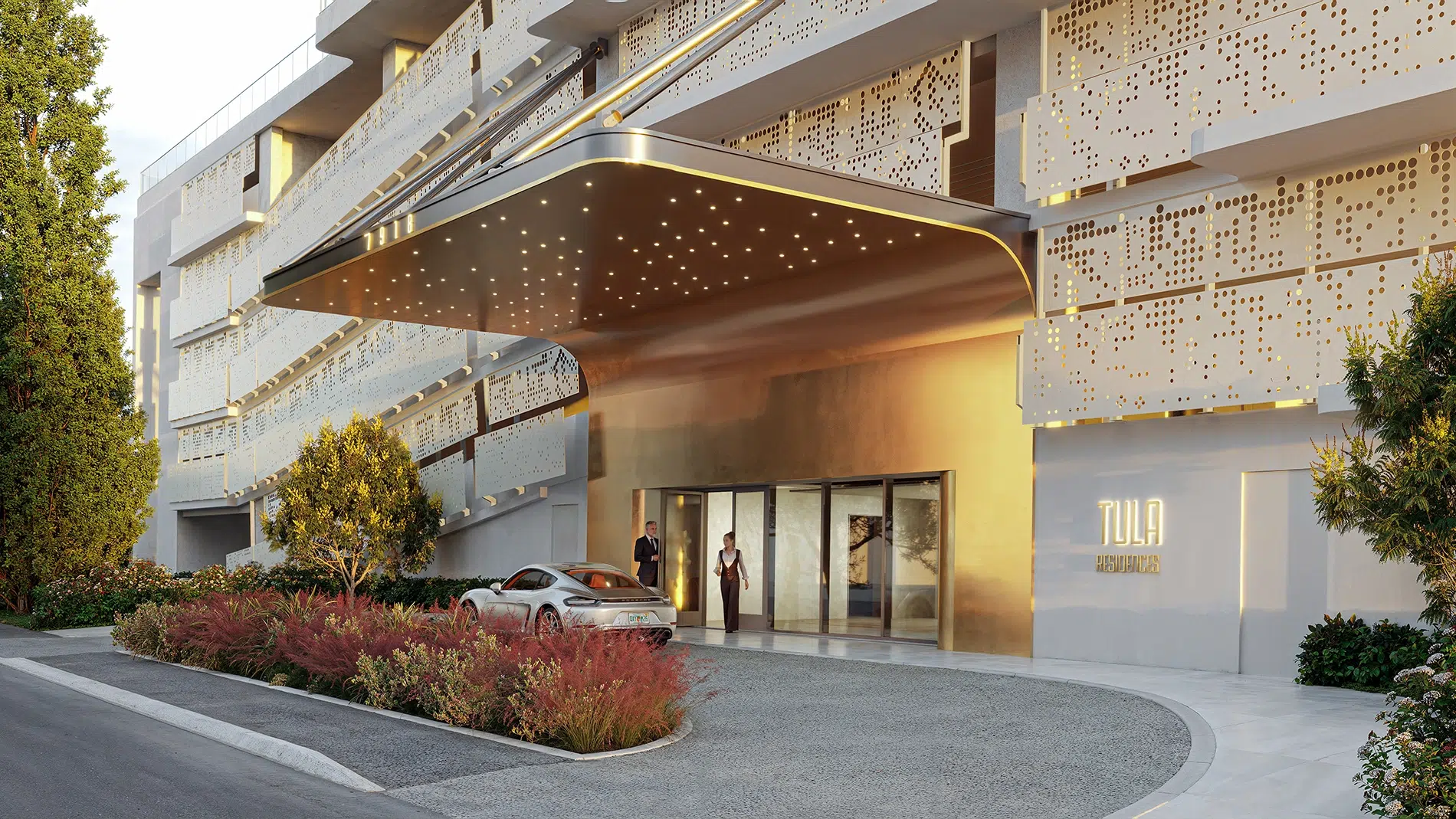
Luxury real estate often speaks about exclusivity. Tula Residences makes the idea unusually easy to quantify.
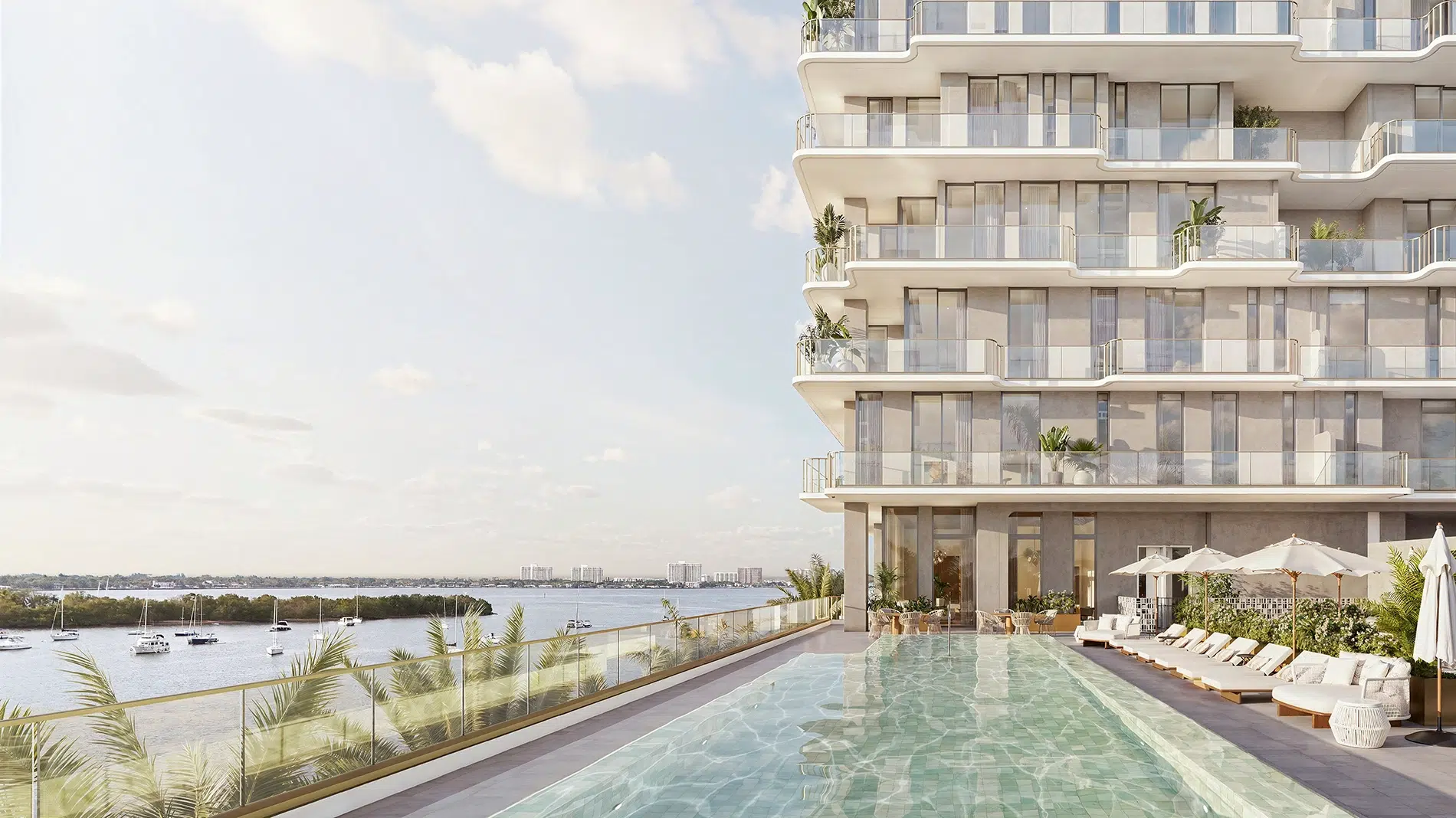
The waterfront development planned for North Bay Village will rise 21 stories and contain only 54 residences, including six two-level penthouses. On its typical residential floors, just four homes occupy each level, and every residence is positioned as a corner unit. Architecture is by MTTR MGMT, while Shannon Farrell Design is responsible for the interiors.
That combination of low density and waterfront geography gives Tula an advantage that cannot easily be replicated through amenities or branding. Biscayne Bay surrounds North Bay Village, creating physical separation from mainland Miami while leaving residents within easy reach of Miami Beach, the Design District and the city’s cultural and commercial centers.
The residences themselves range from approximately 1,590 to 2,440 square feet in the principal collection, with wraparound terraces, ten-foot ceilings, extensive glazing and interiors built around natural materials, marble, and custom millwork. The six penthouses expand considerably beyond those proportions.
Tula’s amenity program will encompass more than 16,000 square feet devoted to wellness and social life, including an infinity pool, fitness facilities, private dining and gathering spaces. But its most persuasive amenity may remain the one a developer cannot manufacture after a building is completed: very few people will live there.
That idea becomes increasingly meaningful as luxury towers grow more elaborate. A private cinema can be added. A wellness suite can be enlarged. Services can be expanded. What cannot be easily reproduced is a waterfront building containing only 54 residences.
For certain buyers, the greatest luxury may simply be having fewer neighbors. | Photos credit Bloom Images
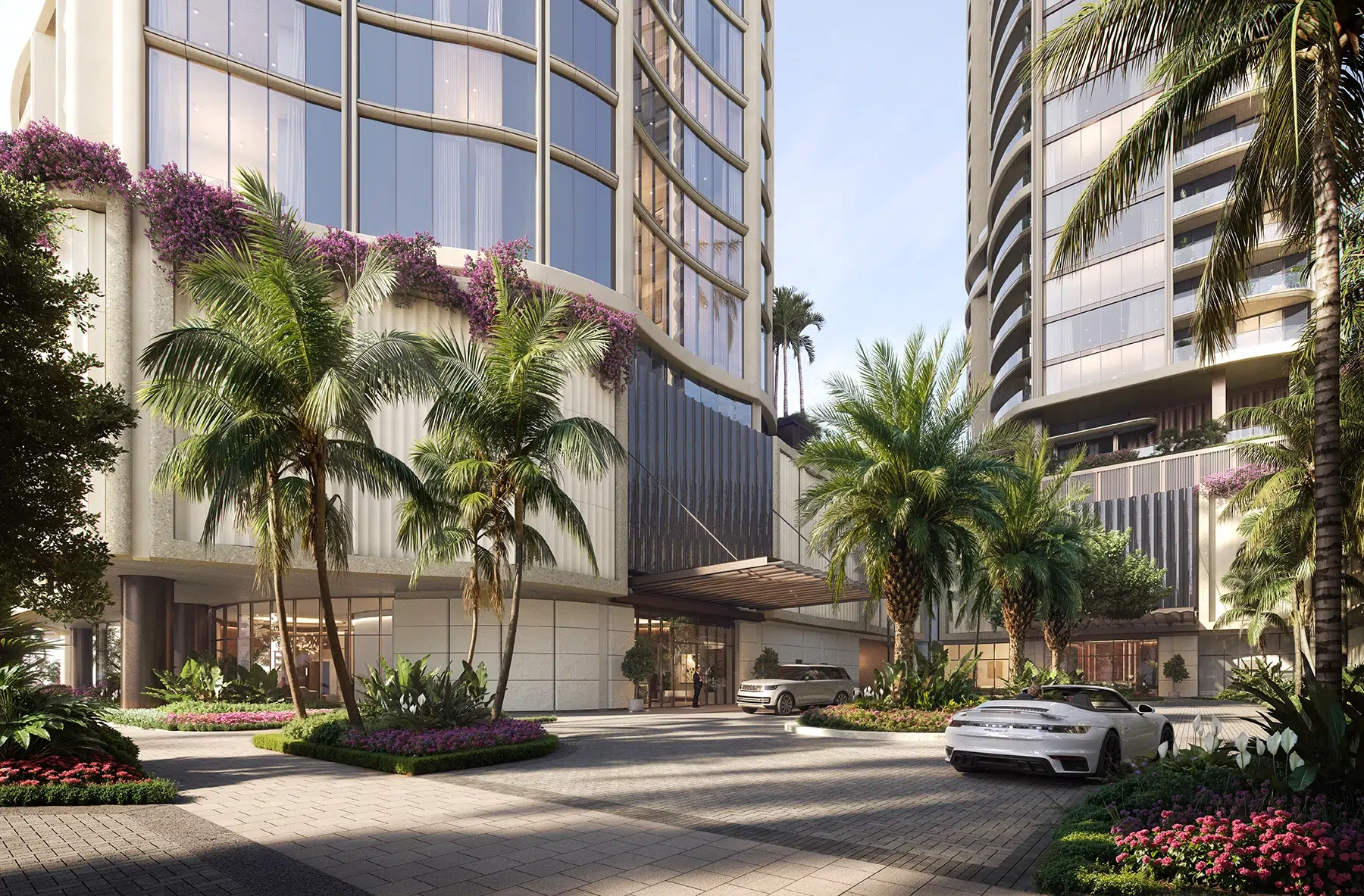 |
|
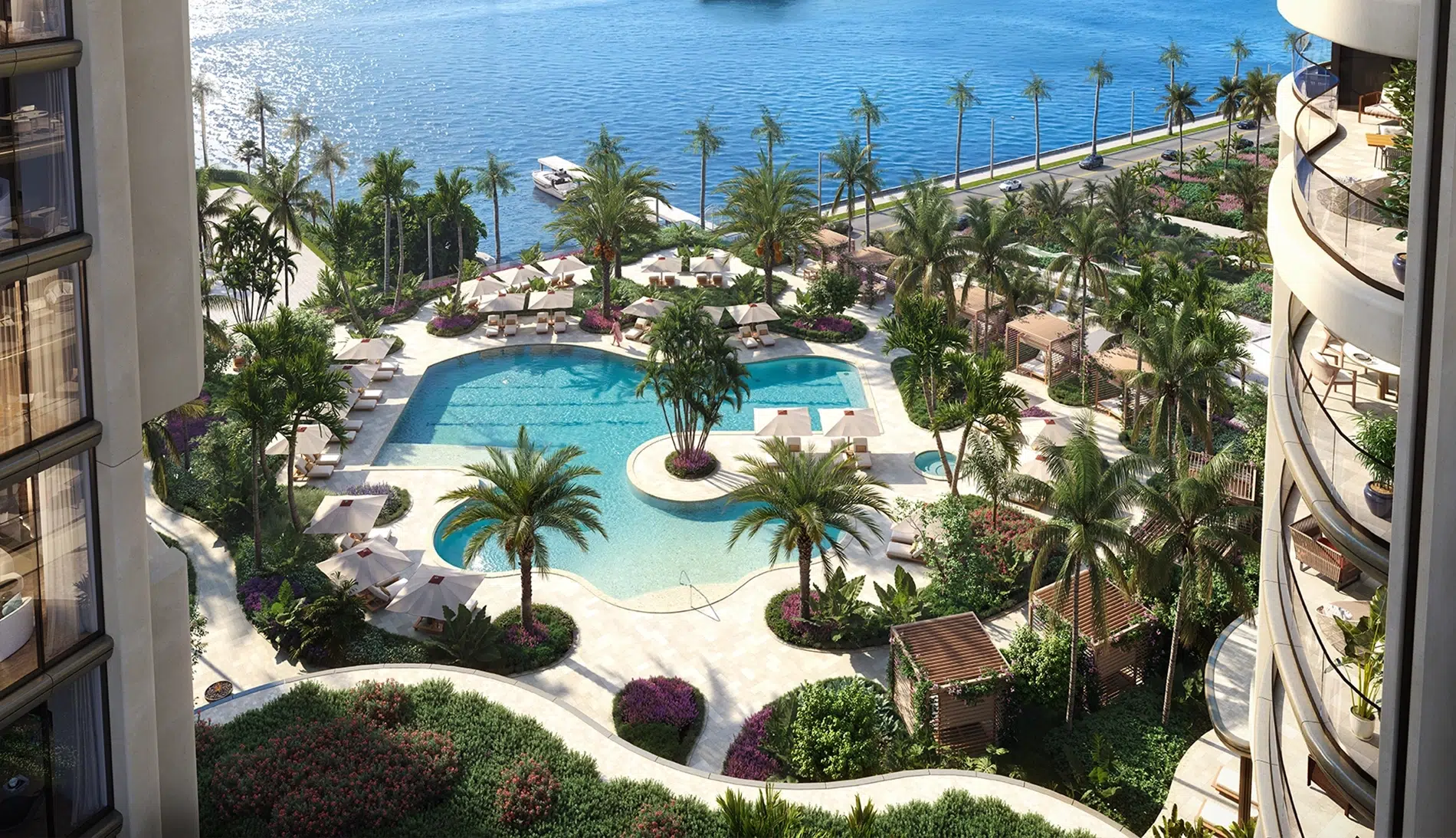 |
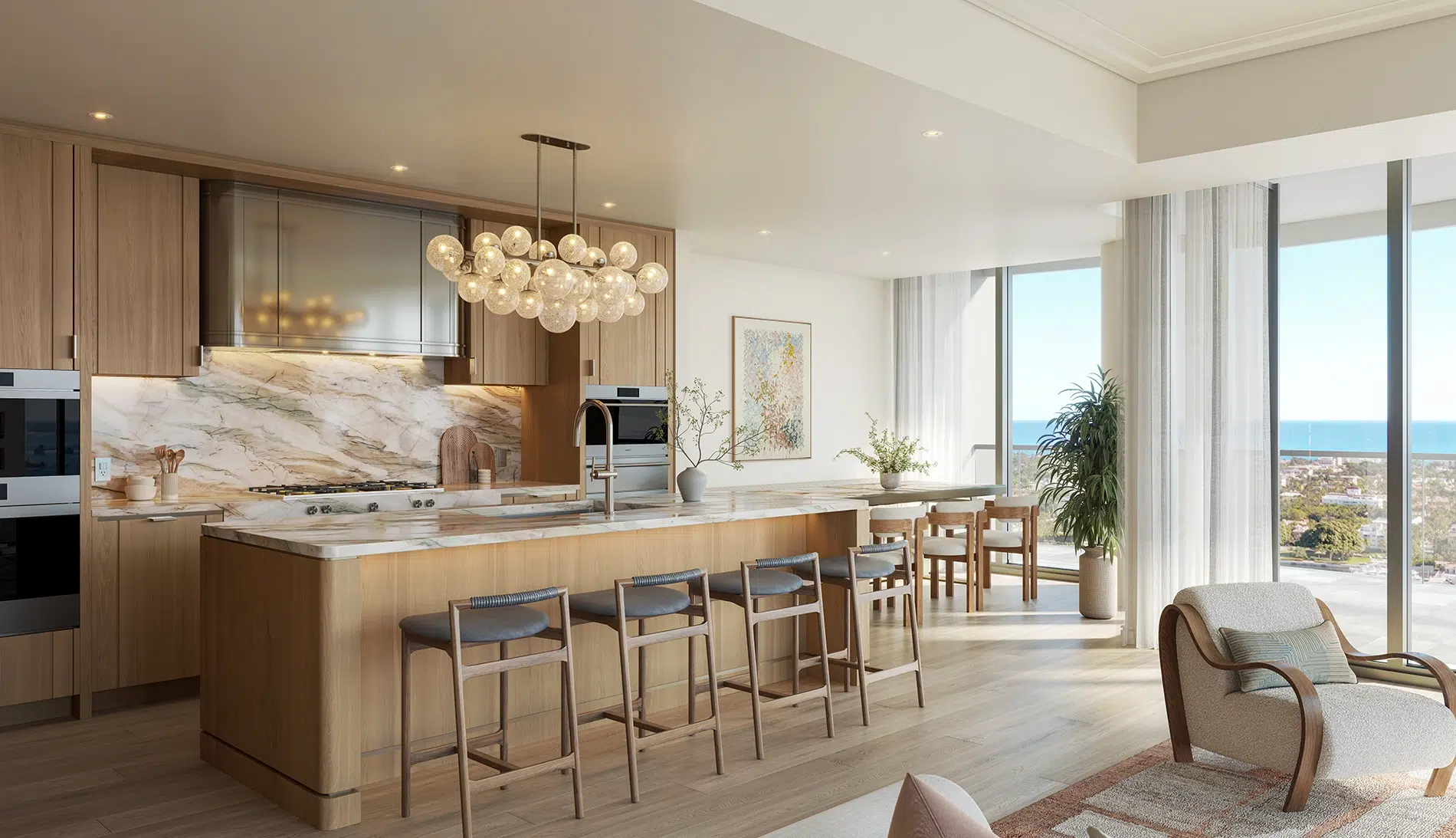 |
Edgeworth
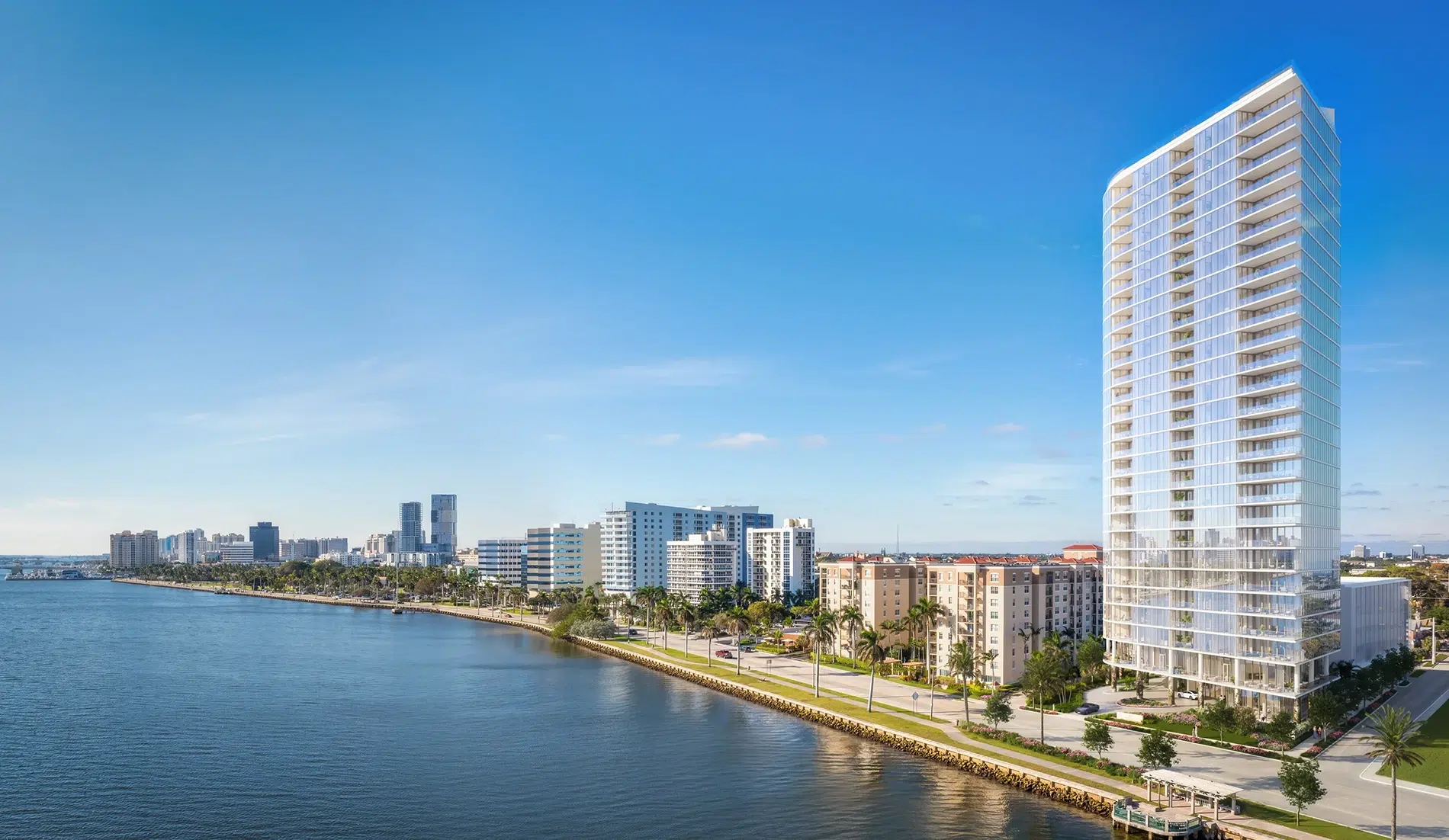
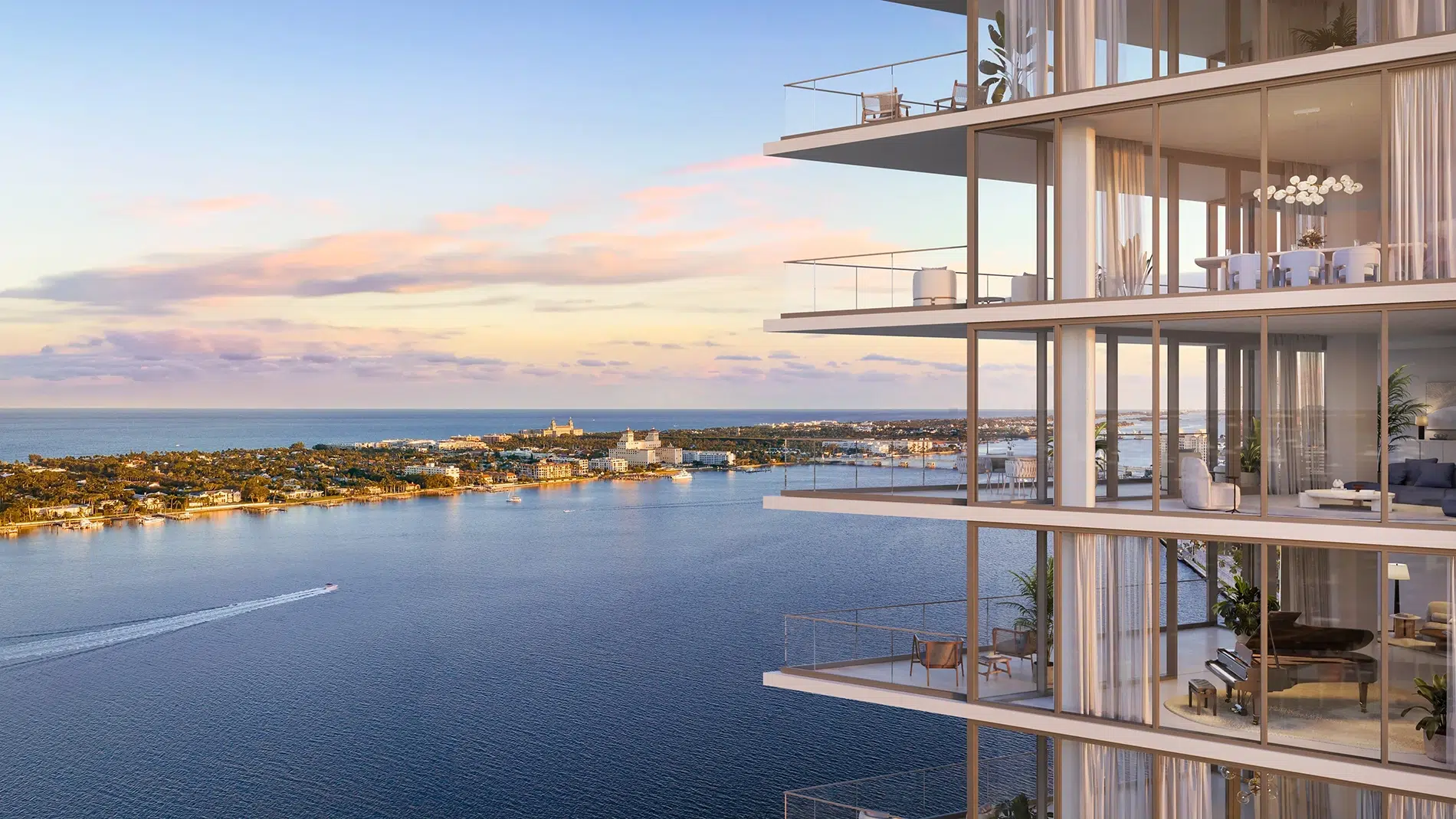
West Palm Beach is undergoing one of the most significant luxury transformations in South Florida, and few companies have been more closely associated with that evolution than Related Ross. Edgeworth, its forthcoming waterfront development on South Flagler Drive, demonstrates how a developer’s own reputation can become as powerful as a borrowed luxury name.
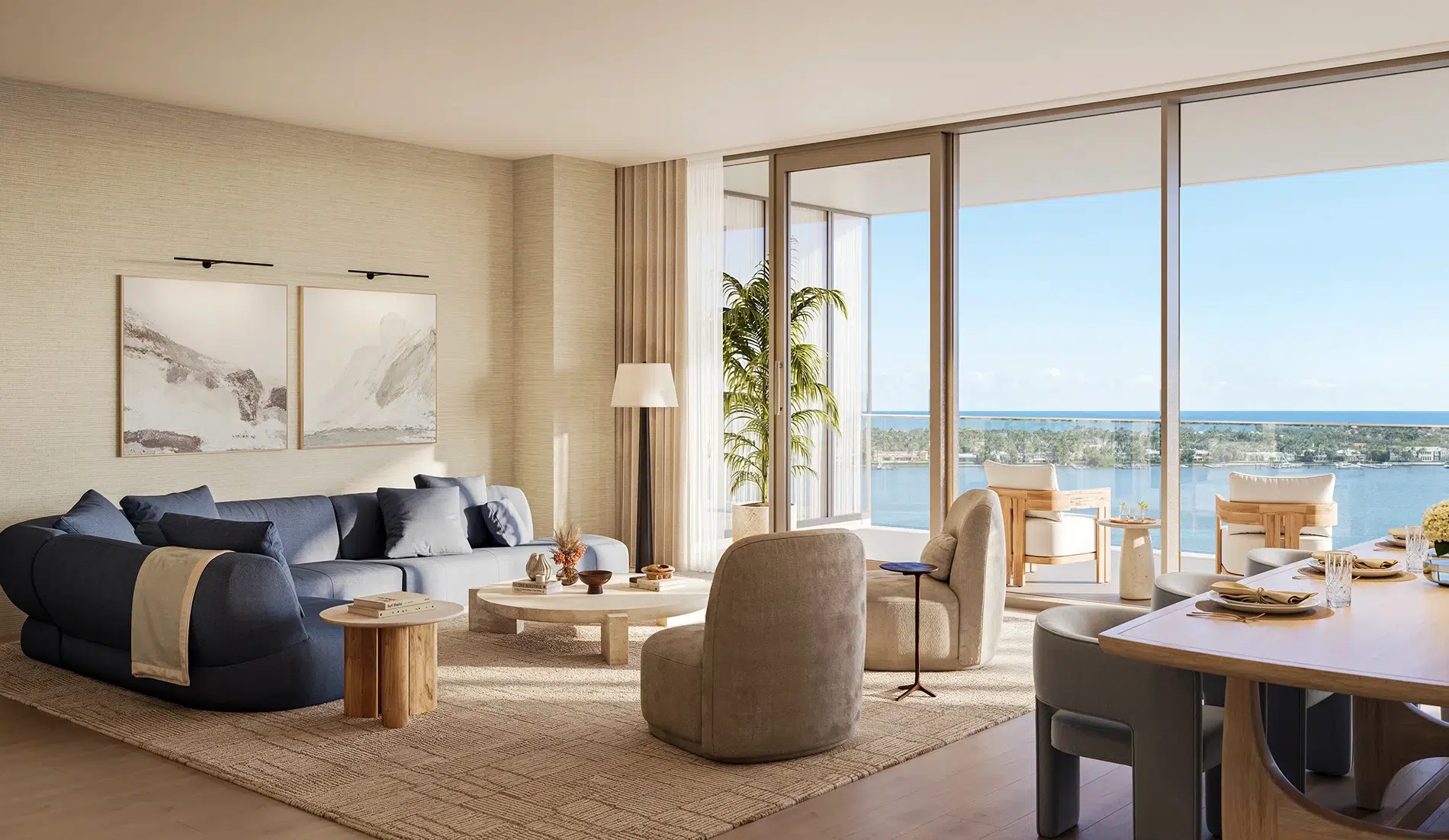
The project will consist of two curved 28-story towers designed by Kohn Pedersen Fox, containing 168 residences with interiors by MAWD | March and White Design. Each residence will have private elevator access, while expansive terraces and a waterfront orientation will take advantage of views across the Intracoastal, Palm Beach Island, and the Atlantic beyond.
Then there are the amenities: more than 90,000 square feet, which Related Ross describes as the largest residential amenity collection in West Palm Beach. Wellness, recreation and social spaces will be joined by a residents-only Racquet Club with programming spanning tennis, padel and pickleball.
But Edgeworth’s strongest argument may be found next door.
Related Ross reports that South Flagler House, its neighboring waterfront development, generated more than $500 million in preconstruction sales during the first quarter of 2026. That performance offers a useful indication of how effectively developer reputation, architecture and location can function as luxury credentials without requiring the residence to assume the identity of a hospitality or fashion marque.
Edgeworth is therefore less an example of luxury without a brand than an illustration of how brands are created in the first place. If a developer repeatedly delivers buildings of sufficient quality, its own name begins to carry expectations. Pair that record with Kohn Pedersen Fox architecture, MAWD interiors and one of the most coveted waterfront corridors in the Palm Beaches, and the development no longer needs to borrow someone else’s mythology. It can build its own. | Photo credit: Edgeworth
 |
|
 |
 |
Shorecrest
On North Flagler Drive, Related Ross is making a more intimate argument with Shorecrest.
The 28-story waterfront tower, designed by Roger Ferris + Partners with interiors by Rottet Studio, is conceived as a boutique counterpoint to the larger residential developments reshaping West Palm Beach. Construction is underway, placing Shorecrest among the most tangible examples of the city’s accelerating transformation from seasonal enclave to year-round luxury destination.
Floor-to-ceiling glazing is designed to maximize views toward the Intracoastal and Palm Beach Island, while Rottet Studio’s interiors bring the restrained sophistication for which the practice is known. More than 18,000 square feet of amenities will include private dining and social spaces, a golf simulator, and a rooftop pool deck centered around a 75-foot lap pool, complemented by a hot tub, cold plunge, sauna, and steam facilities.
Shorecrest also illustrates an important evolution in the relationship between independent residences and established luxury names. Its fitness and wellness programming involves a partnership with Equinox, yet Shorecrest does not become “Equinox Residences.” The association enhances a particular component of the experience without determining the identity of the entire building.
That may represent one of the more interesting models for the next generation of residential luxury. Developers can bring in specialists where their expertise is meaningful, a wellness authority here, an acclaimed designer there, without allowing a single external marque to dominate the experience.
The resulting property can be highly serviced, internationally designed and deeply amenitized while retaining something increasingly precious: a sense that it belongs specifically to its place.
A Different Measure of Prestige
None of these developments signals the end of the branded residence. The numbers suggest precisely the opposite. The category remains in a period of powerful global expansion, and the strongest branded projects offer genuine advantages: consistent service, operating expertise, familiarity across international markets and a lifestyle buyers immediately understand.
The more compelling development is that branded and independent luxury no longer occupy opposite ends of the market. They are competing at the same altitude.
That competition raises the standard for everyone. A famous name cannot compensate indefinitely for mediocre architecture, compromised layouts, or an oversupplied building. Likewise, an independent development cannot simply call itself exclusive and expect sophisticated buyers to accept the assertion. At multimillion-dollar price points, every component is subject to scrutiny.
That scrutiny increasingly extends beyond finishes and amenities. Buyers want to know who controls the development, who designed it, how many residences will share the building, how private the arrival experience will be, whether services justify their ongoing costs, and whether the architecture is likely to remain relevant decades from now.
Those questions reveal something larger about contemporary luxury. Recognition still has value, but discernment may have more. The buyer who once wanted everybody to recognize the name on a purchase may increasingly prefer something understood only by those who know what they are looking at.
The phenomenon is visible well beyond real estate. Independent watchmakers command extraordinary waiting lists. Fashion’s most coveted pieces can be devoid of prominent logos. Private hospitality has become more intimate, more secluded, and frequently less conspicuous. Across categories, the language of luxury is shifting from announcement toward knowledge.
Real estate is particularly well suited to that evolution because its ultimate value has always rested on fundamentals that no marketing agreement can manufacture. Land is finite. Great architecture is difficult. Privacy requires planning. Exceptional construction cannot be licensed, and an irreplaceable waterfront exposure cannot be replicated elsewhere simply by attaching the same name.
LILLI, The Cove, Tula, Edgeworth and Shorecrest approach those fundamentals differently. One leans heavily into architectural pedigree; another into wellness and waterfront life. One makes scarcity its strongest proposition, while others demonstrate the growing power of developer reputation and selectively curated partnerships.
Together, however, they suggest that South Florida’s luxury market is becoming sophisticated enough to support more than one definition of prestige.
The branded residence will remain an important part of that landscape, and the finest examples will continue to command exceptional prices. But alongside them, another kind of property is becoming increasingly compelling: one that does not need to tell its resident what luxury identity to inhabit.
At the very top of the market, perhaps that is the ultimate privilege. The architect can sign the building, the designer can shape the rooms, and the developer can orchestrate the experience, but the residence itself remains individual.
And when every element is exceptional enough, the most important name is no longer the one above the entrance.
It is the address.