Luxury skincare has long built its mystique on nature’s rarest ingredients—alpine botanicals, deep-sea minerals, and oils extracted from remote corners of the world. Increasingly, however, the most advanced beauty formulas are emerging from an unexpected place: the laboratory.
Biotechnology is rapidly transforming the skincare industry, allowing scientists to cultivate powerful active ingredients through fermentation and cellular engineering. The result is a new generation of formulas defined by scientific precision, sustainability, and remarkable efficacy.
For luxury brands seeking both performance and environmental responsibility, biotech has become one of the most intriguing frontiers in modern skincare.
Rather than harvesting plants or synthesizing compounds through petrochemical processes, biotechnology uses living organisms—such as yeast, algae, and plant cells—to produce molecules identical to those found in nature. The process allows cosmetic chemists to cultivate highly purified ingredients under controlled conditions, eliminating the variability that often comes with traditional botanical extraction.
The approach has quietly gained traction among some of the industry’s most forward-thinking brands.
Melbourne-based skincare label SumaNurica, for instance, traces its origins to H-K Biotech, a research company founded by Jason Sun in 2004. After two decades studying proteins and peptides involved in skin health, Sun launched SumaNurica to translate that scientific research into high-performance skincare.
Among the brand’s innovations is a synthesized collagen protein engineered to closely resemble the collagen naturally present in human skin. Stabilized through specialized preservation methods, the ingredient allows delicate peptides to remain active and effective within the formula.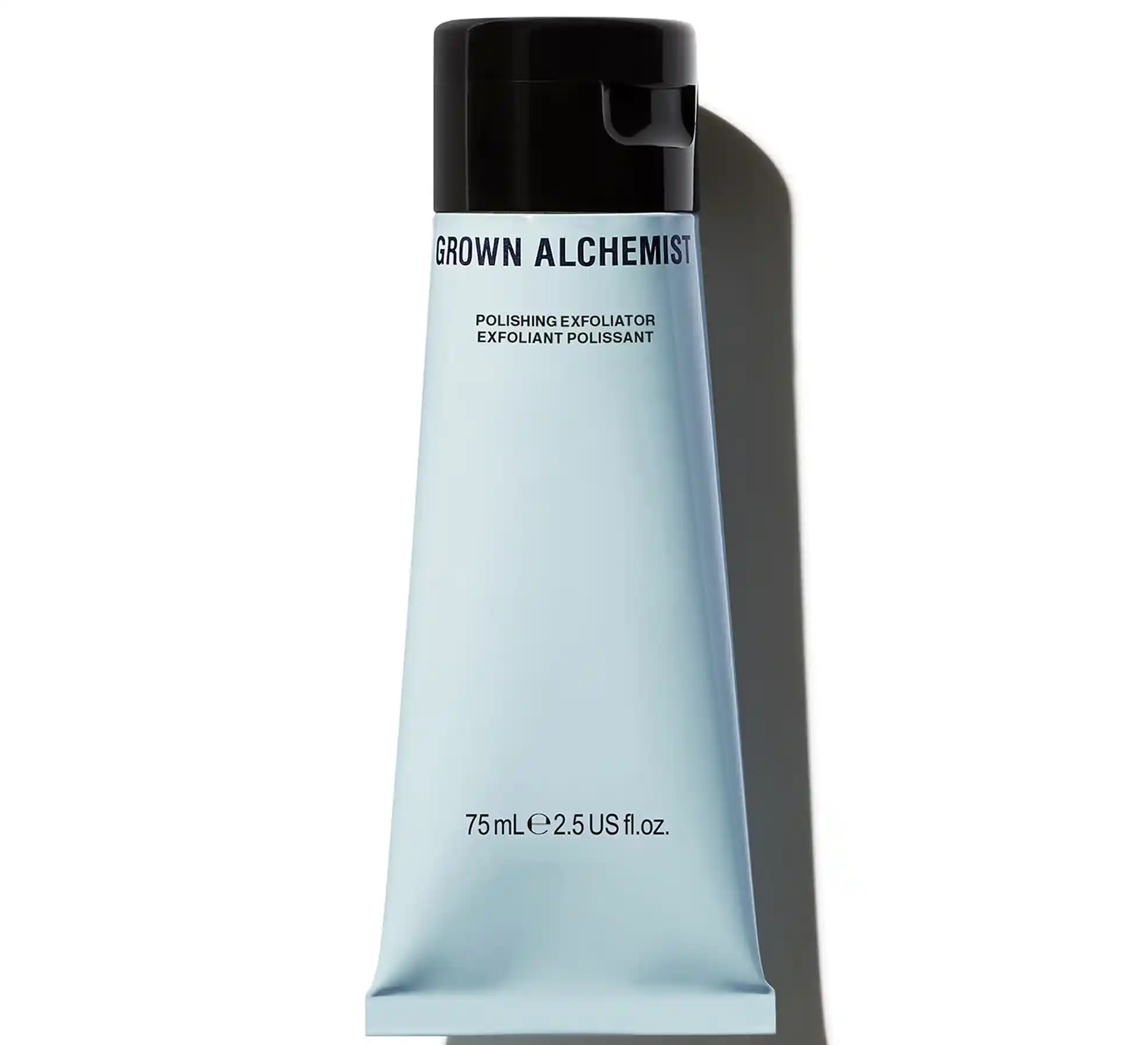 Other brands are combining biotechnology with botanical traditions. Grown Alchemist, also based in Australia, describes its philosophy as “plant-powered and science boosted.” Its formulas rely on biomimetic ingredients—compounds designed to replicate the skin’s natural biological processes—such as enzymes, peptides, and natural moisturizing factors that help strengthen the skin barrier.

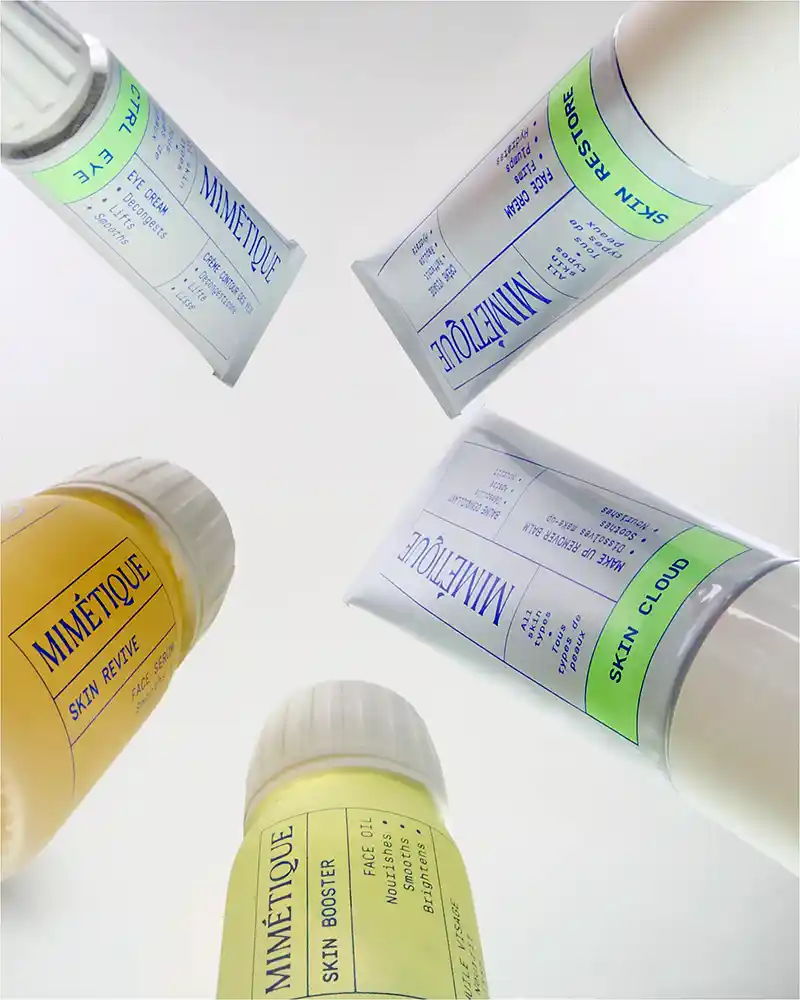
For cosmetic chemist Fabienne Sebaoun, founder of skincare brand Mimetique, biotechnology represents the next evolution in cosmetic science.
“We use living systems like yeast, algae, bacteria, or plant cells to produce complex molecules that are identical—or sometimes even superior—to those found in nature,” she says.
Working with researchers at AgroParis, Sebaoun developed SMR-C5, a patented formulation composed of five active molecules naturally present in human skin. The complex is designed to help restore the skin’s structural balance while supporting hydration and resilience.
Biotechnology is also helping solve one of the beauty industry’s longstanding sustainability challenges: ingredient sourcing.
Squalane, a deeply hydrating compound once extracted from olives or shark liver, can now be produced through fermentation. Biotechnology company Amyris, for example, has developed a process that teaches yeast to convert sugarcane into a pure, stable version of the molecule that is chemically identical to the skin’s own lipids.
The result is a renewable ingredient that eliminates the need for animal-derived sources while maintaining the same moisturizing properties.

Several biotech-driven products have already achieved cult status among skincare enthusiasts. BIOEFFECT’s EGF Serum uses Epidermal Growth Factor derived from barley to stimulate skin renewal and hydration. London-based MZ Skin, founded by oculoplastic surgeon Dr. Maryam Zamani, combines biotechnology with dermatological research to create treatments designed to support cellular regeneration.
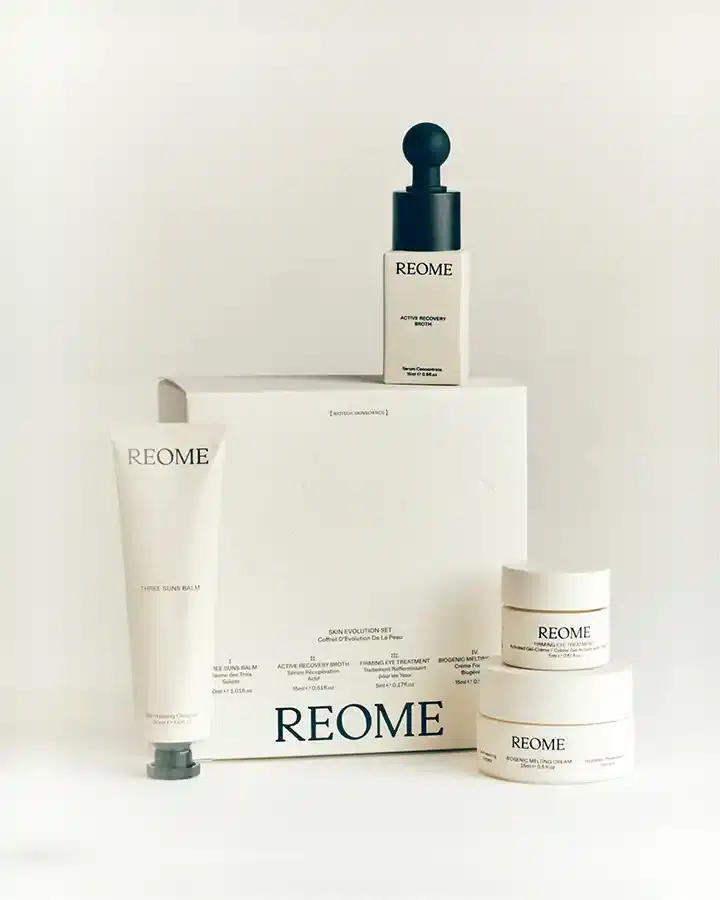
Newer brands are also embracing fermentation as a cornerstone of their formulations. REOME, founded by beauty journalist Joanna Ellner, focuses on microbiome-friendly ingredients designed to restore hydration and strengthen the skin barrier.
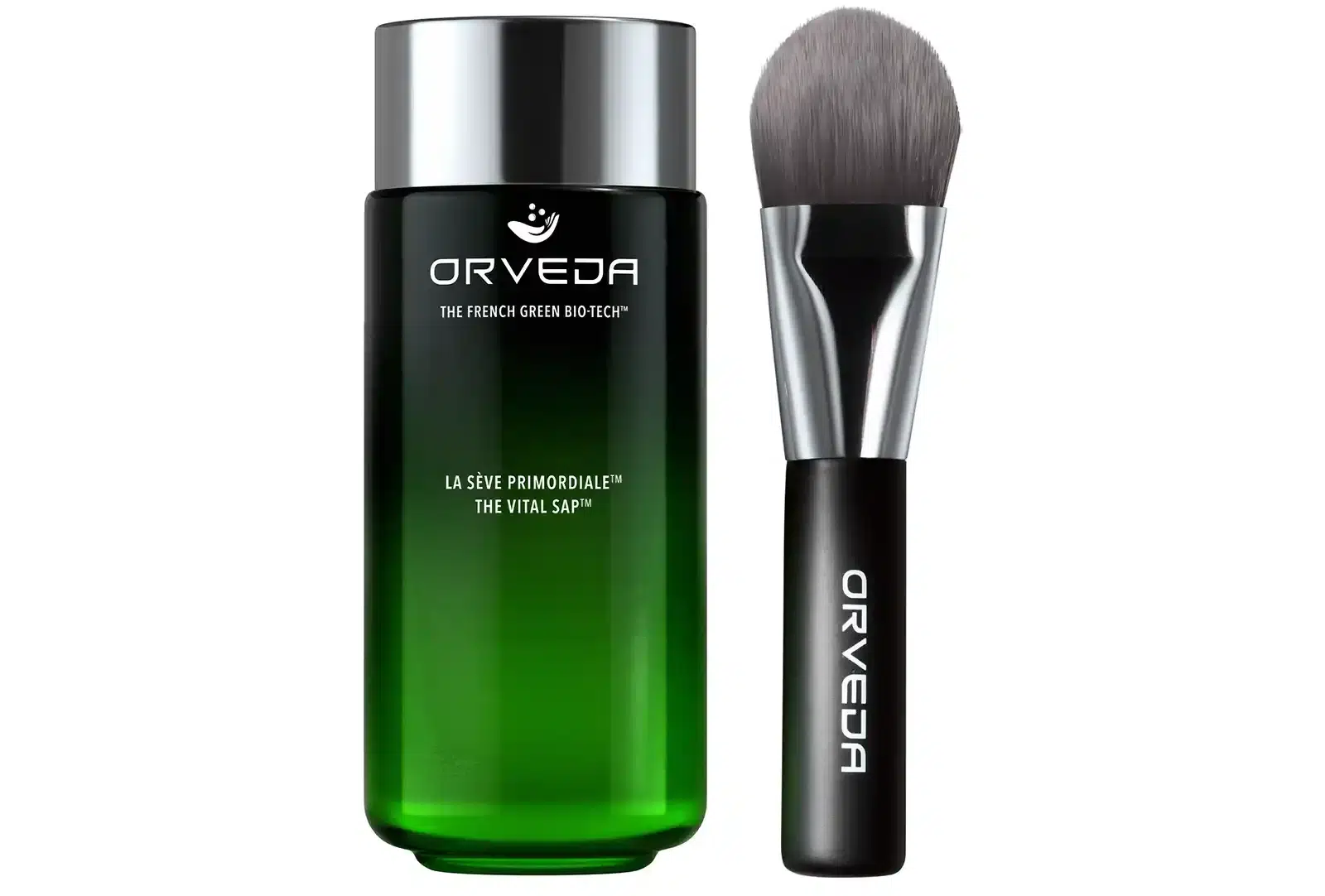
Meanwhile, skincare label Orveda has gained attention for its Vital Sap essence, a formula that blends bio-fermented marine enzymes, kombucha, and prebiotic complexes to enhance luminosity.
Many of the most promising biotech ingredients rely on fermentation—a process that can increase the bioavailability of compounds while improving stability.
Advanced forms of hyaluronic acid now penetrate multiple layers of the skin, while fermented mineral complexes deliver essential micronutrients that support cellular repair. Even familiar botanical ingredients are being reimagined: beta-glucan derived from oats can be bio-fermented to improve absorption, and snow fungus—long prized in traditional Chinese medicine—is now cultivated through biotechnology for its exceptional moisture-retention properties.
Taken together, these developments suggest that the next era of luxury skincare will be shaped as much by scientific laboratories as by botanical gardens.
For consumers accustomed to seeking beauty solutions in botanical gardens and apothecaries, the shift may feel unexpected. Yet increasingly, it is biotechnology—working quietly behind the scenes—that is shaping the next generation of luxury skincare.