Most perfume houses draw inspiration from flowers, landscapes, or distant travels. Jouissance begins somewhere far more intimate: the pages of literature.

Founded in London by art collector and creative director Cherry Cheng, the niche fragrance house explores scent through the lens of writing—particularly works that examine desire, imagination, and feminine creativity. The result is a perfume line that feels as much like a cultural project as a beauty brand.
“Our fragrances are inspired by the female artists, writers, and fictional characters who taught us to fantasize and to desire,” Cheng says.
The brand’s literary influences include works such as Histoire d’O, the diaries of Anaïs Nin, Gustave Flaubert’s Madame Bovary, and Angela Carter’s The Sadeian Woman. Cheng describes them as the kind of books once discovered quietly, often tucked away on private shelves.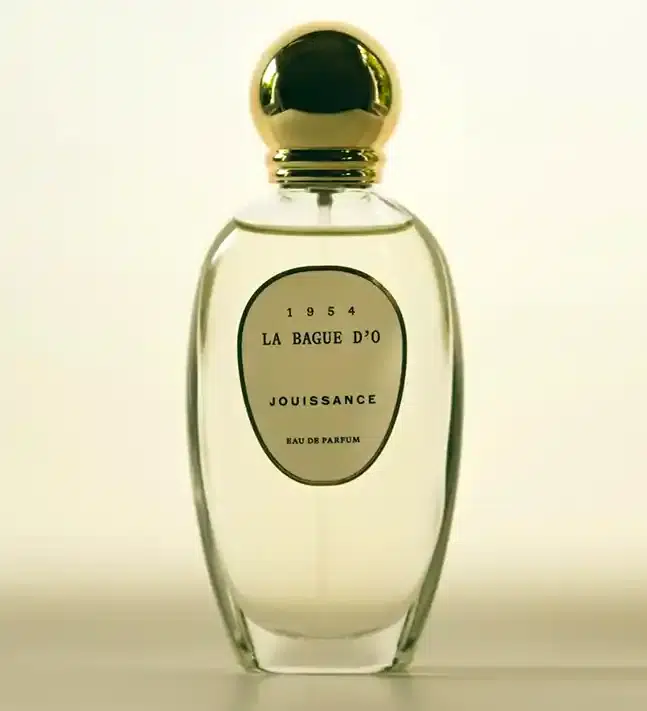
Cheng brings an academic perspective to the project. She holds master’s degrees from Sotheby’s Institute of Art in Art Business and from Goldsmiths, University of London, in Contemporary Art Theory. Alongside collecting contemporary art, she also maintains a personal archive of discontinued perfumes.
The brand’s name comes from a concept introduced by the French feminist writer Hélène Cixous in her 1975 essay Le Rire de la Méduse. In literary theory, “jouissance” refers to a form of pleasure that transcends conventional boundaries—an idea Cheng translates into fragrance.
“We see perfume as a work of art,” she explains. “Something that evolves, unsettles, and provokes.”
Each scent in the Jouissance collection draws inspiration from a literary figure or artistic voice. The fragrances, priced around $240, are designed to evoke atmosphere and narrative rather than follow traditional perfume conventions.
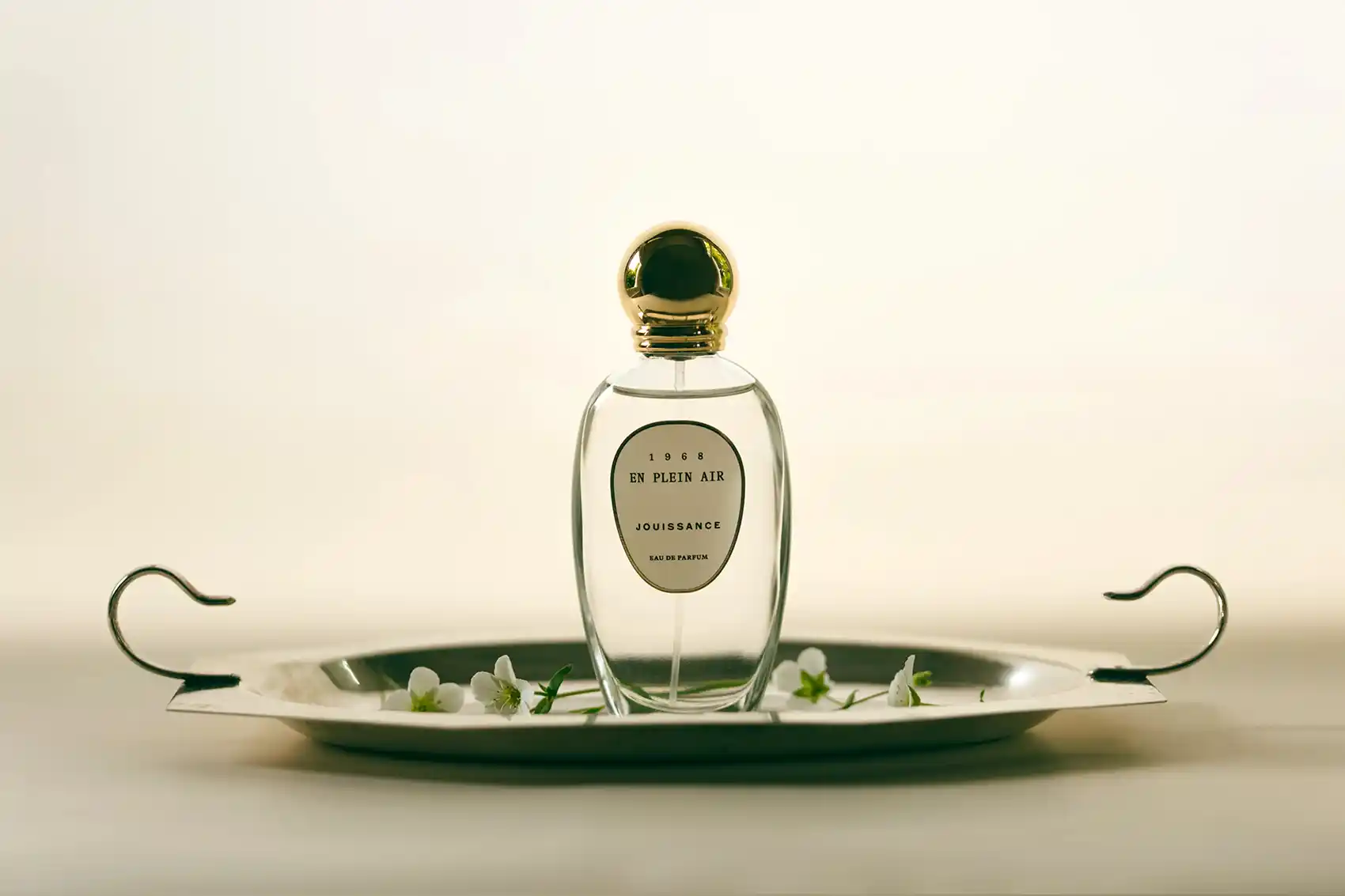
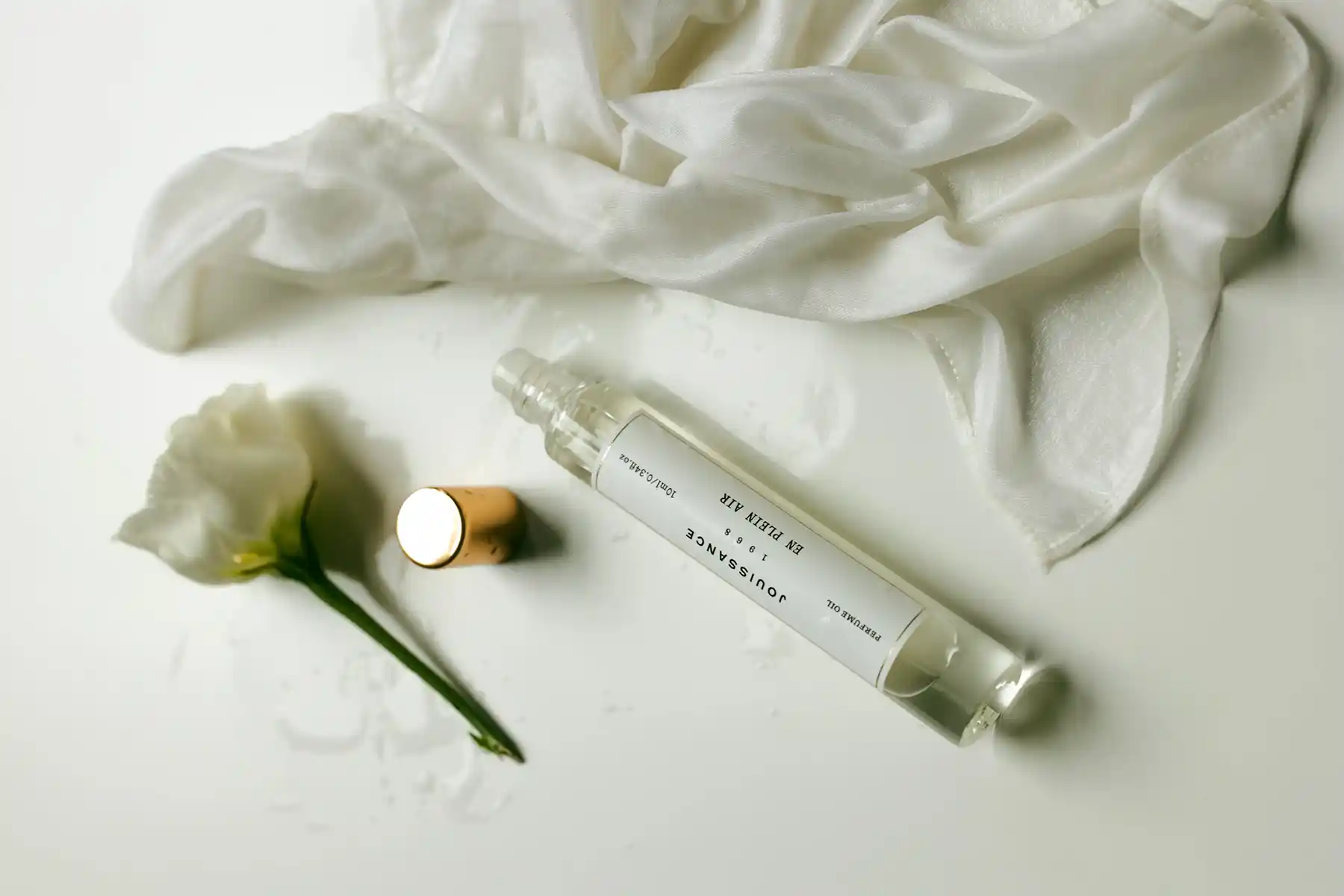
One fragrance, En Plein Air, references passages from Catherine Millet’s memoir The Sexual Life of Catherine M., capturing moments of spontaneity and freedom through layered notes that balance softness and intensity.
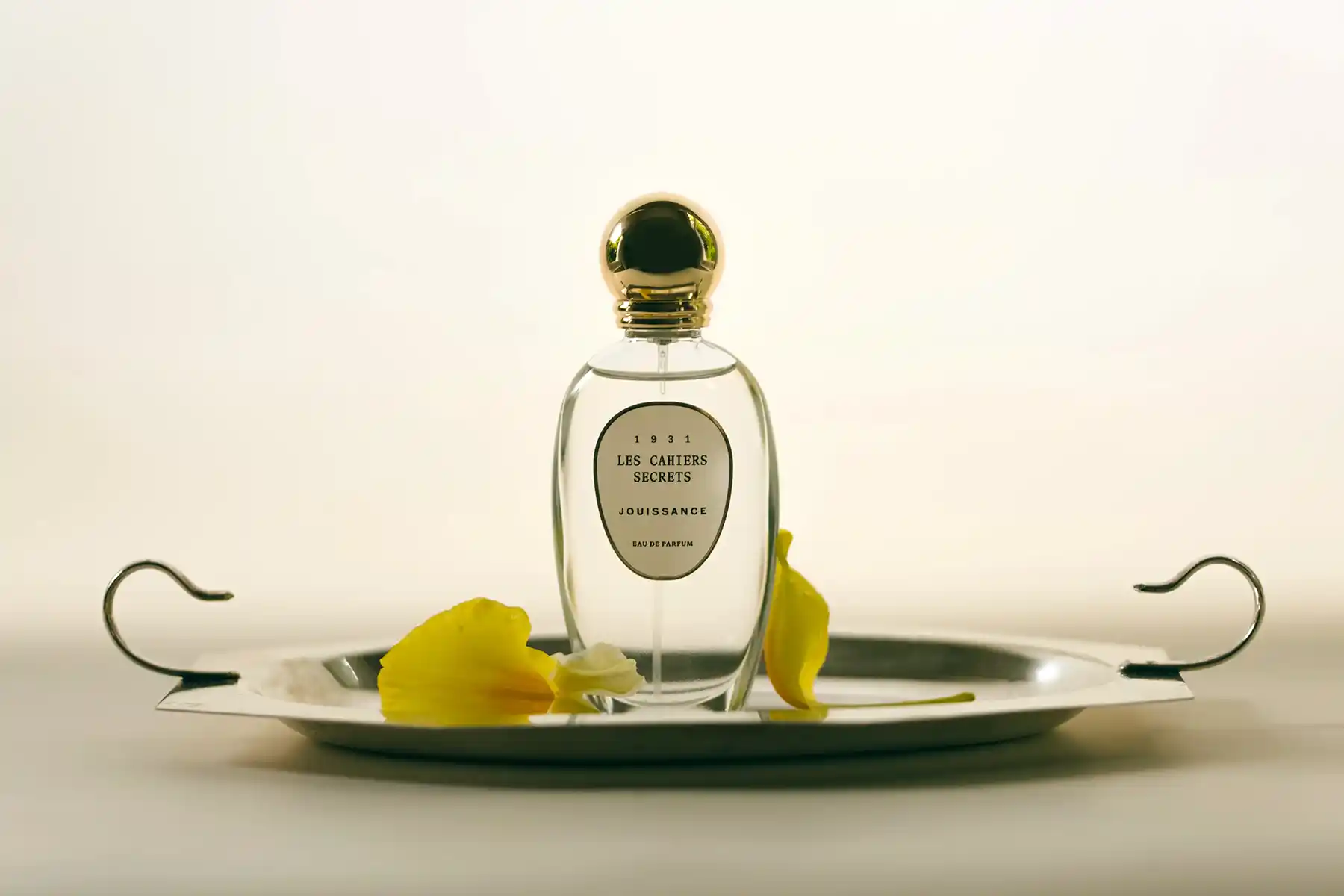
Another scent, Les Cahiers Secrets, draws inspiration from the diaries of Anaïs Nin, whose writing explored femininity, intimacy, and emotional complexity.
Meanwhile, La Bague d’O reimagines the world of Pauline Réage—also known as Anne Desclos—whose provocative literary work challenged conventional ideas about authorship and desire.
For Cheng, literature remains the heart of the brand. Jouissance encourages its community to explore writing alongside fragrance, even offering curated reading lists that reflect the themes behind each scent.
Beyond perfume, the company also hosts salons, dinners, and creative gatherings designed to bring together writers, artists, and collectors.
In that sense, Jouissance operates as more than a fragrance label. It functions as a platform for artistic dialogue—one where scent, literature, and imagination meet.
And in Cheng’s view, the perfume itself remains the most personal element of the experience.
“A fragrance is an invisible accessory,” she says. “You notice it only when someone comes close.”
In a fragrance industry crowded with celebrity launches and mass-market branding, Jouissance takes a different approach. Its perfumes ask the wearer to slow down, engage with literature, and embrace scent as a form of storytelling.
Because sometimes the most intriguing fragrance begins with a page.