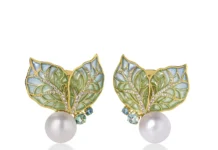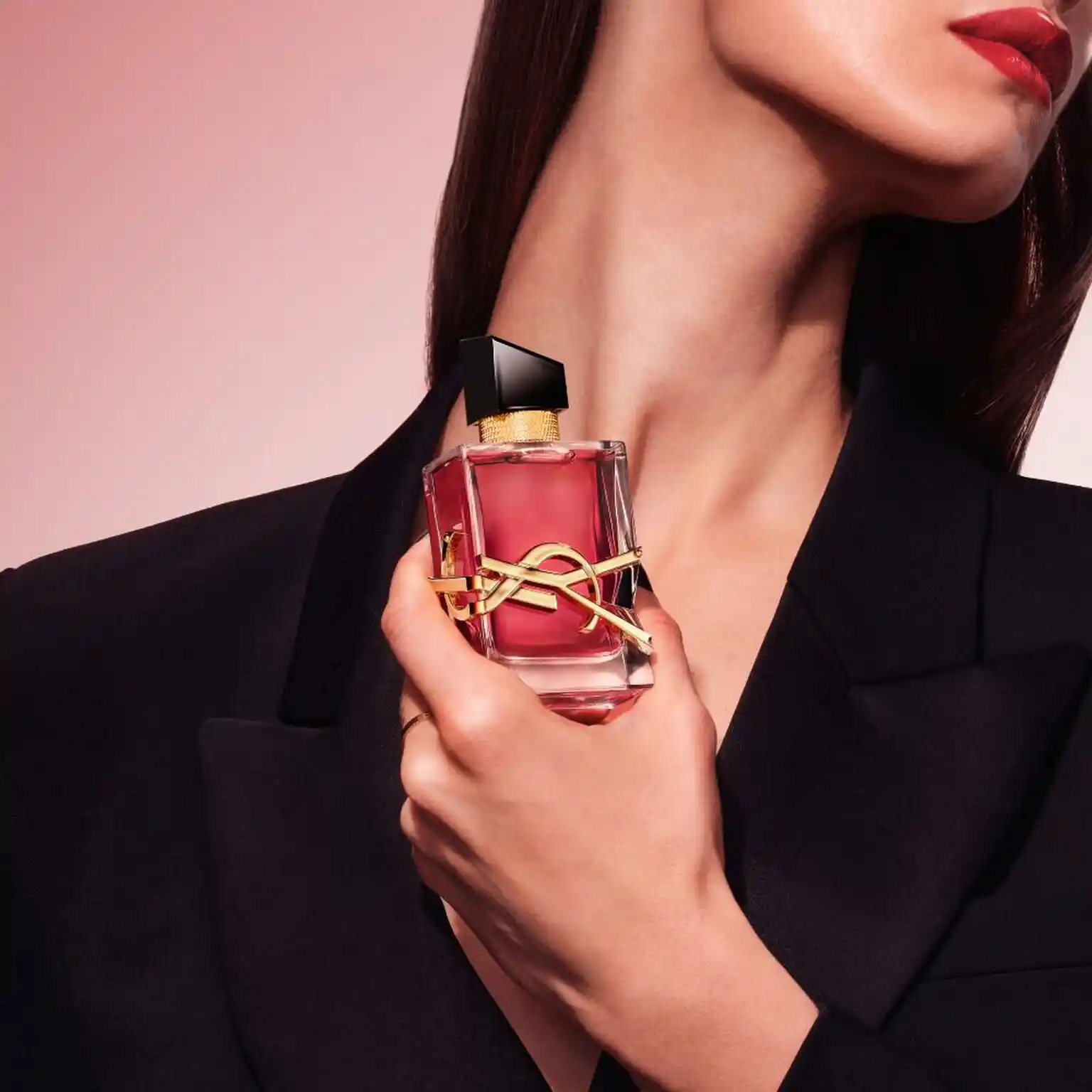
Spring does not arrive all at once—it unfolds.
Buds swell, light softens, and the air shifts almost imperceptibly at first. For fragrance, this in-between moment presents a quiet question: when does one truly begin to dress for the season?
Is it when the first rhubarb appears, sharp and green, suggesting something like Experimental Perfume Club’s Rose Rhubarb or Prada’s Infusion de Rhubarbe? Or does it come later, when florals begin to assert themselves—when a scent such as Byredo’s La Tulipe feels not premature, but inevitable?
Spring fragrance, like spring itself, resists precision.
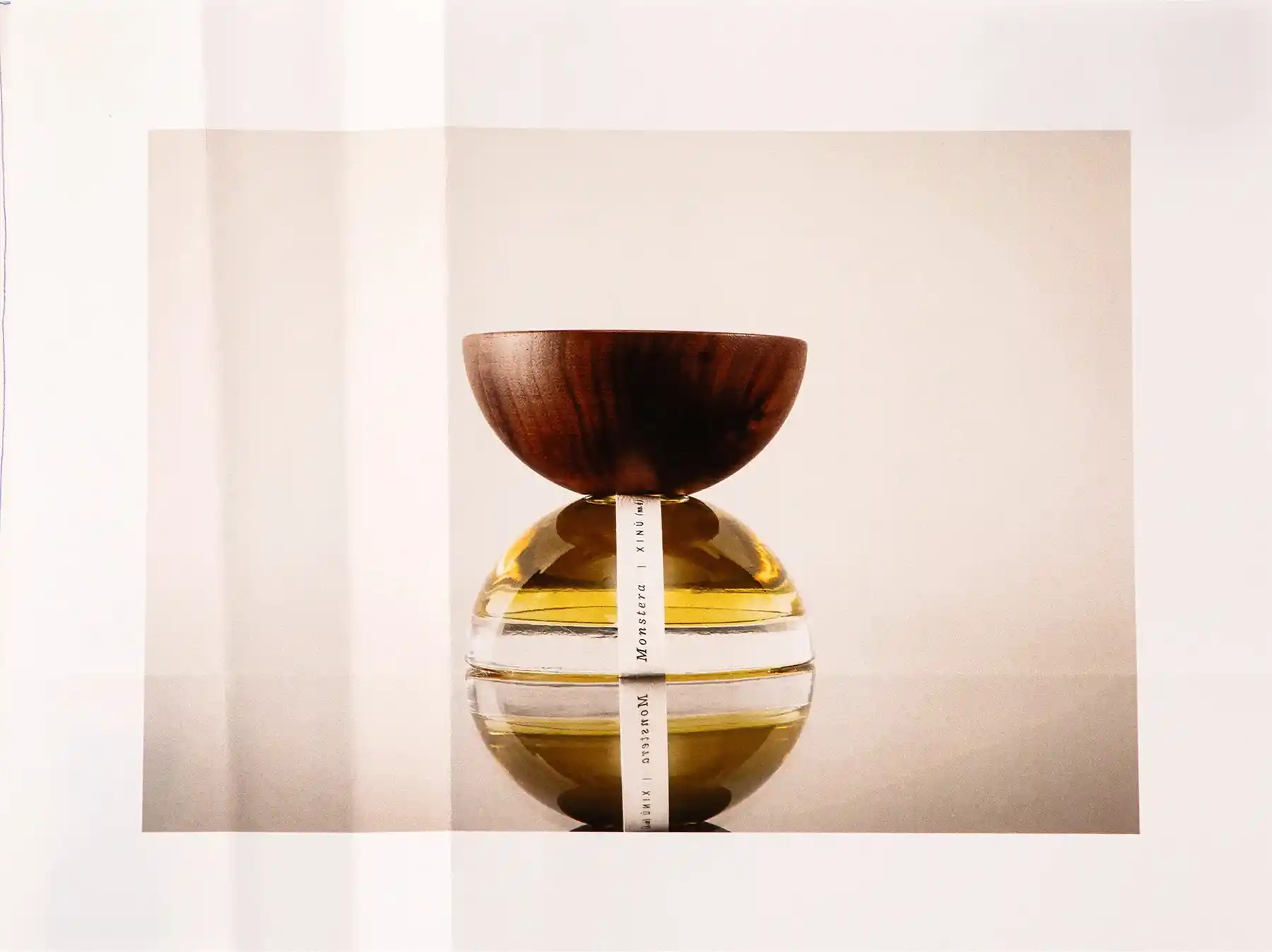
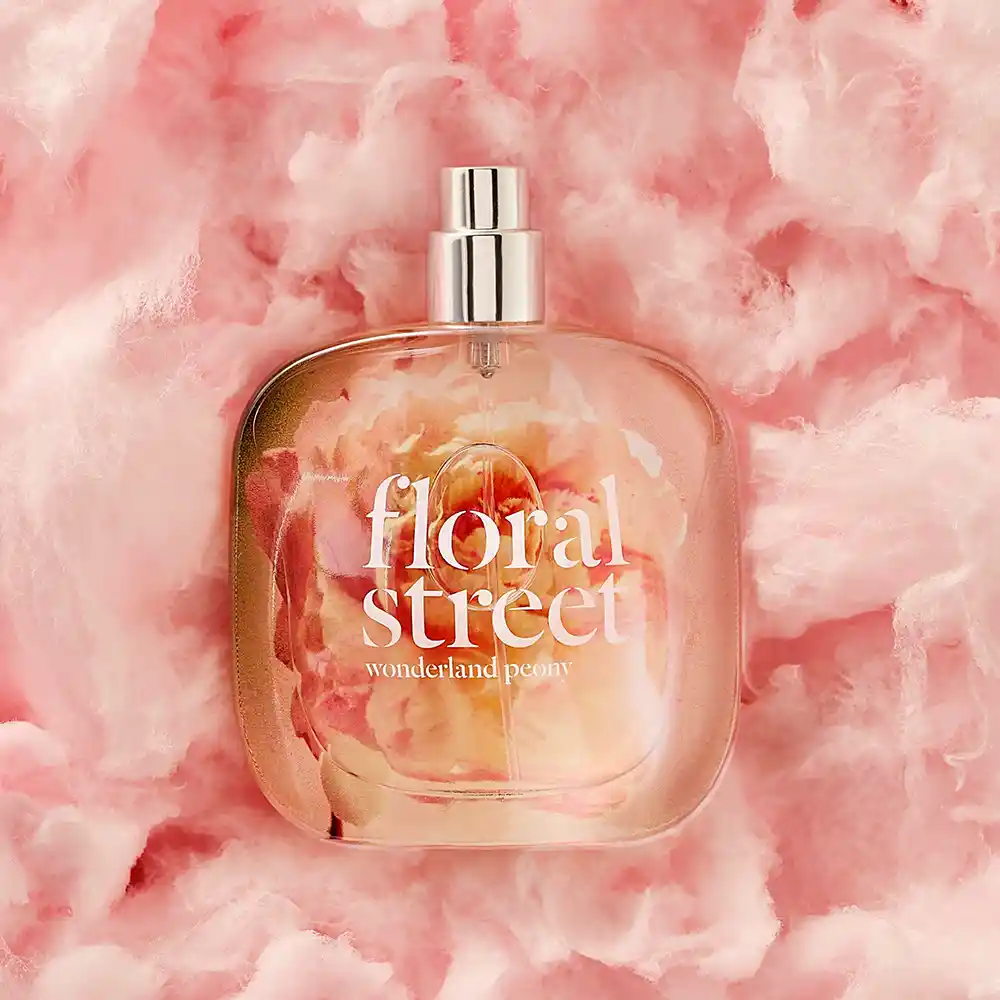
There is a temptation to follow the garden—to wear what is blooming, or about to bloom. Magnolia, perhaps, from Santa Maria Novella, or the soft optimism of peony-led compositions such as Balmain’s Destin by Quentin Bisch. Elsewhere, more playful interpretations emerge: strawberry notes in fragrances from The 7 Virtues or berry-driven compositions that feel almost edible in their brightness.
But timing remains elusive.
Is March too early for the suggestion of wildflowers—something akin to Fulton & Roark’s Lady Bird—or does the season invite a certain anticipation? Should one move gradually, through green notes and soft florals, or leap directly into full bloom?
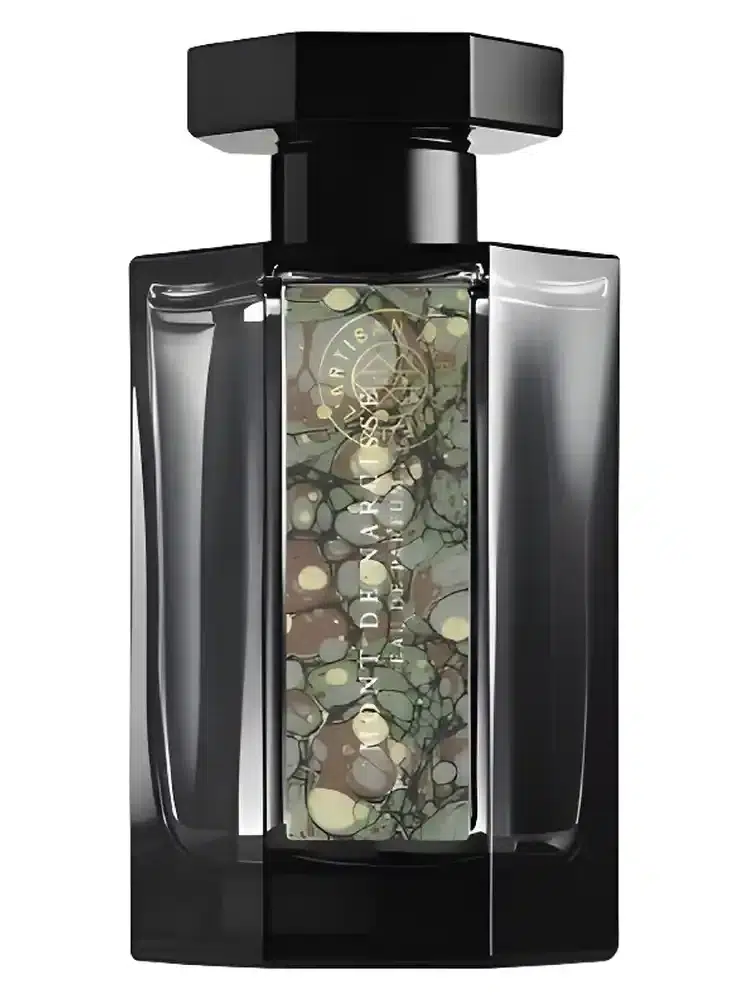
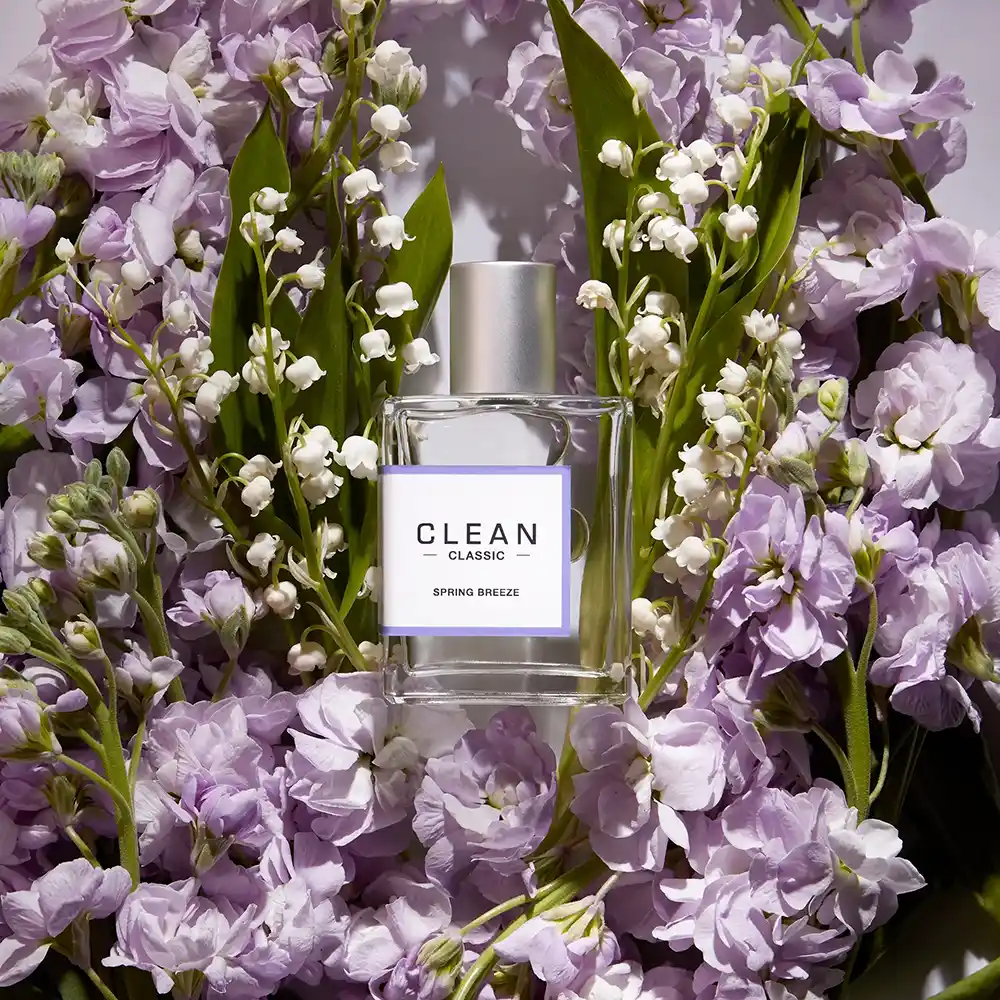
Even the classics resist certainty. When does Penhaligon’s Bluebell truly belong? And how long can one reasonably remain in the company of narcissus—whether through Hermès or L’Artisan Parfumeur—before the season moves on?
There is, perhaps, no fixed answer.
Spring is also a season of contrasts. Cold mornings linger, even as afternoons hint at warmth. A trace of softness—a cashmere-like composition such as Michel Malul’s Joie de Vivre Blush—can feel as appropriate as the brightest floral. Freshness does not exclude comfort; it refines it.
Across the category, interpretations of spring range widely. From the structured green clarity of vetiver-based compositions to the more expansive, almost transportive florals that evoke Provence, Turkey, or southern Mexico, fragrance offers not a single definition of the season, but many.
Which is precisely the point.
To choose a spring perfume is not to follow a rule, but to follow a moment—much like tending a garden. Some prefer to anticipate the bloom; others wait until it arrives. Some favor delicacy, others intensity.
In the end, the most compelling approach may be the simplest.
Read fragrances as you would a seed catalogue.
And choose the one you would most like to grow into.