Preventative wellness has quietly become one of luxury living’s most defining modern rituals.
Across cities like London, New York, Miami, and Dubai, wellness-conscious travelers, entrepreneurs, and high-performing professionals are shifting away from reactive approaches to health in favor of something far more intentional: consistency. Longevity is no longer viewed through the lens of occasional recovery alone, but through the daily disciplines that help preserve balance before burnout begins.
Massage therapy now sits firmly within that evolution.
What was once associated primarily with indulgence or spa weekends has become part of a broader luxury wellness lifestyle centered on recovery, performance, and sustained well-being. Increasingly, clients are scheduling treatments proactively rather than waiting for stress, fatigue, or physical tension to force intervention.
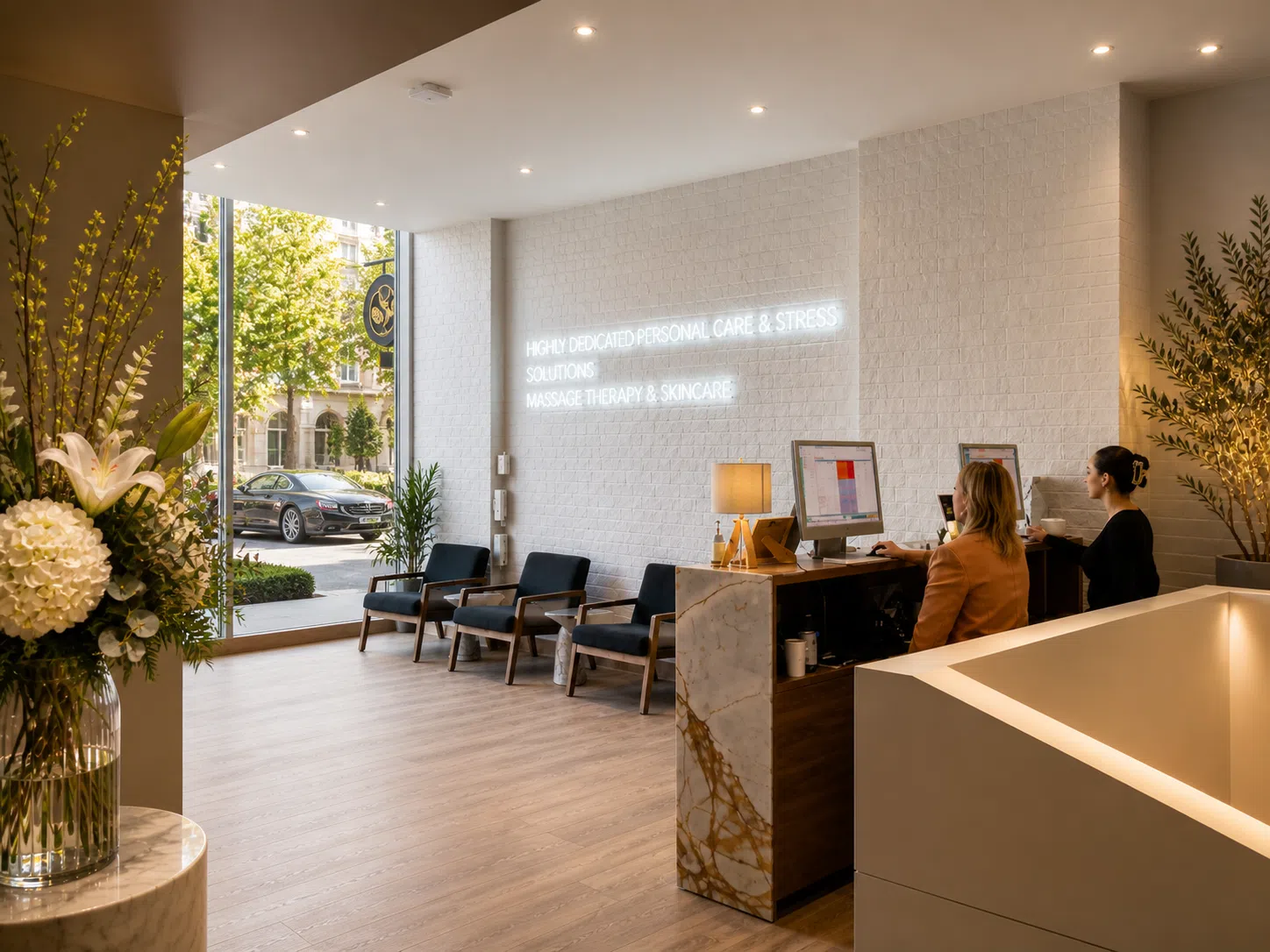
In London’s Fulham district, Spa & Massage has built its approach around that very philosophy. Rather than encouraging infrequent visits tied to discomfort, the company focuses on continuity, creating an environment where massage therapy becomes integrated into the rhythm of everyday life.
“People are coming in before the strain becomes a problem,” says Aly-Khan Thobani, Director and Owner of Spa & Massage. “They are planning care the same way they plan work or training.”
The shift reflects a broader recalibration happening throughout the wellness industry. Luxury consumers today are investing less in isolated moments of escape and more in long-term practices that support resilience, mobility, sleep quality, and emotional balance.
And increasingly, consistency has become the real luxury.
A single massage may offer immediate relief, but regular bodywork creates something more valuable: stability. The cumulative effect of ongoing treatments has become especially appealing in a culture defined by relentless schedules, constant travel, and digital overload. Wellness routines are no longer viewed as occasional indulgences reserved for vacations or retreats. They have become part of everyday performance maintenance.
Spa & Massage’s accessible clinic model reflects that change directly. Positioned within convenient high-street locations, the clinics allow clients to incorporate treatments seamlessly into weekly routines rather than treating them as rare appointments.
Studies continue to reinforce what luxury wellness travelers and recovery-focused athletes have long understood intuitively: regular massage therapy supports both physical and mental well-being, helping regulate stress while promoting recovery and relaxation.
“One session can help, but consistency is what people rely on,” Thobani explains. “They come back because they feel the difference over time.”
That idea, wellness as an ongoing rhythm rather than an emergency response, has become central to modern luxury living.
The wellness world itself has evolved accordingly. Today’s most sought-after experiences increasingly revolve around longevity, preventative care, and sustained performance. Recovery lounges, biohacking clinics, sleep optimization programs, and personalized wellness regimens have all entered the luxury mainstream. Massage therapy has quietly secured its place within that ecosystem not as a fleeting indulgence, but as one of its most enduring foundations.
Its appeal lies partly in its simplicity.
There is no technology overload, no complicated protocol, and no performative wellness ritual attached to it. Instead, massage therapy offers something increasingly rare in modern life: uninterrupted restoration. A deliberate pause. A recalibration that supports both body and mind before imbalance takes hold.
That distinction matters.
Preventative wellness continues to gain momentum because it minimizes disruption while helping preserve how people want to live, move, travel, and perform. The objective is no longer merely recovery. It is sustainability.
In that landscape, massage therapy has evolved far beyond occasional self-care. It has become part of the architecture of modern luxury wellness itself.