A change has taken hold in how people manage their health. Waiting for pain to surface no longer defines the starting point. Many now act earlier, choosing steady care over a delayed response. Massage therapy sits at the center of that change, gaining attention as a practical method to manage stress and physical strain before they intensify.
Research supports that direction. Clinical findings show that massage therapy can reduce symptoms of anxiety and depression while improving overall well-being across different populations. Those results reinforce a broader idea that care delivered early has a measurable effect on both mind and body. The body does not reach a crisis before support begins, and that difference alters outcomes over time.
Spa & Massage operates within that framework. Its clinics do not depend on rare visits tied to discomfort. Clients return on a schedule, often booking sessions in advance rather than waiting for tension to build. Aly-Khan Thobani, Director & Owner of the company, explains the pattern in direct terms. “People are coming in before the strain becomes a problem. They are planning care the same way they plan work or training.” The shift he describes reflects a steady move away from reactive habits toward structured maintenance.
Preventive care works through accumulation. Regular sessions reduce the load placed on the body, helping avoid the cycle of strain followed by recovery. That pattern replaces urgency with stability, and it has begun to define how massage therapy is used in daily life.
Routine Over Occasional Relief
Consistency now carries more value than intensity. A single session may ease tension, yet repeated visits shape long-term results. Wellness trend reports point to growing demand for care that fits into daily schedules, with massage therapy playing a central role in that demand. Regular access, rather than exclusivity, drives adoption.
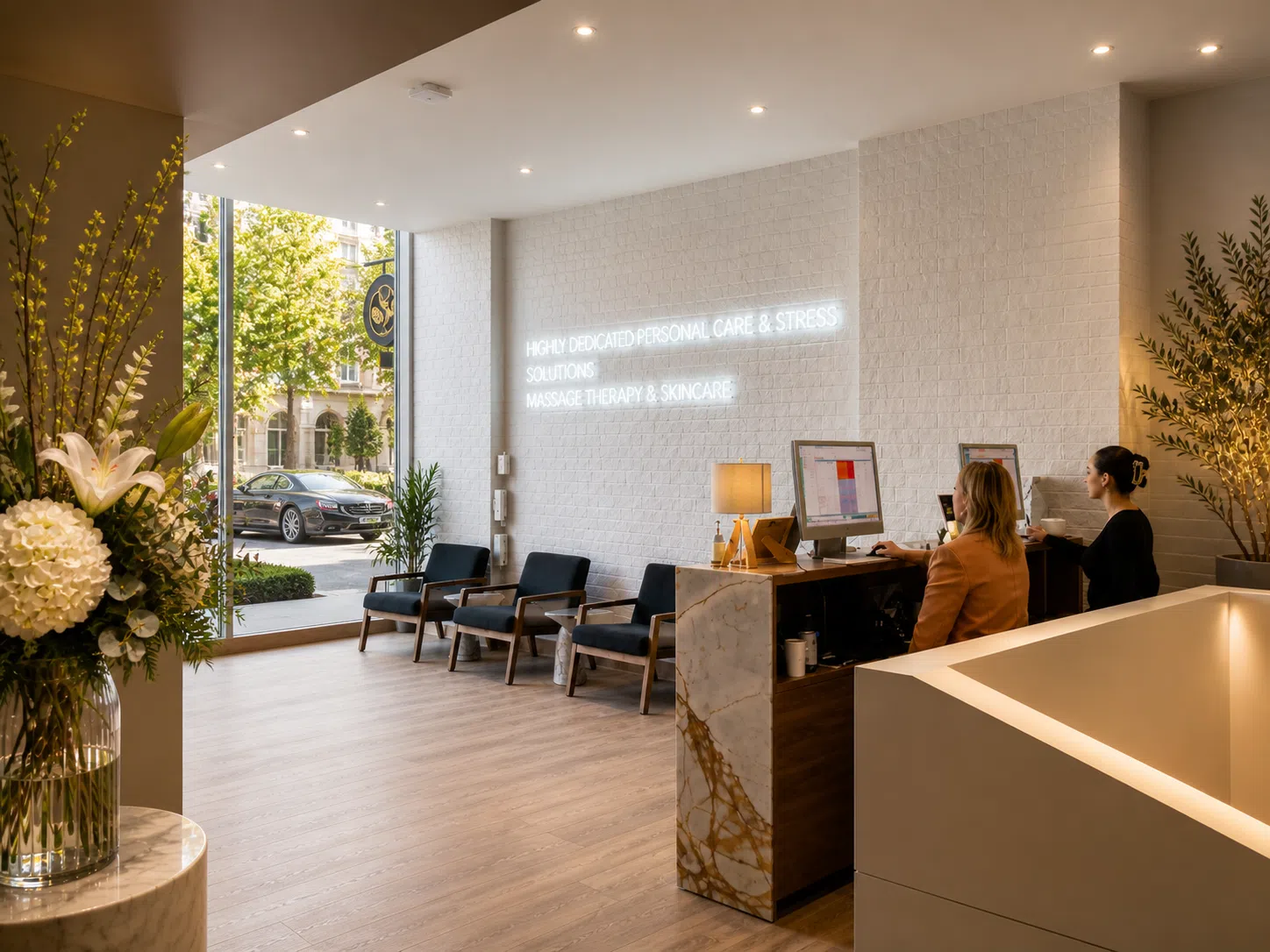
Spa & Massage reflects that preference through its high-street model. Clinics are positioned in accessible locations, allowing clients to return without disruption to their routines. Visits become part of the week rather than a rare event tied to special occasions. That accessibility supports habit formation, which in turn supports better outcomes.
Health data reinforces the importance of frequency. Massage therapy has been linked to reduced stress hormones and increased levels of neurotransmitters associated with mood regulation. Those effects build over time rather than appearing in isolation. Regular care strengthens those responses, making the body more resilient to ongoing stress.
Thobani frames the appeal through repetition rather than intensity. “One session can help, but consistency is what people rely on. They come back because they feel the difference over time.” His observation captures a shift in expectations. Clients no longer seek a temporary reset. They seek a steady baseline that allows them to function without interruption.
That expectation shapes how clinics operate. Scheduling becomes predictable. Demand becomes consistent. The service moves from occasional use to regular practice, aligning with how other forms of preventive care are managed.
A Model Built on Continuity
The rise of preventive wellness has placed pressure on traditional models that rely on exclusivity and infrequent visits. A system built around continuity responds more directly to modern schedules, where time is limited, and demands remain constant. Spa & Massage fits into that system by offering treatments designed for repetition rather than rarity.
Massage therapy contributes to that continuity through its effect on both physical and mental health. Evidence shows benefits across pain management, mobility, and emotional balance, with consistent use linked to improved quality of life. These outcomes reinforce the idea that regular care provides cumulative value rather than isolated relief.
A cycle forms around that value. Regular sessions reduce strain, which supports better performance in daily activities. Improved performance reduces the likelihood of severe discomfort, which in turn lowers the need for urgent intervention. The cycle continues, sustained by consistency rather than reaction.
Spa & Massage sits within that loop. Its clinics support repeat visits, and its structure aligns with the growing preference for ongoing care. Clients adopt routines that match their schedules, and those routines begin to shape expectations. The idea of waiting until discomfort appears loses ground, replaced by a model built on steady attention to the body.
Preventive wellness continues to gain ground because it offers a clear advantage. It reduces disruption. It maintains function. It supports long-term stability. Massage therapy, once framed as an occasional indulgence, now operates within that logic. Spa & Massage reflects that change through a model built on access, repetition, and continuity, where care begins before the body demands it and continues so it rarely has to.