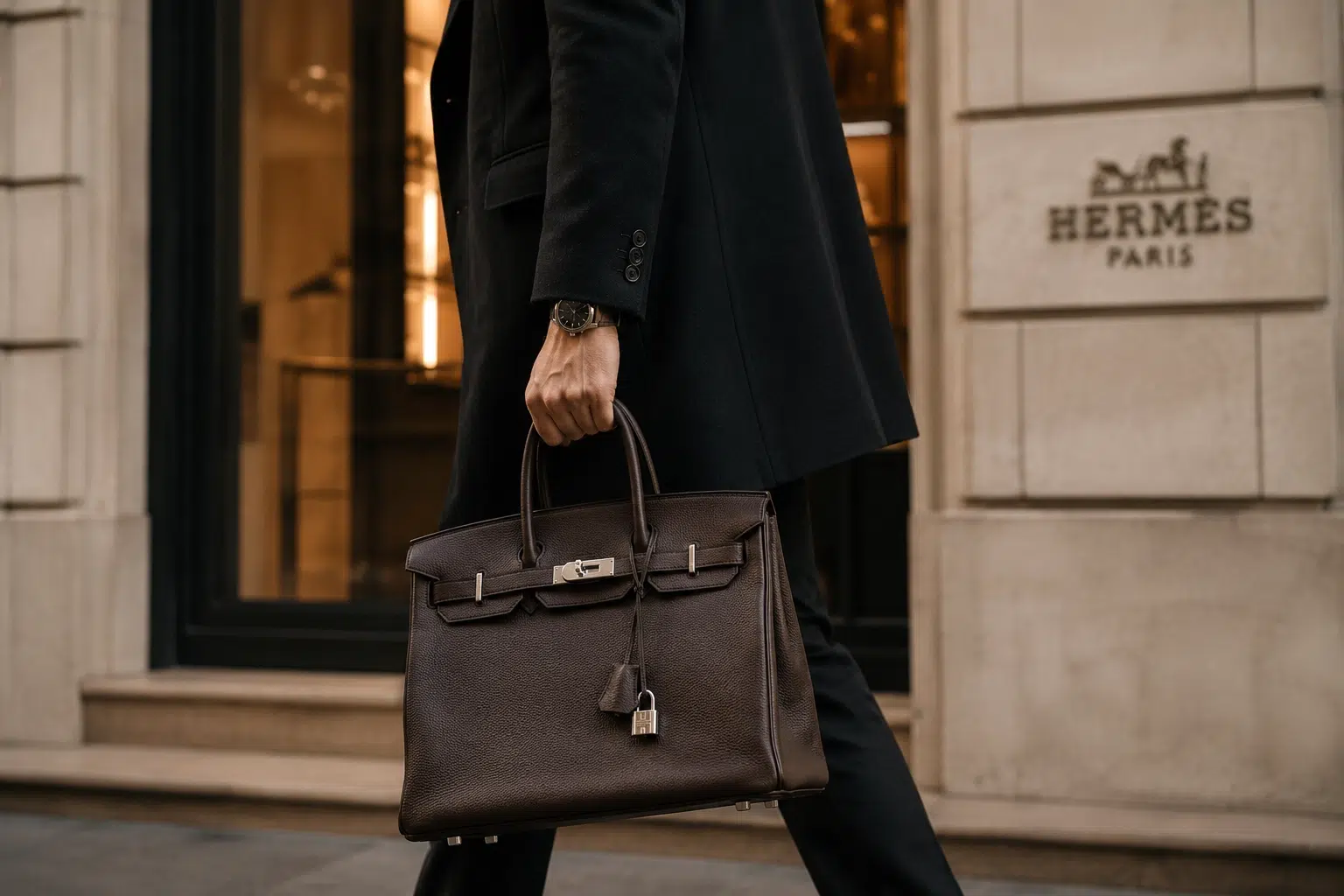
Luxury has always had a remarkable ability to transcend its original purpose. A mechanical watch no longer exists simply to tell time, a grand château is valued for far more than the shelter it provides, and the world’s most coveted automobiles are admired as rolling works of engineering and design rather than mere transportation. The same transformation has quietly taken place within the world of fashion, where a handbag conceived four decades ago has evolved into one of the most recognizable symbols of craftsmanship, scarcity, and cultural influence. Today, the Hermès Birkin belongs as much to the worlds of collecting, investment, and connoisseurship as it does to fashion, making it one of the rare luxury creations whose appeal extends well beyond gender.
That evolution has become increasingly visible in recent years. Athletes, musicians, entrepreneurs, collectors, and cultural tastemakers such as Pharrell Williams, Drake, Erling Haaland, Steve Harvey, Floyd Mayweather, and Christian McCaffrey have all been seen carrying Hermès bags, particularly rare Birkins and Haut à Courroies (HAC) models. Their choice reflects something far more meaningful than celebrity style. It illustrates a broader shift in modern luxury, where extraordinary craftsmanship and rarity command admiration regardless of whether an object was originally designed for men or women.
The story begins not with the Birkin itself, but with Hermès. Founded in Paris in 1837 as a harness workshop serving Europe’s equestrian elite, the Maison established its reputation through uncompromising craftsmanship long before it entered the worlds of ready-to-wear or handbags. Saddles, bridles, trunks, and leather travel goods were painstakingly created by artisans whose standards would become synonymous with French luxury. Every stitch reflected a philosophy that valued permanence over fashion and mastery over mass production, principles that continue to define Hermès nearly two centuries later.
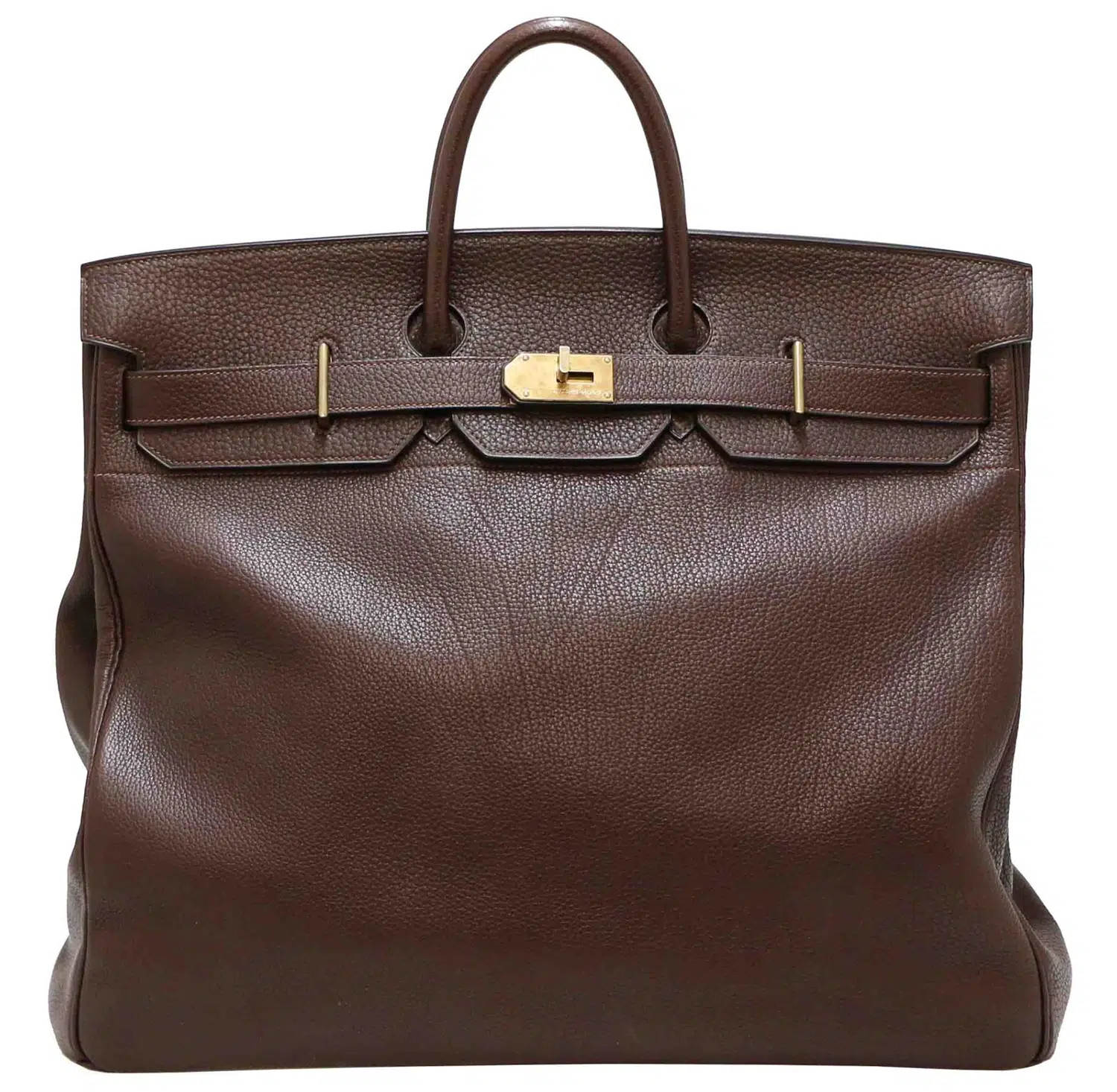
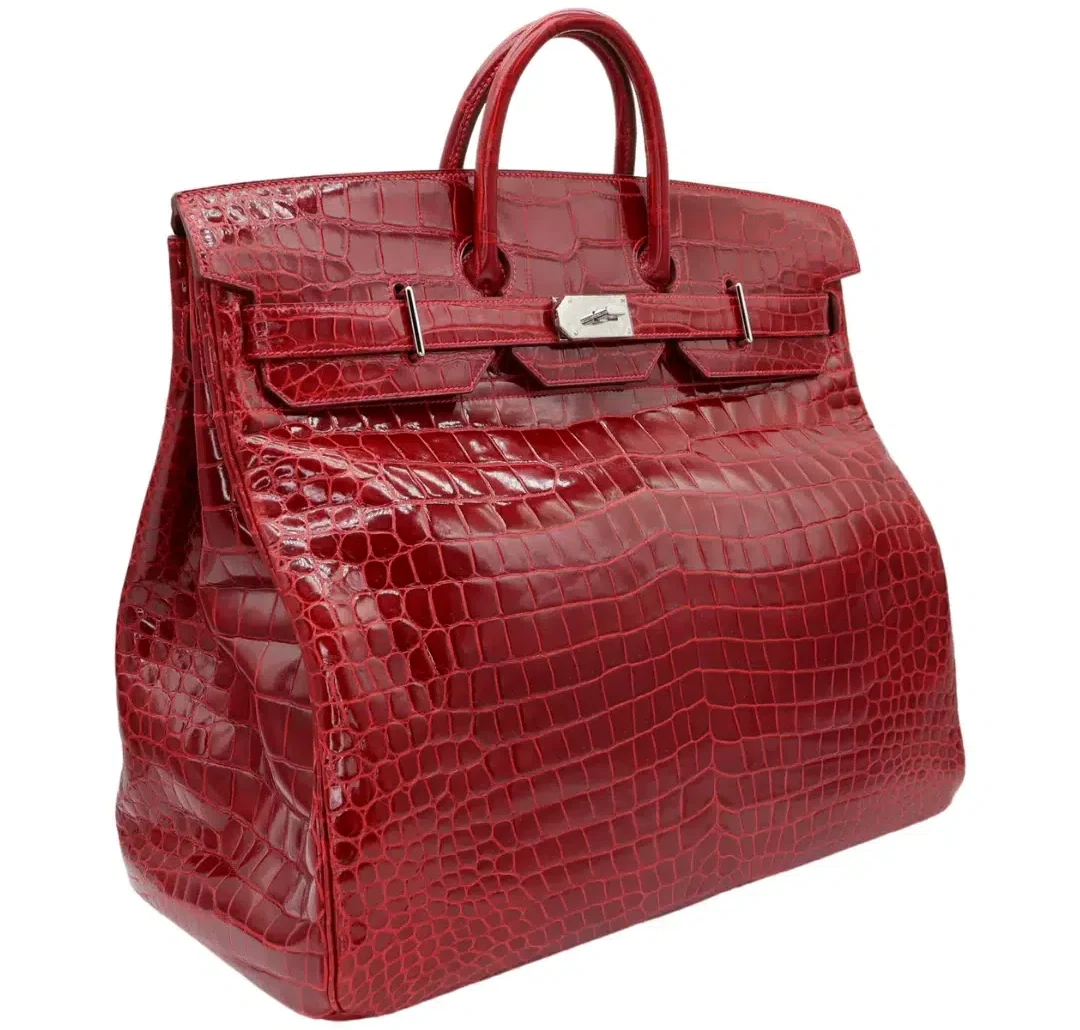
Among the House’s earliest leather creations was the Haut à Courroies, more commonly known as the HAC. Introduced at the end of the nineteenth century, the generously proportioned bag was originally designed to transport riding boots and equestrian equipment. Functional, elegant, and unmistakably refined, it embodied the Maison’s heritage long before handbags became cultural icons. Today, oversized HAC models have found a new audience among male collectors, offering an intriguing reminder that Hermès’ history has always been closely connected to men’s luxury as well as women’s fashion.
The Birkin itself entered that history almost by accident. During a flight from Paris to London in 1984, actress and singer Jane Birkin found herself seated beside Jean-Louis Dumas, then chairman of Hermès. As she struggled with an overfilled basket, the contents spilling across the cabin, she remarked that she had never found the perfect leather weekend bag. Dumas listened, sketched an idea during the flight, and transformed a casual conversation into what would become one of the most celebrated accessories in fashion history.
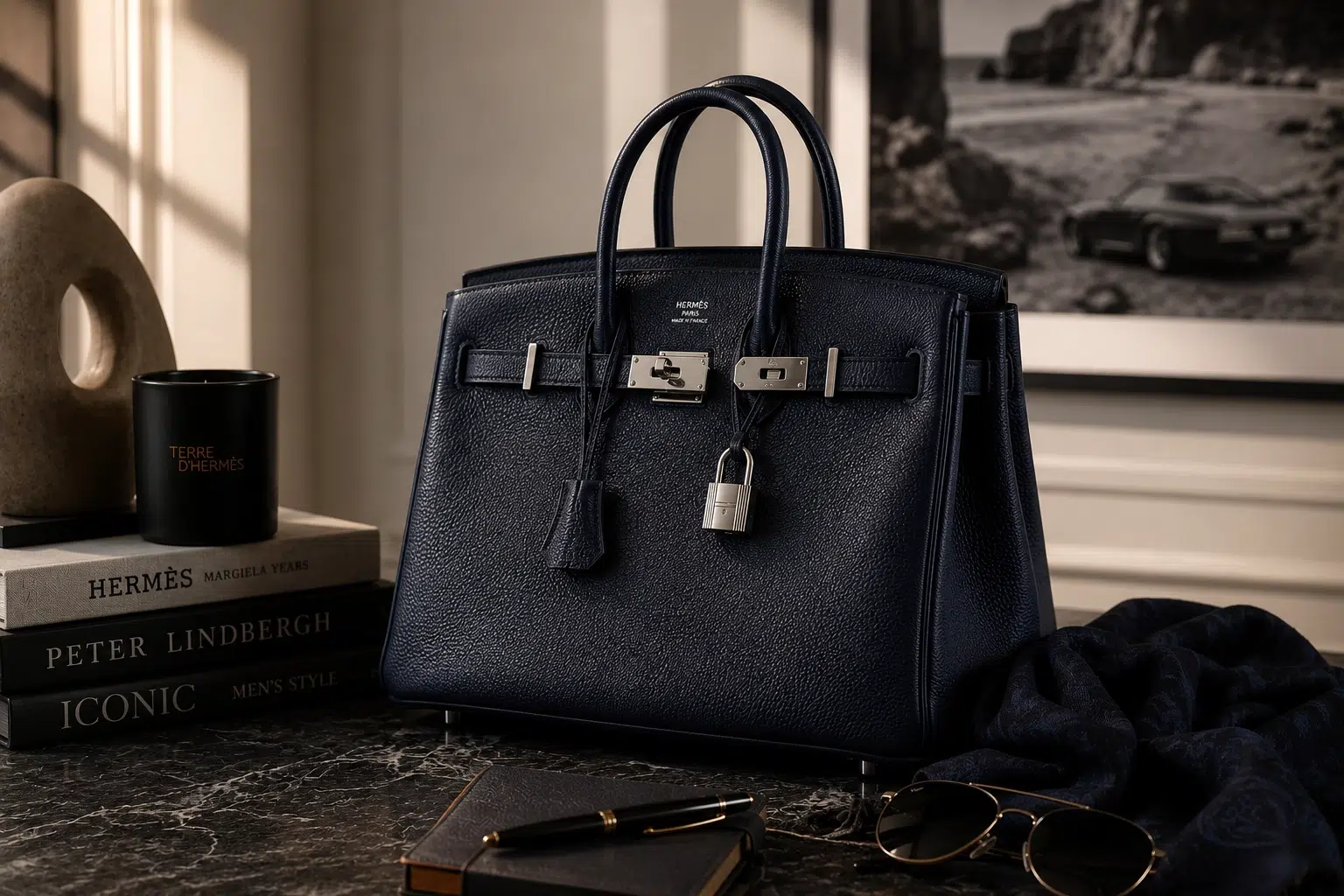
From the beginning, the Birkin was distinguished by practicality as much as beauty. Its generous proportions, structured silhouette, and meticulous leatherwork reflected the Maison’s dedication to utility without sacrificing elegance. Yet what truly elevated the bag was not marketing or celebrity endorsement, but the extraordinary discipline behind its creation. Each Birkin is crafted by a single artisan who completes the bag from beginning to end, employing techniques refined over generations. Rather than dividing production among numerous specialists, Hermès entrusts one craftsperson with every stage of construction, preserving a level of consistency and accountability that has become increasingly rare in modern manufacturing.
That commitment to craftsmanship is matched by an equally deliberate approach to scarcity. Hermès has never treated the Birkin as a mass-market product, resisting the temptation to satisfy demand simply because it exists. Production remains intentionally limited, and acquiring certain models often requires patience, established relationships, and a measure of good fortune. The resulting exclusivity has become one of the bag’s defining characteristics, transforming ownership into an experience that extends beyond the object itself.
Scarcity, however, tells only part of the story. Over time, the Birkin has also become one of the most closely watched luxury assets in the world. Rare editions crafted from exceptional leathers or produced in limited quantities have achieved remarkable prices at international auctions, while Jane Birkin’s own original prototype recently became the most valuable handbag ever sold. Such milestones reinforce an important reality: the Birkin is no longer viewed solely as an accessory. It occupies the same cultural space as collectible timepieces, exceptional automobiles, fine art, and museum-worthy jewelry—objects prized for their history, provenance, and enduring desirability as much as for their craftsmanship.
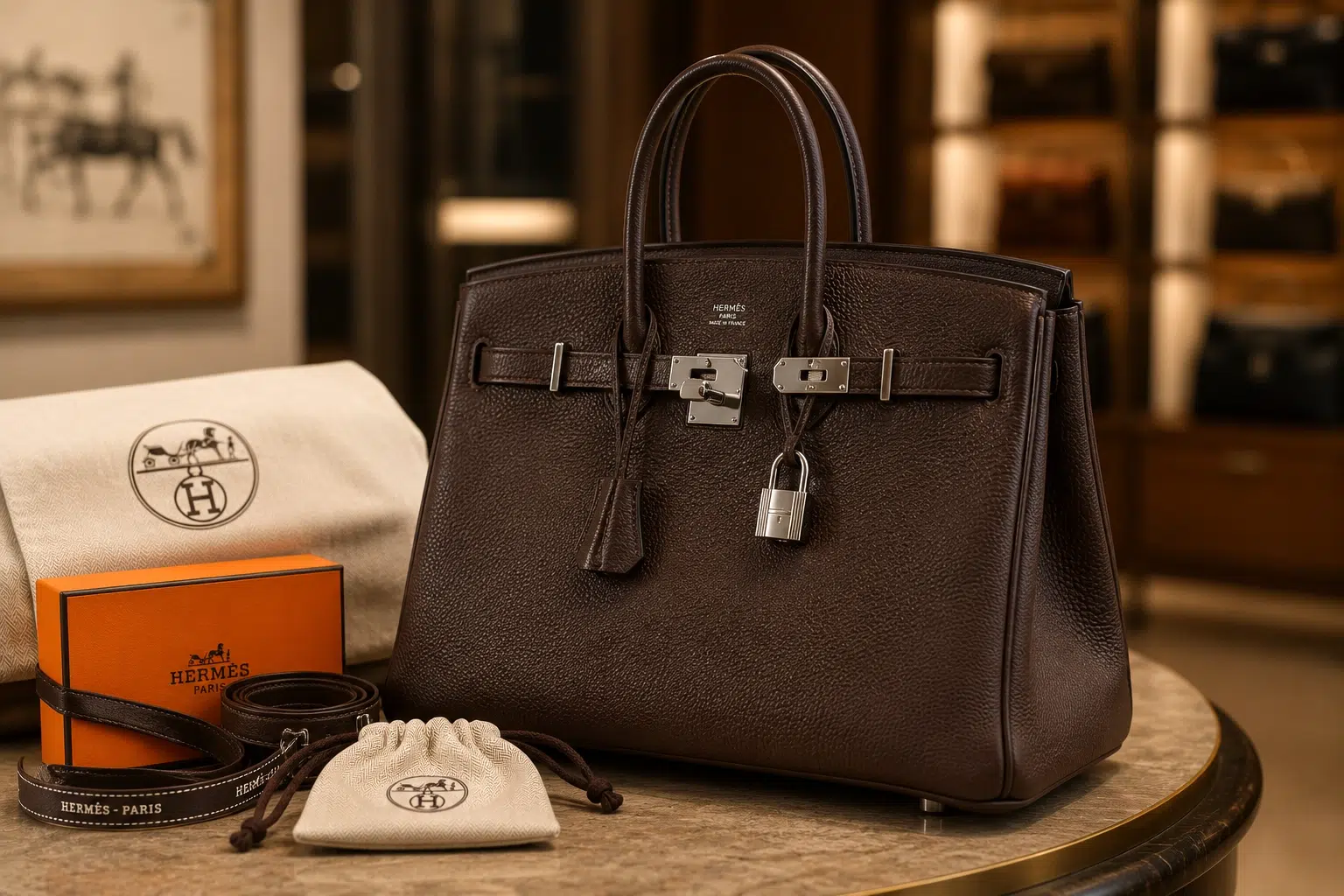
This transformation helps explain why an increasing number of influential men have embraced Hermès bags with complete confidence. Their appeal lies not in challenging conventions, but in recognizing excellence wherever it exists. A rare Birkin or HAC represents meticulous craftsmanship, extraordinary materials, limited availability, and decades of cultural significance. These are precisely the qualities that attract serious collectors, whether the object in question is a vintage Ferrari, a Patek Philippe perpetual calendar, a first-growth Bordeaux, or a twentieth-century masterpiece.
Pharrell Williams has long approached fashion as a form of artistic expression rather than adherence to traditional categories, making Hermès a natural extension of his collecting philosophy. Drake’s appreciation for rare Birkins reflects the same fascination with exclusivity that characterizes his art and jewelry collections. Erling Haaland’s oversized HAC bags echo Hermès’ equestrian heritage while complementing a modern, understated wardrobe. Even Steve Harvey, whose tailoring has become a hallmark of contemporary menswear, demonstrates how the Birkin and related Hermès creations have entered the broader language of masculine luxury without losing their timeless elegance.
Their visibility does not redefine the Birkin. Instead, it reveals what the bag has quietly become. The object itself has transcended conventional labels, allowing craftsmanship and cultural significance to take precedence over traditional ideas of gender. Luxury has always evolved alongside society, and the Birkin’s journey reflects a broader movement toward collecting exceptional objects for their artistry rather than the audience for whom they were originally intended.
This evolution also mirrors a changing understanding of status. Increasingly, the world’s most discerning collectors seek authenticity instead of overt displays of wealth. Quiet luxury has shifted attention toward heritage, workmanship, and permanence, replacing conspicuous consumption with informed appreciation. Within that context, the Birkin’s appeal becomes entirely logical. It is not merely expensive; it is exceptionally difficult to obtain, painstakingly crafted, and supported by a legacy that few luxury products can equal.
Perhaps that is why the Birkin continues to resonate across generations. While countless accessories have enjoyed moments of popularity, very few have become enduring cultural symbols. The Birkin has accomplished something far rarer, evolving from an elegant leather bag into a masterpiece of design whose value lies as much in the hands that create it as in the person who carries it. It speaks to patience in an age of immediacy, craftsmanship in an era of automation, and permanence in a marketplace often driven by novelty.
The future of luxury will almost certainly introduce new icons, new technologies, and new ways of defining exclusivity. Yet the Birkin’s enduring success suggests that some values remain timeless. Extraordinary craftsmanship, meaningful heritage, and uncompromising quality continue to transcend fashion cycles and social conventions. Whether carried by a celebrated actress, a world-class athlete, an acclaimed musician, or an avid collector, the Birkin has become something far greater than a handbag.
It is a cultural artifact, an investment in artistry, and a testament to the enduring power of objects that are created not merely to be owned, but to be admired for generations. In that sense, the Birkin has moved beyond gender entirely, taking its place among the rare creations that define luxury itself.