As the United States approaches its 250th anniversary, the question is not simply how to celebrate, but how to dress for the occasion. A semiquincentennial invites more than fireworks and ceremony; it calls for a considered expression of American identity, one that reflects both heritage and evolution.
There are, broadly speaking, two directions. One looks back to the nation’s founding. The other leans into a distinctly American aesthetic that has endured, adapted, and, in recent years, reemerged with renewed cultural relevance: Western wear.
The former carries a certain theatrical appeal. Powdered wigs, frock coats, waistcoats, and breeches evoke the visual language of 1776. Yet outside of formal reenactments or themed galas, such attire remains more costume than wardrobe, an homage best appreciated at a distance.
The latter, however, feels entirely of the moment.
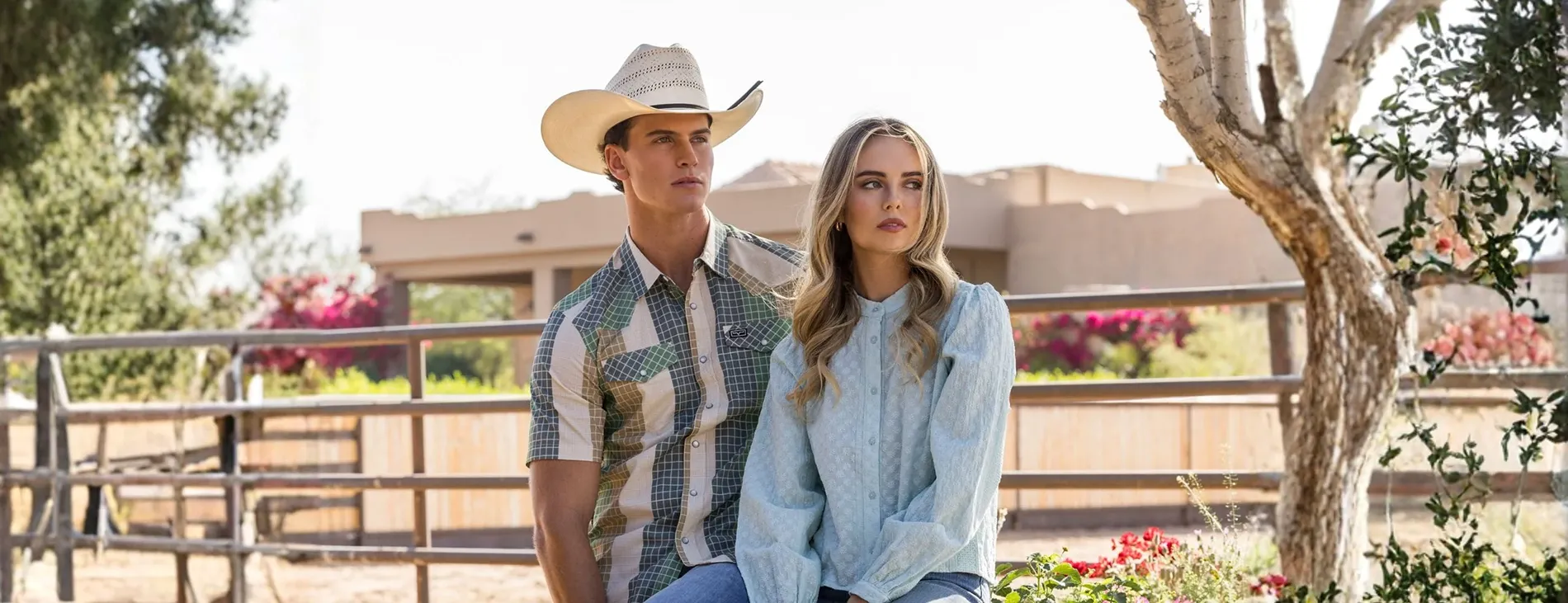
Call it cowboycore, ranchwear, or elevated Western, the aesthetic has moved well beyond its utilitarian origins. What was once the uniform of working cowhands has been reinterpreted by designers and embraced by a broader audience, from the rodeo circuit to the global stage. At its most authentic, Western style remains grounded in function: denim, durable shirting, and well-crafted boots shaped by land, labor, and longevity. Over time, these elements evolved into a visual language of American resilience, one that continues to resonate.
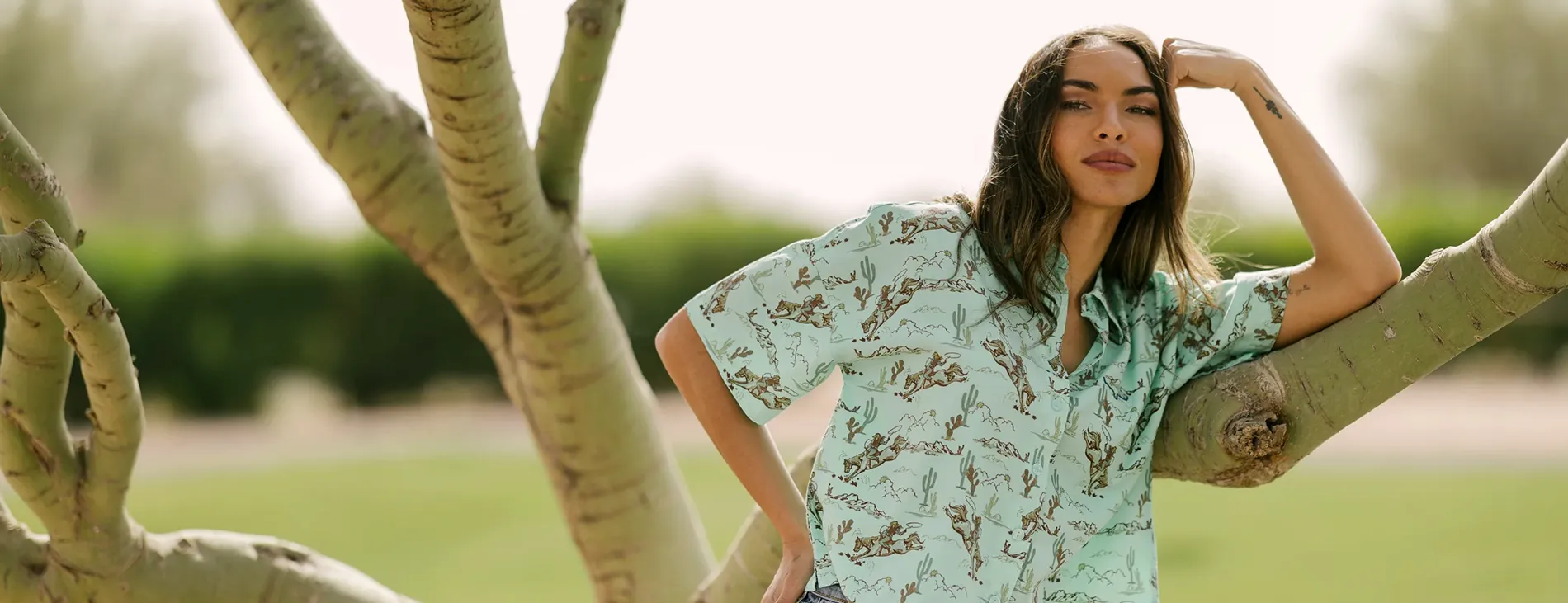
Today, that language has been refined.
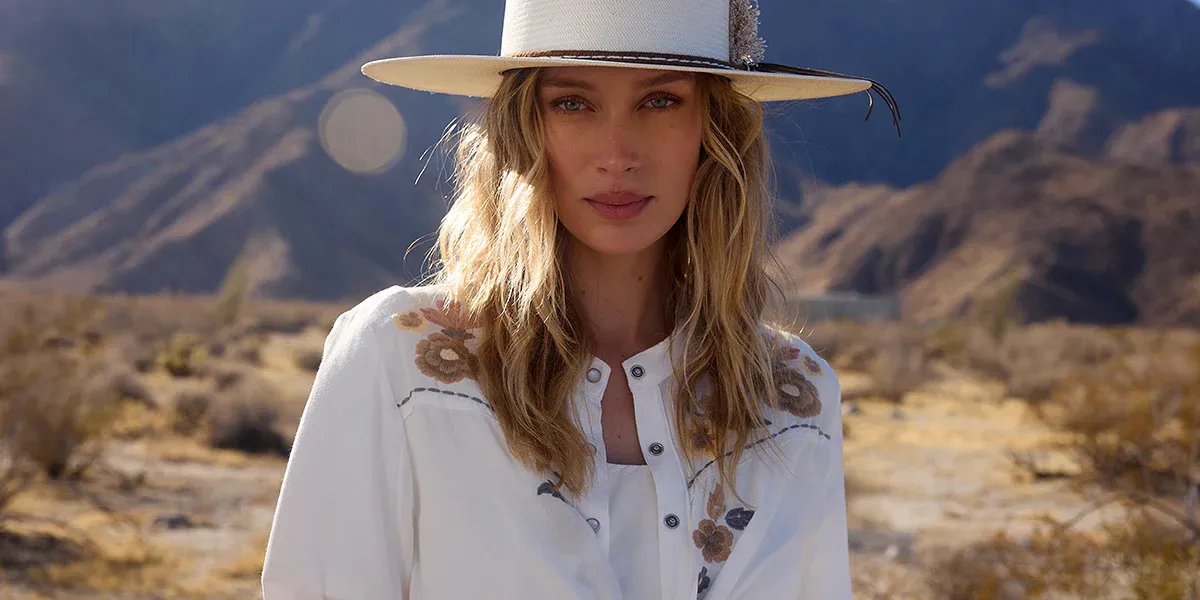
Design houses and heritage brands alike have reimagined Western codes with a sharper, more tailored sensibility. Embroidered yoke shirts, suede fringe jackets, bolo ties, and statement belt buckles are no longer confined to the ranch; they have entered the realm of considered style, where craftsmanship and identity intersect.
The roots of this aesthetic run deep. In the late 19th century, shirts were designed with reinforced yokes to withstand harsh conditions, a practical innovation that would later become a defining stylistic detail. By the early 20th century, manufacturers such as Levi Strauss and Rockmount Ranch Wear helped formalize the look, embedding it into the broader narrative of American fashion.
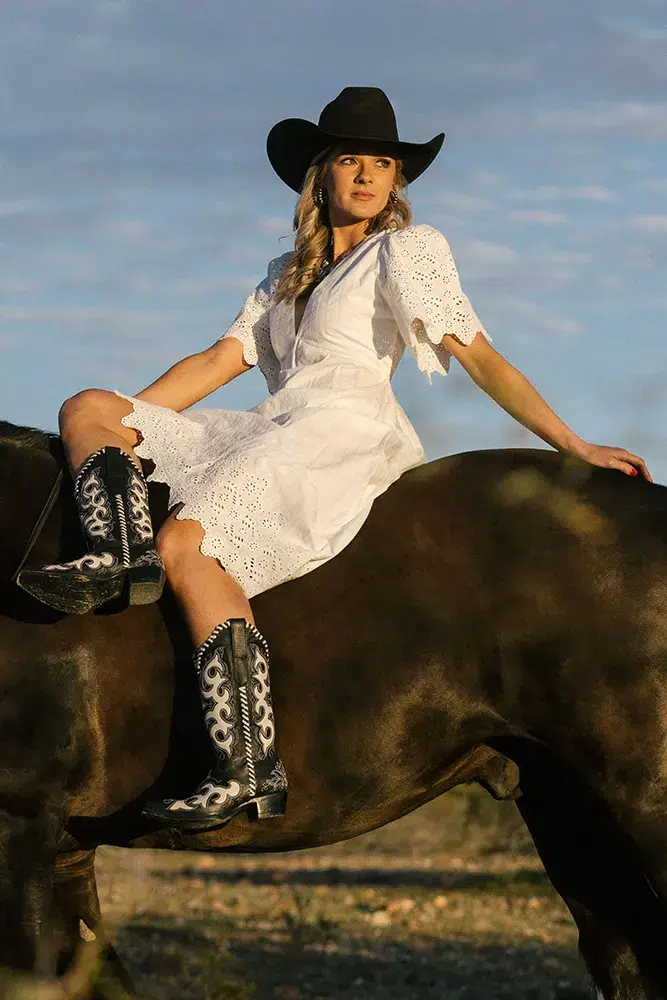
Rockmount, founded in 1946 by “Papa” Jack A. Weil, remains emblematic of that legacy. Its pearl snap shirts, now a Western staple, balance durability with distinctive design, a combination that has endured across generations. Elsewhere, brands such as HBar C and Double D Ranch continue to interpret Western heritage through a more elevated lens, offering pieces that merge craftsmanship with contemporary appeal, while newer labels bring a modern sensibility to the category, blending performance with polish.
If there is a single place where this style is most vividly expressed, it is the rodeo. From Prescott, Arizona, home to one of the earliest rodeos, to Cheyenne’s Frontier Days and Calgary’s Stampede, these gatherings are as much about presentation as they are about sport. At their best, they function as unspoken runways, where heritage, individuality, and craftsmanship are worn with quiet authority.
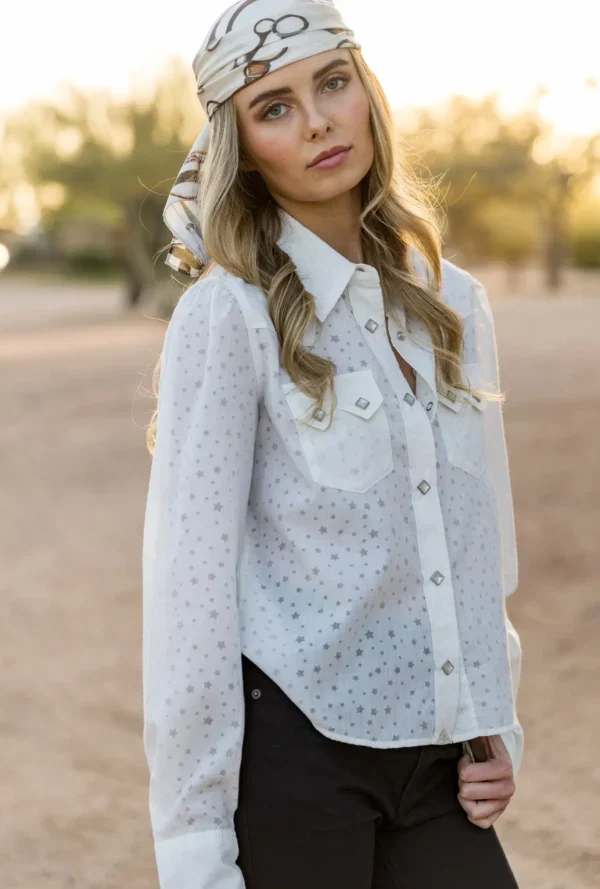
Here, the details matter. The curve of a well-worn hat, the texture of full-quill ostrich boots, the subtle embroidery of a chambray shirt, each element reflects a personal interpretation of a shared tradition. It is not excess that defines the look, but intention.
For America’s 250th, Western wear offers something few other styles can: authenticity. It speaks to a cultural narrative shaped by land, movement, and reinvention. That does not require a head-to-toe commitment. A single, well-chosen piece, a tailored denim jacket, a refined pair of boots, a sharply cut Western shirt, can anchor an outfit without veering into costume.
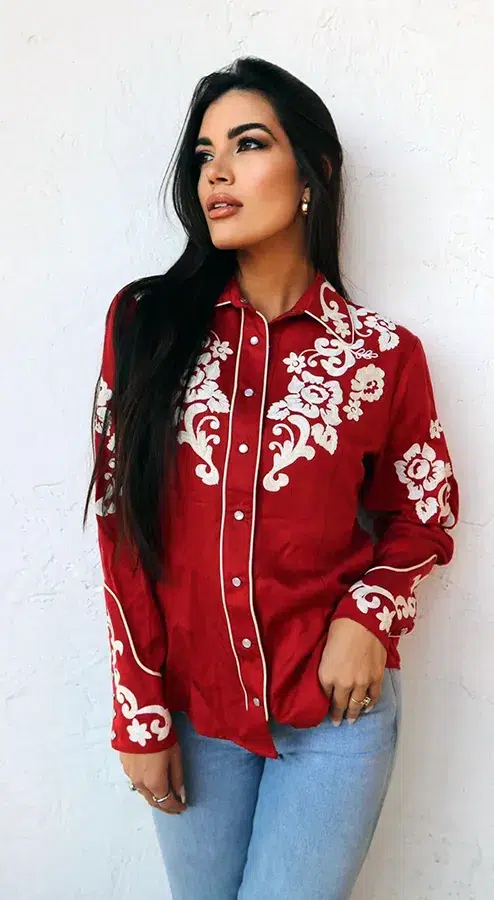
Denim, in particular, remains essential. It is perhaps the most democratic fabric in American fashion, equally at home on the ranch, in the city, or at a national celebration. Paired with thoughtful accessories and modern tailoring, it becomes something more than casual; it becomes emblematic.
Ultimately, dressing for the semiquincentennial is less about strict adherence to a theme and more about interpretation. Whether one leans toward historical reference or contemporary Western influence, the objective is the same: to reflect the enduring spirit of American style.
As July 4th approaches, and with it a year of commemorations, there is an opportunity to dress with intention. Not as a reenactment, but as a statement. American style has always been defined by evolution, and for its 250th anniversary, it should look exactly like that.