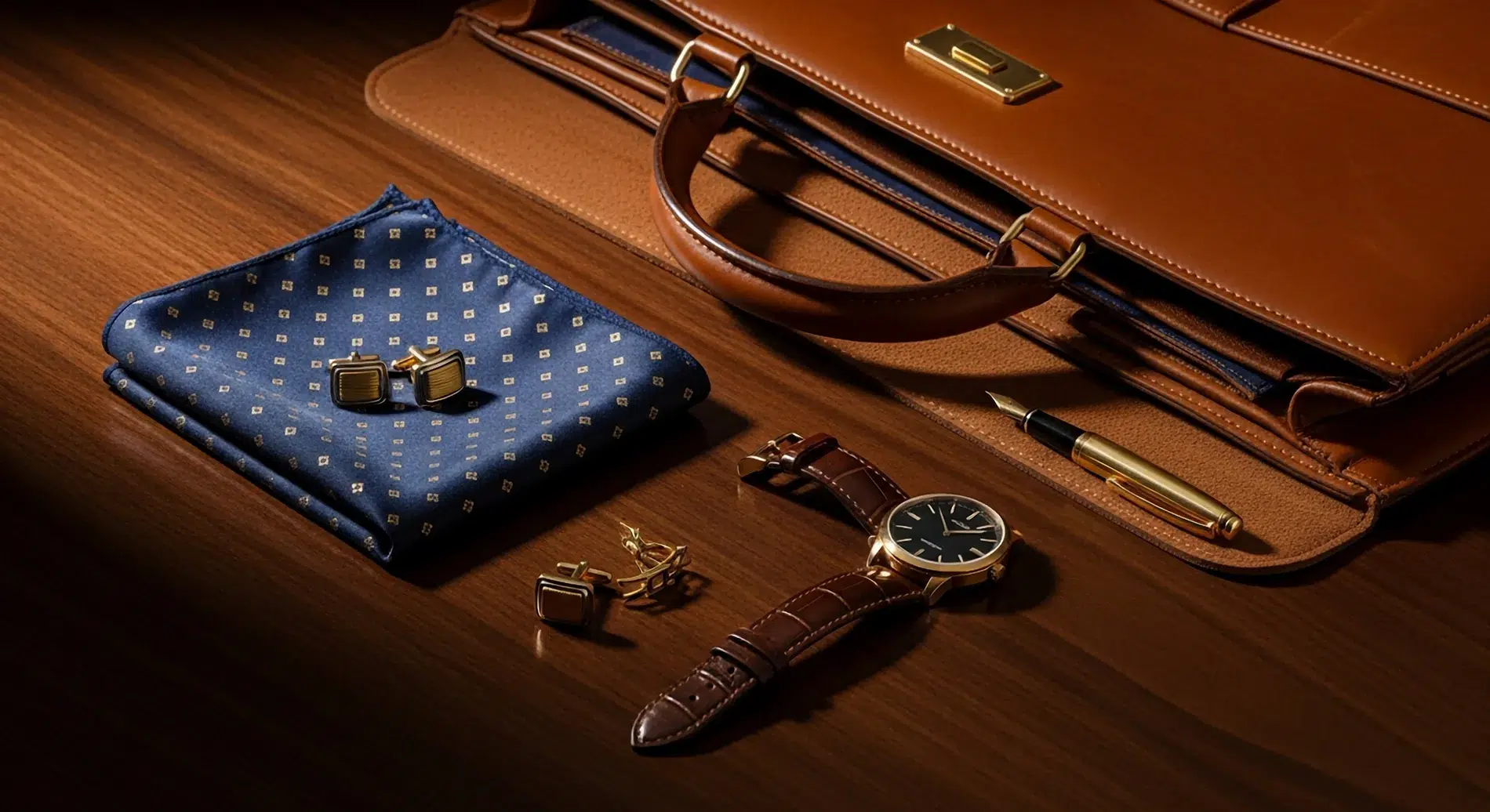
There was a time when the value of a rare watch or handbag could be determined by a single glance across a room. The seasoned collector, part historian, part instinctive observer, understood rarity not through data, but through memory, experience, and an almost intangible sense of proportion.
That instinct still matters. But in 2026, it no longer operates alone.
A new layer of intelligence has entered the upper tiers of the luxury market, one that does not replace the collector’s eye, but sharpens it. Beyond auction results and public listings, discreet streams of information now trace how objects move before they are seen: private sales, early collector interest, and the subtle shifts in demand that occur long before a piece reaches the open market. What emerges is not a rigid formula, but a more nuanced understanding of momentum, an ability to sense where attention is gathering before it becomes visible.
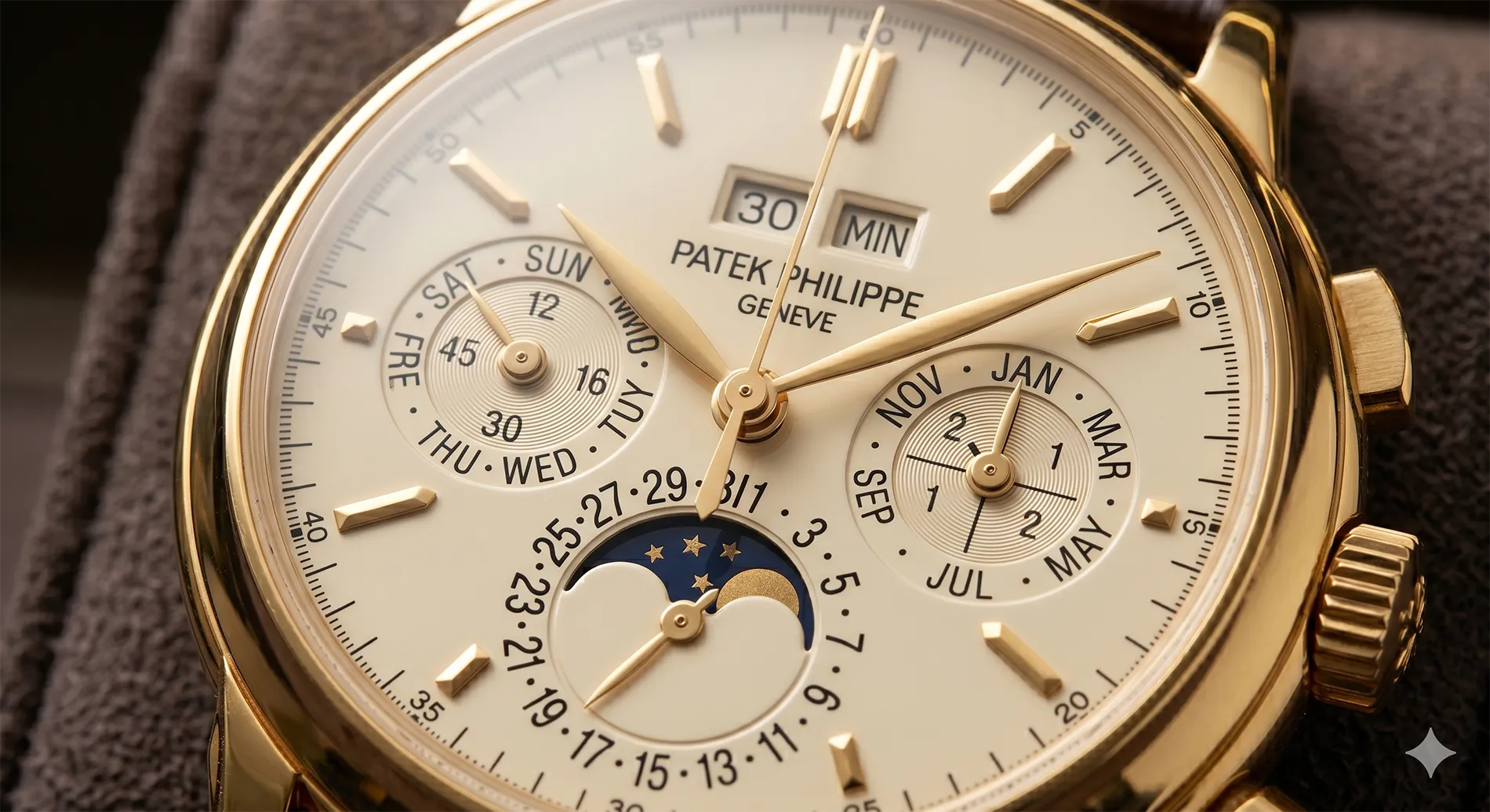
Nowhere is this evolution more apparent than in haute horology. While stainless-steel sports models once dominated the conversation, the market is quietly recalibrating. Attention is turning toward pieces whose value is less reactive and more intrinsic, watches defined not by trend, but by material and rarity. References such as the platinum perpetual chronographs from Patek Philippe are increasingly regarded as enduring stores of value, appreciated as much for their restraint as for their complexity.
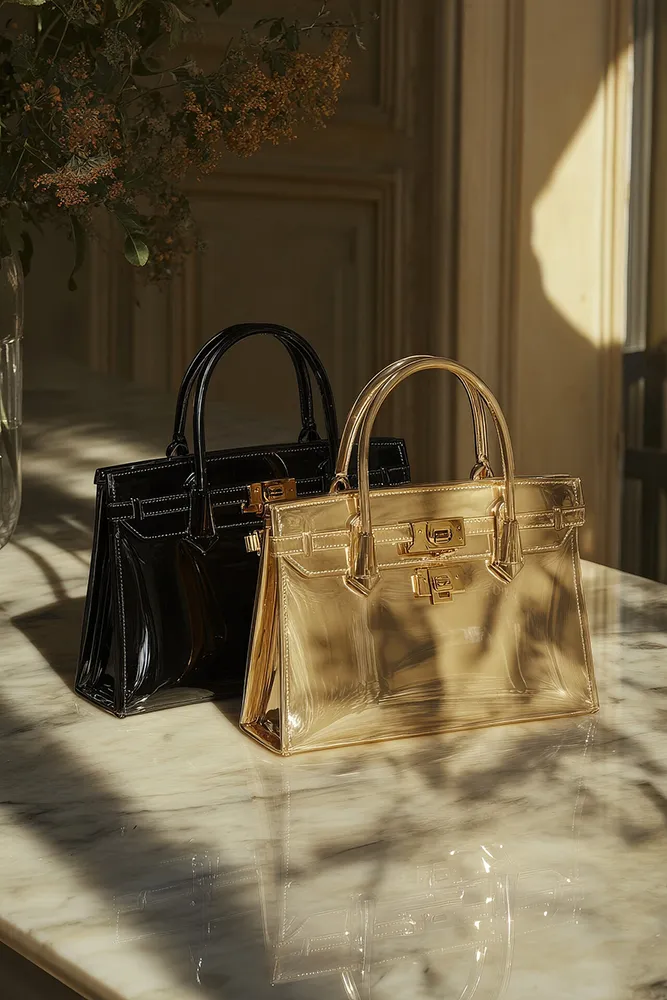
A similar pattern can be observed in the world of leather goods. The Hermès Birkin, long a symbol of controlled scarcity, continues to demonstrate remarkable resilience and speaks to the broader world of Hermès craftsmanship across luxury disciplines. In particular, smaller formats in classic leathers are showing a consistency that feels almost immune to volatility. For experienced collectors, this comes as little surprise. What has changed is the clarity with which that stability can now be observed, tracked in real time through verified resales and discreet market activity.
Provenance, too, is entering a new phase. The introduction of digital product passports, secure records tied to an object’s origin, has begun to formalize what has always underpinned true value: authenticity. For some, this represents a technological shift; for others, it is simply a refinement of long-established principles. Either way, the distinction between documented and undocumented pieces is becoming more pronounced, particularly at the highest levels of collecting.
Yet for all its analytical precision, data remains a complement rather than a replacement.
The most compelling collections are never assembled by metrics alone. They reflect something more personal, a point of view, a sense of continuity, an understanding of how objects relate to one another over time. A watch is acquired not only for its reference, but for its place within a broader narrative. A handbag is chosen not simply for its performance, but for its cultural resonance.
What has changed is the nature of certainty.
Today’s collector moves with a different kind of confidence, one informed by both instinct and insight. They may recognize the significance of a piece immediately, but they now have the means to confirm that intuition with greater precision. The decision remains deeply human; the clarity surrounding it has simply evolved.
In this sense, the future of luxury collecting is not defined by technology, but by balance. It exists in the space between what can be measured and what must be felt, between data and discernment.
And for those who understand that distinction, the advantage is not in predicting the market, but in arriving just ahead of it.