Luxury travel has entered a quieter era.
For decades, the industry’s most ambitious projects competed through scale. Larger resorts, grander suites, and increasingly elaborate amenities became the standard formula for attracting affluent travelers. Today, however, many of the world’s most discerning guests are seeking something entirely different: authenticity, history, and a genuine sense of place.
Few recent openings illustrate that shift more convincingly than Zannier Île de Bendor.
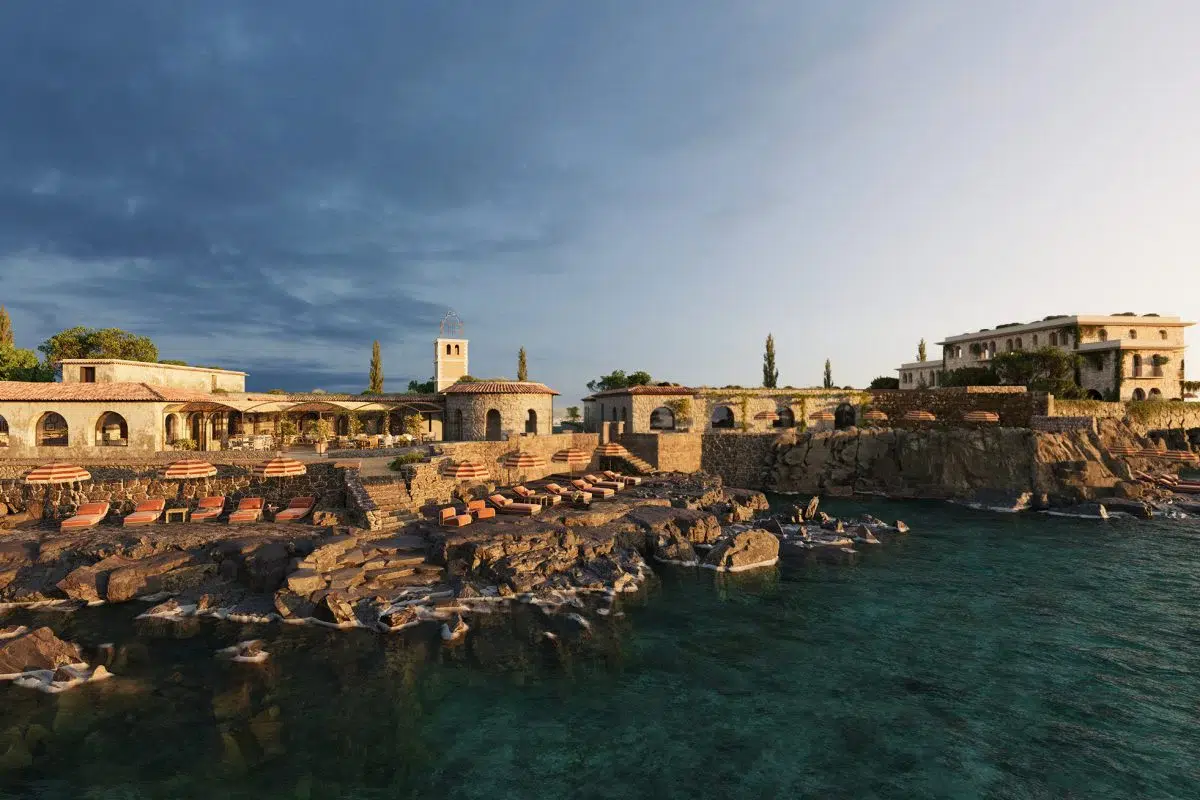
Situated just off the coast of Bandol on the French Riviera, the 17-acre private island has reopened following a five-year transformation that has returned one of the Mediterranean’s most intriguing destinations to life. Yet what makes the project remarkable is not the scale of the investment or the number of rooms it offers. It is the decision to preserve the spirit of a place that has been woven into the cultural fabric of southern France for more than seventy years.
The story begins with Paul Ricard.
Long before his name became synonymous with one of France’s most recognizable aperitifs, Ricard fell in love with this small island and envisioned it as a Mediterranean sanctuary dedicated to art, culture, hospitality, and the pleasures of Provençal living. What emerged was not simply a retreat, but a personal expression of the Riviera lifestyle at a time when the region was becoming one of Europe’s great playgrounds.
That legacy remains central to the island today.
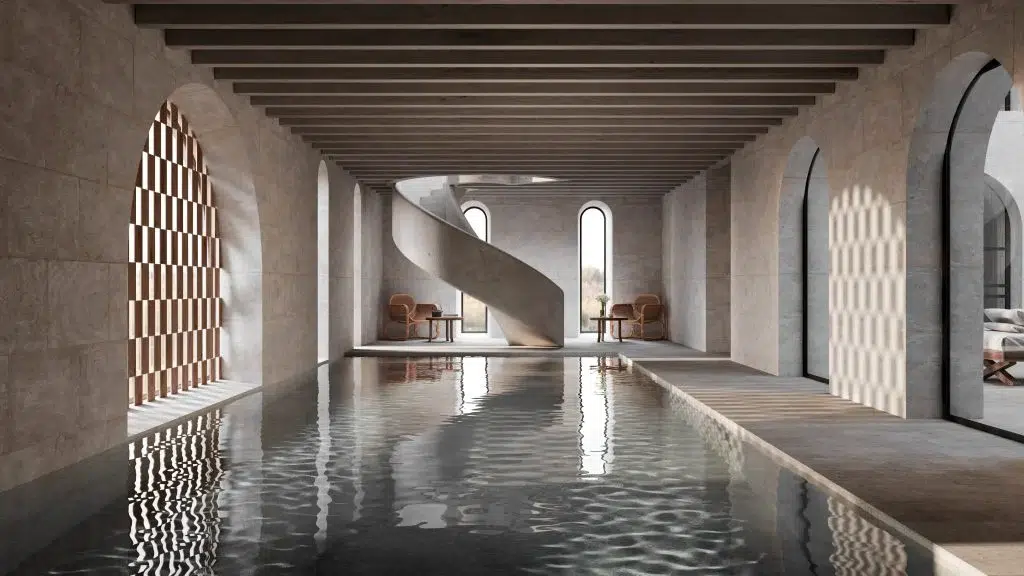
Rather than imposing a contemporary luxury resort upon the landscape, Zannier has approached the project with unusual restraint. The result feels less like a hotel and more like a small Provençal village surrounded by sea. Stone pathways connect gardens, terraces, restaurants, residences, and gathering spaces, creating an environment that encourages exploration rather than spectacle.
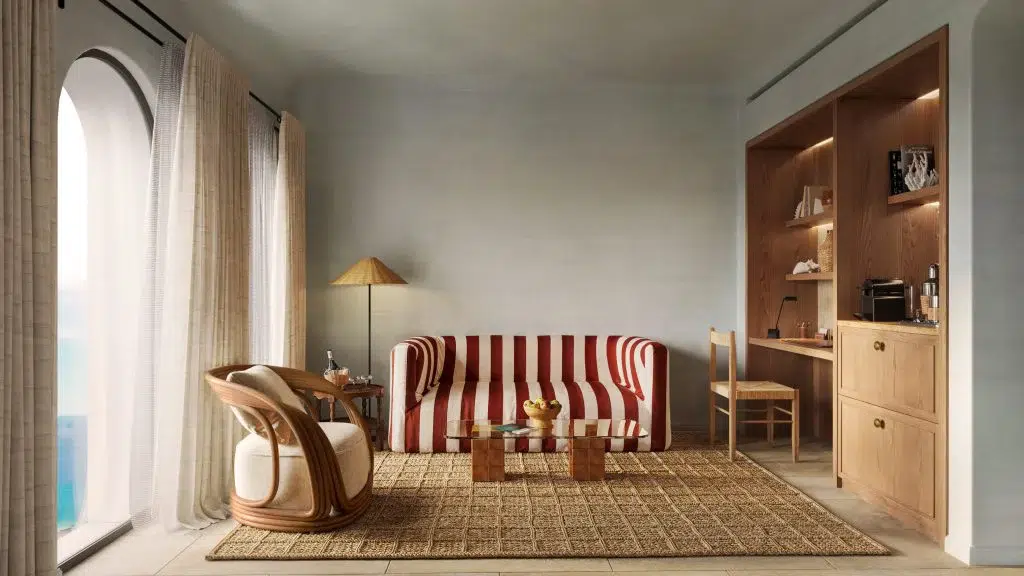
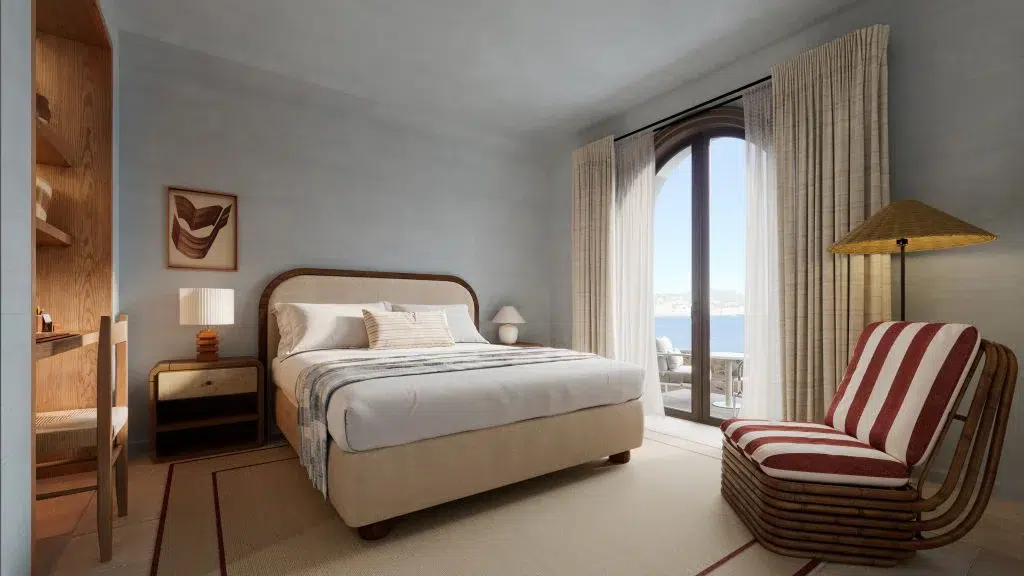
The island’s 93 rooms and suites are distributed across three distinct settings. Delos captures the effortless glamour associated with the Riviera during the 1950s and 1960s. Soukana introduces a wellness-focused dimension rooted in restoration and balance. The Madrague houses offer private gardens and residential-style accommodations that embrace the relaxed elegance of southern France.
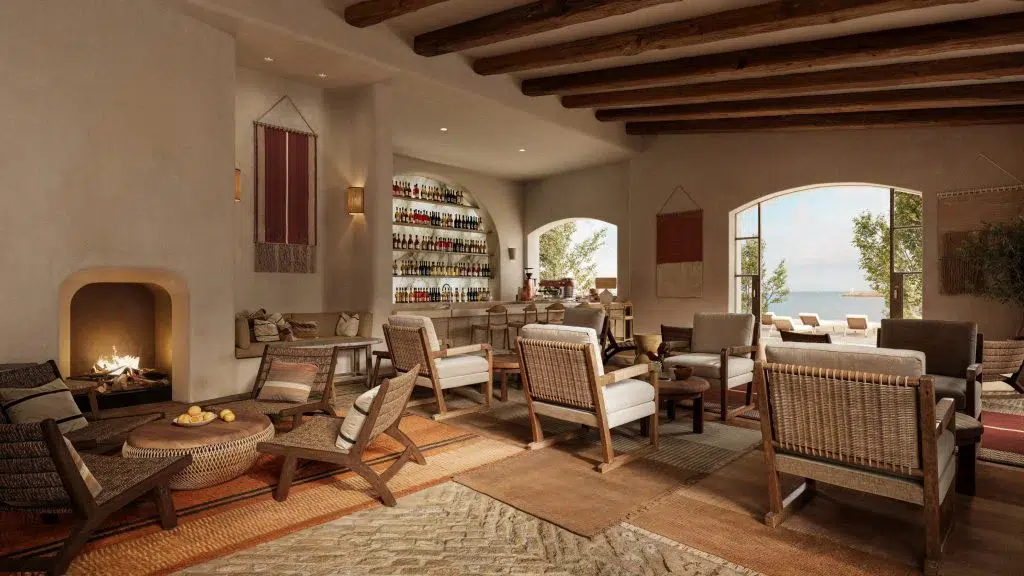
While the accommodations are impressive, they are only part of the experience. Eight restaurants and bars celebrate Mediterranean flavors, a holistic spa reflects the growing importance of wellbeing in luxury travel, and a dive center provides access to the surrounding waters that have attracted generations of sailors and adventurers.
What ultimately distinguishes Île de Bendor, however, is something far less tangible.
In an age when many destinations can replicate luxury, very few can replicate character.
That distinction has become increasingly important as affluent travelers prioritize experiences that feel meaningful rather than manufactured. The most desirable destinations today are often those with a story to tell, whether through history, architecture, culture, or a connection to place. They offer memories that cannot be duplicated elsewhere.
Île de Bendor succeeds because it understands that principle.
Guests arrive by boat and enter a world largely disconnected from the pace of modern life. Days unfold between seaside terraces, hidden coves, leisurely lunches, and sunsets over the Mediterranean. The atmosphere encourages presence rather than activity, allowing the island itself to become the destination.
For travelers who believed the French Riviera had few secrets left to reveal, the reopening of Île de Bendor suggests otherwise.
More than a hotel launch, it represents the revival of a vision—one rooted in authenticity, heritage, and the enduring appeal of the Mediterranean lifestyle. In a luxury landscape increasingly defined by experiences rather than possessions, that may be the most valuable offering of all.