In Venice, where history is not preserved but lived, the challenge is no longer restoration—it is interpretation. With its latest opening, Orient Express approaches that challenge with precision, introducing a new hotel that reframes Venetian heritage through a distinctly contemporary lens.
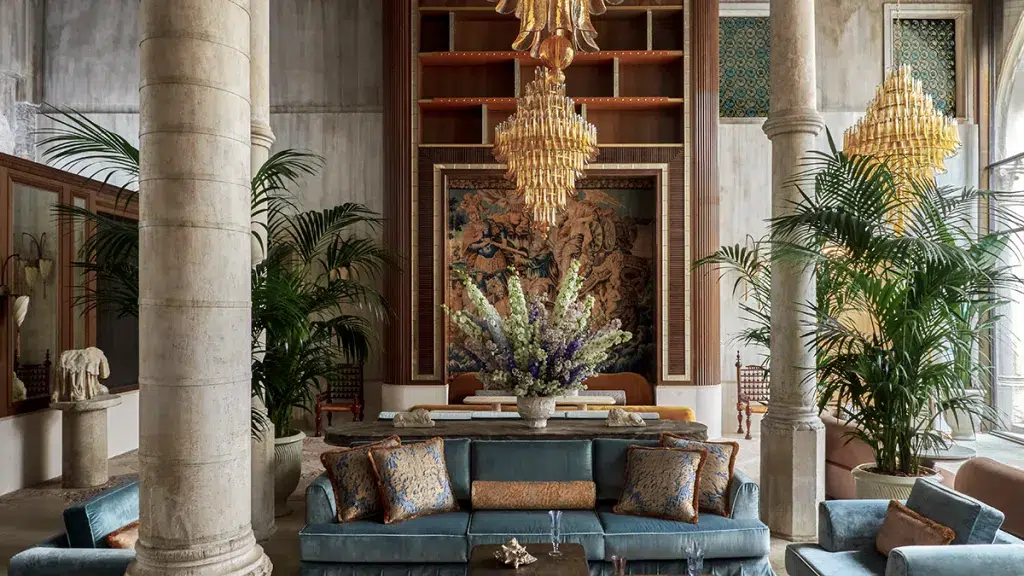
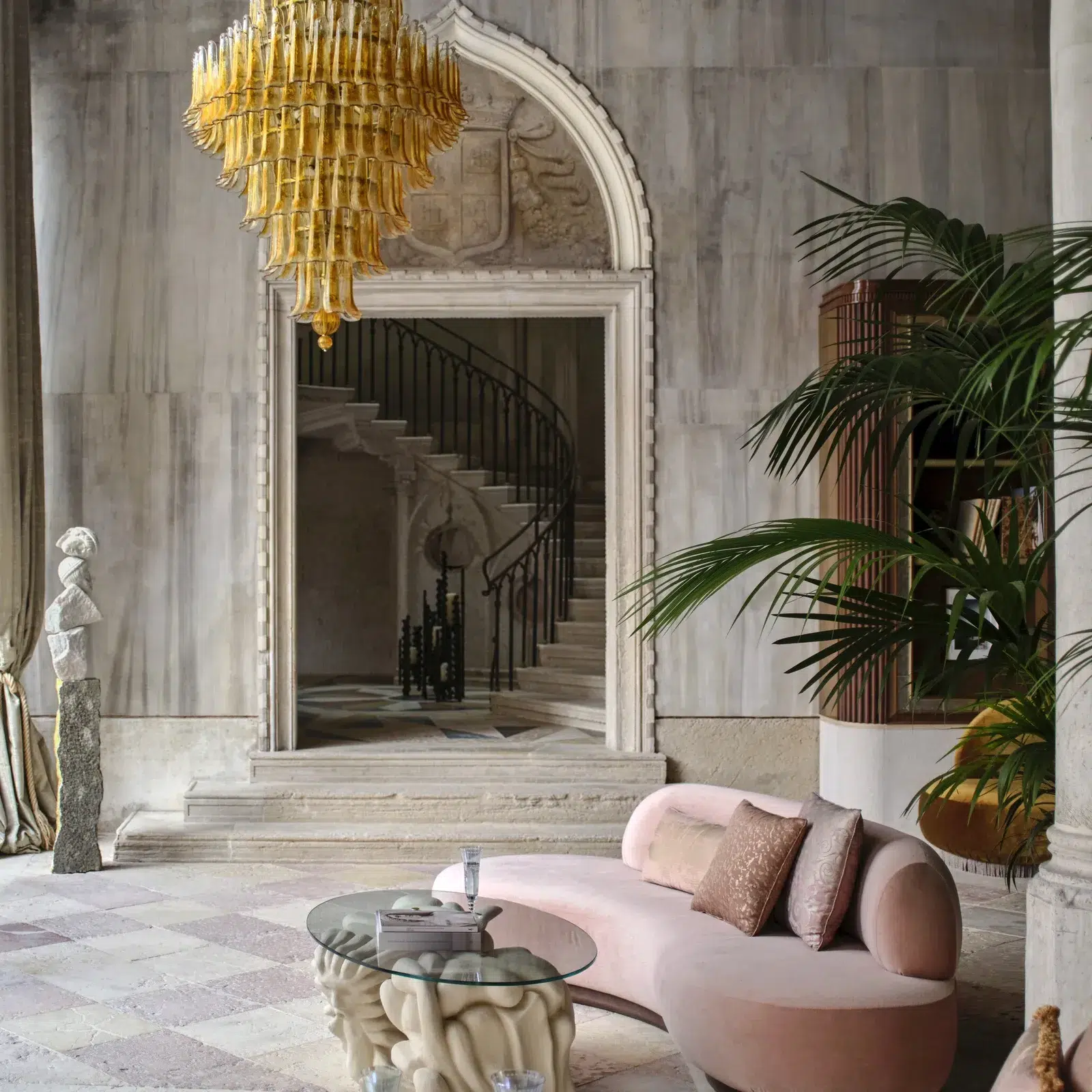
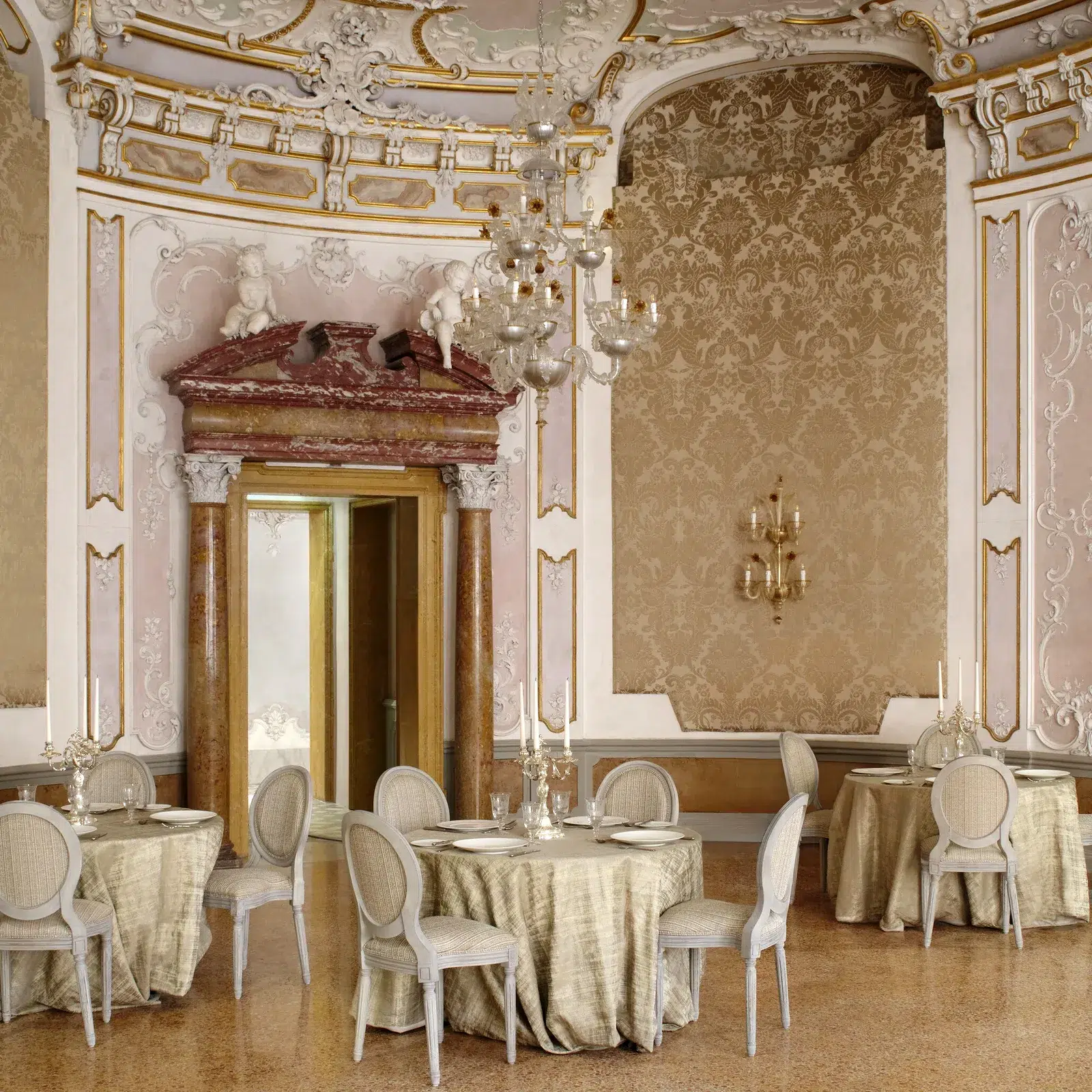
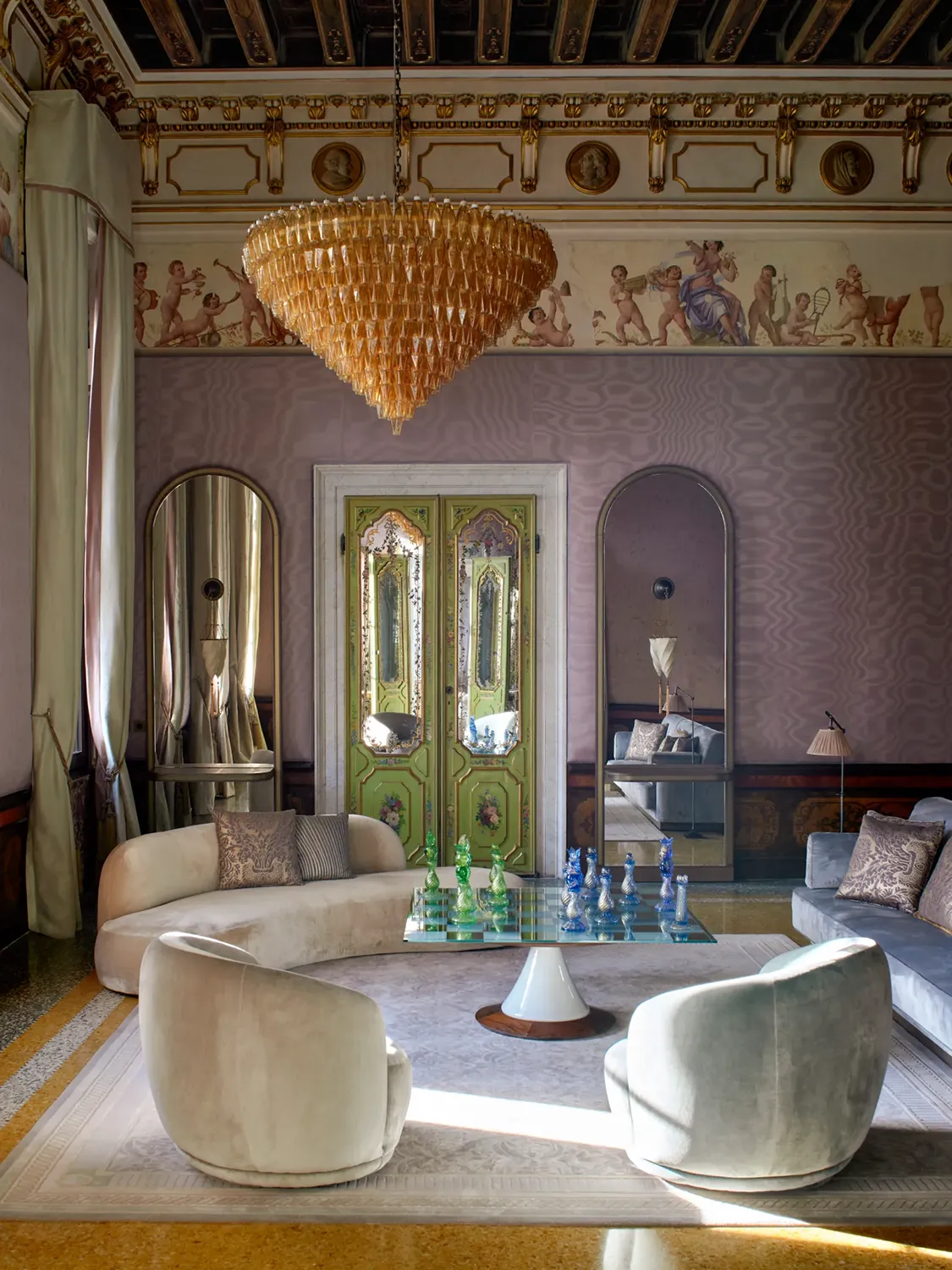
Set within the 15th-century Palazzo Donà Giovannelli in the Cannaregio district, the newly opened Orient Express Venezia unfolds as a carefully composed dialogue between past and present. The structure itself remains intact, its frescoes restored, its carved wood preserved, its Murano glass chandeliers refracting light much as they have for centuries.
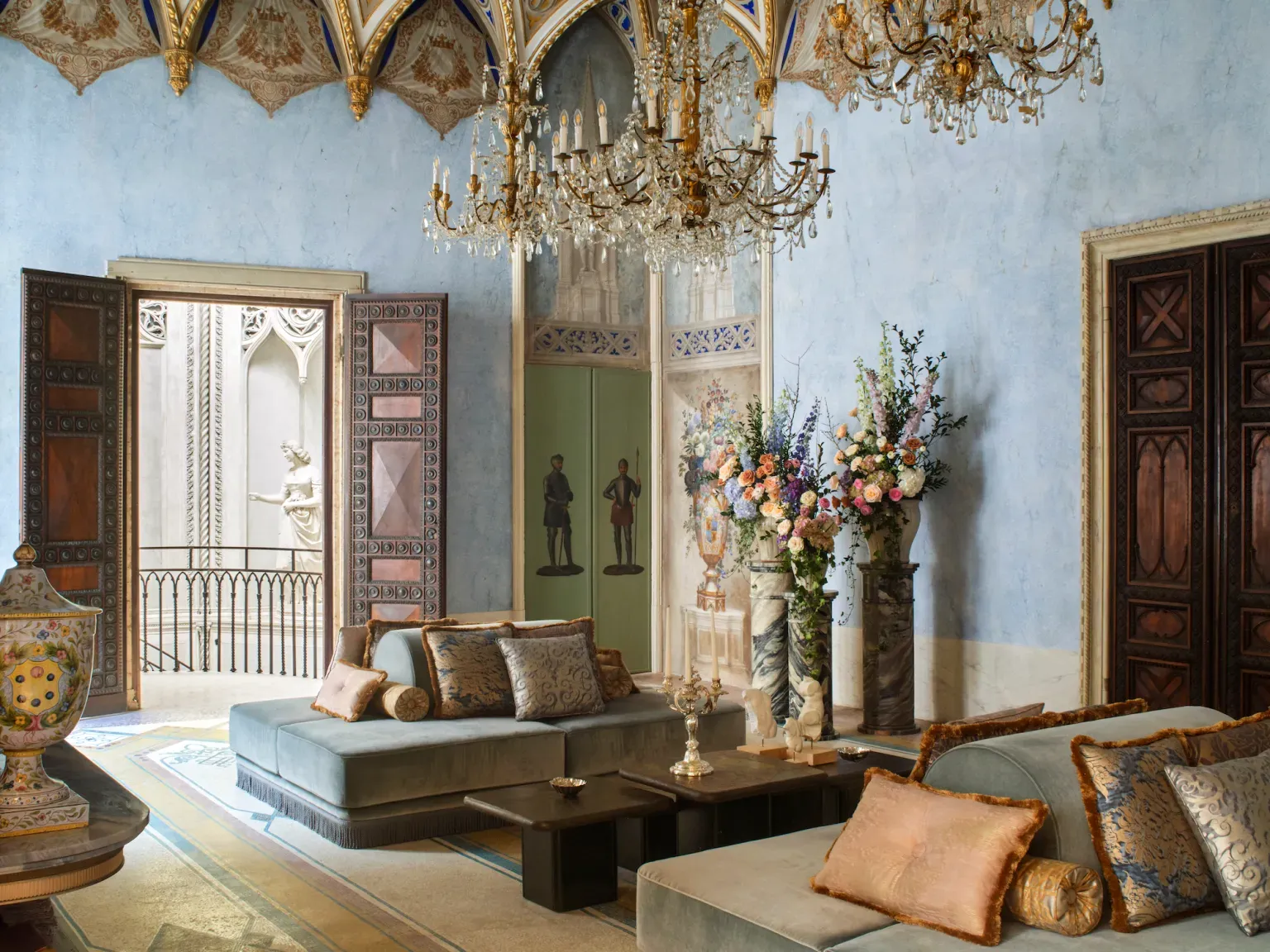
Arrival sets the tone. Guests approach by boat, entering through a Gothic water gate that opens directly onto the palace interior, a transition that feels less like check-in and more like passage. From there, the experience unfolds through a sequence of velvet-lined salons, curated art spaces, and a concealed garden illuminated by lantern light.
 |
 |
The hotel’s 47 rooms and suites continue this narrative of restraint and scale. High ceilings and marble fireplaces anchor the interiors, while expansive windows frame the canals with deliberate simplicity. The emphasis is not on ornament, but on proportion, spaces designed to feel both historic and quietly resolved.
Dining extends the experience without excess. Michelin-starred chef Heinz Beck brings a level of culinary precision that aligns with the property’s broader philosophy, while the Art Deco-inspired bar introduces a contrasting note, polished, atmospheric, and distinctly European.
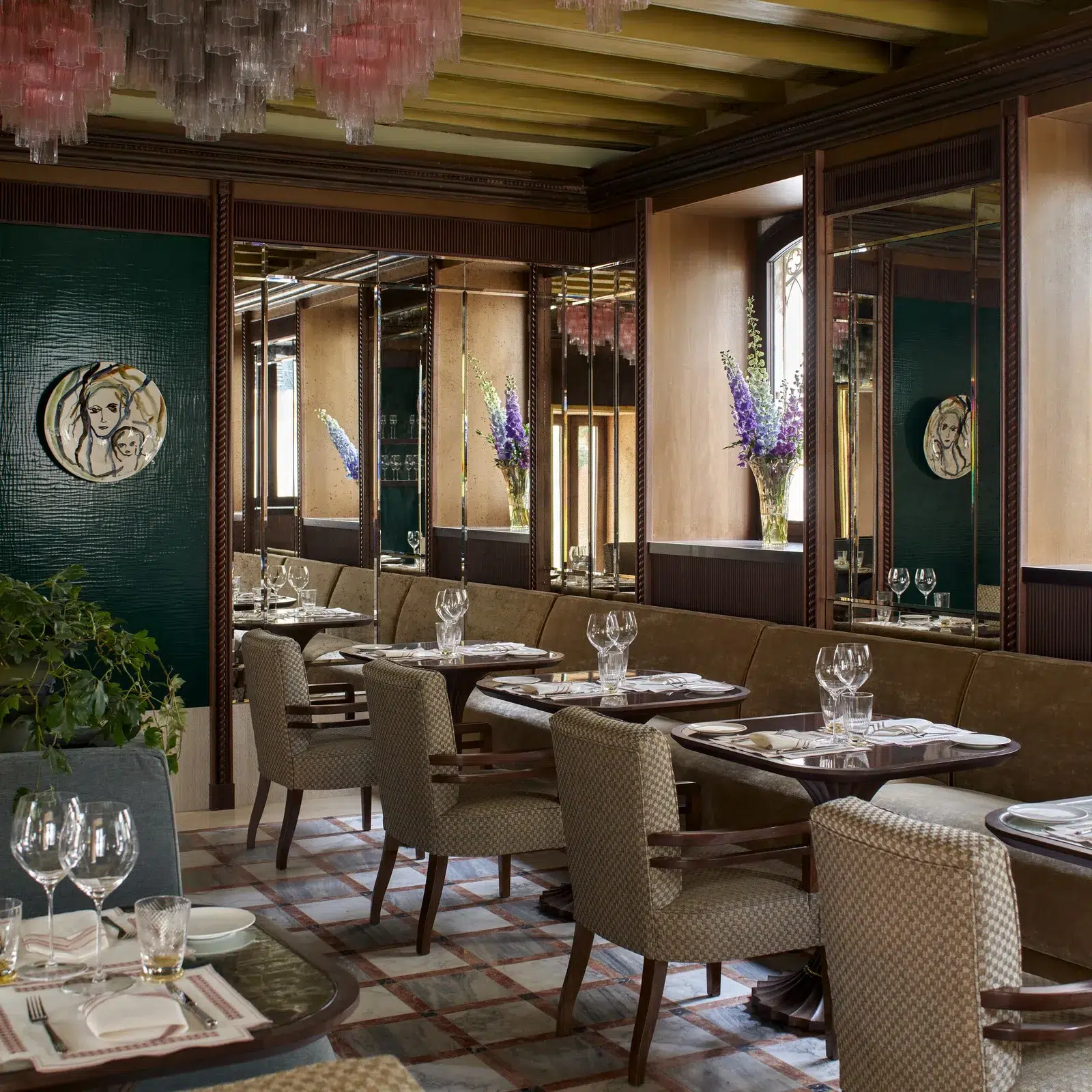
What emerges is not a reinvention of Venetian luxury, but a recalibration of it. The Orient Express Venezia does not compete with the city’s history. It edits it, removing what is unnecessary, preserving what endures, and presenting it with clarity.
In a destination defined by spectacle, that restraint feels increasingly rare.
And within Venice, it feels entirely appropriate.