Vienna has mastered the art of preserving its imperial past while embracing contemporary life. Its grand palaces, stately boulevards, historic cafés, and refined culinary traditions are more than reminders of the Austro-Hungarian Empire; they remain part of the city’s living culture. Modern Vienna is very much present, but what struck me most during a recent visit, arranged with the support of the Austrian National Tourist Office and the Vienna Tourist Board, was the genuine pride Viennese take in their heritage—and the pleasure they find in sharing it.
From palace-lined streets and time-honored coffeehouses to exceptional Austrian wines and inventive fine dining, Vienna offers a particularly rewarding combination of sophistication and authenticity.
The Vision Behind Vienna’s Grand Boulevards
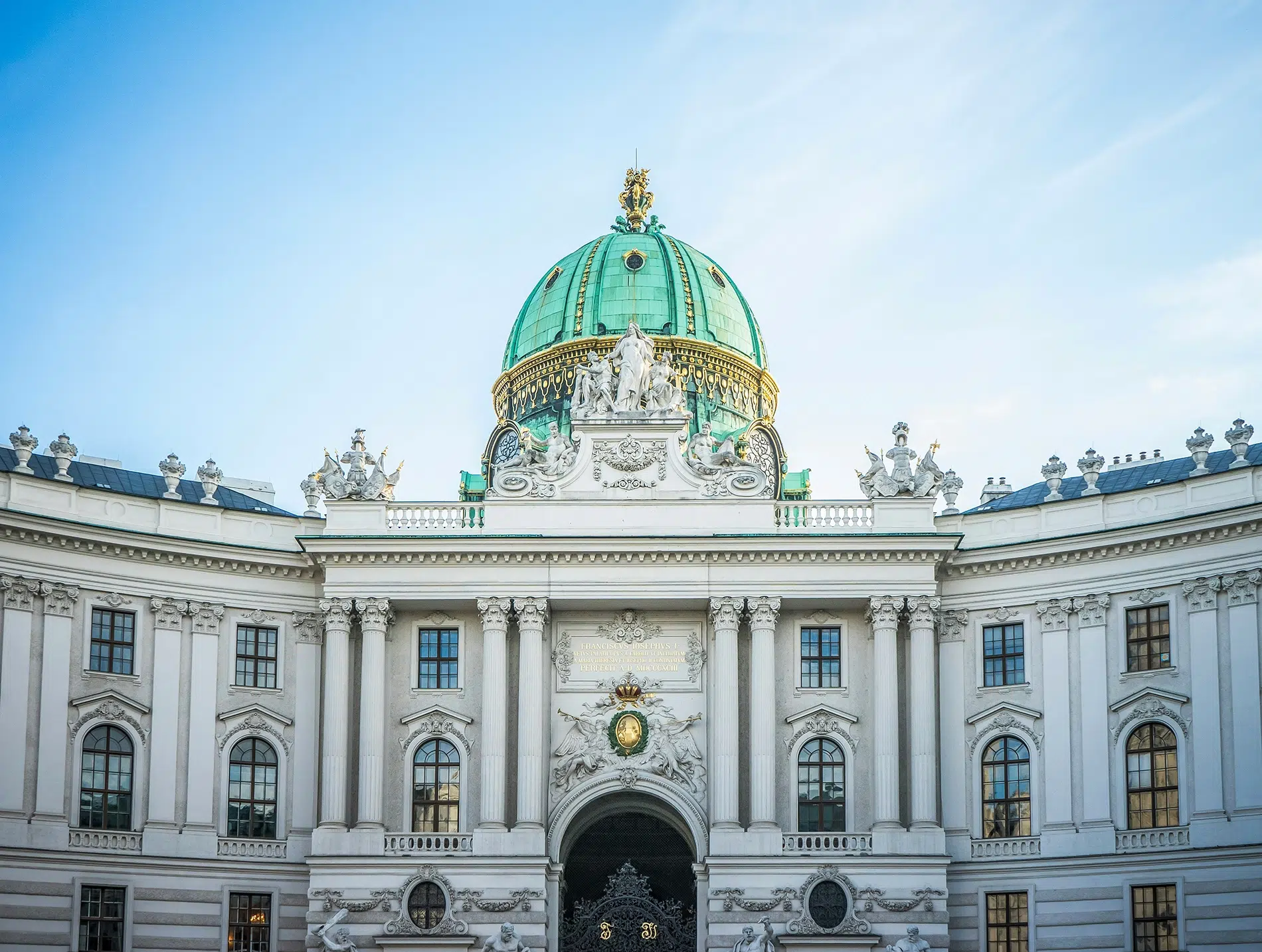
Emperor Franz Joseph I, who reigned from 1848 to 1916, helped transform Vienna into an imperial metropolis designed to rival Europe’s great capitals. In 1857, he ordered the demolition of the city’s old fortifications, opening the way for the Ringstrasse, the magnificent boulevard that encircles much of the historic center.
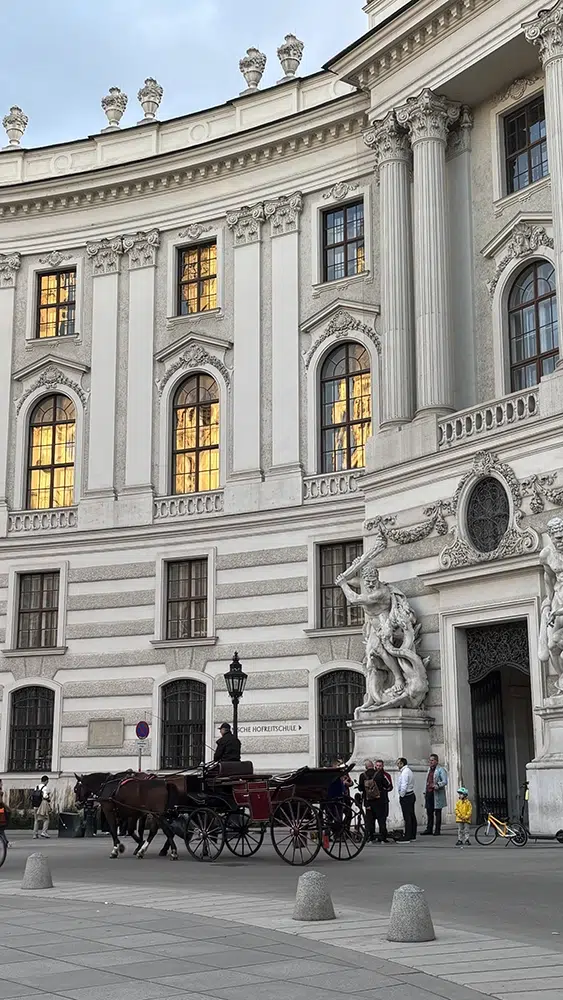
Along this grand thoroughfare rose museums, the Vienna State Opera, the Burgtheater, Parliament, and other imposing public buildings. Their architecture reflects the ambition of an empire eager to project power, culture, and refinement. Today, the Ringstrasse remains one of Vienna’s defining features, offering an architectural introduction to the city’s imperial ambitions.
Although Vienna suffered considerable damage during World War II, many of its celebrated landmarks survived or were subsequently restored. Their continued presence gives the city an extraordinary sense of historical continuity, even as contemporary Vienna evolves around them.
Palaces, Palaces, and More Palaces
For an introduction to Vienna, a privately guided walking tour is hard to beat. Rebel Tours Vienna arranged a personalized exploration that brought the city’s history to life through its architecture, streets, and grand residences.
Our walk began at Palais Hotel Chotek, a property with a historic setting, and continued toward the city center. Along the way, we traced Vienna’s evolution through successive eras of imperial ambition, architectural fashion, and urban development. The palaces are so numerous that it is worth looking up as you walk; behind many elegant façades lies a story of aristocratic families, artistic patronage, or the city’s transformation into a European capital.
A knowledgeable local guide adds an invaluable dimension to the experience, revealing details that might otherwise go unnoticed and connecting Vienna’s magnificent buildings to the people who once inhabited them.
A City with a Sophisticated Sweet Tooth
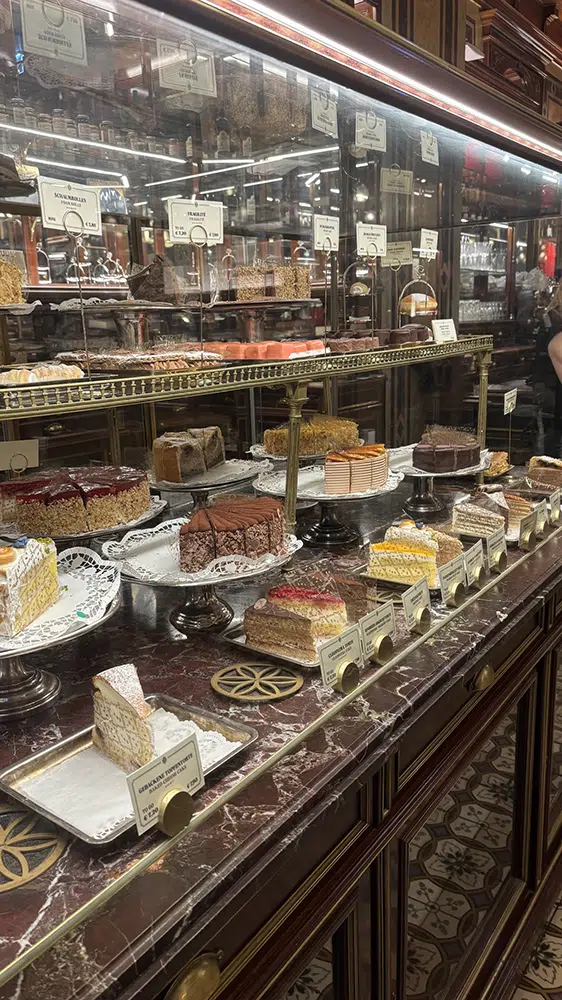
Vienna takes its pastries seriously. The aromas of butter, sugar, cream, and freshly baked dough are an invitation to pause sightseeing and indulge in one of the city’s most cherished traditions: the coffeehouse and confectionery.
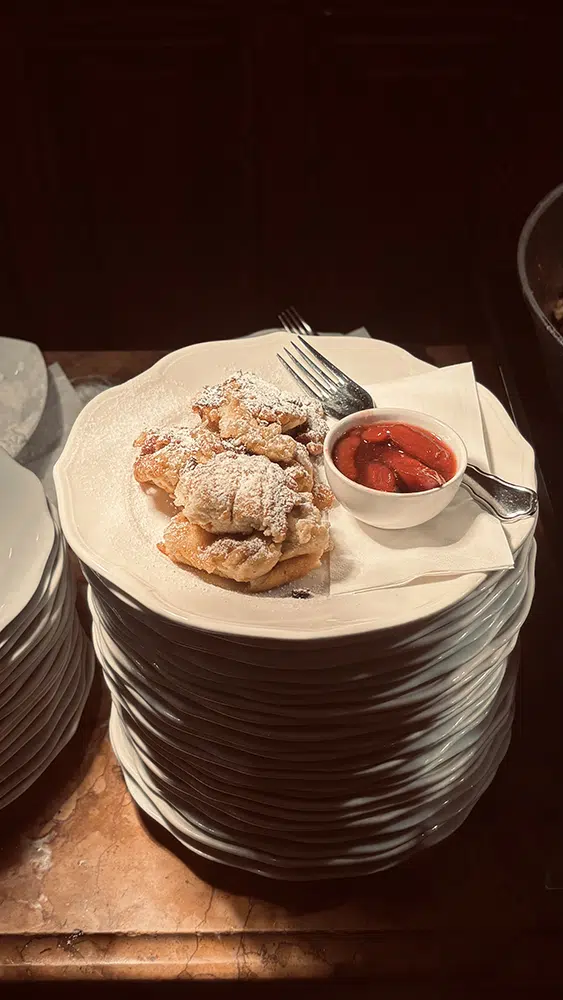
At Demel, the historic confectioner on Kohlmarkt, the elaborate displays and elegant interiors make choosing a treat almost as pleasurable as eating one. The house is particularly well known for Kaiserschmarrn, a fluffy, shredded pancake traditionally served with fruit compote. Pair it with coffee and settle in for a taste of old Vienna. Demel’s confectionery tradition dates to 1786, and its atmosphere evokes a time when pastry-making was an art form worthy of the imperial court.
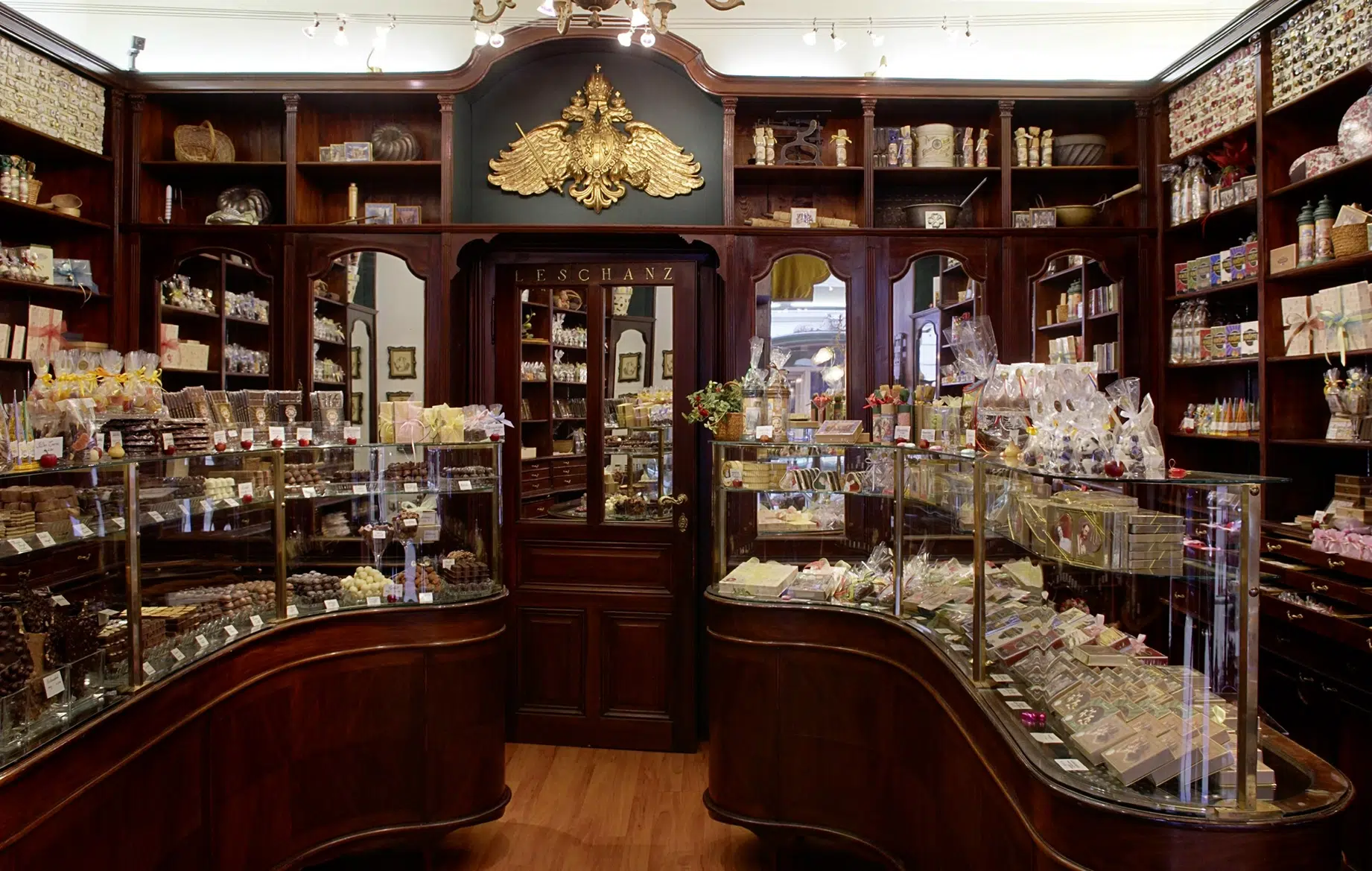
For chocolates and pralines, including Mozart Kugeln, seek out Leschanz, a specialist chocolatier offering a more intimate alternative to the city’s grand cafés.
Vienna’s historic coffeehouse culture deserves time of its own. Café Schwarzenberg, established in 1861, is the oldest surviving café on the Ringstrasse. Its traditional setting is an appealing place to linger over a classic Viennese coffee and observe the unhurried rituals of café life. The experience is as much about taking a seat and staying a while as it is about what arrives on the table.
For an elegant pastry break near the Vienna State Opera, head to Gerstner. Founded in 1847, this celebrated confectionery once supplied the imperial court. Its sumptuous interiors provide a fitting setting for apple strudel, cakes, and other Viennese specialties.
Of course, not every culinary discovery needs to be sweet. For people-watching over a drink, Zum Schwarzen Kameel is a lively institution with a long history and a reputation for stylish Viennese hospitality. Its bustling atmosphere makes it an excellent place to experience the city’s social side.
For a quieter, more traditional experience, Café Bräunerhof offers an old-fashioned atmosphere in which to linger over a drink or a meal. Order Wiener Schnitzel, the classic breaded cutlet, and enjoy the contrast between Vienna’s polished imperial center and the everyday pleasures of a traditional Viennese establishment.
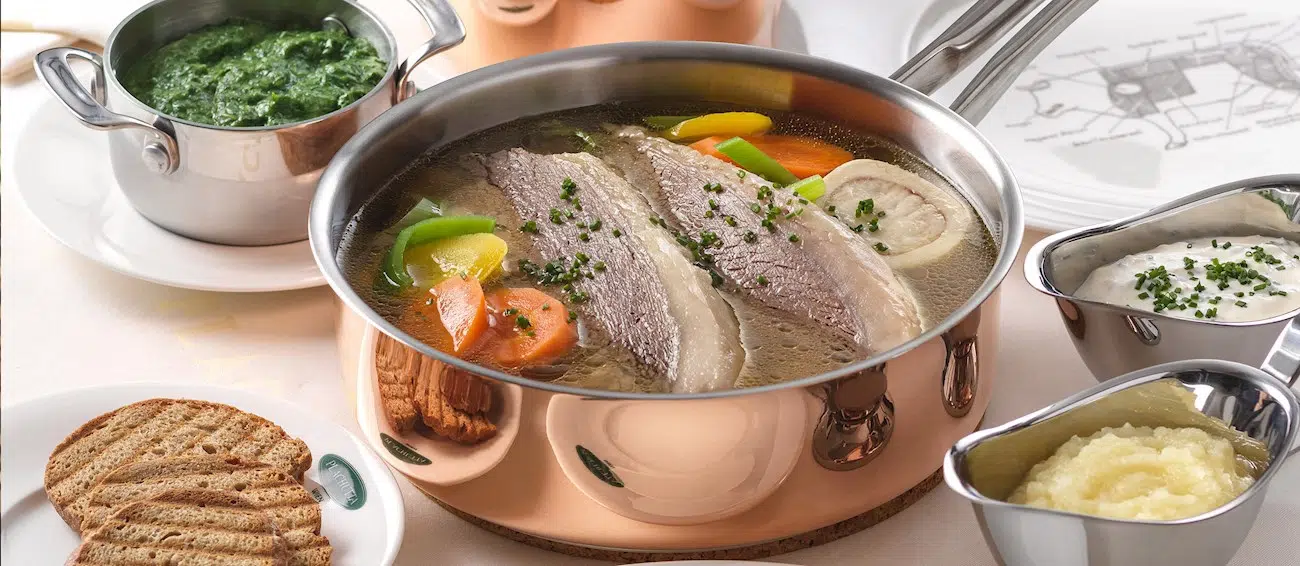
Another essential Austrian dish is Tafelspitz, slow-simmered beef traditionally served with accompaniments such as apple-horseradish sauce and chive sauce. At Plachutta, the signature preparation arrives in a gleaming brass pot, making the presentation almost as memorable as the meal. The dish is famously associated with Emperor Franz Joseph, who appreciated the straightforward pleasures of carefully prepared Austrian cuisine.
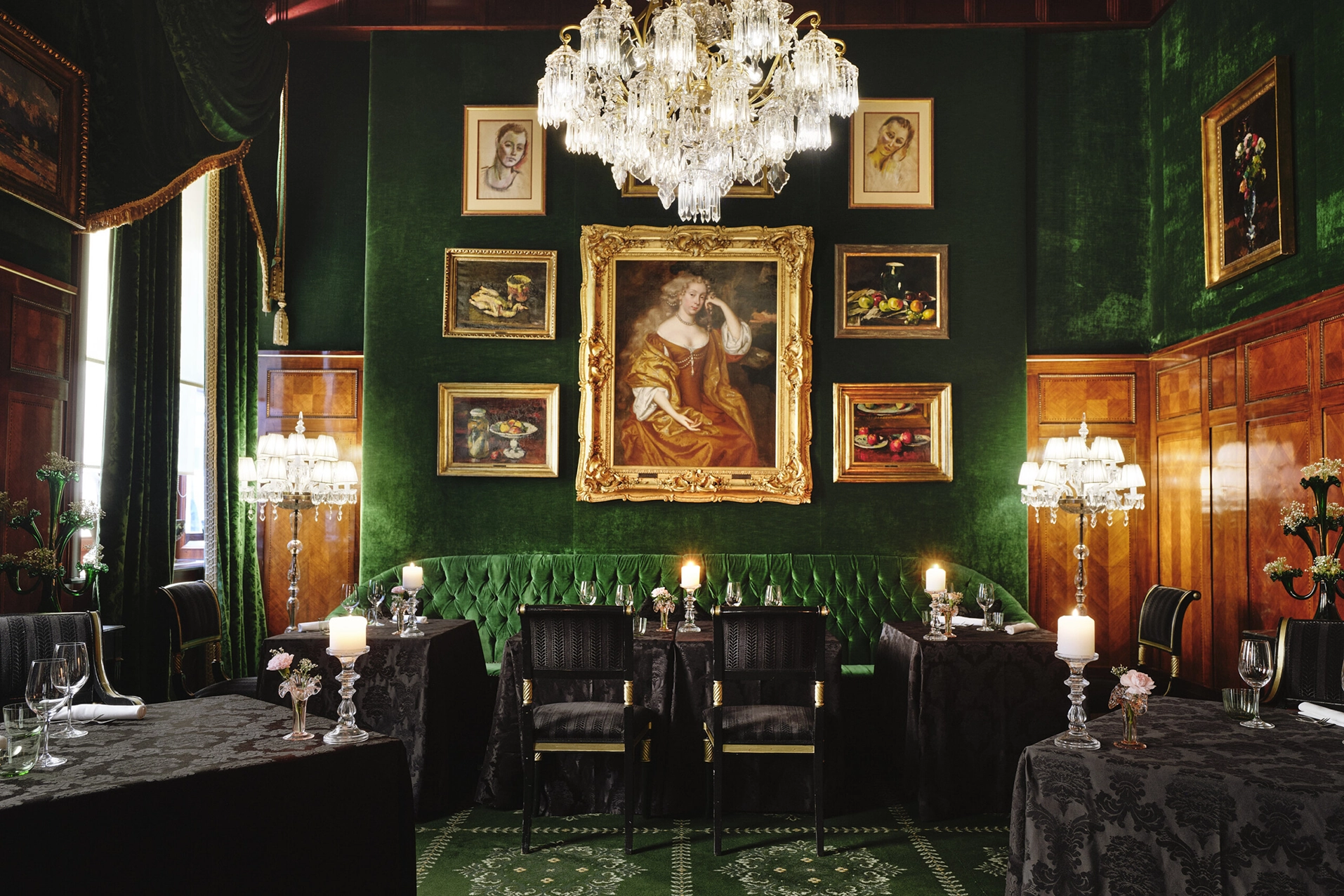
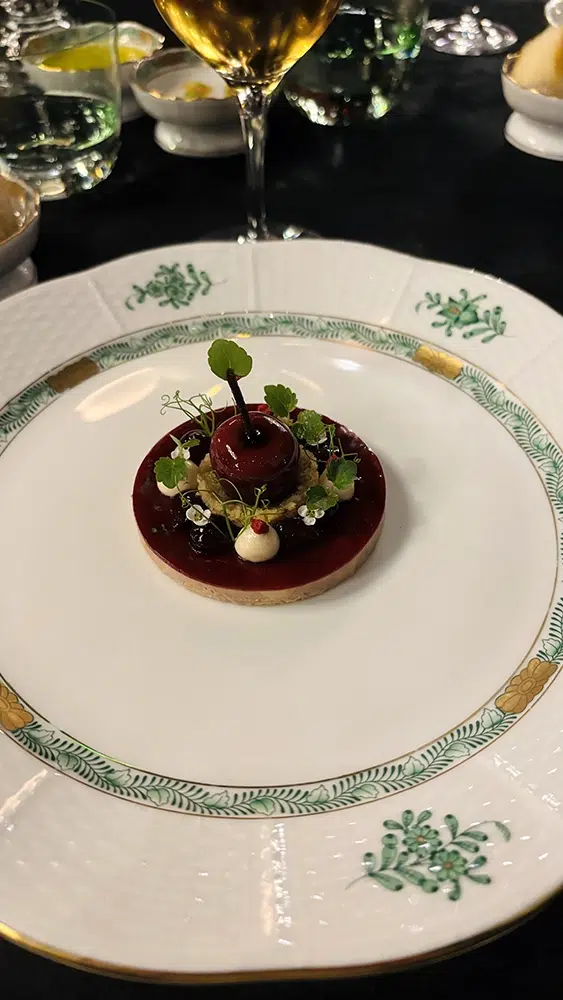
For a more contemporary expression of Vienna’s culinary sophistication, reserve an evening at Restaurant Grüne Bar in Hotel Sacher Vienna. Deep-green interiors, fine woodwork, historic paintings, and sparkling Lobmeyr chandeliers create an atmosphere of understated grandeur. The chandeliers date to the late nineteenth century and are among the room’s most distinctive features. Fine dining here combines the traditions of an elegant Viennese hotel with a contemporary approach to cuisine.
After dinner, a visit to the adjacent Sacher shop offers the opportunity to take home an Original Sacher-Torte, the city’s celebrated chocolate cake and a fitting souvenir for anyone with a sweet tooth.
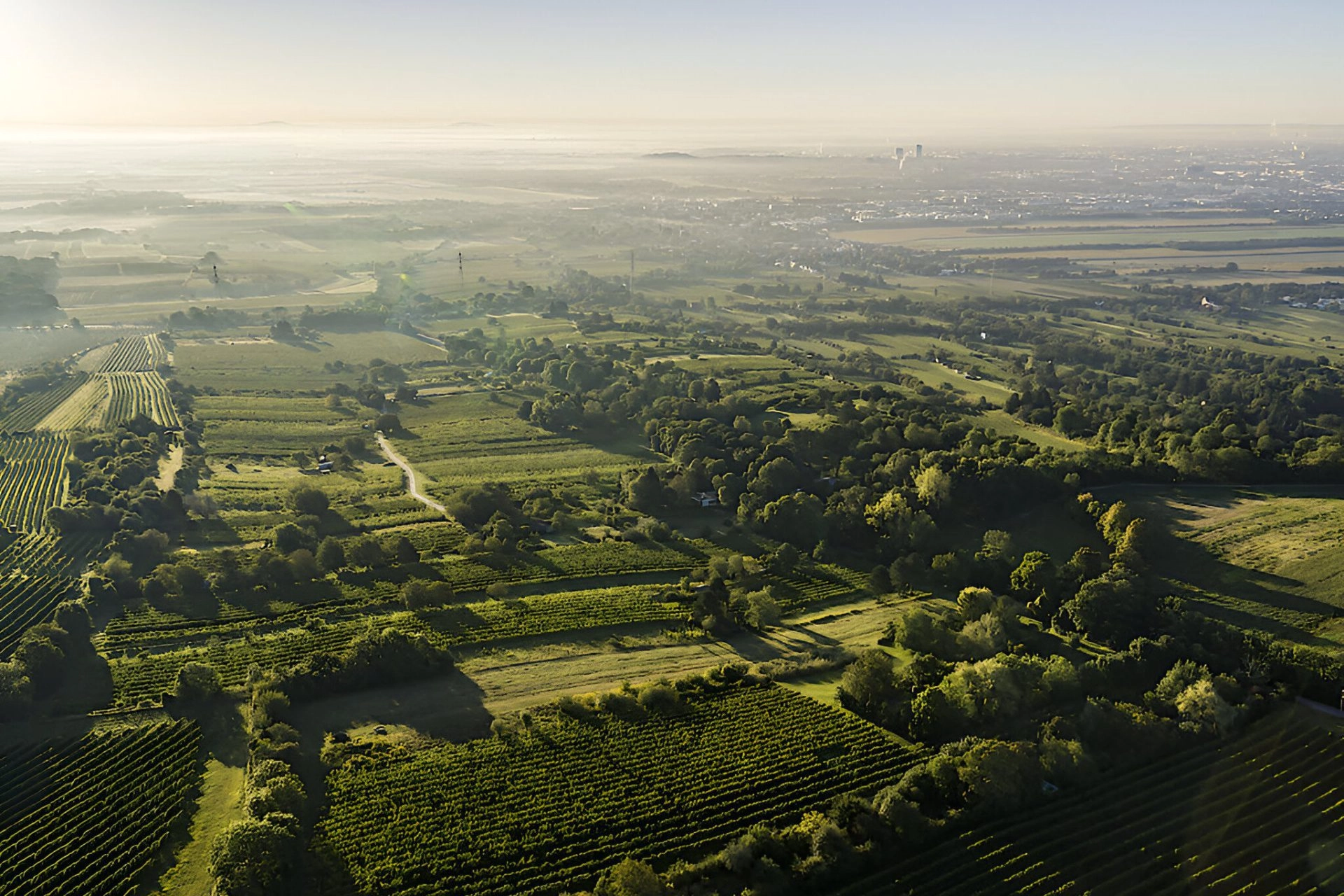
Vienna’s Unexpected Wine Country
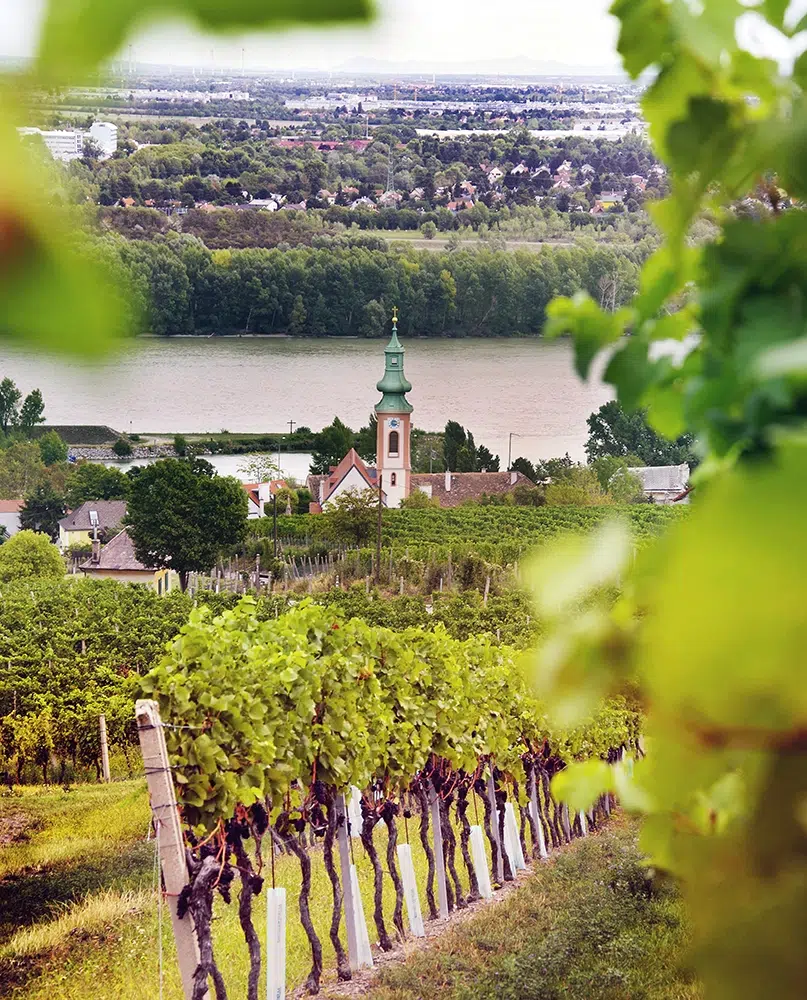
One of Vienna’s most appealing surprises is that vineyards are part of the city itself. Unlike many European capitals, Vienna has a working wine culture within easy reach of the historic center, with vineyard-covered hills, family-run wineries, and traditional wine taverns known as Heurigen.
Among the region’s notable white wines are Grüner Veltliner, Riesling, and Wiener Gemischter Satz. The last is particularly distinctive: a traditional field blend made from different grape varieties grown together and harvested and processed together. For wines labeled Wiener Gemischter Satz DAC, the vineyards must be within Vienna’s designated wine-growing region, and at least three grape varieties must be planted and harvested together.
The result can be a wonderfully expressive wine, with fresh fruit, citrus, and herbal notes that vary by producer and vintage. It is an ideal introduction to Vienna’s local wine culture and a reminder that Austrian wines offer far more than the familiar international labels.
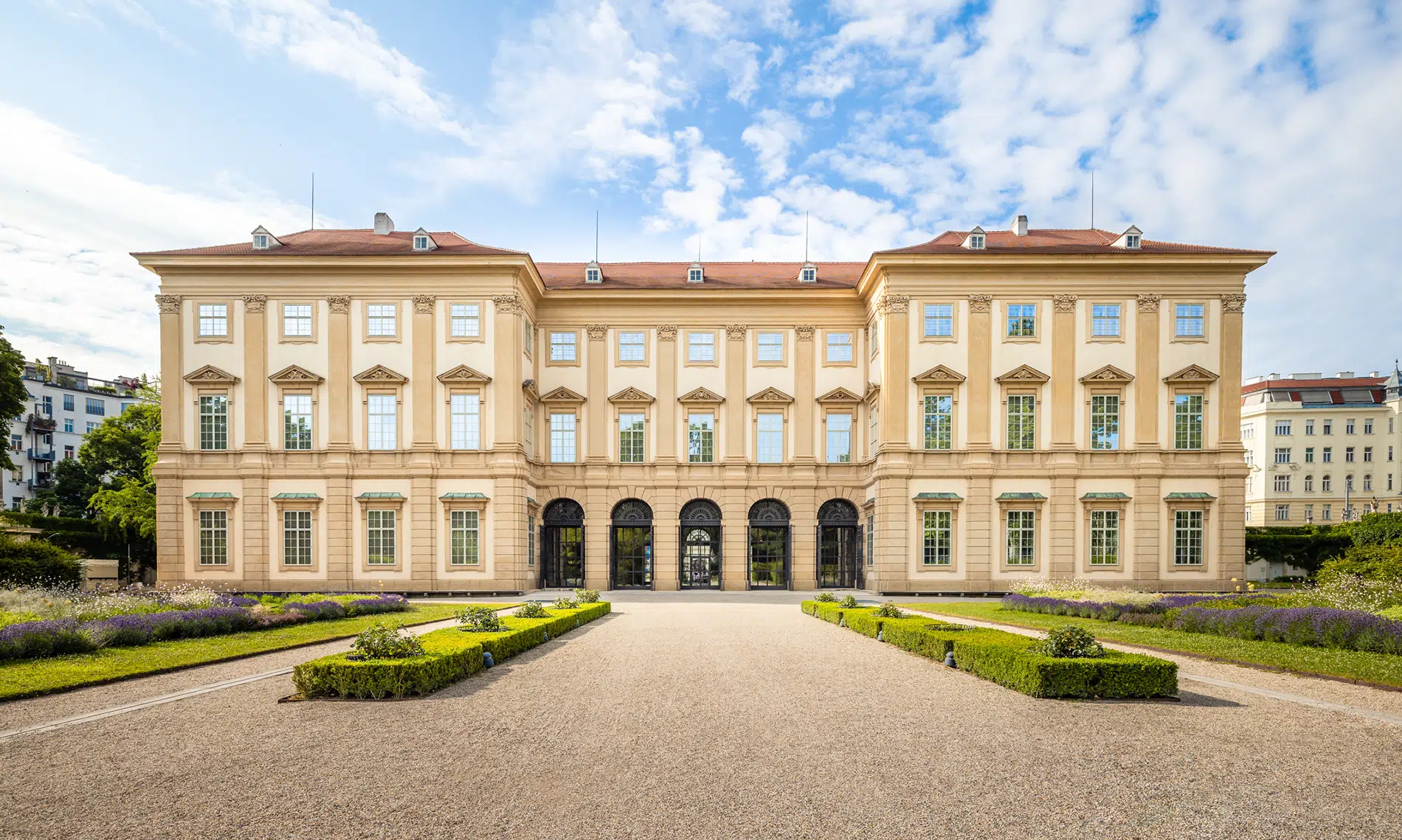
For an elegant tasting in the city, visit the Hofkellerei Liechtenstein Vinothek & Bar at the Gartenpalais Liechtenstein. The setting combines an intimate wine bar with a historic palace environment, and the selection includes wines from the estate and other producers. Guided tastings and carefully chosen food pairings offer an opportunity to explore Austrian wine in a relaxed, refined setting.
For a more rural perspective, consider visiting Weingut Christ. Its wines can be found in Vienna’s restaurants, while a visit to the winery offers a closer look at the vineyards and the landscape that shapes them. In warmer weather, the surrounding hills are particularly appealing for a walk, with sweeping views across the city and a chance to appreciate just how close Vienna’s wine country is to urban life.
For another side of the local experience, seek out a traditional Heuriger. These wine taverns are places to enjoy the current vintage alongside simple Austrian dishes, often in gardens or courtyards overlooking the vineyards. They provide a welcome counterpoint to the city’s formal dining rooms: convivial, relaxed, and distinctly Viennese.
Reasons to Return
Vienna rewards repeat visits because its cultural pleasures extend well beyond its most famous monuments. Music lovers might arrange an intimate classical performance or attend a concert in one of the city’s historic venues. Mozart’s association with Vienna is everywhere, although it is worth checking the details of any performance or venue before assuming it is connected to a particular period of his life.
At the Spanish Riding School, visitors can discover the traditions behind the Lipizzaner horses, whose training and performances are among Vienna’s most distinctive cultural experiences.
Art and antiques enthusiasts should make time for Dorotheum, founded by Emperor Joseph I in 1707. One of Europe’s major auction houses, it occupies the grand Palais Dorotheum, completed in the early twentieth century. Its auctions span fine art, antiques, jewelry, watches, design, and collectibles, making it an absorbing stop even for visitors who are not planning to bid. Check the auction calendar and public viewing arrangements before visiting; a preview can be a particularly rewarding way to see exceptional objects up close.
If time allows, pause at a café and reflect on what makes Vienna so appealing. Its imperial grandeur is undeniable, but the city’s real charm lies in the way that grandeur coexists with everyday rituals: a long coffeehouse visit, a perfectly made pastry, a glass of local wine, or a leisurely meal prepared according to tradition.
Vienna is a city where history remains part of daily life rather than a backdrop reserved for visitors. That combination of cultural depth, culinary pleasure, and genuine local character is what makes it worth returning to.