
Moving is part of life. At some point, everyone packs up and starts over in a new space. It can feel exciting. A new home often brings better comfort, more room, or a fresh environment. In Alexandria, VA, where residents enjoy a high-end lifestyle, moving to a new home can often mean a real upgrade. Still, that upgrade depends on how you handle the move and how you shape your new space after arriving. A rushed or unplanned transition can make even the best home feel stressful. On the other hand, a thoughtful approach can turn it into a place that truly fits your life.
This article will guide you on how to make this new space truly yours.
Prepare Before Moving Day for a Smoother Start
A smooth move begins before you even step into your new home. Taking time to prepare can make unpacking much easier. Sort through your belongings and get rid of items you no longer need. Labeling boxes clearly is another important step. When each box has a room name and a short description, it becomes easier to place items in the right spot. Packing an essentials box is also helpful.
It is also important to handle practical arrangements before moving day. Make sure utilities like water, electricity, and internet are ready to use. This prevents delays once you arrive. In Alexandria, VA, hiring movers is highly recommended. The traffic can be heavy, and the weather can be warm, especially during peak moving seasons.
Professional Alexandria VA movers can handle the loading and unloading, which reduces physical strain and saves time.
Unpack Essentials First, Not Everything at Once
Once you arrive, it is tempting to open every box and try to finish everything in one day. This approach often leads to clutter and confusion. A better method is to focus only on the essentials first.
Start with the bedroom, so you have a comfortable place to rest. Then move to the bathroom and kitchen, as these areas support your daily routine. By setting up these spaces first, you create a sense of order and comfort early on.
Opening boxes one room at a time also helps you stay organized. It reduces the chances of losing items or mixing things up.
Clean and Reset Each Space Before Decorating
Before placing your belongings, take some time to clean each room. Even if the home looks clean, a quick wipe-down can make a difference. Focus on surfaces, floors, and storage areas. This step ensures that everything you unpack goes into a fresh space.
Cleaning also gives you a chance to inspect the home closely. You might notice small issues like loose handles or minor marks on the walls. Fixing these early can save time later. It also helps you start with a clean and well-maintained environment.
Resetting the space before decorating creates a better foundation. When everything is clean and in order, it becomes easier to arrange furniture and place items where they belong.
Define the Purpose of Every Room
A new home offers a chance to rethink how you use your space. Instead of placing items without a plan, take time to decide the purpose of each room. This helps you stay organized and avoid unnecessary clutter.
Think about your daily habits and what you need from each space. A living room might be used for relaxing and entertaining, while a spare room could become a home office or storage area. Assigning a clear function to each room makes it easier to arrange furniture and choose what items belong there.
Arrange Furniture for Comfort and Flow
Once the basic setup is complete, the next step is arranging your furniture in a way that feels natural. Start with the larger pieces such as sofas, beds, and tables. Place them where they make the most sense for movement and daily use. It is important to leave enough space to walk around without obstacles.
Think about how you move through each room. Clear pathways make a space feel open and easy to use. Avoid pushing all furniture against the walls unless it improves the layout. Sometimes, placing items slightly inward creates a better balance. It also helps to test different arrangements before settling on one. You may find that a small change improves comfort or makes the room feel more spacious.
Taking time with this step ensures that your home feels both practical and inviting.
Add Lighting That Works for Your Lifestyle
Lighting affects both function and comfort. Make the most of natural light during the day. Keep windows clear and use simple coverings that allow light to enter.
For evenings and darker areas, add a mix of lighting options. Overhead lights provide general brightness, while lamps can create a softer and more relaxed setting. Task lighting is useful in areas like the kitchen or workspace where focus is important.
Choosing the right lighting also helps define each room’s purpose. A well-lit space feels more welcoming and easier to use.
Bring in Personal Touches Slowly
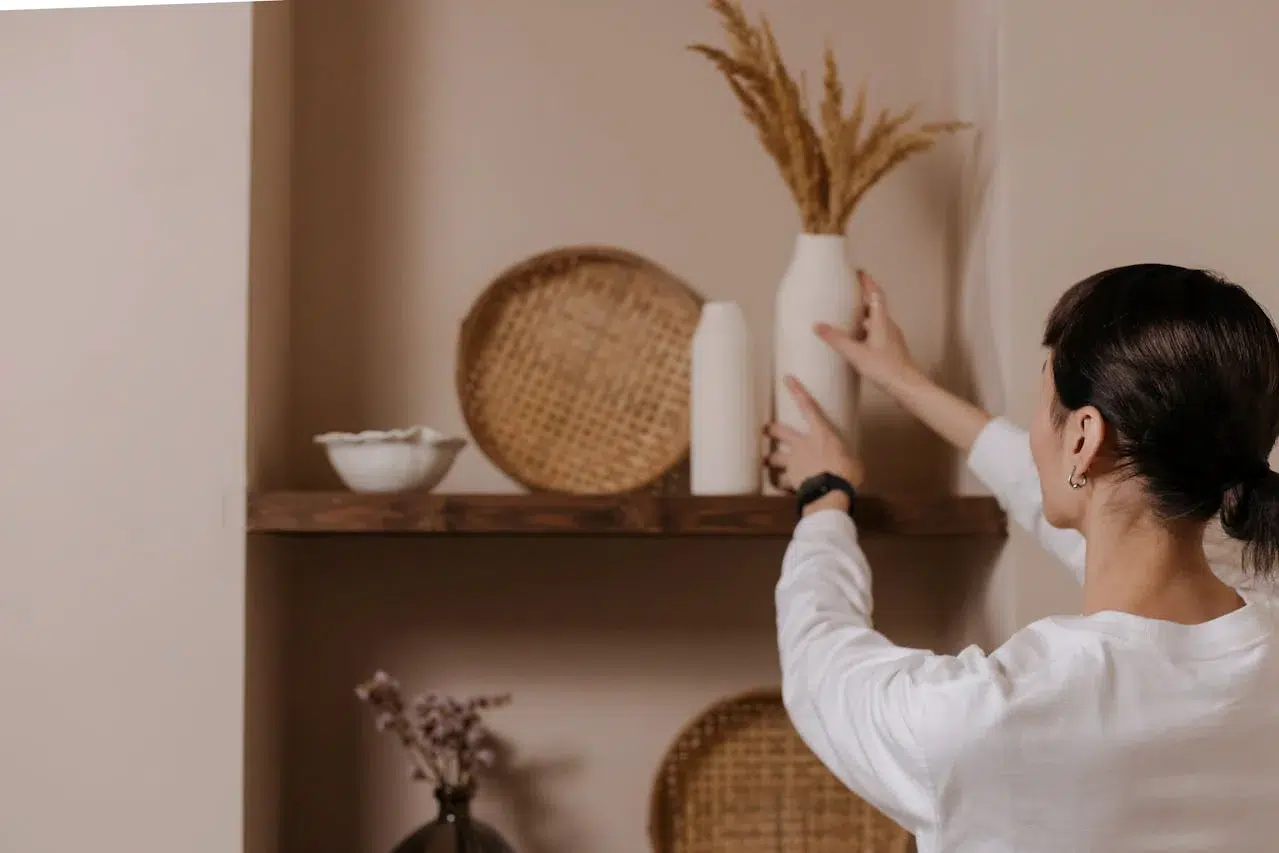
Once the main setup is complete, it is time to make the space feel like your own. Personal items add warmth and character, but it is best to introduce them gradually. Placing everything at once can make the space feel crowded.
Start with a few meaningful pieces such as photos, artwork, or simple decor. These items should reflect your style without overwhelming the room. As you spend more time in the space, you will get a better sense of what else is needed.
Allowing the home to develop over time helps you make better choices. It also prevents unnecessary purchases. A thoughtful approach ensures that each addition has a purpose and fits naturally into the space.
Maintain and Adjust as You Settle In
Even after everything is in place, your home will continue to evolve. It takes time to fully adjust to a new space. Pay attention to what works well and what feels out of place.
Small changes can improve comfort and function. You might move furniture, reorganize storage, or adjust lighting based on your daily routine. These updates do not need to happen all at once. Gradual changes are often more effective.
A new home gives you more than just a change of address. It gives you a chance to shape a space that supports your daily life and reflects your needs. Every choice you make, from layout to lighting, plays a part in how the home feels. When you approach the process with patience and intention, the space begins to feel more and more like home. Over time, it becomes familiar, comfortable, and truly yours.


