
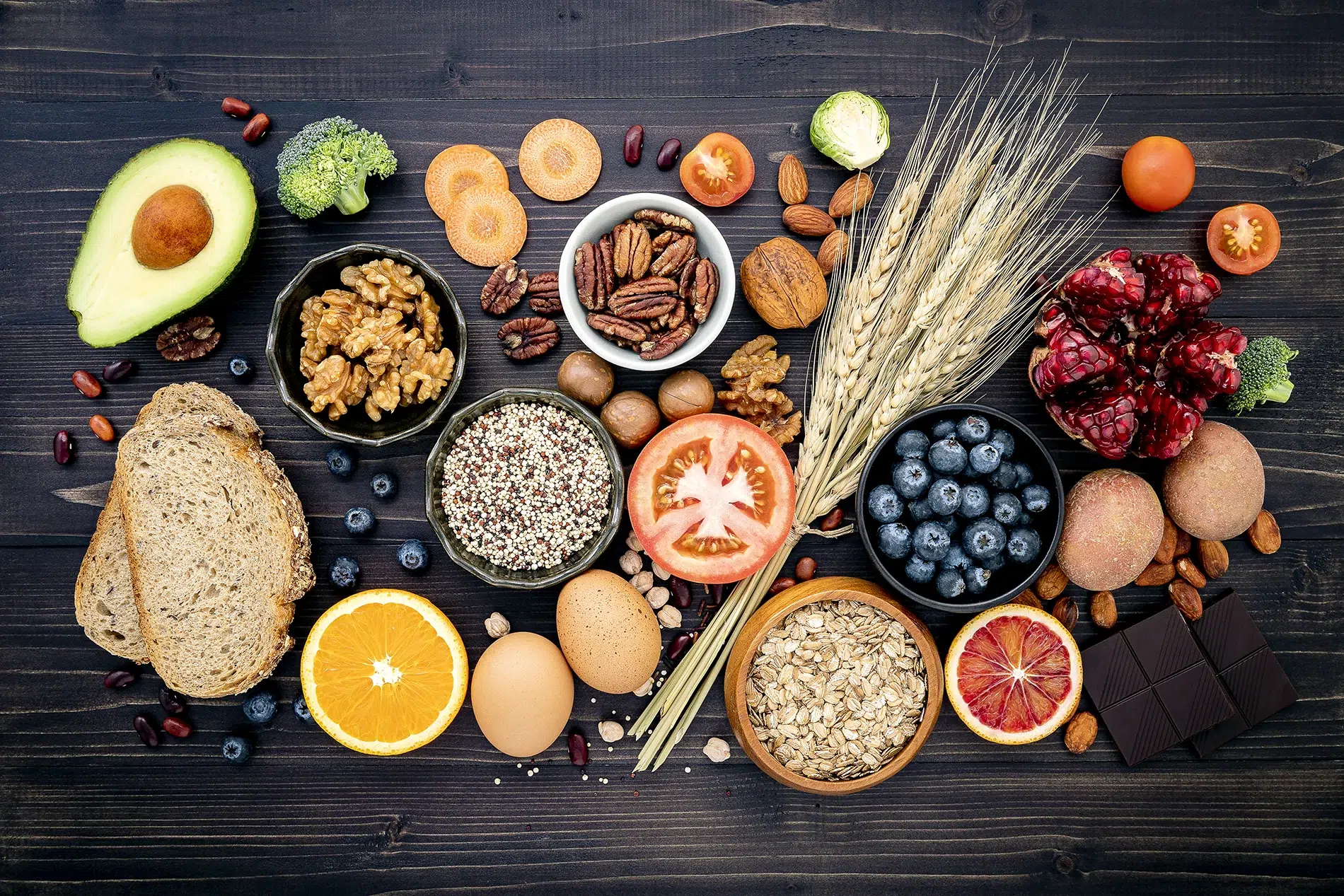
There’s a certain kind of parent who reads ingredient labels on everything. They’ve put real thought into their supplement stack, source their produce carefully, and can spot added sugars on a nutrition panel without looking twice. Mornings in these households tend to look a particular way: cold water with lemon, a protein shake, and something green. Something close to a ritual.
And yet the same attention doesn’t always follow into what their children are eating and drinking each day. Not from carelessness. More from the pace of things and from a quiet assumption that kids’ food is somehow already handled.
Research published through the American Academy of Pediatrics found that roughly 1 in 3 children between ages 1 and 5 didn’t eat fruit on a daily basis, and close to half didn’t eat vegetables. Over half had consumed a sugar-sweetened drink at least once during the week surveyed. These patterns show up across a wide range of households, including ones where the adults are paying close attention to everything else.
Where the Gap Often Shows Up
Drinks are often one place where the problem shows up clearly. Adults in wellness-oriented households tend to look closely at what they’re consuming: ingredient sourcing, sugar content, what’s synthetic, and what isn’t. Children’s drinks tend to get evaluated on simpler criteria, mostly palatability and convenience.
A handful of services have been built specifically around this. Nurture Life smoothies are dietitian-designed and formulated for young children, using whole fruits, vegetables, and superfoods with no added sugar. The flavors are naturally sweet from fruit, with ingredients like acai, goji berries, and turmeric running alongside vegetables that the fruit fully covers. It’s the kind of ingredient list that reads more like a cold-pressed adult product than a children’s drink, which is more or less the point.
For families already living with that level of intention, the same thinking applied to what children drink tends to feel less like a correction and more like a quiet extension of what’s already there.
What the Research Points To
The case for early exposure to a wider variety of whole-food ingredients has reasonable backing. Research published in Pediatrics found that children introduced to fruits and vegetables earlier tended to show better intake patterns at age six and beyond. Format tends to matter less than overall quality and consistency, whether that comes through meals, snacks, or drinks.
No single product reorders a child’s diet. But what children encounter regularly in these early years does accumulate, and the preferences that form here tend to hold. There’s no dramatic shift involved. The preference for quality is already part of how these households run. It mostly comes down to where that attention lands.
The Easier Version of This
For parents who’ve already done the work of building a thoughtful personal routine, the gap is often smaller than it looks. The instinct is there. It just needs to extend a little further into the household.
A child reaching for something made with real fruit and hidden vegetables, without added sugar, while a parent finishes their own carefully sourced breakfast beside them: that’s not a complicated picture. It’s considered one, that’s all.


