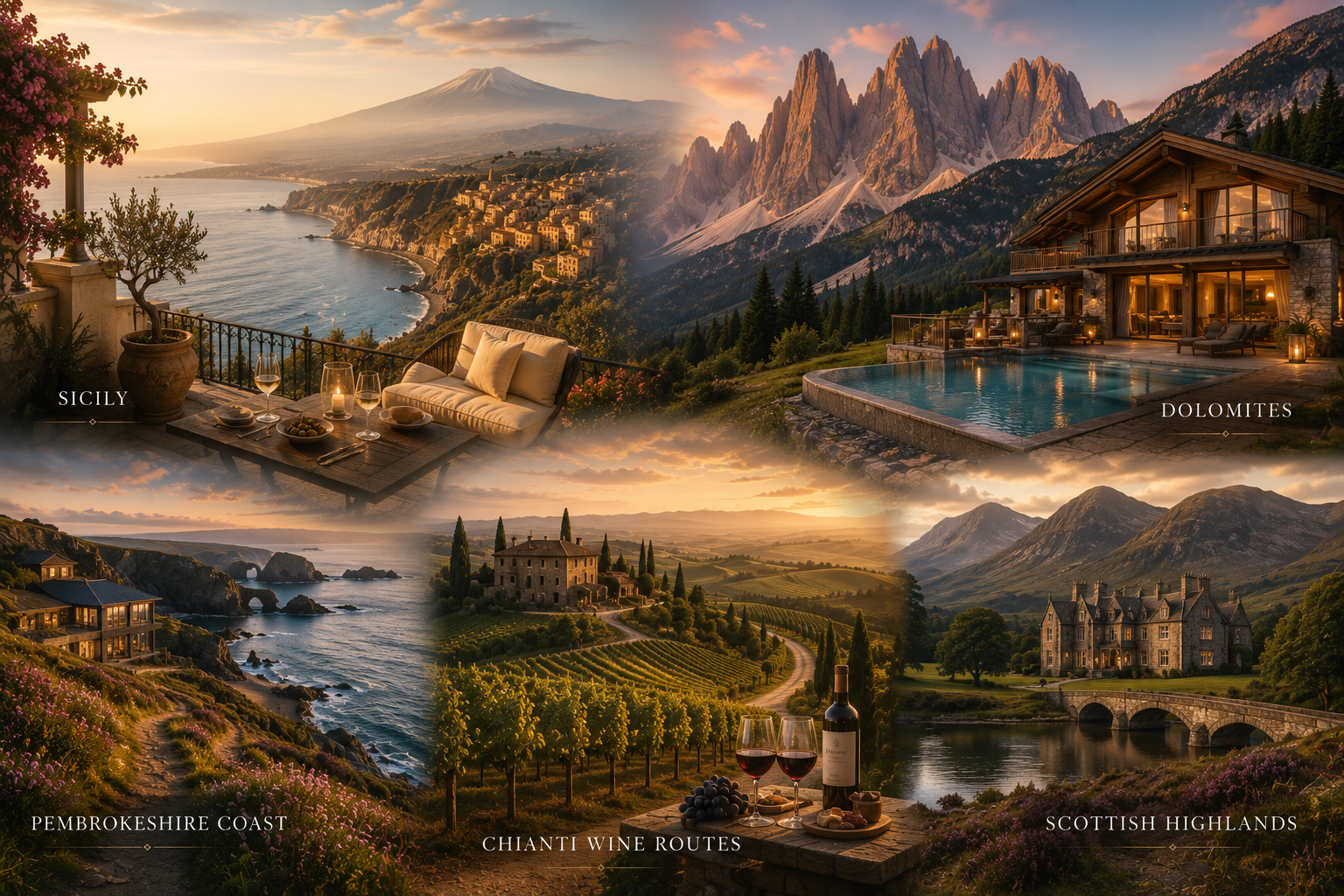
Not every holiday revolves around a beach chair or a city center hotel. Some of Europe’s most rewarding trips involve pulling on hiking boots, getting into the saddle, or spending long hours on winding roads that lead somewhere memorable.
The destinations featured below all require a bit of effort. That might mean climbing into the Dolomites, cycling along the Pembrokeshire coast, walking through the vineyards of Chianti, or navigating Highland mountain roads. Sicily joins the list too, where ancient ruins, volcanic slopes, and historic towns often require plenty of time on foot.
Guided Through Sicily: Ancient Ruins, Baroque Towns, and Volcanic Landscapes
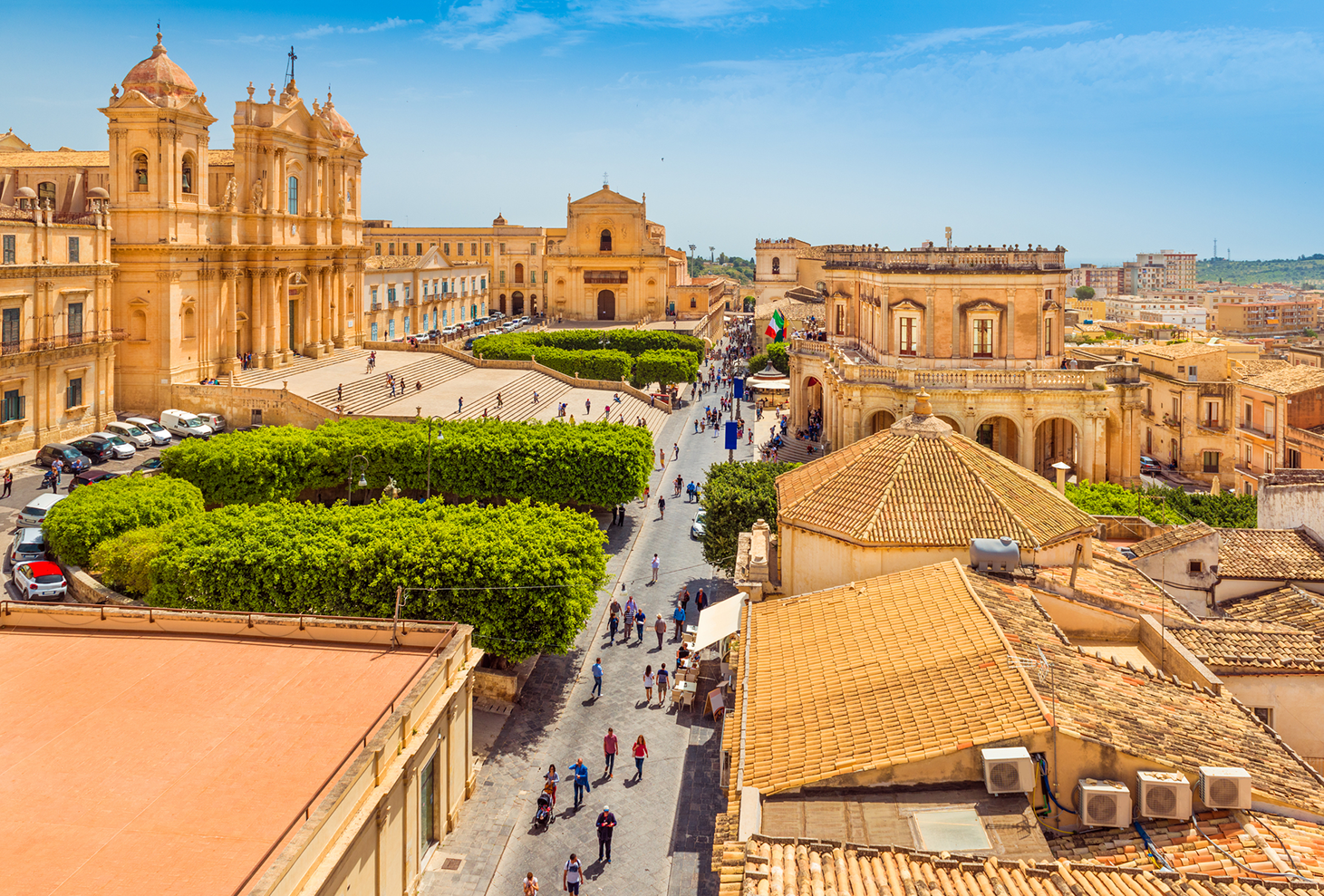
Sicily can be surprisingly physical. Historic towns such as Ragusa Ibla and Modica spill across steep hillsides connected by stairways, narrow lanes, and sloping stone streets. A few hours of sightseeing can easily turn into a day filled with climbs, descents, and plenty of walking between landmarks. In Syracuse, exploring Ortigia means weaving through a maze of alleyways that eventually open onto the waterfront beside the old city walls.
The island’s archaeological sites also reward those willing to cover some distance. The Valley of the Temples in Agrigento stretches across a large ridge, with ancient Greek structures scattered along walking paths that overlook the countryside. This is one reason expert-led Sicily small group tours are popular among active travelers. They combine extensive visits to places such as Agrigento, Villa Romana del Casale, and Taormina while providing local insight into the island’s Greek, Roman, Norman, and Arab influences. Having guides handle transportation between regions also allows more time to focus on exploring the sites themselves.
Mount Etna adds another layer. Walking trails cross old lava flows, volcanic rock fields, and high-altitude terrain that looks completely different from Sicily’s coastal towns. Even lower-level excursions involve uneven ground and steady climbs. Around Rifugio Sapienza, the landscape quickly reminds visitors that Europe’s largest active volcano is still very much alive.
Walking the Dolomites: Alpine Meadows and High-Altitude Routes
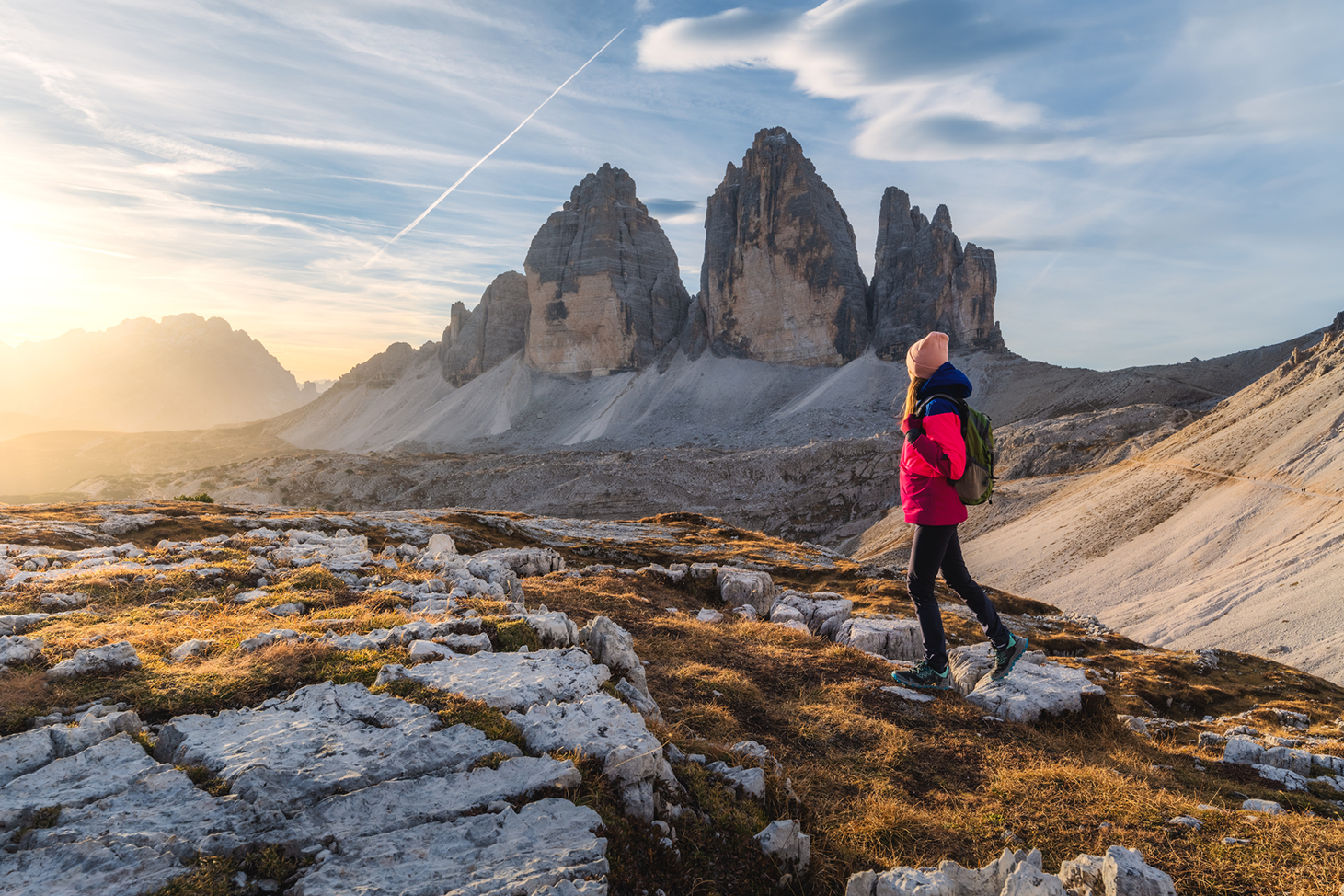
The Dolomites feel different from other mountain regions in Europe. The peaks rise sharply from valley floors, creating dramatic shapes that seem almost unreal when first seen from places like Val Gardena or Alta Badia. Ortisei makes a convenient base, with cable cars taking visitors into the surrounding mountains and plenty of marked trails beginning close to town.
One of the most popular areas is Alpe di Siusi, a vast high-altitude meadow crossed by walking paths and gravel tracks. During summer, hikers pass grazing cattle, wooden barns, and mountain refuges serving simple local dishes. Early mornings are noticeably quieter before the first cable cars arrive.
Lower trails can be just as rewarding as the famous summits. Walks near Passo Gardena reveal changing perspectives of the Sella Group, while routes around Lago di Braies attract photographers throughout the day. Weather conditions can change quickly, even during July and August. A sunny valley can become a cool, windy ridgeline within an hour.
Cycling the Pembrokeshire Coast: Clifftop Trails and Coastal Villages
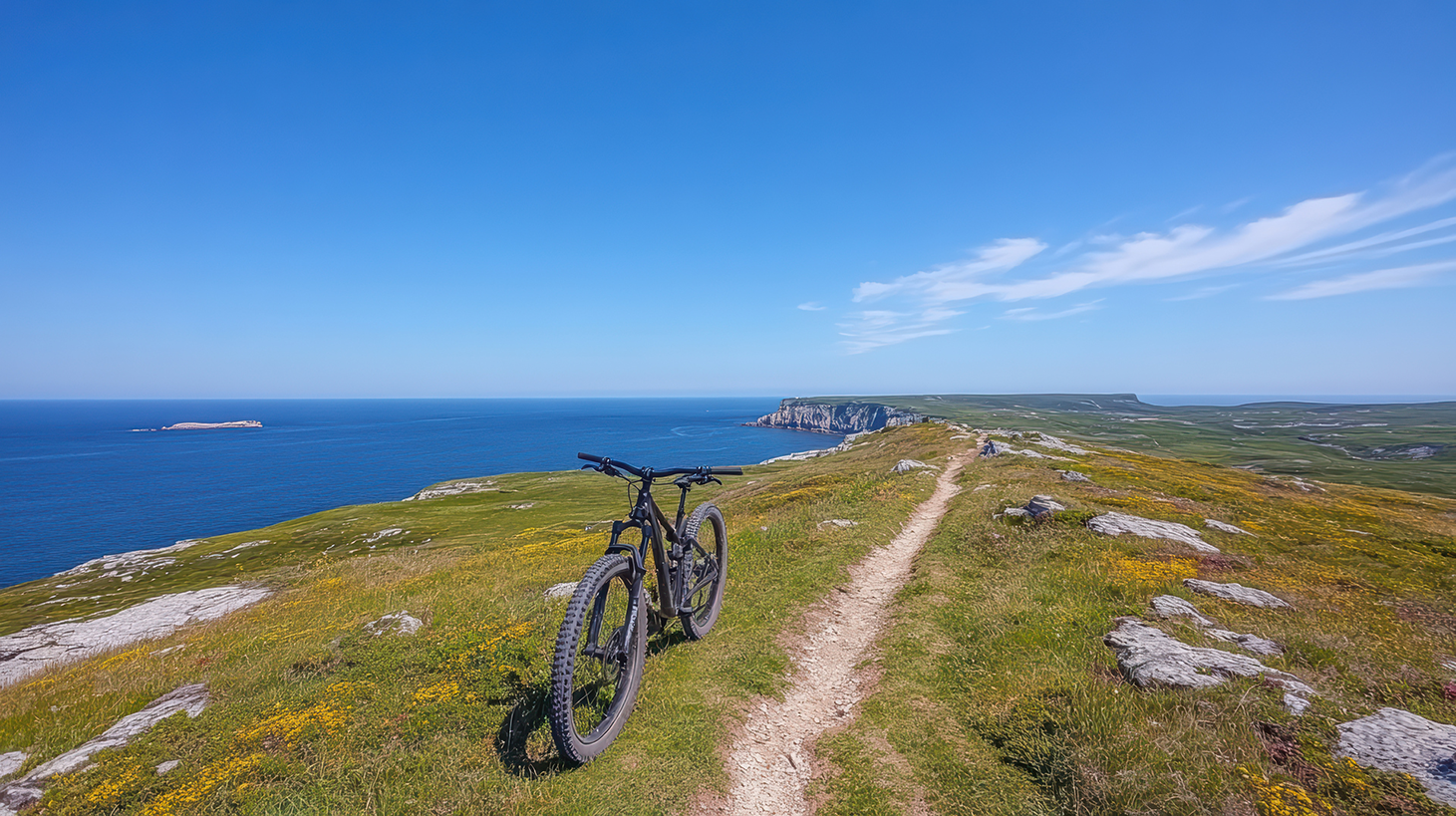
Cycling in Pembrokeshire rarely means long flat stretches. The roads constantly rise and fall as they follow the coastline’s contours. A climb might lead to a headland overlooking the sea before dropping sharply toward a sheltered harbor or sandy beach.
Tenby is often a starting point for some of the most renowned cycling holidays in South Wales. From there, roads weave through farmland, coastal villages, and sections of Pembrokeshire Coast National Park. Around St Davids, riders encounter exposed stretches where Atlantic winds can make even gentle inclines feel more demanding.
Part of the appeal of cycling in the region is that the terrain remains varied throughout the trip. Riders can spend one morning cycling above St Brides Bay, then find themselves crossing quiet inland roads lined with stone walls and grazing sheep a few hours later. Organized itineraries often include luggage transfers, allowing cyclists to focus on the riding while still covering substantial distances each day.
Pembroke Castle provides a worthwhile stop along the way. After several hours in the saddle, walking around the medieval fortress and nearby millpond can be a welcome break before getting back on the bike.
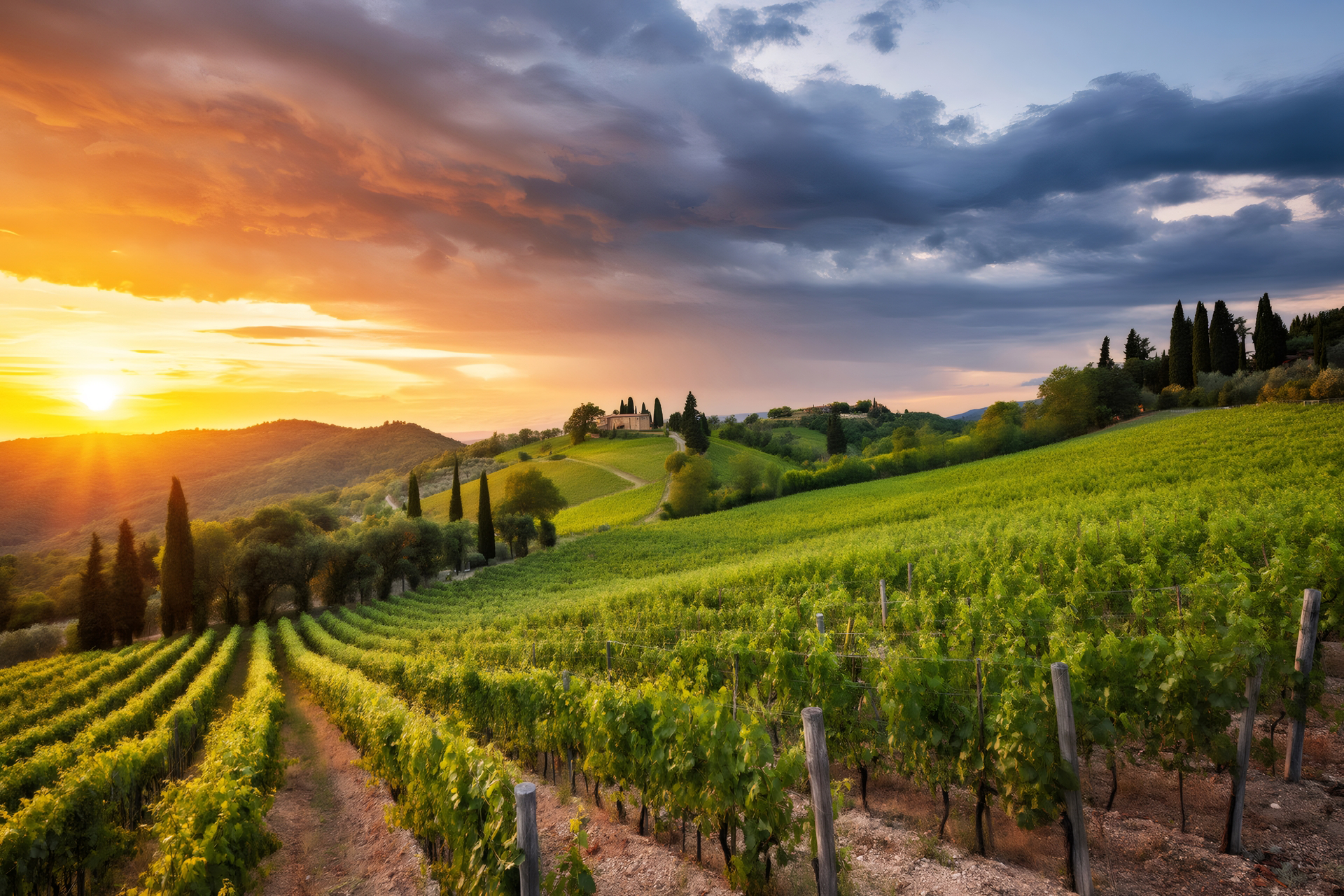
Walking the Chianti Wine Routes: Rolling Vineyards Between Siena and Florence
The hills between Florence and Siena have been attracting walkers for generations. Vineyards cover large sections of the landscape, interrupted by olive groves, forests, and small stone villages perched above the valleys. Many roads are lined with cypress trees, though some of the most enjoyable walks follow unpaved farm tracks where traffic is almost nonexistent.
Greve in Chianti often serves as a starting point. Its triangular piazza hosts regular markets, and narrow streets branch away from the center toward the surrounding countryside. Further south, Castellina in Chianti contains remnants of its medieval fortifications, while Radda sits high above vineyard-covered slopes with views extending for miles on clear days.
Walking here is not only about wine. Tiny chapels appear beside country roads, residents tend vegetable gardens behind stone walls, and tractors regularly move through the vineyards during harvest season. On market days, village squares fill with produce stalls, local cheeses, and conversations that continue long after the shopping is done.
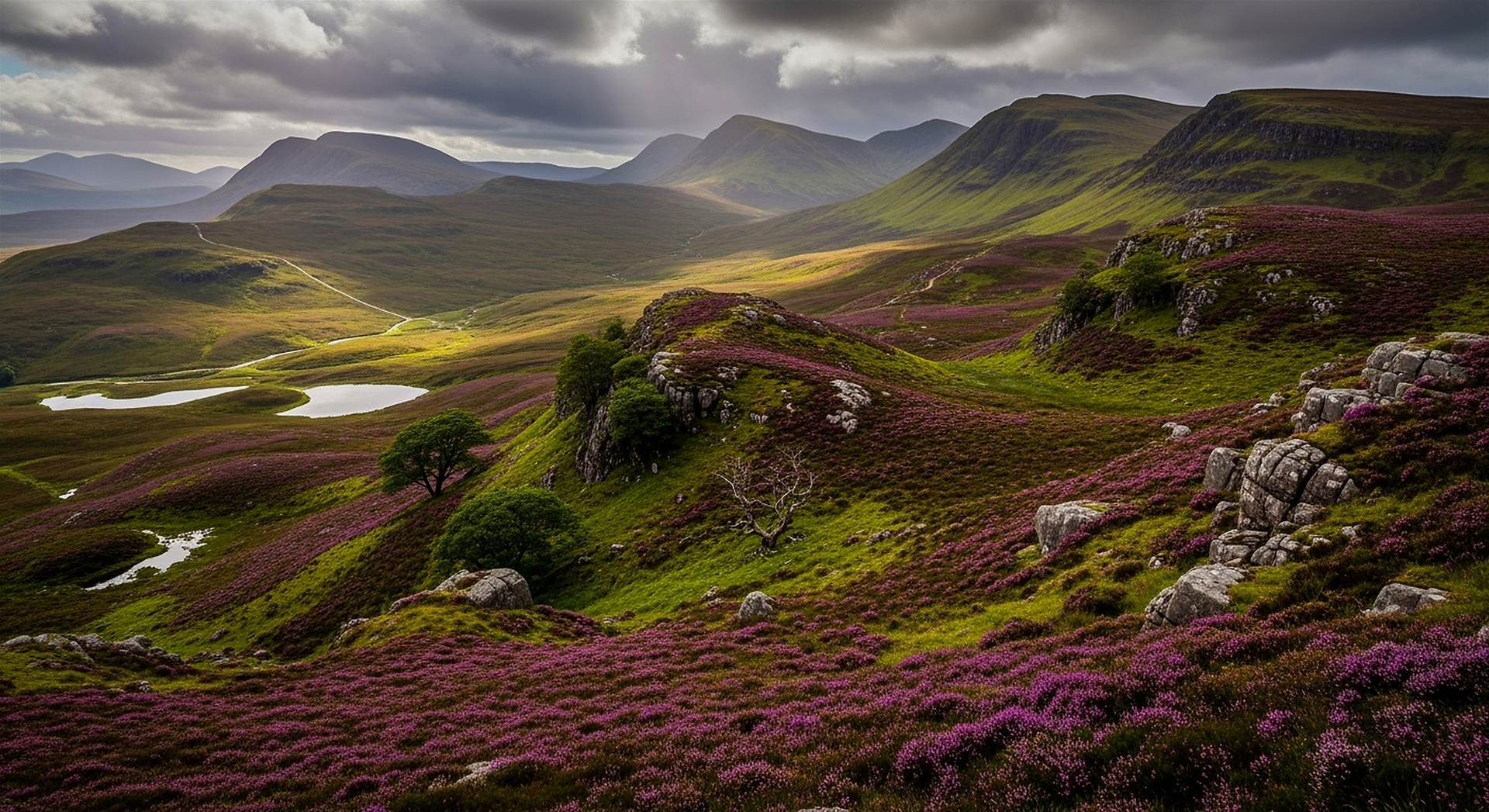
Self-Driving the Scottish Highlands: Lochs, Glens, and Single-Track Roads
Although the Highlands are usually explored by car, the best days often involve getting out and walking. Some of the most rewarding locations sit beyond parking areas, requiring short hikes, hill walks, or longer routes across open ground.
Glencoe is a good example. Several viewpoints can be reached directly from the road, but trails into the surrounding glens reveal far more of the landscape. Paths near the Three Sisters viewpoint attract many avid walkers, while nearby Glen Etive offers opportunities for longer outings away from the busiest areas.
Driving remains part of the adventure. Single-track roads around Applecross and Torridon demand concentration, particularly when meeting oncoming traffic. The climb over Bealach na Bà includes tight bends and steep gradients that feel more Alpine than Scottish.
Villages such as Ullapool and Plockton make useful overnight stops, though many travelers find themselves pulling over repeatedly for short walks beside lochs, waterfalls, and coastal viewpoints. Covering only a modest distance during the day is perfectly normal in this part of Scotland.
Which European landscape would you explore?
These holidays share a common theme. The highlights are not simply places to look at. They are landscapes experienced through movement, whether that means hiking through the Dolomites, cycling along the Pembrokeshire coast, climbing volcanic slopes in Sicily, crossing the hills of Chianti, or pulling on walking boots in the Scottish Highlands.
The reward often comes at the end of a climb, after a long day outdoors, or following a stretch of road that seemed determined to keep going. For travelers who enjoy active days and don’t mind working a little for the scenery, these five European destinations provide plenty of reasons to stay moving.