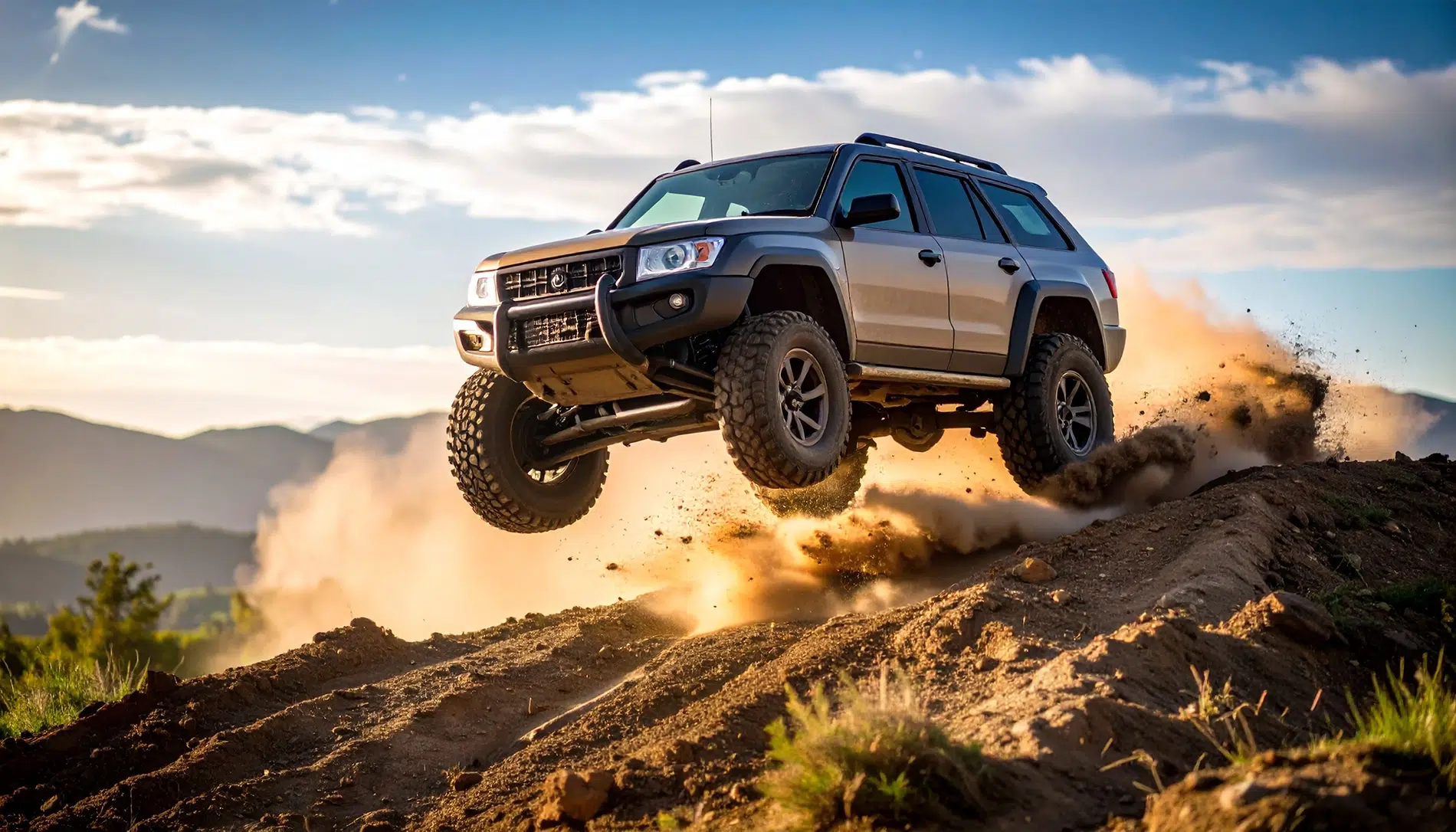
Lifted trucks combine practical utility with enhanced ground clearance, distinctive styling, and capability for drivers who spend time on challenging roads. Whether a truck is used for hauling equipment during the week or exploring trails on weekends, the right lift, tires, suspension, and supporting upgrades can make a significant difference. For shoppers interested in Custom built lifted trucks in Florida, it is important to understand how different configurations support work and recreational driving. The following five lifted-truck approaches highlight useful combinations for drivers who want a truck capable of handling both everyday responsibilities and off-road adventures.
1. Ford F-150 With a Moderate Suspension Lift
The Ford F-150 is a popular foundation for a customized truck because it can serve a wide variety of purposes. A moderate suspension lift can increase ground clearance while maintaining a practical setup for everyday driving and work.
A properly selected lift kit can create additional room for larger all-terrain tires. This can be useful when driving across gravel roads, uneven terrain, or other surfaces where additional clearance and traction are beneficial.
For work, the F-150 offers a useful combination of passenger space, cargo-bed functionality, and available towing capability. A moderate lift can preserve much of the truck’s everyday practicality while giving it a more capable appearance.
When building an F-150, suspension components should be selected as a complete system rather than choosing a lift based solely on height. Shocks, springs, alignment, tire size, and wheel specifications all influence how the finished truck handles.
2. Ford Super Duty for Heavy Work and Rough Terrain
Drivers who regularly perform demanding jobs may need more capability than a light-duty pickup provides. A Ford Super Duty can provide a strong foundation for a lifted work truck designed around towing, hauling, and challenging terrain.
A lifted Super Duty can be equipped with larger tires and suspension components selected for the intended environment. For workers who travel to construction sites, rural properties, farms, or other areas with uneven surfaces, increased clearance can help the truck navigate obstacles more confidently.
However, a work-focused build should prioritize function over appearance. Excessive suspension modifications may affect handling, ride quality, entry height, and towing characteristics. The lift should therefore be matched to the truck’s intended workload.
Before modifying a Super Duty, consider the weight of trailers and equipment you typically carry. Make sure the finished configuration remains appropriate for the manufacturer’s specifications and local requirements.
3. Ford Ranger With an Off-Road-Oriented Setup
A midsize pickup can be an appealing option for drivers who want off-road capability without moving to a full-size truck. The Ford Ranger provides a smaller footprint that can be useful on narrow trails and in areas where maneuverability matters.
An off-road-oriented Ranger build can include increased suspension clearance, all-terrain tires, skid protection, and appropriate recovery equipment. Together, these upgrades can prepare the truck for suitable recreational terrain.
The Ranger can also remain practical for everyday use. Its smaller dimensions can make it easier to maneuver through urban areas, while the pickup bed provides space for tools, camping equipment, bicycles, and other gear.
When planning a Ranger build, think about where you will actually drive. A truck intended primarily for forest roads may require a different setup than one used for more technical off-road environments. Matching the equipment to the terrain can help avoid unnecessary modifications.
4. Ford Bronco Pickup-Style Adventure Setup
Although the Ford Bronco is an SUV rather than a conventional pickup, its off-road-focused design makes it an interesting choice for drivers who prioritize recreation and outdoor exploration. A customized Bronco can be configured with increased clearance, appropriate tires, and protective equipment for suitable trails.
For outdoor adventures, storage organization is important. Camping supplies, recovery equipment, tools, and recreational gear should be secured properly during travel.
A Bronco-oriented build can also emphasize trail visibility and maneuverability. However, drivers should understand that adding larger tires or suspension modifications can change steering response, ride characteristics, and vehicle dimensions.
The goal should be to create a balanced setup rather than simply maximizing lift height. A moderate, professionally selected configuration can provide useful clearance while retaining manageable road manners.
5. A Custom F-150 Trail and Work Build
A customized F-150 can also be designed specifically for drivers who divide their time between work and recreation. This type of build focuses on versatility rather than extreme specialization.
For weekday use, the truck can retain practical features such as a functional bed, towing equipment, storage solutions, and comfortable seating. For weekends, suitable suspension upgrades and all-terrain tires can provide additional versatility on gravel roads and approved trails.
A work-and-adventure build should consider payload and towing requirements before selecting aftermarket equipment. Wheels and tires can add weight, while certain accessories can reduce available payload capacity.
Drivers should also consider bed accessories such as organizers, protective liners, and covers. These additions can help protect work equipment during the week while keeping outdoor gear organized during weekend trips.
Choosing the Right Lift Height
Lift height is one of the most noticeable aspects of a custom truck, but bigger is not necessarily better. The appropriate height depends on the truck, tire size, suspension design, intended use, and desired driving characteristics.
A moderate lift may be sufficient for drivers who primarily need additional clearance and space for larger tires. More substantial builds may be appropriate for specialized off-road applications, but they can require additional supporting modifications.
Consider how often the truck will be driven on paved roads. A vehicle that spends most of its time commuting may benefit from a more conservative setup than one dedicated primarily to trail use.
Selecting the Right Tires
Tires have a major effect on how a lifted truck performs. All-terrain tires can provide a balance between pavement manners and off-road traction, making them suitable for many mixed-use builds.
More specialized tires may provide additional traction in particular environments but can introduce more road noise, increased rolling resistance, or different handling characteristics.
Tire size should also be matched to the suspension and wheel configuration. Oversized tires can create clearance problems if the vehicle has not been properly configured.
Pay Attention to Suspension and Alignment
A lift changes the geometry of a vehicle’s suspension. That makes proper installation and alignment especially important.
After installing suspension modifications, the vehicle should be checked to ensure that steering and suspension components operate correctly. Alignment can also help maintain predictable handling and reduce uneven tire wear.
Quality components are another important consideration. A complete suspension system designed for the specific truck can provide a more balanced result than combining unrelated parts.
Professional installation is particularly valuable when a build involves significant changes to suspension geometry or drivetrain components.
Consider Florida Driving Conditions
Florida drivers may encounter hot temperatures, heavy rain, wet roads, and a mixture of highways, city streets, rural roads, and recreational terrain. These conditions should be considered when planning a lifted-truck build.
For everyday driving, good visibility, reliable braking, proper tire selection, and predictable handling remain important. Off-road equipment should not compromise basic road safety.
Florida regulations may also apply to vehicle modifications, lighting, tires, and other equipment. Before completing a custom build, verify that the finished truck complies with applicable requirements.
Balance Appearance With Function
A lifted truck can make a strong visual statement, but the best builds combine appearance with practical improvements. Larger tires, suspension upgrades, protective equipment, and useful bed accessories should support the way you actually use the vehicle.
Avoid choosing modifications simply because they look impressive. Consider how each component affects ride quality, fuel consumption, maintenance, handling, payload, and towing.
A balanced build can provide a better ownership experience because the truck remains useful for everyday responsibilities while being prepared for appropriate recreational activities.
Conclusion
Custom lifted trucks can offer an appealing combination of work capability, ground clearance, versatility, and off-road character. An F-150 can provide a balanced platform for daily work and weekend adventures, while a Super Duty can be suited to demanding towing and hauling needs. A Ranger can offer midsize maneuverability, and an adventure-focused SUV such as the Bronco can provide another option for recreational drivers.
The most successful build starts with a clear understanding of how the truck will be used. Lift height, tires, suspension, alignment, payload, towing requirements, and local regulations should all be considered before modifications are made. By prioritizing function and selecting components that work together, drivers can create a lifted truck that is capable, practical, and ready for both workdays and off-road adventures.