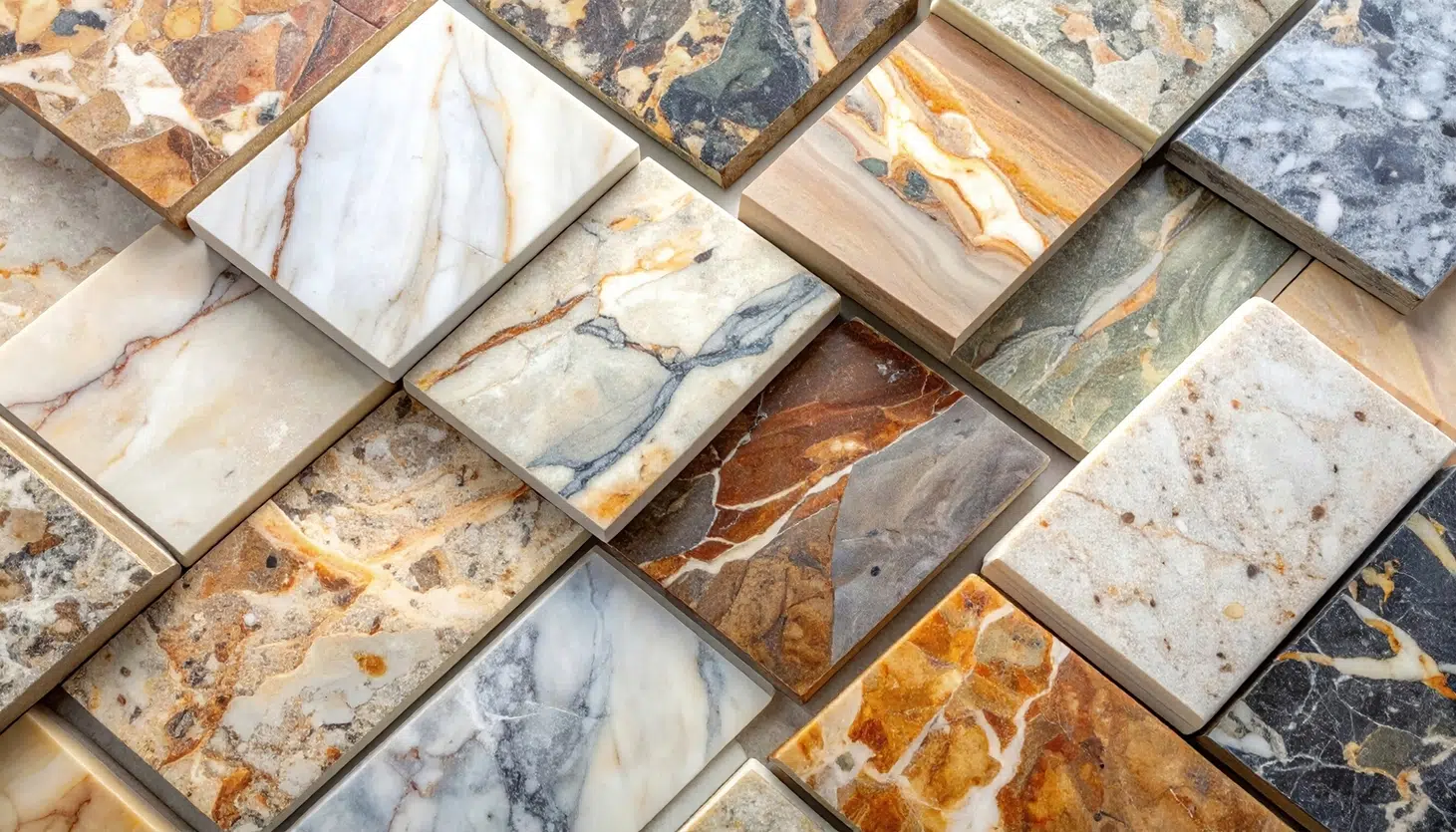
Flooring influences how a room looks, feels, and functions every day, so appearance should not become the only consideration when selecting a material. Marble tiles can create a distinctive surface with natural variation, but their suitability depends on how the space will be used and maintained.
Property owners should therefore consider the practical demands of the room alongside the visual effect they want to achieve. Comparing these priorities before choosing floor tiles can make the decision more relevant to the property’s actual needs.
1. How Much Visual Impact Do You Want From the Floor?
Marble can become a prominent design feature because each piece can display its own veining, colour variation and natural character. This can help create a distinctive appearance across living areas, entrances or other visible spaces.
However, a strong natural pattern can also influence the rest of the room. Furniture, wall finishes and decorative elements may need to work around the flooring rather than compete with it.
Look at samples in the context of the intended room where possible. Consider the scale of the space, available lighting and surrounding colours before deciding whether a particular marble appearance will remain suitable beyond the initial impression.
2. How Will the Floor Be Used Each Day?
A floor in a quiet bedroom faces different demands from one in a busy entrance, kitchen or shared living area. Consider foot traffic, furniture movement, cleaning frequency, and the likelihood of spills before choosing the material.
Marble tiles may suit spaces where their appearance receives careful attention, but the property’s daily routine should guide the decision. A high-use area requires a flooring choice that aligns with the owner’s willingness to maintain it.
Think about how the room operates during an ordinary week rather than how it looks during an occasional gathering. This helps keep the material choice grounded in practical use.
Pros vs Considerations
| Pros | Considerations |
| Natural patterns create visual character | Pattern variation needs to be considered across the whole installation |
| Can create an upscale interior appearance | The surface requires appropriate care and maintenance |
| Available in different colours and finishes | The selected finish should match the room’s use |
| Can work across several interior styles | Installation requires proper planning and preparation |
3. What Level of Maintenance Fits Your Routine?
The amount of care a floor receives can affect how suitable a material remains over time. Marble requires appropriate cleaning and maintenance practices, particularly when the owner wants to preserve its appearance.
Consider who will clean the floor, how frequently the space receives heavy use, and whether the household can follow the recommended care routine. Cleaning products should also be selected carefully rather than assuming that every household floor cleaner will suit natural stone.
Maintenance expectations should form part of the initial purchasing decision. A visually appealing floor becomes less practical if its care requirements do not match the owner’s routine.
4. What Does the Installation Involve?
Choosing floor tiles also means considering the conditions required for proper installation. The subfloor should provide an appropriate base, while tile dimensions, layout, and alignment can affect the finished result.
Large areas may require careful planning around rooms, doorways and transitions between different flooring materials. The layout can also determine how visible natural variations become across the space.
Discuss the installation requirements before finalising the material. Understanding preparation, measurements and finishing details can help prevent the design from changing unexpectedly during the project.
5. Will the Choice Still Suit the Space Later?
Flooring usually remains in place for years, so the decision should account for longer-term preferences rather than current trends alone. Consider whether the chosen marble pattern works with furniture that may change and whether the room could serve a different purpose later.
Think about the property’s wider design as well. A floor that works with the current interior may become restrictive if future renovations introduce substantially different colours or materials.
Long-term suitability does not mean choosing the most neutral option. It means understanding how the selected floor is likely to interact with the space as the property evolves.
Before Finalising the Flooring
The right floor tiles should fit the room’s visual direction, daily demands, maintenance routine, and installation conditions. Marble tiles can offer strong visual character, but that advantage becomes more useful when the material also suits how the space will function over time.
Contact Soon Bee Huat Trading to discuss marble tiles and flooring options that match your space, usage requirements, and renovation plans.