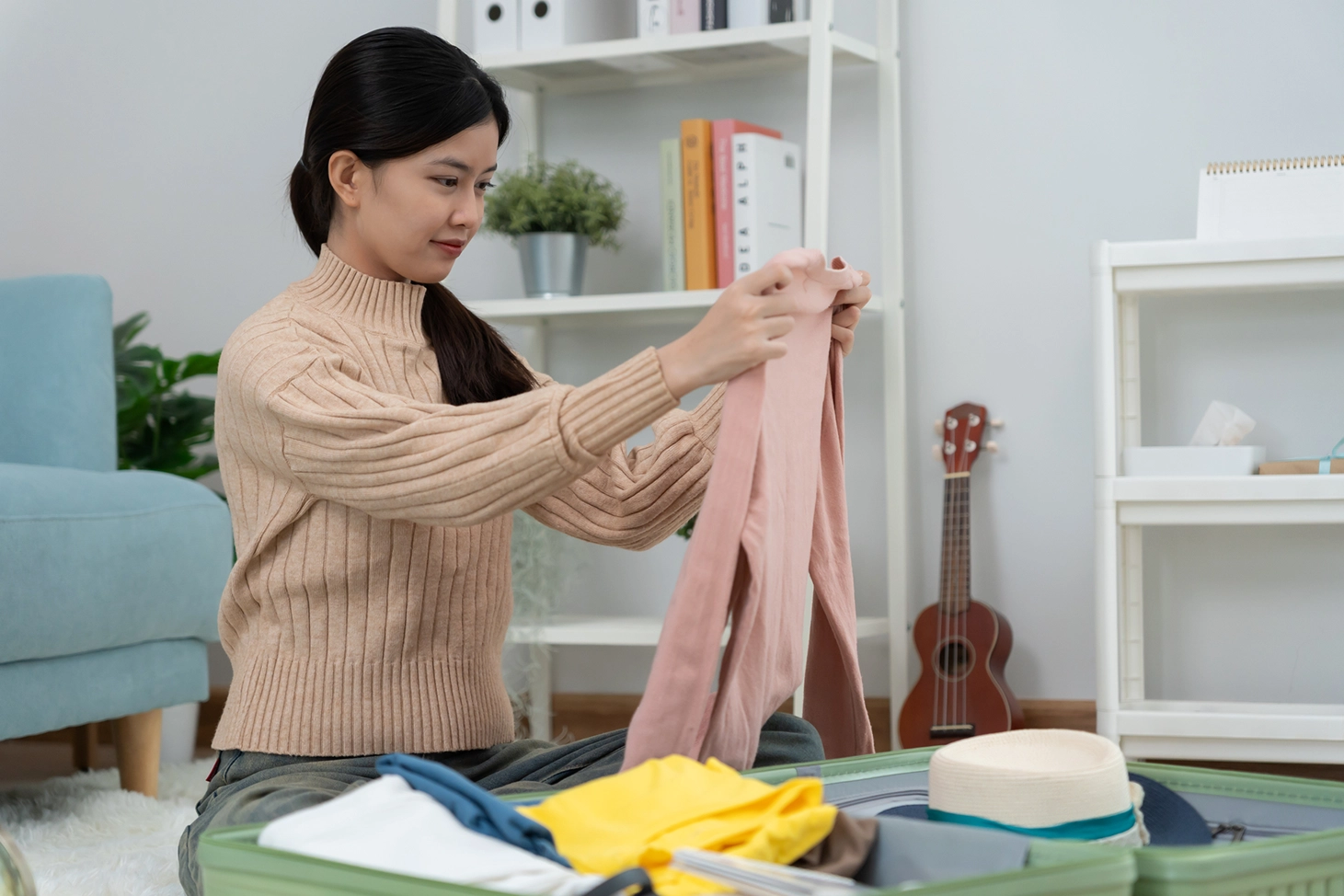
Packing efficiently can make travel more organized and reduce unnecessary stress during a trip. One of the easiest ways to maximize luggage space is by folding clothes strategically rather than simply placing them into a suitcase. Different folding methods can help reduce wrinkles, improve visibility, and create additional room for travel essentials.
Whether preparing for a weekend getaway or a longer vacation, this article will help understanding a few practical folding techniques can make a noticeable difference when packing.
Preparing Beachwear and Lightweight Clothing
Before choosing a folding method, it helps to separate clothing by type. Beachwear, swimsuits, cover-ups, and lightweight fabrics often require less space than heavier garments and can be packed differently to improve organization.
This approach is particularly useful when traveling to coastal destinations where multiple outfit changes may be needed throughout the day. Organizing lightweight items first creates a foundation for more efficient packing and makes frequently used clothing easier to access.
The Flat Fold Method
The flat fold is one of the simplest packing techniques and works well for shirts, dresses, and casual tops. The garment is laid flat, folded neatly along its natural seams, and stacked inside the suitcase.
This method helps maintain a clean appearance and can reduce deep creases when clothing is packed carefully. It is especially useful for garments that wrinkle easily and benefit from remaining relatively flat during transport.
The Rolling Method
Rolling clothes is a popular packing technique because it can help save space while keeping items visible. Shirts, shorts, and casual wear are rolled into compact cylinders and placed side by side inside the suitcase.
Many travelers prefer this method because it allows them to see individual items without disturbing the entire bag. Rolling can also be practical when packing for active holidays that require multiple clothing changes.
The Bundle Wrapping Method
Bundle wrapping involves layering clothing around a central core item to create a single compact package. This technique can help minimize wrinkles because garments are folded less sharply than with traditional methods.
The process requires slightly more preparation but can be beneficial for longer trips where maintaining clothing appearance is important. Larger garments such as jackets and dresses often work well within a bundle-wrapping system.
The Military Roll Technique
The military roll is a tighter variation of the standard rolling method. Clothes are folded inward before being rolled firmly into compact shapes that take up minimal space.
This technique is commonly used when luggage capacity is limited. The tighter structure helps prevent clothing from shifting during travel and can make it easier to fit more items into a suitcase or backpack.
Folding Clothes by Outfit
Rather than folding individual garments separately, some travelers prefer organizing complete outfits together. Shirts, shorts, undergarments, and accessories for a single day can be folded and grouped into one section.
This method simplifies packing and unpacking, particularly during trips that involve multiple destinations or frequent accommodation changes. Having outfits organized in advance can also reduce the time spent searching through luggage.
Using Packing Cubes Effectively
Packing cubes do not replace folding methods but can improve organization when used alongside them. Clothes can be folded or rolled before being placed into separate cubes according to category or purpose.
Many travelers use one cube for casual wear, another for swimwear, and another for evening clothing. This system keeps luggage organized and makes it easier to locate specific items throughout a trip.
Folding Bulky Clothing Items
Bulky garments such as hoodies, sweaters, and jackets often require a different approach from lighter clothing. Folding them into compact rectangular shapes helps maximize available luggage space while maintaining organization.
When traveling to destinations with varying weather conditions, placing bulkier items at the bottom of the suitcase can help create a stable packing foundation for lighter garments placed above them.
Organizing Clothes for Adventure Travel
Adventure-focused travel often requires a combination of activewear, casual clothing, and specialized gear. Efficient folding methods can help create additional space for equipment, footwear, and travel accessories.
If you are planning outdoor activities near destinations such as the famous Sumbawa waterfall, organized packing can make it easier to separate hiking clothes, swimwear, and everyday travel outfits while maintaining easy access to each category.
Maximizing Suitcase Space for Longer Trips
Longer trips often require careful space management. Combining multiple folding techniques can help travelers fit additional clothing into a suitcase without creating excessive clutter.
Some travelers use flat folds for wrinkle-prone items while rolling casual garments and activewear. Mixing techniques allows luggage space to be used more efficiently while keeping belongings organized throughout the journey.
Accommodation style can also influence packing choices. Guests staying at places such as Mocean Beach Resort may pack differently depending on planned activities, ranging from beachwear and casual clothing to activewear for outdoor excursions.
Common Packing Mistakes to Avoid
Even effective folding methods can become less useful when packing mistakes occur. Overpacking, mixing clean and dirty clothing, and leaving unused spaces between garments can reduce overall efficiency.
Taking time to fold clothes consistently and organize items by category often results in a more manageable suitcase. Small adjustments to packing habits can improve accessibility and help maintain organization throughout a trip.
Conclusion
Folding clothes efficiently is one of the simplest ways to improve the packing process. Techniques such as flat folding, rolling, bundle wrapping, and outfit organization each offer advantages depending on the type of trip and luggage available.
By selecting appropriate folding methods and combining them with thoughtful organization, travelers can maximize suitcase space, reduce wrinkles, and make it easier to access clothing during their journey. Small improvements in packing habits often lead to a more organized and convenient travel experience.
6 Simple Ways To Fold Clothes When Packing
Packing efficiently can make travel more organized and reduce unnecessary stress during a trip. One of the easiest ways to maximize luggage space is by folding clothes strategically rather than simply placing them into a suitcase. Different folding methods can help reduce wrinkles, improve visibility, and create additional room for travel essentials.
Whether preparing for a weekend getaway or a longer vacation, this article will help understanding a few practical folding techniques can make a noticeable difference when packing.
Preparing Beachwear and Lightweight Clothing
Before choosing a folding method, it helps to separate clothing by type. Beachwear, swimsuits, cover-ups, and lightweight fabrics often require less space than heavier garments and can be packed differently to improve organization.
This approach is particularly useful when traveling to coastal destinations where multiple outfit changes may be needed throughout the day. Organizing lightweight items first creates a foundation for more efficient packing and makes frequently used clothing easier to access.
The Flat Fold Method
The flat fold is one of the simplest packing techniques and works well for shirts, dresses, and casual tops. The garment is laid flat, folded neatly along its natural seams, and stacked inside the suitcase.
This method helps maintain a clean appearance and can reduce deep creases when clothing is packed carefully. It is especially useful for garments that wrinkle easily and benefit from remaining relatively flat during transport.
The Rolling Method
Rolling clothes is a popular packing technique because it can help save space while keeping items visible. Shirts, shorts, and casual wear are rolled into compact cylinders and placed side by side inside the suitcase.
Many travelers prefer this method because it allows them to see individual items without disturbing the entire bag. Rolling can also be practical when packing for active holidays that require multiple clothing changes.
The Bundle Wrapping Method
Bundle wrapping involves layering clothing around a central core item to create a single compact package. This technique can help minimize wrinkles because garments are folded less sharply than with traditional methods.
The process requires slightly more preparation but can be beneficial for longer trips where maintaining clothing appearance is important. Larger garments such as jackets and dresses often work well within a bundle-wrapping system.
The Military Roll Technique
The military roll is a tighter variation of the standard rolling method. Clothes are folded inward before being rolled firmly into compact shapes that take up minimal space.
This technique is commonly used when luggage capacity is limited. The tighter structure helps prevent clothing from shifting during travel and can make it easier to fit more items into a suitcase or backpack.
Folding Clothes by Outfit
Rather than folding individual garments separately, some travelers prefer organizing complete outfits together. Shirts, shorts, undergarments, and accessories for a single day can be folded and grouped into one section.
This method simplifies packing and unpacking, particularly during trips that involve multiple destinations or frequent accommodation changes. Having outfits organized in advance can also reduce the time spent searching through luggage.
Using Packing Cubes Effectively
Packing cubes do not replace folding methods but can improve organization when used alongside them. Clothes can be folded or rolled before being placed into separate cubes according to category or purpose.
Many travelers use one cube for casual wear, another for swimwear, and another for evening clothing. This system keeps luggage organized and makes it easier to locate specific items throughout a trip.
Folding Bulky Clothing Items
Bulky garments such as hoodies, sweaters, and jackets often require a different approach from lighter clothing. Folding them into compact rectangular shapes helps maximize available luggage space while maintaining organization.
When traveling to destinations with varying weather conditions, placing bulkier items at the bottom of the suitcase can help create a stable packing foundation for lighter garments placed above them.
Organizing Clothes for Adventure Travel
Adventure-focused travel often requires a combination of activewear, casual clothing, and specialized gear. Efficient folding methods can help create additional space for equipment, footwear, and travel accessories.
If you are planning outdoor activities near destinations such as the famous Sumbawa waterfall, organized packing can make it easier to separate hiking clothes, swimwear, and everyday travel outfits while maintaining easy access to each category.
Maximizing Suitcase Space for Longer Trips
Longer trips often require careful space management. Combining multiple folding techniques can help travelers fit additional clothing into a suitcase without creating excessive clutter.
Some travelers use flat folds for wrinkle-prone items while rolling casual garments and activewear. Mixing techniques allows luggage space to be used more efficiently while keeping belongings organized throughout the journey.
Accommodation style can also influence packing choices. Guests staying at places such as Mocean Beach Resort may pack differently depending on planned activities, ranging from beachwear and casual clothing to activewear for outdoor excursions.
Common Packing Mistakes to Avoid
Even effective folding methods can become less useful when packing mistakes occur. Overpacking, mixing clean and dirty clothing, and leaving unused spaces between garments can reduce overall efficiency.
Taking time to fold clothes consistently and organize items by category often results in a more manageable suitcase. Small adjustments to packing habits can improve accessibility and help maintain organization throughout a trip.
Conclusion
Folding clothes efficiently is one of the simplest ways to improve the packing process. Techniques such as flat folding, rolling, bundle wrapping, and outfit organization each offer advantages depending on the type of trip and luggage available.
By selecting appropriate folding methods and combining them with thoughtful organization, travelers can maximize suitcase space, reduce wrinkles, and make it easier to access clothing during their journey. Small improvements in packing habits often lead to a more organized and convenient travel experience.