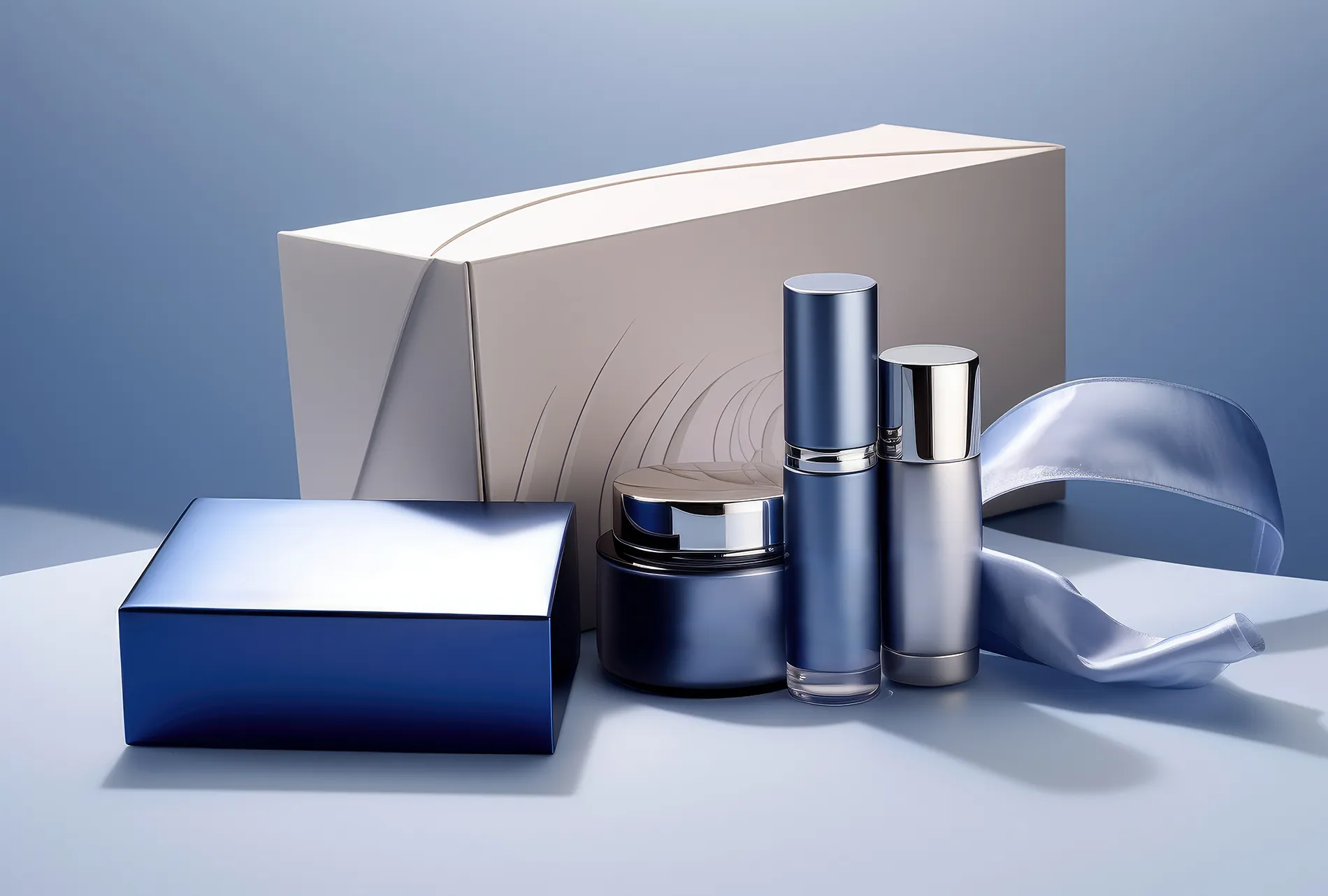
First impressions start before the jar is opened. When a shopper lifts your serum box, the texture, weight, and finish silently grade your brand—and 72 percent of buyers say that split-second judgment decides the sale. Luxury beauty leaves no room for chance, so you need cosmetic packaging design companies that treat the box as part of the formula. We audited dozens of global partners for design flair, eco credentials, service depth, material mastery, client results, and scale. The seven leaders below earned places on your shortlist.
How we selected the top packaging design companies
We wanted more than glossy marketing claims. We needed proof that a partner can elevate a luxury beauty launch and keep promises on timing, quality, and sustainability.
So we built a six-point scorecard and weighted each factor by how much it matters at the beauty counter. Design ingenuity tops the list because breakthrough structures and finishes grab attention in seconds. Eco leadership follows close behind; luxury shoppers increasingly judge brands by their climate conscience, and 72 percent say packaging shapes the final purchase decision.
For transparency, here’s the rubric we applied to every candidate:
- Design ingenuity and awards (25 percent)
- Sustainability and certifications (20 percent)
- Service scope (15 percent)
- Luxury materials mastery (15 percent)
- Client results and case studies (15 percent)
- Global logistics and scalability (10 percent)
Each company earned a one-to-ten score in every category, multiplied by the weight above for a total out of 100. The math kept bias out and let the data speak.
Only seven firms cleared our bar: a proven luxury portfolio, standout creativity, credible eco credentials, and the capacity to serve worldwide launches or provide boutique, end-to-end service. Names that focus only on shipping boxes, lack cosmetics experience, or haven’t backed up “green” claims were cut from consideration.
With that groundwork set, let’s meet the leaders and see why they deserve a spot on your shortlist.
1. Zenpack – boutique end-to-end brilliance
Zenpack was cofounded by four friends in San Jose in 2015, but “small” never capped its ambition. Today, the studio-manufacturer operates in California, New York, and Taipei, giving founders face-to-face design sessions on Monday and press-ready prototypes by Friday. That pace comes from a Kongsberg X22 cutting table inside its design lab that turns fresh dielines into showroom-worthy mock-ups in a single workday.
Zenpack cosmetic packaging design website screenshot
Fresh thinking extends beyond hardware. Zenpack engineers boxes that feel like stagecraft: picture floating acrylic cradles or all-paper child-safe locks that click with the satisfaction of a watch clasp. Every detail starts with the unboxing moment, then works backward through logistics and shelf impact to make sure drama never compromises durability.
Sustainability stays in the same brainstorm. The team chooses mono-material boards, FSC paper, and tight dieline nesting that cuts waste without dulling aesthetics. Luxury skincare clients get less plastic, lighter freight bills, and a story your marketing team can share with pride.
Add iF Design and Pentaward wins to the résumé, and you have a partner that outperforms its size. Zenpack may not match the production muscle of a multinational, yet if you need couture-level creativity, rapid iteration, and white-glove project management in one place, start here.
2. Albéa – the global powerhouse reimagining sustainable glamour
Walk any beauty aisle, and odds are you have already met Albéa. With more than 30 factories across four continents, the French group turns out mascara wands, lipstick bullets, and luxury jars at a pace few can match. Scale, however, is only part of the story.
Albéa pairs its manufacturing muscle with a restless design culture. The Polaris refill jar twists open with one hand, swaps inserts in seconds, and locks again with a jewel-like click. Everyday components receive the same meticulous polish, turning routine packaging into pocket-sized feats of engineering.
Sustainability is woven into that polish. Albéa’s RecyMakeUp program guides brands through material choices that meet recyclability targets without dulling shelf appeal. Recycled plastic tubes, mono-material pumps, and low-carbon supply chains move eco goals from slide decks to store shelves.
Luxury clients lean on Albéa for peace of mind. Whether you need a million airless pumps delivered to five continents or a boutique run of metallized lipstick cases for a capsule launch, the company’s global network keeps lead times tight and quality interchangeable from Paris to São Paulo.
Choose Albéa when flawless execution at massive scale tops your wish list, and when you still want sustainability and tactile delight baked into every piece.
3. AptarGroup – precision pumps that whisper luxury
Luxury skincare lives or dies by a single touch. Press a serum pump and the dose must glide onto skin in a perfect pearl, not a splatter. That flawless moment is AptarGroup’s specialty.
From its Illinois headquarters, Aptar runs factories in 18 countries, yet every component feels handcrafted. The fully recyclable Future pump, for example, replaces the usual metal spring with engineered plastic, turning a recycling headache into a curb-side-ready part without sacrificing that velvet-smooth actuation customers love.
Fragrance houses lean on Aptar’s atomizers to create signature clouds that linger just long enough. Makeup brands trust its airless jars to protect actives from the first scoop to the last swipe. Behind each device sits a vault of patents and a materials lab tuned to the strict tolerances luxury formulas demand.
Aptar’s advantage shows when scale meets speed. Need millions of identical pumps in six weeks? The global footprint and aerospace-level quality controls keep timelines tight and colour consistency locked. If your brand promise depends on a perfect click, mist, or dose every time, Aptar turns mechanical performance into a sensory selling point.
4. HCP packaging – couture craft for collectible cosmetics
Pick up a luxury compact and snap it shut. That crisp click, the mirror-finish lid, the weight that feels like jewelry—this is HCP’s handiwork.
For decades, the company has obsessed over the small mechanics others overlook. Magnetic closures align lids flawlessly. Metallized lipstick tubes glide with watchmaker precision. Even mascara wipers are tuned so each brush emerges with the exact load needed for runway-ready lashes.
Craft doesn’t stop at feel. HCP’s EcoRange swaps virgin plastic for high-PCR resins and adds refillable inserts without extra bulk. The result is packaging that satisfies both glamour seekers and sustainability checklists.
With production sites across Asia, Europe, and the United States, HCP keeps quality identical from batch 1 to 1 million. Luxury brands like Fenty and Armani rely on that consistency to deliver global launches where every unit must look and feel perfect.
Choose HCP when tactile indulgence is non-negotiable, and when you want eco upgrades engineered so well your customer notices only the luxury, never the compromise.
5. Quadpack – sustainable luxury, shaped by nature
Quadpack proves that eco credentials and elegance can share the same vanity shelf. Headquartered in Barcelona and certified as a B Corporation, the company builds premium components that feel earthy, look refined, and satisfy the strictest sustainability auditors.
Quadpack sustainable luxury cosmetic packaging website screenshot
Its signature Woodacity caps replace plastic threads with precision-milled wood, creating an audible click that feels artisanal yet seals like engineering-grade polymer. The Canvas Airless system goes further, housing active serums in a bag-in-bottle structure that uses 15 percent less plastic while still protecting formulas from light and oxygen.
Quadpack’s wood factory sits next door to its design studio, so ideas travel meters, not oceans. Local sourcing trims carbon footprints and gives European brands a faster, lower-emission supply chain. For global labels, satellite hubs in the United States and Asia replicate the same quality closer to market.
Clean beauty founders love the ready-to-customize “eco-luxe” stock line, while heritage houses tap Quadpack for bespoke hybrids such as wood-glass jars and cork-topped perfumes that tell an authentic sustainability story without dulling the brand’s high-end aura.
Choose Quadpack when your brief reads “luxury with a conscience,” and your customers demand proof, not platitudes.
6. Pearlfisher – visionary design for brands that want to stand out
Some agencies decorate packages; Pearlfisher reshapes how consumers perceive an entire category. With studios in London and New York, the B Corp team blends cultural insight with bold aesthetics to build packaging that people collect, photograph, and share long after the product is empty.
Pearlfisher brand and packaging design agency website screenshot
The process starts with strategy, not surface. Researchers map evolving beauty rituals, then designers turn those findings into forms, colours, and materials that feel inevitable on sight. Think BYOMA’s translucent technicolour bottles or the sculptural lines of a cult fragrance. Each began as a sketch on Pearlfisher’s pinboard.
Sustainability runs through every brief. The team suggests mono-material structures, low-impact inks, and refill-ready architectures so clients avoid greenwashing traps before the first prototype. Because Pearlfisher focuses on concept, they partner with manufacturers such as Albéa or Quadpack to bring the vision to life, giving brands access to reliable production without compromising creativity.
Choose Pearlfisher when you want packaging that does more than sit pretty; they craft icons that earn attention on crowded shelves and tell a story customers are proud to share.
7. WWP beauty – turnkey speed for fast-moving brands
WWP Beauty is the Swiss Army knife of cosmetic packaging. Need a refillable stick, a PCR mascara component, or an entire clean-beauty kit ready for retail? The team can concept, engineer, and manufacture everything under one roof, then ship it to three continents on a synchronized launch date.
WWP Beauty turnkey cosmetic packaging solutions website screenshot
The advantage lies in its stock design library. Dozens of ready-to-customize components, such as airless pumps, mono-material compacts, and bio-resin tubes, let startups skip six months of tooling yet debut packaging that feels bespoke. For larger brands, WWP’s engineers tweak those bases or build fresh molds to meet exacting luxury standards.
Sustainability is not a side project. The company publishes annual impact reports, tracks recycled-content percentages, and embeds carbon-reduction targets into every new line. When a client wants verifiable eco claims, WWP provides data sheets instead of glossy slogans.
Global reach keeps timelines sane. With operations in the United States, Asia, and Europe, WWP can pivot production if freight lanes clog or demand spikes. That resilience matters when an influencer review turns a niche launch into an overnight bestseller.
Choose WWP Beauty when speed-to-market, sustainability, and one-stop convenience top your brief. They turn bold ideas into shelf-ready reality without the usual coordination circus.
Conclusion
Luxury beauty packaging now carries the same weight as the formula inside the bottle. Customers judge texture, sustainability, functionality, and craftsmanship before they test a serum or lipstick, which means the right packaging partner can directly shape brand perception and sales momentum.
The seven companies above each excel in different ways. Zenpack stands out for boutique creativity and rapid prototyping, while Albéa and AptarGroup dominate large-scale global manufacturing with engineering precision. HCP Packaging focuses on tactile luxury, Quadpack leads in eco-conscious innovation, Pearlfisher delivers category-defining brand storytelling, and WWP Beauty offers turnkey speed for fast-growing brands.
The best choice depends on your priorities. If you need couture-level unboxing experiences, boutique collaboration may matter most. If global rollout consistency, refill systems, or sustainability reporting top your list, larger international networks may be the smarter fit. Either way, investing in premium packaging is no longer optional for luxury beauty brands—it is part of the product itself.
FAQ
What do cosmetic packaging design companies actually do?
Cosmetic packaging design companies handle everything from structural engineering and branding to material sourcing, prototyping, sustainability planning, and manufacturing coordination. Many also manage logistics, compliance testing, and retail-ready production for global launches.
How much does luxury cosmetic packaging cost?
Costs vary widely depending on materials, finishes, order volume, and customization. Simple stock packaging with branding may cost under a dollar per unit, while fully bespoke luxury packaging with specialty finishes, magnetic closures, glass components, or refill systems can cost several dollars per piece before tooling expenses.
What packaging materials are most popular for luxury beauty brands?
Luxury beauty brands commonly use glass, aluminum, FSC-certified paperboard, PCR plastics, wood accents, acrylics, and refillable systems. Many companies now prioritize mono-material structures and recyclable components to support sustainability goals.
How long does custom cosmetic packaging development take?
A fully custom luxury packaging project typically takes three to nine months depending on complexity, tooling requirements, testing, and manufacturing scale. Brands using semi-custom stock packaging can often shorten timelines significantly.
What is PCR packaging in cosmetics?
PCR stands for post-consumer recycled material. These plastics are made from recycled consumer waste and help reduce reliance on virgin plastic while supporting sustainability targets.
Which cosmetic packaging company is best for sustainability?
Several companies on this list prioritize sustainability, but Quadpack and Albéa are especially recognized for refill systems, recyclable materials, low-carbon initiatives, and eco-focused innovation programs.
Can small beauty brands work with luxury packaging companies?
Yes. Companies such as Zenpack and WWP Beauty offer flexible solutions for startups and indie beauty brands, including lower minimum order quantities, stock component customization, and end-to-end project support.