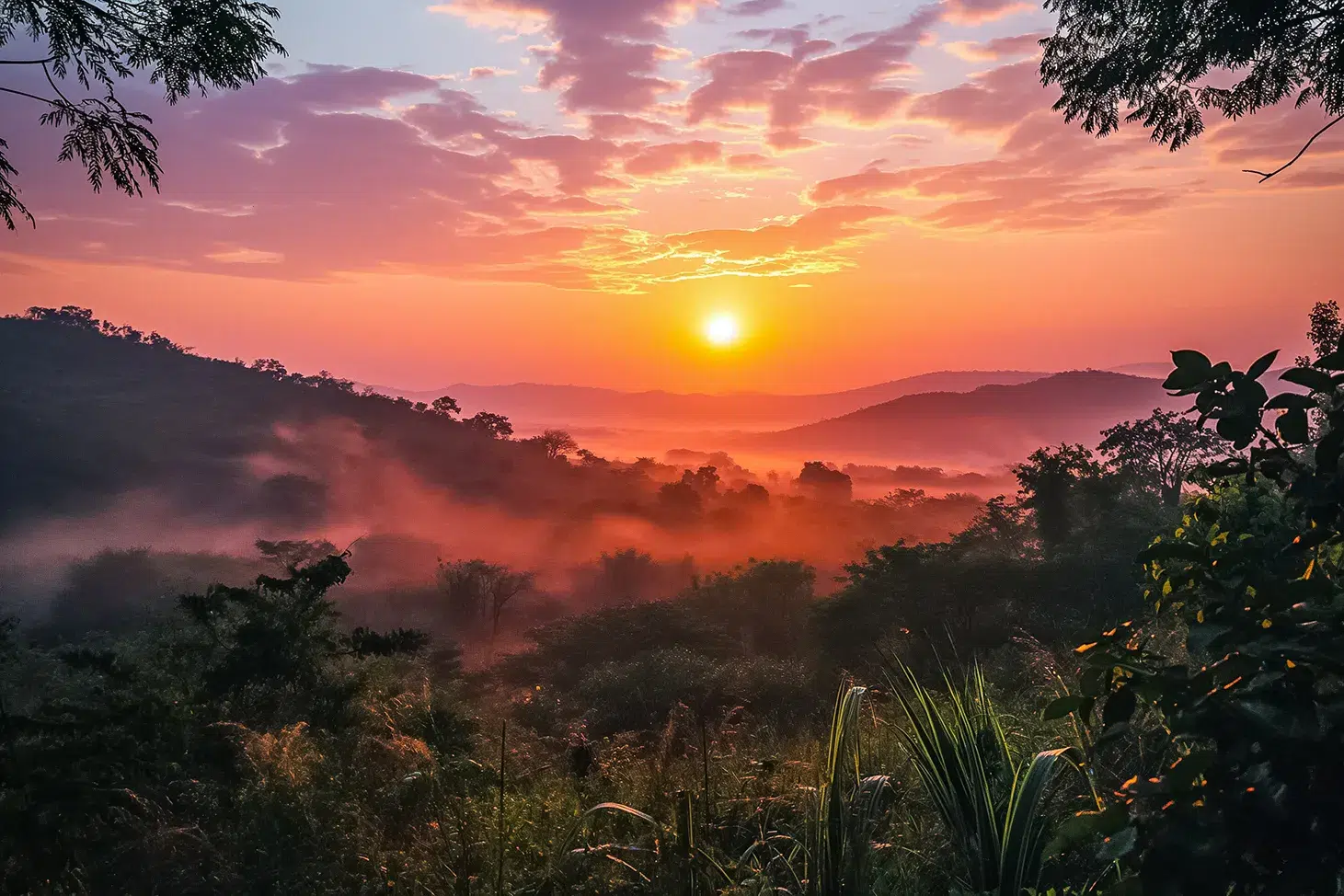
Uganda, often called the Pearl of Africa, offers an extraordinary blend of wildlife, culture, and natural beauty that captivates travelers from around the world. However, like any international destination, proper preparation can make the difference between a good trip and an unforgettable adventure. Before you pack your bags for this East African gem, here are seven essential things you should know to ensure your journey is smooth, safe, and spectacular.
Visa Requirements Are Straightforward But Must Be Arranged in Advance
Most international visitors can obtain a visa on arrival at Entebbe International Airport, but applying online beforehand saves considerable time and hassle. The e-visa system is user-friendly and typically processes applications within three business days. Your passport should have at least six months of validity remaining and at least two blank pages for stamps.
The standard tourist visa costs $50 and allows stays of up to 90 days. If you’re planning to visit neighboring Kenya or Rwanda as well, consider the East African Tourist Visa for $100, which grants multiple entries across all three countries for 90 days. Keep digital and printed copies of your visa approval with you at all times during your travels.
Gorilla Trekking Permits Require Early Booking
Mountain gorilla trekking in Bwindi Impenetrable Forest or Mgahinga Gorilla National Park is often the centerpiece of Uganda tours, but permits are limited and highly sought after. Only eight people can visit each gorilla family per day, and with just a few habituated families available, permits sell out months in advance, especially during peak seasons from June to September and December to February.
Each permit costs $700 per person, a significant investment that directly supports conservation efforts and local communities. Book at least four to six months ahead through the Uganda Wildlife Authority or a reputable tour operator. The experience of sitting mere feet from these magnificent creatures in their natural habitat is worth every penny and every bit of planning.
Health Precautions Are Non-Negotiable
Yellow fever vaccination is mandatory for entry into Uganda, and you’ll need to present your vaccination certificate at immigration. Beyond this requirement, several other vaccinations are strongly recommended, including hepatitis A and B, typhoid, and routine immunizations. Consult a travel medicine specialist at least six weeks before departure.
Malaria is present throughout Uganda, so antimalarial medication is essential. Combine this with preventive measures like insect repellent containing DEET, long sleeves during dawn and dusk, and sleeping under mosquito nets. Don’t forget comprehensive travel insurance that covers medical evacuation, as healthcare facilities outside Kampala may be limited.
The Climate Varies Significantly by Region and Season
Uganda straddles the equator, giving it a relatively stable climate year-round, but conditions vary dramatically depending on altitude and location. The lowland areas can be hot and humid, while mountainous regions like Bwindi and the Rwenzori Mountains are considerably cooler, especially at night.
The country experiences two rainy seasons: March to May and October to November. While these months offer lush landscapes and fewer tourists, they can make trekking more challenging with muddy trails. The dry seasons provide easier travel conditions, though wildlife viewing remains excellent throughout the year. Pack layers regardless of when you visit, as temperatures can fluctuate significantly within a single day.
Cash Is King Outside Major Cities
While Kampala and major tourist centers accept credit cards, cash remains the primary currency throughout most of Uganda. US dollars are widely accepted for tourist services, but they must be in good condition and printed after 2013, as older bills are often rejected. The local currency, the Ugandan Shilling, is necessary for smaller purchases, tips, and local markets.
ATMs are available in cities and larger towns, but don’t rely on finding them in remote areas. Withdraw sufficient cash before heading to national parks or rural destinations. Always carry small denominations, as change can be difficult to obtain.
Cultural Sensitivity Opens Doors
Ugandans are remarkably warm and welcoming, but respecting local customs enhances your experience immensely. Dress modestly, especially outside tourist areas, keeping shoulders and knees covered. Always ask permission before photographing people, and be prepared to offer a small tip if they agree.
Learning a few phrases in Luganda or the local language of the region you’re visiting demonstrates respect and often results in broader smiles and more meaningful interactions. A simple “oli otya” (how are you) goes a long way in building connections with local communities.
Conclusion
Uganda offers transformative experiences that stay with travelers long after they return home. By understanding visa requirements, booking gorilla permits early, taking health precautions seriously, preparing for varied climates, carrying adequate cash, and approaching local culture with respect, you’ll position yourself for an incredible adventure. The Pearl of Africa awaits with open arms and unforgettable memories for those who come prepared.