
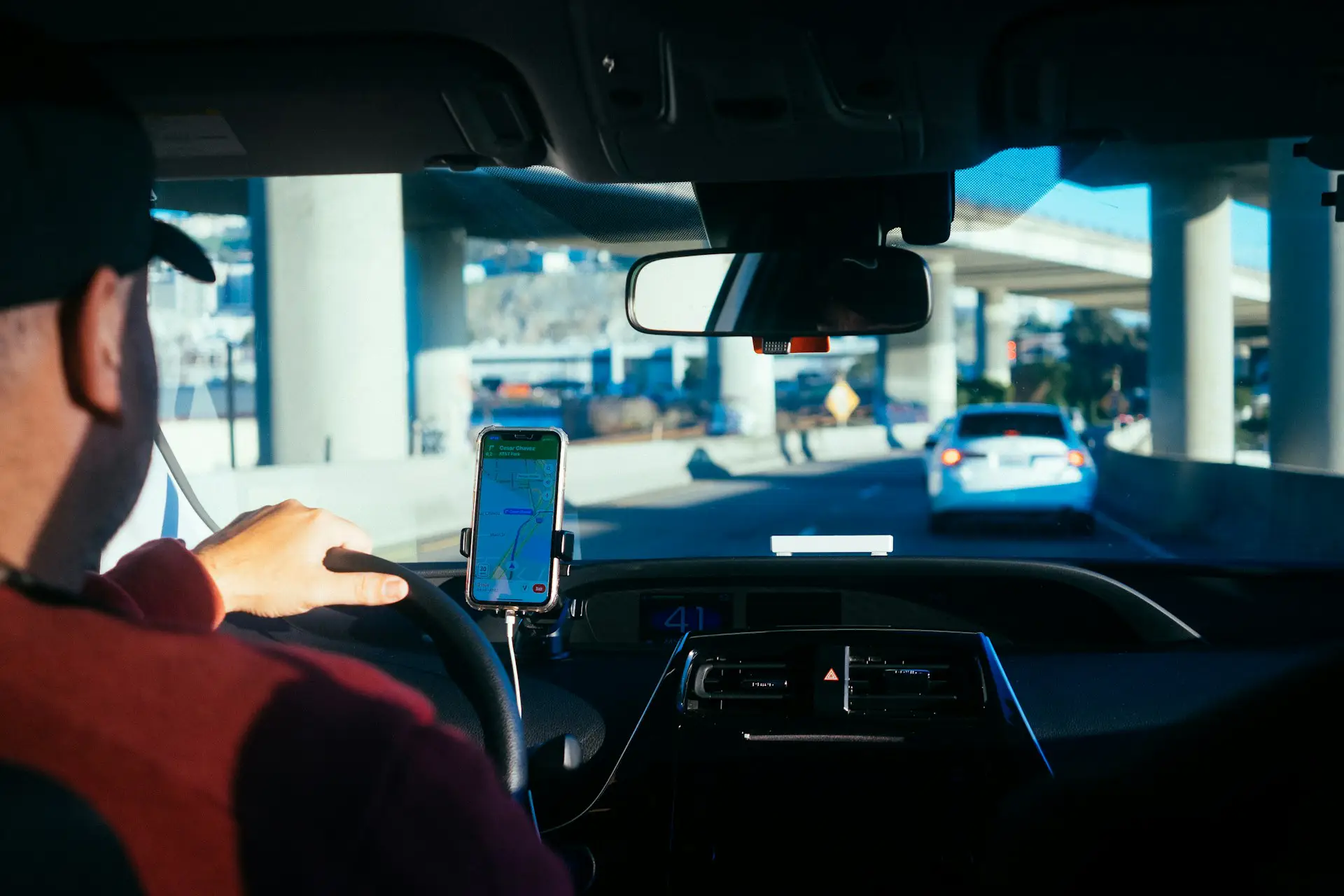
Rideshare crashes in Houston are not resolved through the same insurance process as a standard car accident. Uber and Lyft both operate under a three-tier coverage system that determines which policy applies based on what the driver was doing at the exact moment of the crash. Most injured riders never find out which tier applied to their crash. That gap in knowledge is one of the primary reasons rideshare settlements come in below what the injuries are actually worth.
Harris County ranks among the most active rideshare markets in Texas. The Texas Department of Transportation recorded 67,644 total crashes in Houston in 2023. Rideshare vehicles operate at peak hours on the city’s most congested corridors, including Interstate 10, Loop 610, and the Inner Loop near downtown. Crashes involving rideshare vehicles on these corridors frequently involve multiple insurance policies, multiple parties, and disputed coverage tiers.
Rideshare accident law is a specific focus at Sutliff and Stout in Houston, where attorneys have handled multi-carrier rideshare disputes in Harris County for more than 17 years. Working with a Houston rideshare accident lawyer from the first week after a crash gives injured riders access to the legal tools the coverage system requires. These are seven ways to maximize the settlement after a Houston rideshare crash.
1. Screenshot the App Before Closing It
The app log is the most important piece of evidence in a rideshare crash. It shows when the driver accepted the request, when the passenger entered the vehicle, and when the trip was marked complete. This data determines which coverage tier applied at the moment of impact. Take a screenshot of the trip status, the driver’s name, and the route immediately after the crash. Do not close the app before documenting this information.
2. Request the Full App Log Through Legal Process
Screenshots are a starting point. The complete app log, including GPS timestamps, dispatch records, and trip completion data, must be subpoenaed from Uber or Lyft corporate records through a formal legal process. This data is not voluntarily produced. It requires legal authority to obtain. Retaining a rideshare attorney in the first week gives the legal team the authority to initiate that subpoena before the records become harder to access.
3. Identify Every Available Insurance Policy Before Talking to Any Adjuster
A rideshare crash may involve three separate insurance sources: the at-fault driver’s personal policy, the Uber or Lyft commercial policy, and a third-party driver’s policy if another vehicle caused the crash. Each insurer has an interest in minimizing its share. Each will contact the injured rider separately. Talking to any of them before identifying all available policies means potentially accepting a settlement that excludes coverage the rider never knew existed.
4. Get Medical Care the Same Day and Document the Mechanism of Injury
Emergency records from the treating hospital or urgent care facility are the foundation of the medical damages claim. The physician’s initial note must document that the patient was involved in a rideshare crash and describe how the impact occurred. Without that documentation, insurers argue the injury happened elsewhere. Memorial Hermann Hospital and Houston Methodist both treat rideshare crash injuries and produce records that connect injury findings to the crash event.
5. Do Not Accept the First Settlement Offer Before Treatment Is Complete
Rideshare crash injuries frequently follow a delayed onset pattern. Whiplash, herniated discs, shoulder injuries, and concussion symptoms can appear 24 to 72 hours after the impact. An injured rider who accepts a settlement two weeks after the crash, before specialist care is complete and before the treating physician has produced a written prognosis, is settling for a number that does not include future medical costs. Once the settlement is signed, the claim is permanently closed.
6. Document Non-Economic Damages From the Day of the Crash
Pain and suffering, emotional distress, and anxiety about riding in vehicles after a serious crash are legally recoverable non-economic damages in Texas personal injury cases. They are also the damages that adjusters minimize most aggressively because they lack a corresponding invoice. A daily symptom journal starting from the day of the crash, noting pain levels, physical limitations, sleep disruption, and emotional impact, creates the evidentiary record that supports a non-economic damages argument at settlement or trial.
7. Retain a Rideshare Attorney Who Understands Multi-Carrier Disputes
A general injury attorney who does not regularly handle rideshare cases may not know how to subpoena app log data, structure a claim across multiple coverage tiers, or identify uninsured motorist coverage that applies when the third-party driver carried no insurance. The multi-carrier structure of rideshare claims requires specific knowledge of how Uber and Lyft commercial policies interact with personal auto policies and third-party liability coverage. The difference in outcome between an attorney with rideshare experience and one without it is measurable in the final settlement amount.


