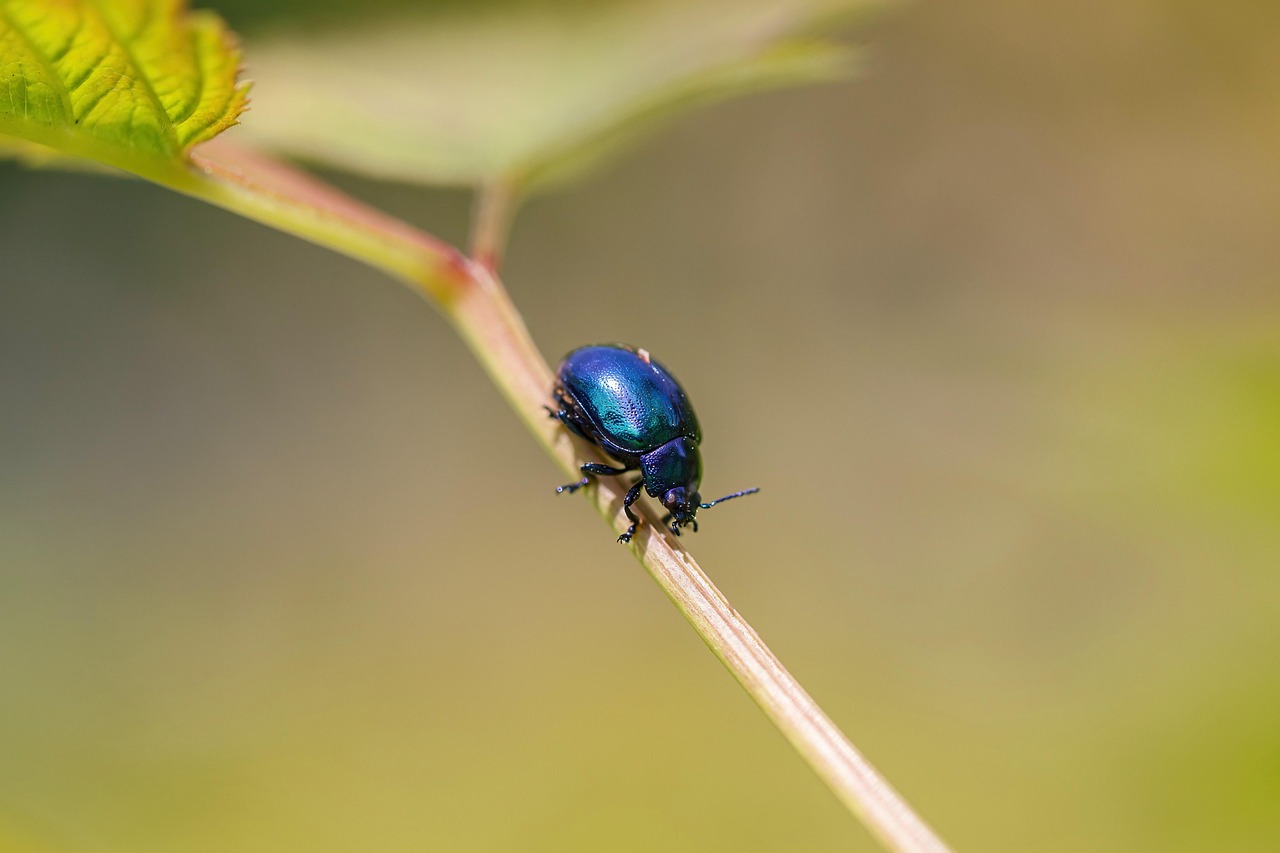
If you find yourself having to deal with unwanted pests, then you already know just how quickly a very small issue can turn into something that is extremely stressful. Whether you find ants in your kitchen, insects invading your outdoor space or rodents making a home in your attic, pest problems will disrupt your comfort as well as your peace of mind.
The good news is that when you have the right pest control approach, you’ll be able to protect your home very efficiently and you won’t have to turn this space into a chemical zone. Modern pest control is no longer just about spraying and then hoping for the best to happen.
Today’s methods are more targeted, smarter and they’re designed to address the root cause of infestation in your home while still keeping the environment safe.
Why pest problems keep coming back
One of the most frustrating parts of having to deal with pests is that when they return after treatment it can be very frustrating. This often happens because the underlying issue was not dealt with.
Pests are attracted to moisture, shelter and food sources if even one of these factors still remain then they will find their way back to the home. For example, having a few crumbs that are left behind, gaps around doors and windows as well as a small leak under the sink will create perfect conditions for pests to start thriving.
Simply eliminating the visible pests without addressing any of the entry points and attractions will lead to a lot of repeated infestations that’s why effective pest control should focus on prevention and not just removal.
The shift toward integrated pest management
Having a more advanced and sustainable approach to your pest control is what is known as integrated pest management. Instead of simply relying very heavily on chemicals, this method often combines multiple strategies in order to manage pests in a much more safer and efficient way.
It begins by doing a thorough inspection of your home so that you can identify exactly where pests are feeding, entering and nesting. From there you can develop a customized plan to seal entry points, reduce moisture and improve sanitation practices while using targeted treatments only when it is necessary.
This type of approach minimizes risk to pets and family while still delivering long lasting results.
Common household pets and what attracts them
Different pests are often drawn to varying conditions, but most interfestations will fall into some common categories. Ants are usually attracted to sugary substances and food residue.
Even the small amount of spill can send them tracking in. Rodents on the other hand usually seek shelter and warmth especially during the cooler seasons of the month
They can squeeze themselves through very small openings and make your home an extremely easy target if they are not properly sealed. Cockroaches are typically drawn to moisture and spaces that are hidden bathrooms, kitchens and cluttered storage areas give the ideal environment for them to start multiplying very rapidly.
Meanwhile, mosquitoes tend to strive in water that is standing. This makes outdoor maintenance just as important as any indoor care that you may do. Understanding what attracts each type of pest is the first step towards making sure that you keep them out.
Prevention starts with simple habits
You don’t need to overhaul your entire home in order to make a huge impact. Small and consistent habits will significantly reduce the risk that you will get infestations. You should start by keeping your kitchen clean and ensure that you are storing your food in sealed containers.
Take out the garbage regularly and try to avoid letting your dishes pile up throughout the night. Fix leaks as soon as they appear because this will ensure that your home has proper ventilation to reduce excess moisture.
Outside, you should try to trim vegetation away from your home’s exterior and eliminate standing water whenever you can. Doing these simple things will remove the conditions that pests need to survive.
When professional help makes a difference
While DIY solutions often work for minor issues, if you have more serious infestations, this will require professional intervention. Experts have the tools, experience, and knowledge to identify any problems that may not be obvious to your untrained eye.
They will often find entry points and then apply treatments in ways that are both safe and effective. Most importantly they will create a long-term plan to ensure that the problem does not happen again.
If you’re dealing with recurring pest problems it is most likely time for you to explore professional solutions like pest control services that are designed to handle both long-term prevention and your immediate concerns.
The importance of safe and responsible treatments
Many homeowners often worry about the safety of the pest control treatments that they use, especially if they have pets or children. This concern is extremely valid but modern pest control methods have evolved in several different ways.
Today’s treatments are much more targeted, meaning that they are applied only where they are necessary instead of across huge spaces. Professionals will also use products that have been designed to be effective against pests while still minimizing animal and human risk.
Communication is always key and a reputable provider will always explain the treatments that they’re using, how they work and any precautions that you will need to take before application is done.
Long-term protection over quick fixes
It can be very tempting to start to look for quick fixes whenever pests begin to appear, but lasting results will often require that you take a strategic approach. Doing ongoing monitoring and maintenance will also play a huge role in helping to keep your home pest free.
Regular inspections will help you to catch issues right before they start becoming major problems. Seasonal treatments will also provide you with added protection, especially during those times when pest activity is at its greatest. Think of pest control as another part of your home’s overall maintenance plan instead of it just being a one-time solution.