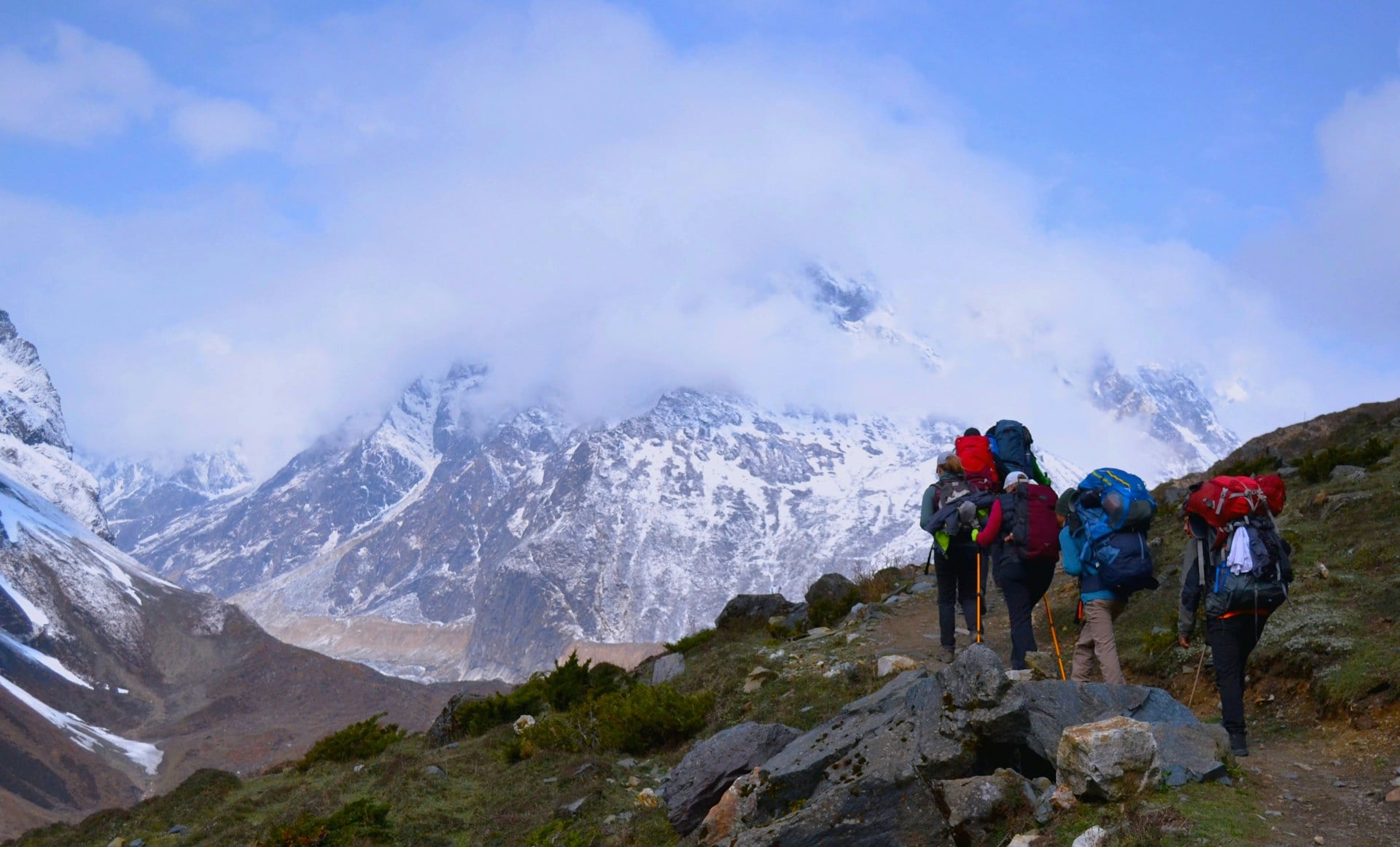
There are destinations in the world where traveling is more than just moving from one point to another. In terms of this description, the Himalayas are considered one of them. Every trail and landscape is shaped by ice, wind, and time, and every summit attempt becomes a test of patience, preparation, and perspective.
Every attempt to reach the towering Himalayas requires not only skills and equipment but also patience and endurance. When trekking through quiet villages of the mountains or climbing towards high altitude peaks, you will be transformed in the way you think, move, and feel.
Usually, adventure travel in the Himalayas unfolds in forms of trekking across scenic trails and pursuing technical summit climbs. These kinds of adventures in the Himalayas offer unique possibilities for exploring magnificent landscapes, but still differ in intensity and skills needed.
Adventurous Treks in the Himalayas
Trekking is the most accessible way of discovering the Himalayas. Every day will be spent exploring beautiful valleys, dense forests, hanging bridges, and high-altitude mountain passes.
Another unique characteristic of trekking is that it provides immersion. It is possible to admire the beauty of the mountains and to feel and perceive them firsthand. Famous routes like the Everest Base Camp Trek, the Annapurna Circuit, and the Manaslu Circuit are full of stunning views and diverse cultural traditions.
During trekking, there is:
- Constant connection with nature
- Exploration of cultures in remote mountain villages
- Step-by-step height gain for easier acclimatization
- Time to think, watch, and enjoy
The most remarkable thing about trekking is that it is slow and steady. It’s about early morning wake-up, long walks, simple overnight stays, and then everything starts again.
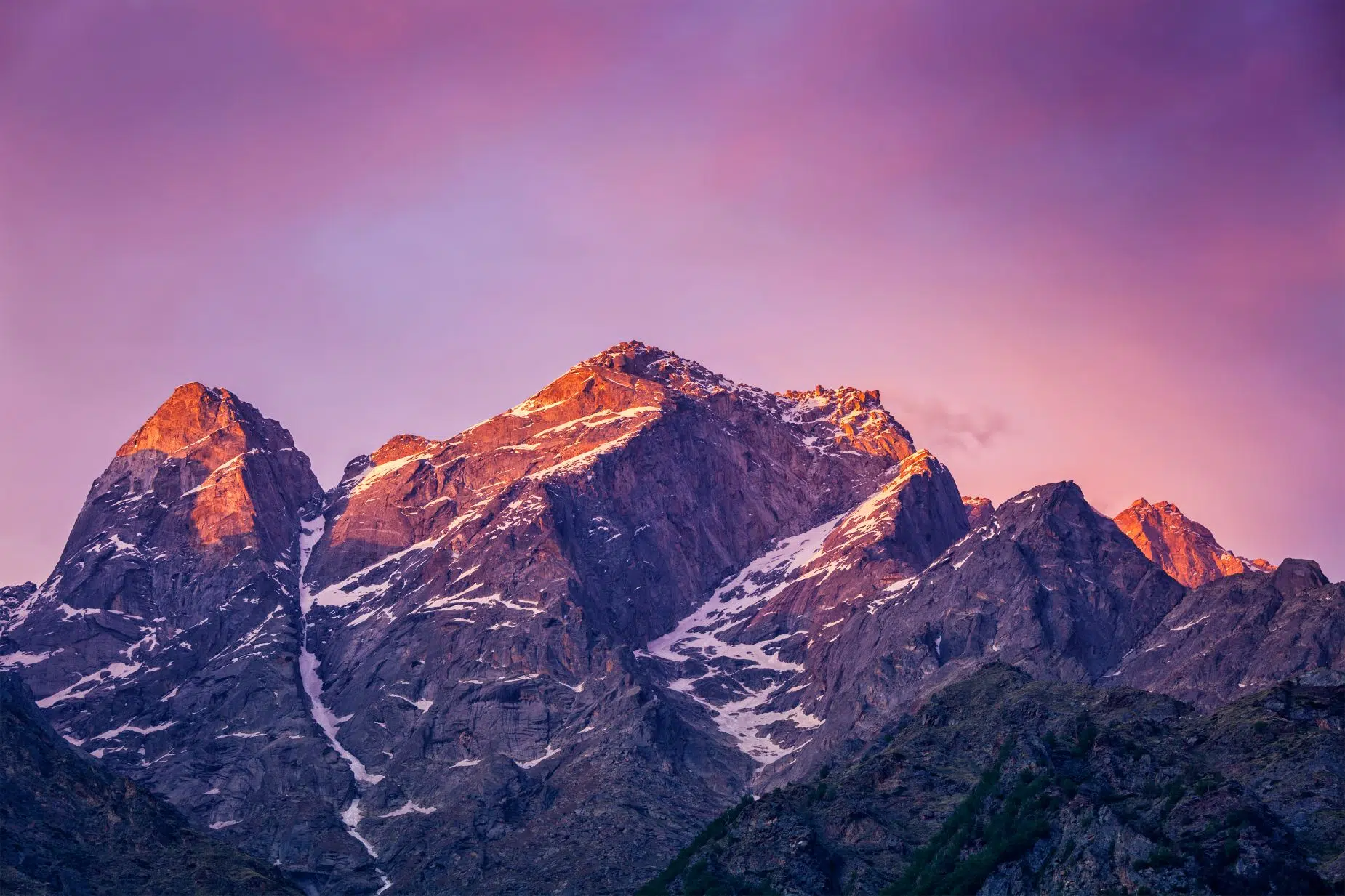
Summit Climbing: Entering the World of High-Altitude Challenge
In the Himalayan region, mountain climbing involves taking up your quest further away from trekking trails into an area where you need skills and experience to survive.
Examples of mountains that can give you a taste of what climbing is all about are the Ama Dablam Expedition, the Everest Expedition, the Manaslu Expedition, the Island Peak Climb, and more. Here, ice walls, rope systems, and extreme weather conditions define the experience.
Summit climbs are structured around expedition logistics. The climbers will set camps at different altitudes, move up to the next camp while acclimatizing, depending on the weather window, physical condition, and logistics.
Summit climb entails:
- A technically challenging environment (ice, snow, and rocks)
- Use of special equipment
- Exposure to high altitude with low oxygen levels
- Proper planning
- Acclimatization schedules
Climbing is a professional undertaking. Even experienced trekkers have difficulties with it when starting off with mountain summiting.
Trekking vs Climbing
The choice between hiking and mountaineering in the Himalayan range depends on what type of experience you wish to enjoy, how well you can prepare for your journey, and your mindset towards it.
Hiking will allow you to walk along valleys, hills, forests, and mountain communities. While it does involve physical exertion and requires some effort, hiking does not demand technical skills. The challenge is still real; long walking days, altitude gain, and changing weather, but it remains accessible and deeply rewarding for most fit travelers.
Trekking is a preferred choice if you wish to spend time in a relaxed way within the mountains while maintaining a balance of natural and cultural immersion and physical activity.
On the other hand, climbing involves taking things one step further and entering a challenging, technical, and risky field of adventure. It is about reaching the extreme altitudes while facing severe weather conditions, ice, and snow, and requiring technical rope work and mountaineering skills to navigate challenging terrain safely.
For those pursuing this adventurous activity, physical and mental preparation will be crucial, as well as some basic mountaineering techniques. The idea is not simply to admire the mountain; rather, it is the engagement as well as experiencing whatever it has to offer.
The Himalayas as a Personal Journey
If you either stroll through the serene valleys or make your way to the distant summits, the Himalayas have something which modern tourism lacks: a perspective on life. When we live in an era characterized by loud noises, rapid movements, and distractions everywhere we look, the presence of the mountains slows everything down to what truly matters. Nothing feels artificial or rushed; instead, everything feels immediate and real.
Both trekking and mountaineering offer varied views of transformation. Through trekking, you can learn about patience through days of walking, in which the connection with nature and culture builds gradually, and at times with oneself. Mountaineering, on the other hand, tests the limits of resilience, patience, and discipline.
Overall, adventure across trails and summit pursuits in the Himalayas can be described as something beyond the physical adventure; it is a personal transformation, whether you realize it immediately or not.