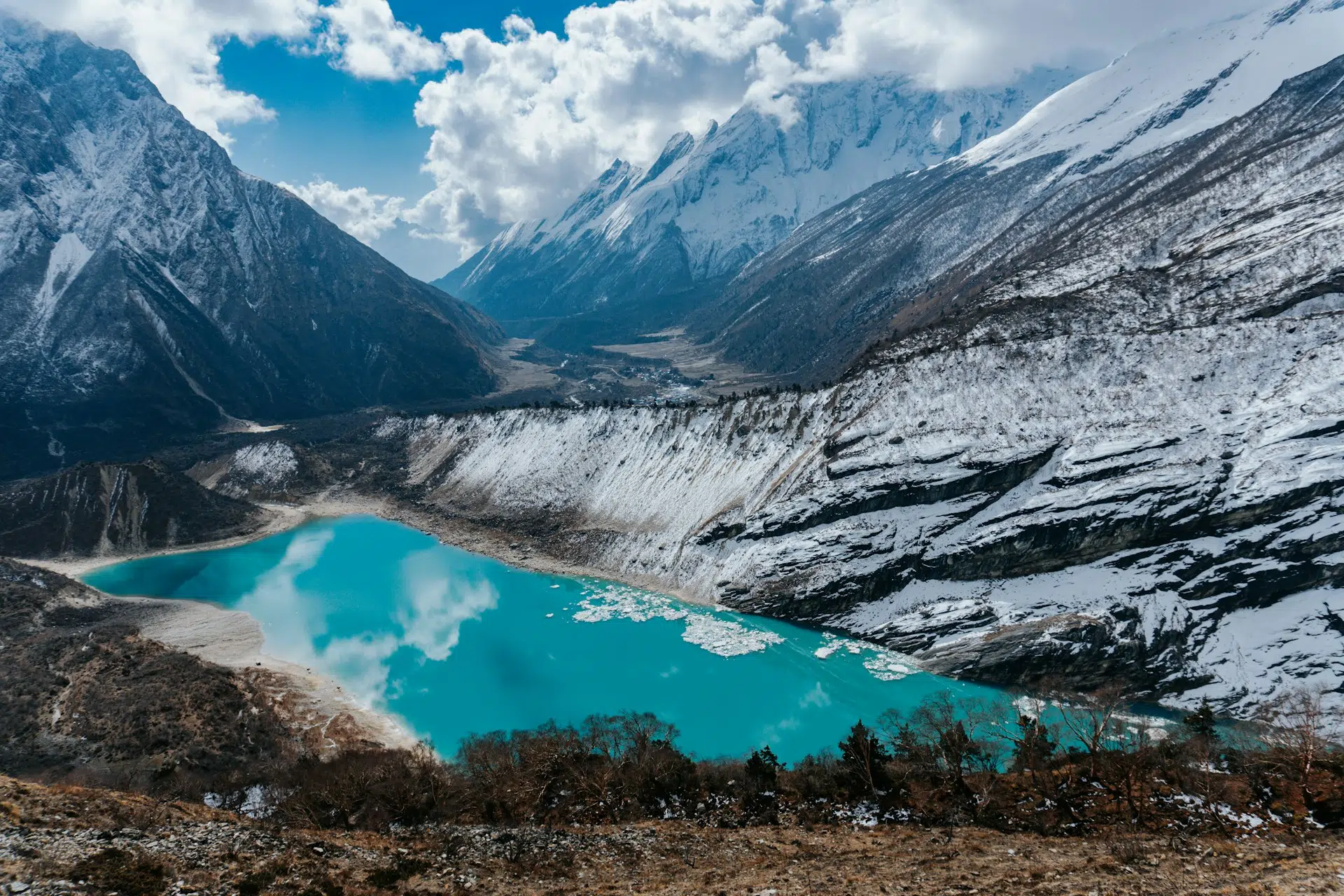
Nepal has managed to attract thousands of trekkers every year. Thanks to its majestic Himalayas and unique culture. The Everest and Annapurna regions are the pioneer destinations. They are well-commercialized and have easy-to-follow trekking routes. Additionally, these regions have a good network of teahouses and a few upgraded amenities. Thus, trekkers do not have to worry about safe stays and nutritious meals when trekking. However, with popularity comes the crowd. Every year, high numbers of trekkers trace these trails to live the mountain life and witness the majestic, towering peak up close.
As a result, during the peak trekking season, trails have large crowds, and the teahouses are occupied to their capacity. Also, there can be congestion at the viewpoints and major landmarks. This takes away from the entire essence of trekking and the peace trekkers seek in the Himalayas. That said, there are still a few off-the-beaten-path treks that remain untouched. They offer a wilderness and raw mountain experience. The Manaslu Circuit Trek is the classic example of such destinations. Other regions in the list are Kanchenjunga, Dolpo, Nar Phu, Humla, and others.
What Do Off-The-Beaten-Path Treks Actually Mean?
In the context of Nepal, it refers to exploring the remote regions that have not been fully explored yet. Instead of the mainstream trekking destinations, they receive fewer trekkers every year and generally have strict governmental monitoring and tracking. That said, the primary differences between the mainstream and lesser-known treks are accessibility and limited infrastructure. Also, these regions generally are home to unique flora and fauna and ethnic communities. So, the government has strict trekking rules to protect the wild animals and vegetation and preserve the unique culture and tradition.
Typically, trekkers have to obtain a specific Restricted Area Permit (RAP). However, only a registered trekking agency can apply for it on their behalf. Also, it is mandatory to hire a licensed guide for the trek. There are two primary reasons for this. First is to protect the fragile mountain ecosystem, and the second is to track the trekkers’ movement to swiftly manage rescue operations in case of emergencies. Trekkers should not expect a well-established network of tahouses or lodges, especially in the higher regions. They are usually available in the lower regions. However, with altitude, accommodations are very basic and more of a temporary settlement area.
Why Are Off-The-Beaten-Path Treks In Nepal Getting Popular?
- Peaceful Trails
- Cultural Encounters
- Raw Himalayan Landscapes
- Adventure
Peaceful Trails
One of the key reasons these lesser-known treks are getting attention from travel enthusiasts around the world is their peaceful trails. Unlike the popular endeavors, you do not encounter several fellow trekkers along the way. In fact, in the remote regions, it may be just you, your trekking group, and your guide. This allows trekkers to truly disconnect from the city noise and enjoy a therapeutic trekking experience.
The viewpoints are quiet and peaceful, allowing one to truly soak in the panoramic views. Similarly, the journey feels more personal and truly serene. Walking with the sound of the wind and the cold mountain breeze provides mental clarity. Thus, these treks are ideal for those seeking solitude over crowded trails.
Cultural Encounters
Trekkers also get an opportunity to explore the traditions and cultures of the locals in the mainstream treks. However, in the lesser-known destinations, they feel more immersive. Even interactions with the locals are personal and do not feel forced for the sake of it. Additionally, unique ethnic communities reside in the remote and restricted regions of Nepal.
For example, trekking to Everest does not allow one to observe the Nubri community, as they reside in the upper Manaslu region. More specifically, in the Tsum Nubri Rural municipality of northern Gorkha. Similarly, to observe the lifestyle and explore the customs and traditions of Raute communities, trekkers need to visit Dang or Tanahaun. Also, the Tsumba community resides in the Tsum valley, which is also known as the “valley of happiness.”
They have their own dialects and worship the sacred caves and mountains as deities. Also, believe the Himalayas provide divine protection and maintain peace in the region. In conclusion, in the popular treks, trekkers can explore the Sherpa, Gurung, Rai, Limbu, and other communities. While they are equally unique and hold deep importance, they are not as rare as the Nubris and Rautes.
Raw Himalayan Landscapes
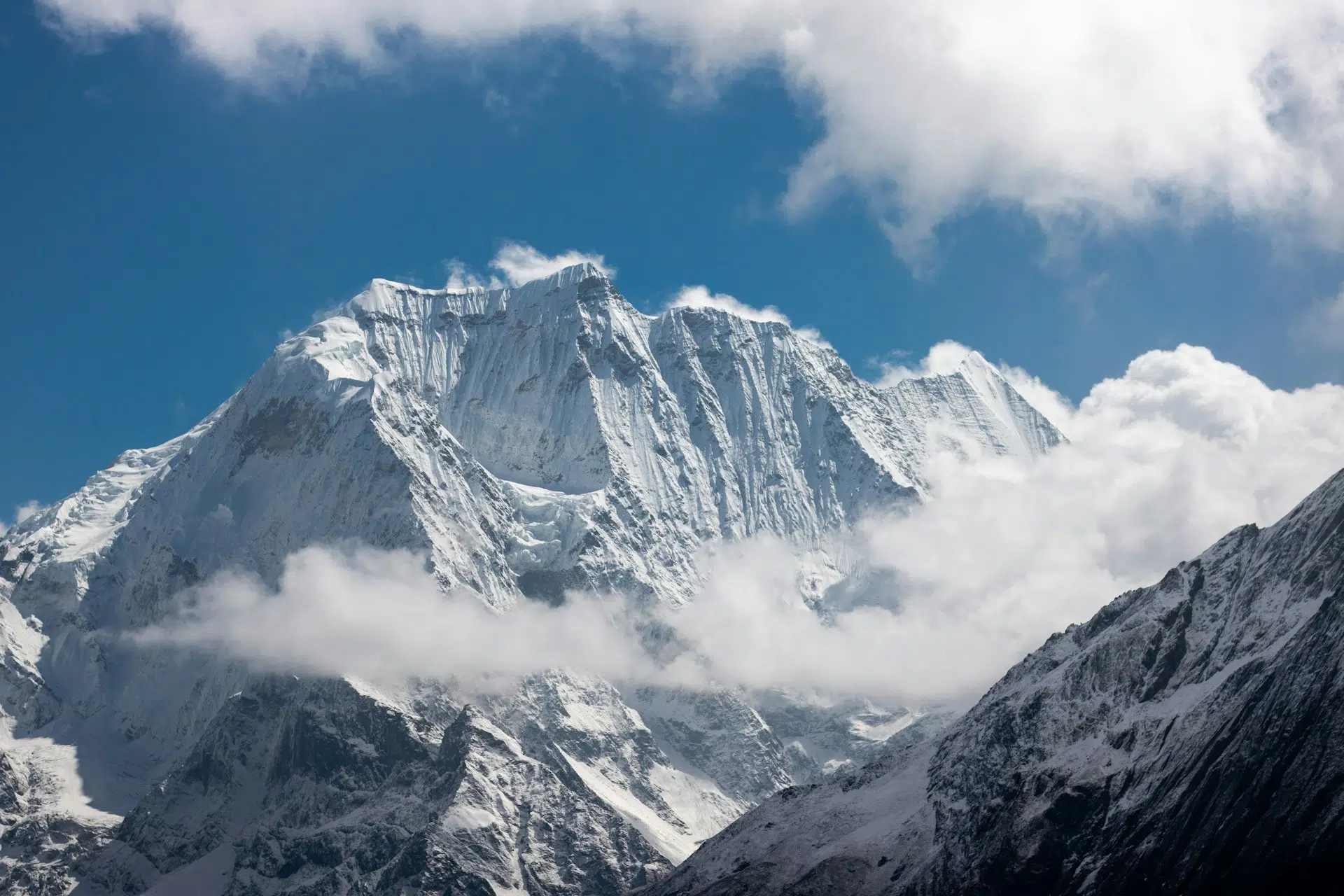
One of the primary aspects that sets apart off-the-beaten-path treks in Nepal from the popular routes is the untouched Himalayas. From trekking routes to the forests to the valleys and the mountains, they are not spoiled by the heavy flow of tourists yet. Additionally, the mountains are preserved in their natural state and boast a majestic presence. Each section of the trekking routes feels raw and unpredictable.
Similarly, the terrain feels more isolated in comparison to the popular routes. The quiet and dense forests, secluded mountain valleys and the breathtaking glaciers and mountains. They truly appear magical with fewer crowds and little to no commercialization. As there are not as many trekkers, the nature remains quiet and completely free of human intervention. Furthermore, even the mountain peaks appear even more majestic without crowds surrounding them.
Adventure Factor
Most seasoned trekkers prefer the off-beaten-path treks in Nepal for the challenge and thrill they present. Taking on these remote destinations is nothing close to your typical teahouse trekking, where you are well-supported by at least moderate infrastructure. Also, they require much more than just following the well-trodden and established trekking paths. Therefore, surviving with very basic accommodations and meals in the remote and high altitude provides a sense of achievement. The combination of physical and mental effort with a sense of isolation makes the exploration more thrilling and provides that adrenaline rush.
Similarly, the unpredictability of the trails and mountain weather becomes a part of the journey itself. In several remote regions, there are only a handful of temporary settlements built just for trekkers. Staying in such isolation during the trek teaches one to be self-reliant and truly provides a mental reset.