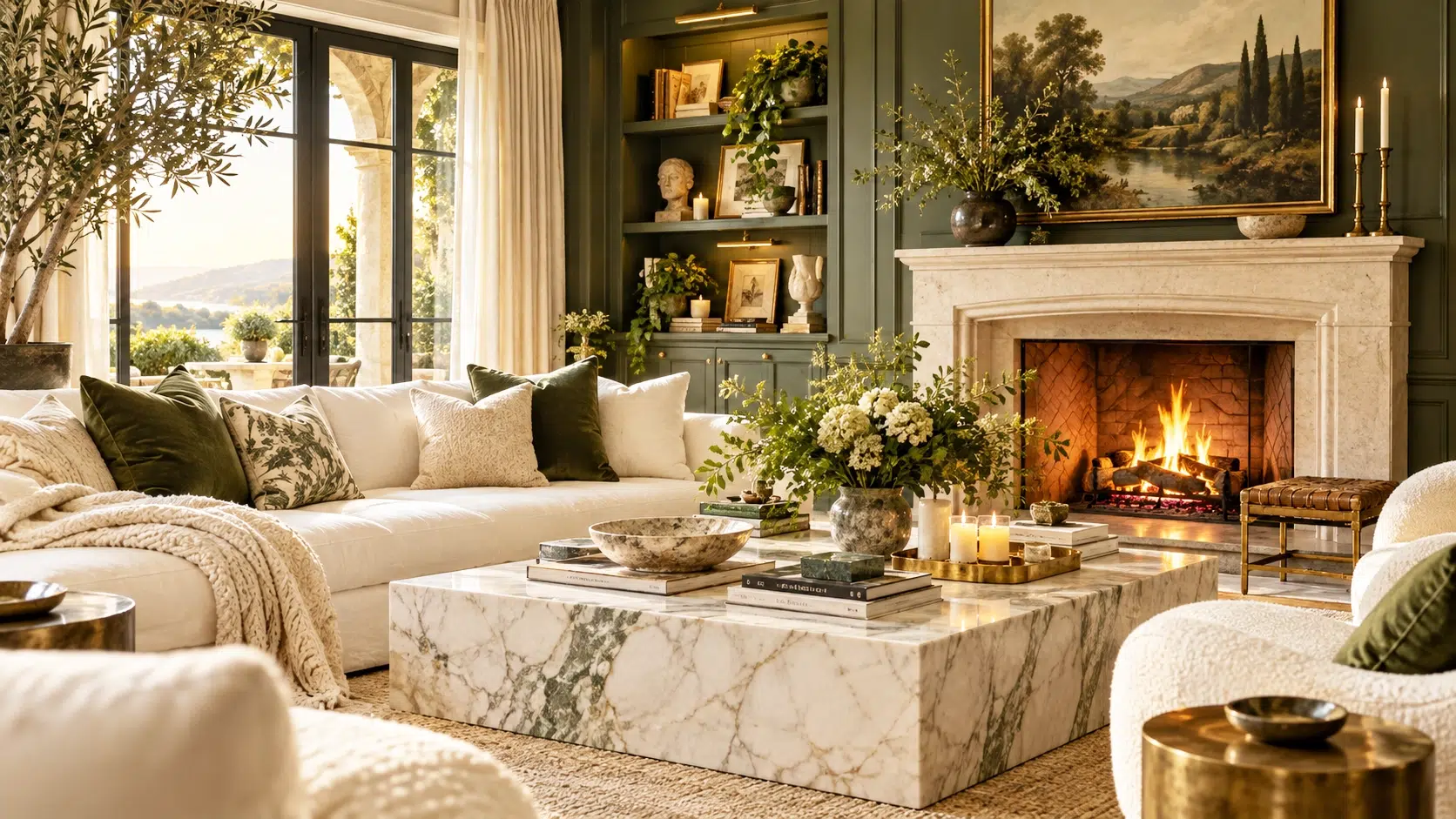
As fall arrives, the living room often becomes the heart of the home in new ways. Cooler temperatures and shorter days encourage people to spend more time indoors, turning familiar spaces into places for conversation, casual gatherings, movie nights, and relaxed evenings with friends. A room that once served as a quiet place to unwind after work may soon become the setting for a lively weekend visit or an impromptu get-together.
This seasonal shift highlights the importance of thoughtful interior design. A welcoming living room does not need to look formal or perfectly arranged. Instead, it should make everyday interactions feel natural, offering comfortable seating, practical surfaces, and enough flexibility to accommodate different moments as life unfolds.
Fall Brings More Gatherings Indoors
When outdoor activities become less appealing, the living room takes on additional responsibilities. Friends may stop by for coffee, relatives might visit over the weekend, and family members can spend longer evenings talking, watching television, or sharing a meal.
These gatherings often happen without much planning. A comfortable living room makes it easier to welcome people without reorganising the entire space every time someone arrives. Seating should allow guests to settle in comfortably, while side tables and accessible surfaces provide convenient places for drinks, snacks, books, or personal belongings.
Lighting also contributes to the atmosphere. Soft lamps and warm illumination can make an evening gathering feel more relaxed than a brightly lit room. Adding cushions, throws, and a few personal decorative touches can further create an environment that feels lived-in rather than staged.
The most successful spaces balance appearance with practical details, allowing hosts and guests to enjoy the moment instead of worrying about the room.
One Room, Different Gatherings
A living room rarely serves just one purpose. On a quiet weekday evening, it might be a place to stretch out with a book or watch a favourite programme. When friends arrive, the same space needs to support conversation, shared activities, and a little extra movement.
Furniture placement can make these transitions easier. Arranging seating to encourage face-to-face interaction helps conversations flow, while leaving clear pathways makes it simpler for guests to move around. A sofa positioned near an occasional table, for example, can provide a comfortable spot for an evening alone and remain equally useful when visitors arrive.
Flexibility matters because everyday life is rarely predictable. Some households regularly host overnight guests, while others prefer informal gatherings that last well into the evening. Choosing furniture with these changing needs in mind can help a living room remain useful throughout the season and beyond.
Rather than filling every available corner, homeowners can focus on pieces that serve a clear purpose and work well together.
Comfort Makes People Feel Welcome
Comfort is one of the details that can turn a short visit into a longer, more enjoyable gathering. Seating should provide enough room for people to relax without making the space feel crowded. Supportive cushions, suitable seat depth, and upholstery that feels pleasant to the touch can all influence how a sofa performs in daily life.
Practical considerations are important, too. Families may prioritise easy-care materials, while people who frequently entertain may want seating that accommodates several guests. Measuring the available space before purchasing furniture helps ensure that a sofa fits the room without restricting movement.
Small details can also make a difference. A nearby table gives guests somewhere to place a drink, while accessible lighting allows the room to shift from daytime activity to a calmer evening atmosphere. Together, these elements create a setting where people can feel comfortable and stay awhile.
The Sofa at the Centre of Shared Life
Because the sofa often anchors the living room, it deserves particular attention when planning a space for fall. HULALA HOME offers seating options that can be considered as part of a living room designed around relaxation and changing household needs.
Its modern chenille reclining sofa provides a starting point for exploring how reclining seating may fit into everyday routines. A reclining sofa can suit quiet evenings when people want to relax, while a thoughtfully arranged seating area can make the room equally inviting for conversations with visitors.
Before choosing a model, shoppers should review the product listing for verified details about its reclining mechanism, upholstery, construction, dimensions, and comfort features. It is also worth checking the space needed for the reclining function, particularly in smaller living rooms where furniture placement requires careful planning.
For households that need additional sleeping arrangements, sofa bed functionality is another consideration when comparing suitable furniture. A convertible design may help a room serve more than one purpose, although buyers should confirm the exact functions available on their chosen model rather than assume every sofa includes them.
Making Room for Life
A welcoming living room is ultimately about more than furniture. It is about creating a setting where people can gather comfortably, enjoy familiar routines, and make new memories as the seasons change.
This approach reflects the broader philosophy of Hulala Home, where the home can be considered in relation to the everyday experiences it supports. Thoughtful seating, practical layouts, and furniture suited to changing needs can help make shared spaces feel both functional and personal.
As life moves indoors this fall, the living room becomes a place for more than quiet evenings alone. With considered choices and a focus on comfort, it can welcome visiting friends, encourage longer conversations, and support the simple moments that make a house feel like home.