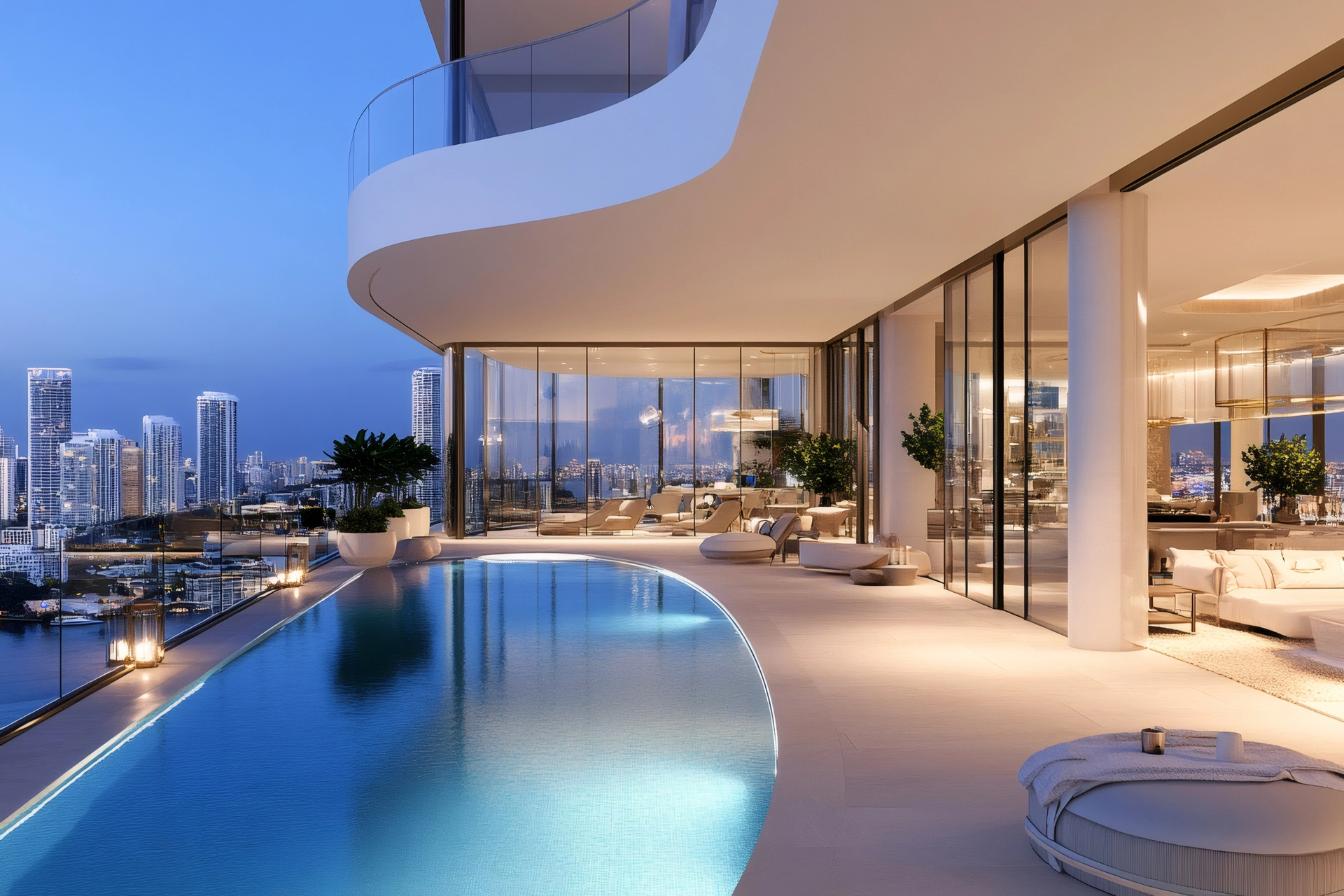
Purchasing a luxury condominium in Miami is a dream for many, offering access to breathtaking ocean views, world-class amenities, and a vibrant, cosmopolitan lifestyle. However, buying a condo in South Florida involves much more than simply finding a property with a beautiful view and signing on the dotted line. The unique environmental factors of the region—such as intense humidity, relentless salt air, and the threat of tropical storms—create specific challenges that can impact the structural integrity and interior condition of a building.
While a standard home inspector will evaluate the basic mechanical and structural components of a unit, bringing an interior design professional into the process early can save you from costly mistakes and design limitations down the road. An expert eye can assess whether a space can actually accommodate your vision, identify hidden issues that could derail a renovation, and ensure the property aligns with your lifestyle needs. If you want to ensure your new investment is both structurally sound and aesthetically viable, Meet Natalia, an Award Winning Interior Designer in Miami, who understands exactly what to look for before you close the deal.
Understanding the Miami Environment and Its Impact
Miami’s climate is notoriously demanding on real estate. The combination of high heat, constant moisture, and corrosive salt air means that buildings age differently here than they do in other parts of the country. When evaluating a condo, it is crucial to understand how these environmental factors have affected the unit and the building as a whole.
The Threat of Salt Air and Moisture
For waterfront properties in areas like Miami Beach, Surfside, or Edgewater, salt air is a persistent adversary. Salt-laden air can penetrate concrete and accelerate the corrosion of embedded carbon-steel rebar, a process that can compromise the structural integrity of balconies and exterior walls over time. Inside the unit, this same salt air can wreak havoc on sliding glass doors, window frames, and any exposed metal hardware. An interior designer will inspect these transition zones—where the interior meets the exterior—looking for signs of pitting, rust, or difficulty in operation that might necessitate expensive replacements.
Furthermore, Miami’s high humidity levels require robust HVAC systems to prevent moisture accumulation. If a condo’s air conditioning system is undersized or poorly maintained, it can lead to elevated indoor humidity, creating a breeding ground for mold and mildew. Designers know to look for subtle signs of moisture intrusion, such as soft drywall near windows, staining around baseboards, or a musty odor in closets and bathrooms. These red flags not only pose health risks but can also ruin high-end finishes, custom cabinetry, and luxury fabrics.
Evaluating the Interior Canvas for Renovation
Many buyers purchase a condo with the intention of remodeling it to suit their personal tastes. However, high-rise condominium living comes with strict rules and physical limitations that do not exist in single-family homes. An interior designer can help you determine if your renovation dreams are actually feasible within the specific unit you are considering.
Structural Limitations and Floor Plans
One of the most common desires during a condo renovation is to open up the floor plan to maximize light and views. However, an interior designer in Miami will immediately look for structural columns, load-bearing walls, and building-wide mechanical chases (plumbing stacks and electrical conduits) that cannot be moved. What appears to be a simple partition wall might actually house the plumbing for the units above and below yours. Discovering these limitations before purchasing allows you to adjust your expectations or walk away from a property that cannot accommodate your desired layout.
Ceiling Heights and Lighting Capabilities
Lighting is a critical component of luxury interior design, but condos often present challenges in this area. Many older Miami condos, and even some newer builds, feature concrete ceilings that cannot be easily channeled to install recessed lighting or heavy chandeliers. A designer will assess the ceiling structure to determine if dropped ceilings (soffits) are necessary to hide new wiring and ductwork. They will also evaluate the existing ceiling height to ensure that adding these soffits will not make the space feel cramped or claustrophobic.
Inspecting the Quality of Existing Finishes
If you are purchasing a move-in ready or recently renovated condo, it is essential to look past the staging and evaluate the true quality of the finishes. A skilled designer can spot the difference between a high-quality renovation and a quick cosmetic flip designed to maximize the sale price.
Flooring and Transitions
Flooring in a Miami condo must be resilient. Designers will inspect the existing floors for signs of wear, improper installation, or moisture damage. They look for hollow spots under tiles, which indicate poor adhesion, and check the transitions between different flooring materials (e.g., from the living room to the balcony or the bedroom to the bathroom) to ensure they are seamless and watertight. In a coastal environment, materials like large-format porcelain tile are preferred for their durability and resistance to sand and moisture, whereas cheap laminate or poorly sealed wood can quickly warp or degrade.
Cabinetry, Millwork, and Hardware
In luxury kitchens and bathrooms, the devil is in the details. A designer will open and close every cabinet and drawer to check for smooth operation, proper alignment, and the quality of the hinges and hardware. They will inspect the millwork for signs of peeling veneer, water damage near sinks, or rushed finish work. High-quality, custom cabinetry should feel solid and intentional, while builder-grade materials may show signs of premature aging, especially in Miami’s humid climate.
Navigating Condo Association Rules and Restrictions
Beyond the physical space, buying a condo means buying into a Homeowners Association (HOA). The rules and regulations set by the condo board can have a massive impact on your ability to design and live in your home the way you want. An interior designer experienced in the Miami market knows exactly which rules to investigate before you commit.
Renovation Approvals and Work Restrictions
Every condo building has a specific process for approving renovations. Some luxury buildings in Brickell or Fisher Island have incredibly stringent architectural review boards that must approve every detail of your design plan, from the type of soundproofing underlayment required beneath hard flooring to the specific hours contractors are allowed to work. A designer will help you review the building’s alteration agreement to understand these restrictions. If a building only allows construction during the summer months or limits elevator access for materials, it can significantly extend your renovation timeline and increase your costs.
Window Treatments and Balcony Regulations
In Miami, the view is often the main selling point, but managing the intense sunlight is crucial for protecting your interiors and maintaining a comfortable temperature. Many condo associations have strict rules regarding window treatments to maintain a uniform exterior appearance. They may dictate the color of the backing on your drapery or restrict the type of solar shades you can install.
Similarly, balconies are often considered “limited common elements,” meaning you have exclusive use of them, but the association controls what you can do there. There may be restrictions on the type of outdoor furniture you can use, whether you can install outdoor lighting or fans, and if you are allowed to change the balcony flooring. A designer will verify these rules to ensure you can create the seamless indoor-outdoor living experience you desire.
The Importance of Building Infrastructure and Amenities
When you buy a condo, you are also buying a share of the building’s infrastructure. While the HOA is responsible for maintaining common areas, the condition of these systems directly impacts your quality of life and your wallet.
HVAC, Plumbing, and Electrical Systems
An interior designer will pay close attention to the unit’s mechanical systems. They will check the age and condition of the HVAC unit, as replacing a system in a high-rise can be logistically complex and expensive. They will also look at the electrical panel to ensure it has sufficient capacity for modern luxury appliances, smart home integration, and advanced lighting systems. If the electrical panel is outdated or undersized, upgrading it may require coordination with the building’s management and could be a significant hidden cost.
Plumbing is another critical area. Designers will check water pressure, drainage speed, and the condition of the pipes under sinks. In older buildings, original cast iron or galvanized steel pipes may be nearing the end of their lifespan, increasing the risk of leaks that could damage your newly designed interior or the unit below you.
Future Assessments and Building Health
Finally, a savvy designer will advise you to review the HOA’s financial health and recent meeting minutes. Following the tragic building collapse in Surfside, Florida has implemented strict new laws requiring milestone structural inspections for older condo buildings. If the building you are considering is facing a massive special assessment for concrete restoration, roof replacement, or balcony repairs, that financial burden will fall on you as the new owner. Understanding these potential liabilities allows you to budget accurately for your interior design project without the fear of unexpected assessments draining your renovation funds.
Conclusion
Purchasing a luxury condo in Miami is a significant investment that requires careful consideration of both the property’s physical condition and its design potential. The unique challenges posed by the South Florida climate, combined with the strict regulations of condominium living, mean that a standard walk-through is simply not enough.
By engaging an experienced interior designer in Miami before you buy, you gain a critical advocate who can see beyond the staging and the spectacular views. They will inspect the unit for environmental wear, assess structural limitations, evaluate the quality of existing finishes, and navigate the complex web of HOA rules. This proactive approach ensures that the condo you purchase is not just a beautiful space, but a viable canvas for your ultimate design vision, saving you time, money, and frustration in the long run.