Luxury is often associated with craftsmanship, exclusivity, and impeccable execution. Whether it is a five-star resort, a celebrated restaurant, or a global cultural event, the experiences that leave a lasting impression are rarely accidental. They are the product of careful planning, long-term vision, and an unwavering commitment to quality.
Those same principles increasingly define the world’s largest sporting events.
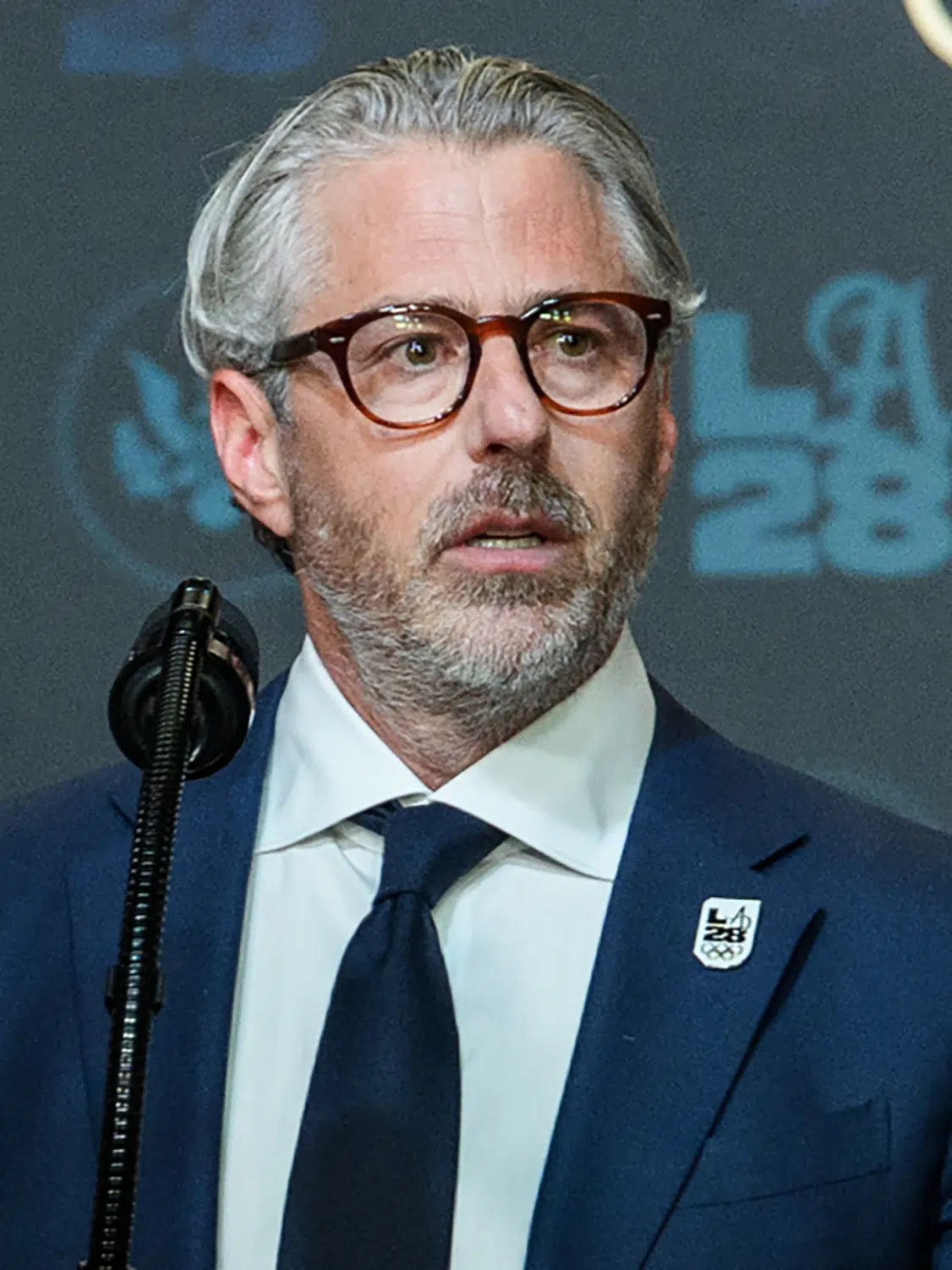
For Casey Wasserman, whose career has spanned sports marketing, talent representation, and international event leadership, success has often been measured not by individual headlines but by the ability to bring together countless moving parts into a seamless experience. It is a philosophy that has shaped his work for more than two decades and one that continues to influence projects on a global scale.
While sports naturally revolve around competition, Wasserman’s career illustrates that the business surrounding those competitions has become just as sophisticated as the events themselves.
Excellence Begins Long Before Opening Day
The public typically experiences major sporting events over the course of a weekend, a tournament, or a few memorable weeks.
The preparation begins years earlier.
Corporate partnerships are negotiated. Venues are coordinated. Hospitality programs are developed. Broadcast plans are refined. Technology platforms are tested. Thousands of professionals contribute to a finished product that audiences often experience without ever seeing the complexity behind it.
In many respects, the process resembles the operation of a luxury hospitality brand.
Every detail contributes to the overall impression.
Throughout interviews, Wasserman has emphasized that meaningful success is rarely immediate. He has spoken about the importance of persistence and creating opportunities over time rather than expecting accomplishments to happen overnight—a perspective that aligns naturally with organizations focused on building enduring reputations instead of chasing short-term recognition.
Curating Experiences, Not Simply Events
Modern audiences expect more than access.
Whether attending a championship game, a film premiere, or an international sporting event, people increasingly value experiences that feel distinctive, immersive, and thoughtfully designed.
That shift has influenced every aspect of sports business.
Hospitality has become more personalized. Premium experiences extend beyond luxury seating to include exclusive programming, curated travel opportunities, and opportunities for meaningful interaction. Brand partnerships increasingly emphasize storytelling rather than simple visibility.
For executives operating in this environment, success depends upon understanding not only logistics but also emotion—how people remember an experience long after it has ended.
It is an area where sports and luxury have grown remarkably similar.
Both seek to create moments that audiences associate with excellence.
Reputation as a Long-Term Investment
Few commodities carry greater value than trust.
Luxury brands spend decades establishing credibility with their customers. A reputation for consistency often becomes their greatest competitive advantage.
The same principle applies within sports business.
Relationships between athletes, sponsors, governing bodies, media organizations, and corporate partners are frequently developed over many years. Successful collaborations depend on reliability, discretion, and mutual confidence as much as contractual agreements.
Wasserman has spoken openly about wanting to establish a professional reputation based on his own work and accomplishments. In discussing his career, he has explained that earning respect through performance, rather than assumption, was an important personal objective from the outset.
That long-term perspective has become increasingly valuable in industries where credibility is often built gradually but can be tested quickly.
Global Audiences, Shared Expectations
Professional sports now operate on an international stage.
A single event may involve participants from dozens of countries, multinational corporate partners, broadcasters serving audiences across continents, and fans engaging through countless digital platforms.
Despite those differences, audience expectations have become remarkably consistent.
People value authenticity. They appreciate thoughtful service. They notice attention to detail. Whether booking a luxury hotel or attending a world-class sporting event, consumers increasingly expect experiences that feel intentional from beginning to end.
Meeting those expectations requires organizations capable of balancing creativity with operational precision.
That challenge has become a defining characteristic of executive leadership across sports, hospitality, and luxury industries alike.
Leadership Through Collaboration
The scale of today’s global events makes individual leadership only one part of the equation.
Success depends upon bringing together specialists from finance, marketing, technology, operations, communications, hospitality, and countless other disciplines into a unified organization.
In interviews, Wasserman has frequently returned to themes of passion, persistence, and continuous learning when discussing career development. Rather than portraying leadership as individual achievement, he has emphasized sustained effort and the willingness to create opportunities over time.
That philosophy mirrors a broader trend among modern executives who increasingly view leadership as the ability to assemble exceptional teams rather than simply direct them.
For organizations operating across international markets, that collaborative mindset has become indispensable.
A Broader Definition of Success
Luxury has evolved considerably over the past generation.
Increasingly, it is defined less by excess than by quality, craftsmanship, personalization, and meaningful experiences. The most successful brands understand that distinction, investing as much in relationships and service as they do in products themselves.
The sports industry has undergone a similar transformation.
Major events are no longer evaluated solely by attendance figures or television ratings. They are judged by fan experience, operational excellence, commercial partnerships, sustainability, and long-term legacy.
Viewed through that lens, Wasserman’s career reflects more than the evolution of sports business.
It illustrates how leadership itself has changed. In an increasingly interconnected world, creating exceptional experiences requires vision, patience, and a commitment to excellence that extends well beyond the public moments audiences ultimately see.
For today’s global executives, those qualities have become every bit as valuable as the final result.
| https://en.wikipedia.org/wiki/Casey_Wasserman