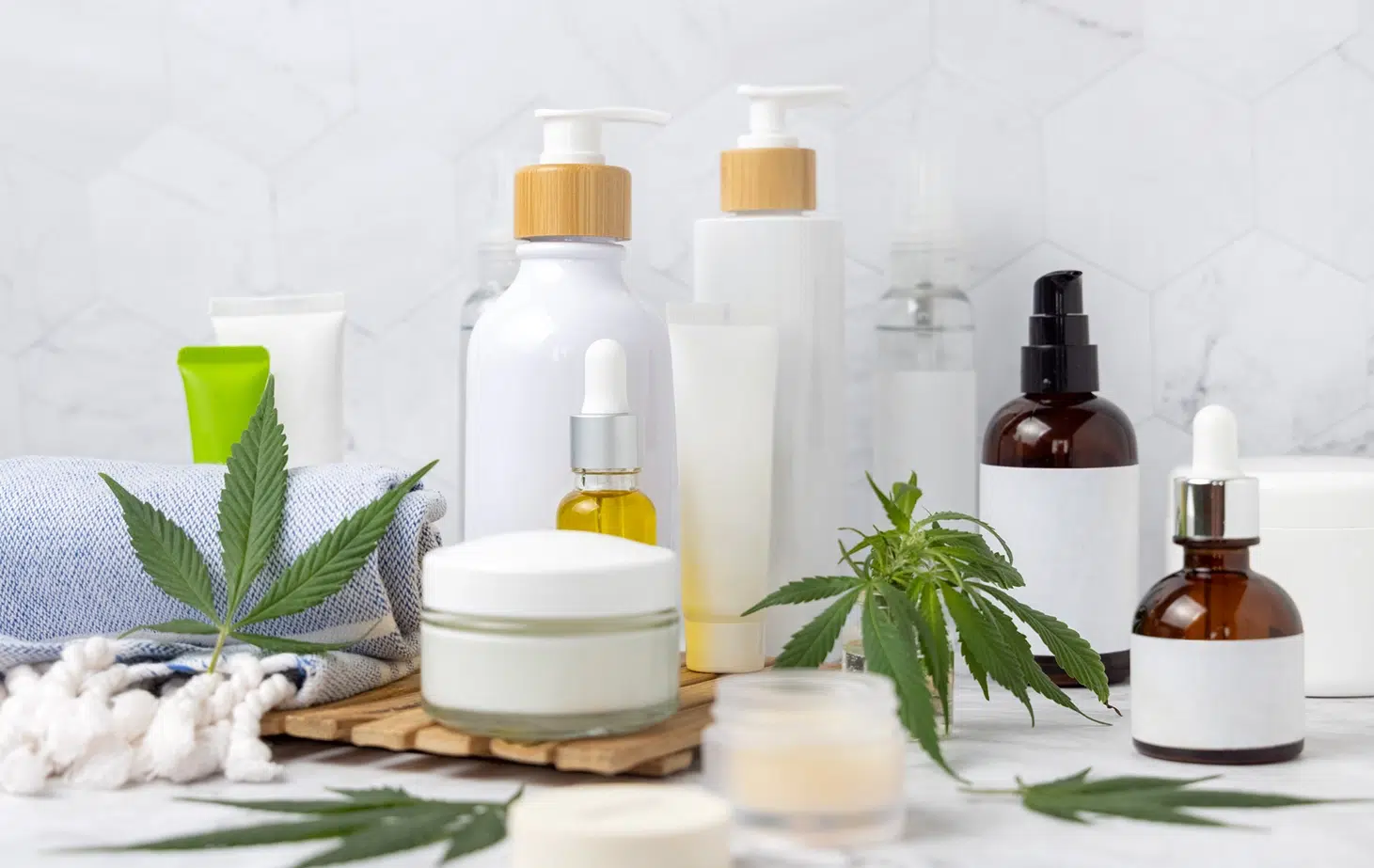
CBD has become one of the most recognizable ingredients in the modern wellness market. It can be found in oils, gummies, capsules, topicals and cannabis products containing different ratios of CBD and THC. Despite its popularity, choosing a CBD product can still feel confusing for someone encountering terms such as full spectrum, broad spectrum, isolate, and cannabinoid ratio for the first time.
The growing availability of online cannabis menus has made product research more convenient. Adults who buy weed online can review product descriptions, cannabinoid information, and available formats before placing an order. However, convenience does not replace the need to understand what a product contains and how it is intended to be used.
This beginner’s guide explains the basic differences between CBD products, how to read their labels, and what to consider when choosing an option that fits your lifestyle.
What Is CBD?
CBD stands for cannabidiol, one of the many naturally occurring compounds found in cannabis and hemp plants. Unlike THC, CBD does not generally produce the intoxicating high associated with cannabis.
CBD can be extracted from hemp or cannabis and added to a variety of products. The source, formulation, concentration, and presence of other cannabinoids can all influence the characteristics of the final product.
Consumers should not assume that every product labeled “CBD” is identical. A CBD isolate, for example, differs from a full-spectrum extract containing multiple cannabinoids and aromatic compounds.
CBD Versus THC
CBD and THC are both cannabinoids, but they interact with the body differently.
THC is the main cannabis compound associated with intoxication. Depending on the amount consumed and personal tolerance, it can affect mood, perception, coordination, and reaction time.
CBD is considered non-intoxicating, although people may still report different personal responses to it. Some cannabis products contain CBD without meaningful amounts of THC, while others combine the two cannabinoids in specific ratios.
A label might show ratios such as:
- 1:1 CBD to THC
- 2:1 CBD to THC
- 10:1 CBD to THC
- 20:1 CBD to THC
A balanced 1:1 product contains similar amounts of CBD and THC. A 20:1 product is strongly CBD dominant but may still contain some THC. Anyone who wants to avoid intoxication should read the complete cannabinoid information instead of relying only on the word “CBD” printed on the front.
The Main Types of CBD Extract
CBD products are commonly divided into three general extract categories.
Full-Spectrum CBD
Full-spectrum CBD contains a range of compounds from the original plant. These may include CBD, trace amounts of THC, minor cannabinoids, terpenes and other plant compounds.
Because full-spectrum products may contain THC, they may not be appropriate for consumers who need or want to avoid THC completely. The exact cannabinoid content should be listed on the product label or laboratory report.
Broad-Spectrum CBD
Broad-spectrum CBD also contains multiple plant compounds, but manufacturers typically remove most or all of the THC during processing.
Consumers should still verify the label and testing information. Manufacturing methods and legal definitions can differ, so the term “broad spectrum” alone should not be treated as a guarantee that no THC is present.
CBD Isolate
CBD isolate contains purified cannabidiol without the wider variety of cannabinoids and terpenes found in full-spectrum or broad-spectrum extracts.
It may appeal to consumers who prefer a simple formulation or want to minimize exposure to THC. However, product quality and accurate labeling remain important even when buying an isolate.
Choosing the Right CBD Format
CBD comes in several forms, and each one fits a different routine. The right choice depends on convenience, personal preference, desired serving control, and how the product will be used.
CBD Oils and Tinctures
CBD oils and tinctures are generally packaged in small bottles with measured droppers. Depending on the directions, they may be placed under the tongue or mixed with food or beverages.
The dropper can make it easier to adjust the amount gradually. However, consumers must calculate the CBD content correctly. A bottle may show the total number of milligrams rather than the amount in a single dropper.
Before using a tincture, check:
- Total CBD in the bottle
- CBD per serving
- Recommended serving size
- Presence of THC
- Additional ingredients
- Manufacturer’s instructions
Oils and tinctures may suit people who want flexibility and do not mind measuring each serving.
CBD Gummies and Edibles
CBD gummies offer a familiar, premeasured format. Each piece should contain a stated amount of CBD, making them easy to incorporate into a routine.
Edibles must pass through the digestive system, so their effects may not be noticeable immediately. Consumers should follow the label and avoid taking additional servings too quickly.
Some CBD gummies contain THC or other intoxicating cannabinoids. Packaging that uses words such as “hemp,” “full spectrum,” or “CBD” does not necessarily mean the product is free from THC. Always review the complete cannabinoid panel.
Gummies should be stored in their original packaging and kept securely away from children and pets.
CBD Capsules
Capsules offer a consistent, discreet format without the taste of an oil. Each capsule normally contains a predetermined amount of CBD.
This simplicity can be helpful for someone who wants a repeatable serving. The main limitation is flexibility because a capsule cannot be adjusted as easily as a liquid product.
As with gummies, capsules are swallowed and absorbed through the digestive system. Consumers should not expect them to work at the same speed as inhaled products.
CBD Topicals
CBD topicals include creams, lotions, balms, and roll-on products applied directly to the skin. They are intended for external use and should be used according to the product directions.
Check the ingredient list for fragrances, essential oils or other substances that could irritate sensitive skin. Testing a small amount on a limited area may help identify an unwanted skin reaction before wider use.
Topicals should not be applied to broken skin unless the product specifically states that such use is appropriate.
CBD Vape Products
Some CBD products are designed for inhalation through vape pens or cartridges. Inhaled products act differently from swallowed oils, gummies, and capsules because the compounds enter the body through the lungs.
Consumers should only use products specifically manufactured for vaping. A standard CBD oil or tincture should never be placed in a vape device unless the manufacturer clearly states that it is formulated for inhalation.
Only purchase vape products from licensed and verifiable sources. Unregulated products may contain unknown ingredients or may not match the information printed on their labels.
How to Read a CBD Product Label
A product label should help you understand exactly what you are buying. Important information includes:
- Total CBD content
- CBD per serving
- THC content
- Number of servings
- Extract type
- Ingredient list
- Allergen information
- Batch or lot number
- Testing information
- Expiration or best-by date
- Storage instructions
- Required warnings
Pay particular attention to whether the milligram amount refers to the entire package or one serving. A bottle labeled “1,000 milligrams CBD” may contain 1,000 milligrams across the complete bottle, not in each dropper.
The product should also identify whether it contains THC. Even a small amount may matter to someone who is sensitive to THC, subject to drug testing, or trying to avoid intoxicating products.
Start With a Low Amount
There is no universal CBD serving that works for everyone. Body composition, product formulation, previous experience, and individual sensitivity can all affect a person’s response.
Beginners should follow the manufacturer’s instructions and start with a modest amount. Use the same amount consistently long enough to evaluate it before making significant changes.
Avoid starting several new CBD products at the same time. If an unwanted reaction occurs, using multiple products can make it difficult to determine which one caused it.
Keeping a simple record may help. Note the product, amount, time of use, and any effects you observe. This creates a clearer picture than relying on memory alone.
Shopping for CBD Through a Licensed Retailer
Where you purchase a CBD or cannabis product matters. Licensed cannabis retailers operate under rules covering age verification, product testing, labeling, and quality review.
Online menus can help consumers compare formats and cannabinoid ratios before ordering. People using discreet weed delivery Sacramento can review available products from home, confirm that delivery serves their address, and prepare the required identification before the order arrives.
Discretion should not be confused with anonymity. A legitimate cannabis delivery service must verify that the customer is legally eligible to purchase the products. The person receiving the order should expect to show a valid government-issued photo ID.
Consumers should also verify the retailer’s licensing information. A professional-looking website or attractive package does not prove that a seller is operating legally.
Consider Your Lifestyle and Routine
The right CBD product should fit naturally into your routine.
An oil may be appropriate for someone who wants to adjust the amount carefully. A capsule or gummy may suit a person who values convenience and consistency. A topical may be preferable for someone who does not want to ingest CBD. A balanced CBD and THC cannabis product may appeal to an experienced adult who understands the effects of THC.
Consider the following questions:
- Do you want to avoid THC completely?
- Do you prefer a measured or adjustable serving?
- Are you comfortable swallowing capsules?
- Do you want to avoid inhalation?
- Is portability important?
- How often do you expect to use the product?
- Can you store it securely?
- Are you taking medications that may interact with CBD?
Answering these questions can narrow the available options before you begin comparing brands.
CBD and Medication Interactions
CBD can interact with certain prescription and over-the-counter medications. These interactions may affect how the body processes a medicine.
Anyone taking medication, managing a health condition, preparing for surgery, or using CBD while pregnant or breastfeeding should speak with a qualified healthcare professional before use.
Consumers should also avoid treating CBD as a replacement for prescribed care. Marketing claims are not the same as medical evidence, and a product should not be assumed to diagnose, treat or cure a health condition.
Safety and Storage
CBD products should be stored according to the label. Heat, sunlight, moisture, and air exposure may affect product quality over time.
Keep all products in their original packaging so that the ingredient list, serving information and warnings remain available. Store them away from children and pets, especially gummies and other products that resemble ordinary food.
If a CBD product also contains THC, avoid driving or operating machinery after consuming it. Effects can vary, and even a product marketed primarily around CBD may contain enough THC to cause impairment in some consumers.
Common CBD Buying Mistakes
New CBD consumers frequently make avoidable mistakes, including:
- Choosing a product without checking its THC content
- Confusing total milligrams with milligrams per serving
- Buying from an unverified seller
- Expecting immediate effects from an edible
- Taking multiple servings too quickly
- Using a tincture in a vape device
- Assuming natural means risk-free
- Ignoring possible medication interactions
- Believing unsupported health claims
- Storing gummies where children can reach them
Taking a few minutes to examine the label and retailer can prevent many of these problems.
Making a More Informed CBD Choice
Choosing a CBD product becomes easier once you understand the extract type, format, cannabinoid content and serving information.
Begin by deciding whether you want CBD alone or a product that also contains THC. Choose a format that fits your routine, verify the amount per serving and purchase from a trustworthy source. Start with a low amount and observe your response before making changes.
CBD is not a one-size-fits-all product. A thoughtful, informed approach can help you find an option that aligns with your preferences while keeping safety, legality and responsible use at the center of the experience.